Why the U.S. government is launching a cooking show
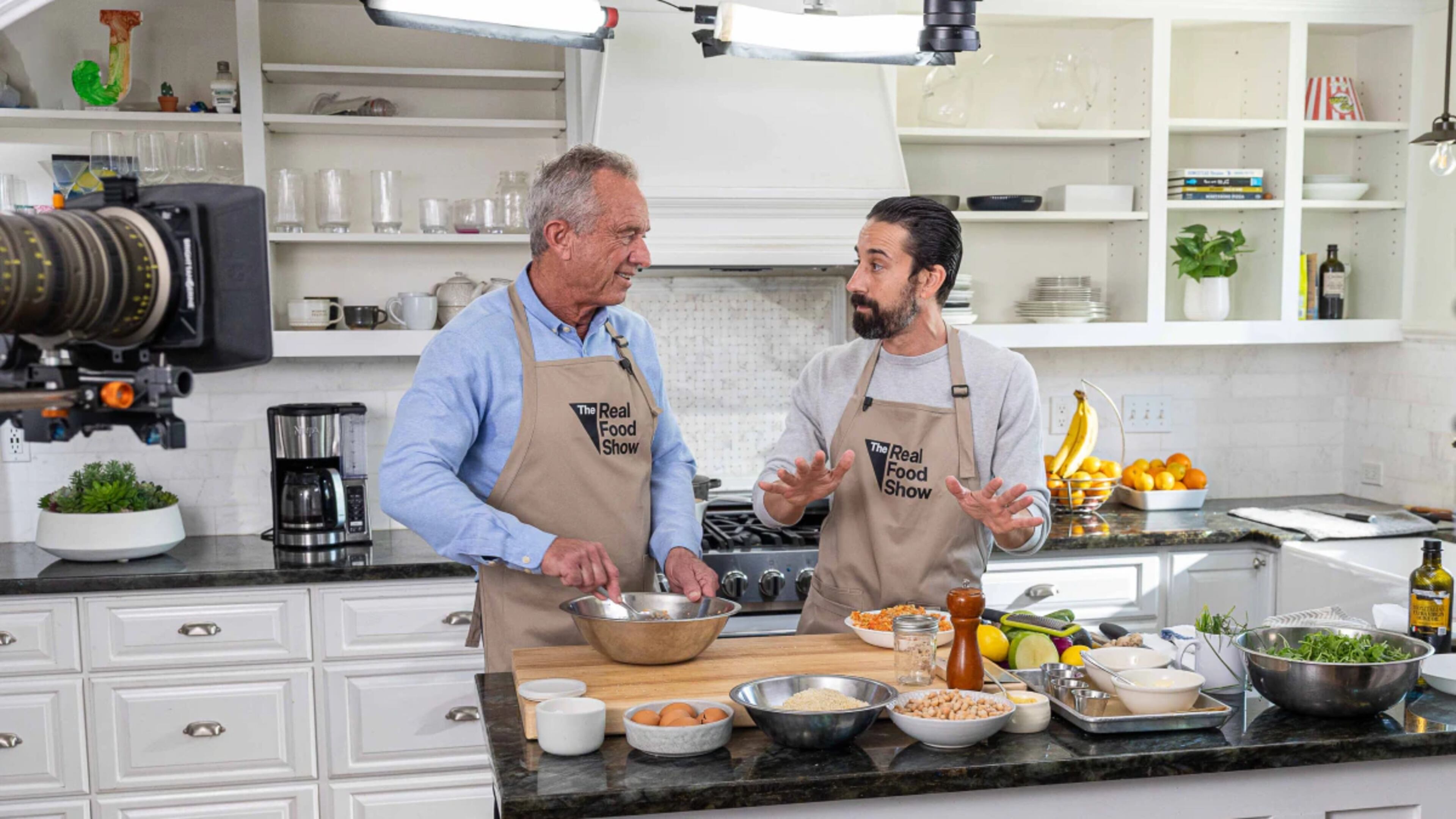
U.S. Secretary of Health and Human Services Robert F. Kennedy Jr. announced last week the launch of a new cooking show, “The Real Food Show,” in which he will travel around the U.S. to cook nutritious and affordable recipes with chefs as part of his ‘Make America Healthy Again’ (MAHA) initiative.
“This is not just another cooking show. It’s about helping Americans take back their health,” Kennedy said at a news conference in New York last Thursday.
He introduced the new show alongside Robert Irvine, a celebrity chef known for shows like “Restaurant: Impossible,” who has been helping to revamp the food offerings for U.S. military troops.
“The Real Food Show” is the latest in Kennedy’s agenda to improve Americans’ health since he took over as HHS secretary last year. Kennedy has sought to revamp the nation’s public health guidelines around principles known as “Make America Healthy Again,” a play on President Donald Trump’s famous campaign slogan.
The movement has challenged conventional healthcare practices, including questioning the efficacy of vaccines. Some medical experts worry the MAHA strategy is not backed by evidence-based practices.
In January, the HHS also introduced new federal dietary guidelines that focus on prioritizing sources of protein, vegetables and fruits, which Kennedy characterizes as “real food.”
The administration’s goal with “The Real Food Show” is to encourage Americans to eat healthier meals in alignment with the new dietary guidelines while proving that a nutritious diet can be affordable. But the show does not address some of the root challenges to healthy eating on a budget.

What is ‘The Real Food Show’ and where can you watch it?
Episodes of “The Real Food Show” will be released on Kennedy’s YouTube channel, SecKennedy, and at the Department of Health and Human Service’s website.
The first episode in the series features chef Andrew Gruel, the owner of Calico Fish House in California, a city councilmember for Huntington Beach and a TV personality on Fox News. Gruel walks Kennedy through the process of making salmon cakes with an apple, white bean and arugula salad.
“Every episode shows Americans how to prepare delicious, healthy, budget-friendly meals using real, everyday ingredients,” Kennedy said in last week’s news conference.
The recipes on the show will cost less than $5 per serving, he said, and should align with the administration’s new dietary guidelines.
Cooking tips aren’t the only insights Kennedy and his guests offer. Gruel shows viewers how to prepare salmon cakes while talking about his own experiences with stomach issues when he was younger.
“It wasn’t until 2014 when I completely cut seed oils out of my diet and all the processed foods that I actually healed my entire body, strictly with diet,” he said in the video.
While Kennedy and other health influencers have said that seed oils are harmful to one’s health, research continues to show they are not.
In subsequent episodes, Kennedy will host the show with other chefs around the U.S.
Why is HHS launching a cooking show?
Kennedy said the government-funded cooking show will teach Americans that cooking at home can be easy, nutritious and affordable.
“For too long, Americans have been told that they had to choose between a healthy food and food that they can afford, and that’s simply not true,” he said. “One of the most affordable things you can do for your health is to cook real food at home.”
The affordability claim stood out to Megan Winkler, a population health scientist, former clinician and professor at Emory University’s Rollins School of Public Health.
If one sets the precedent of $5 per serving for three meals a day, that comes out to $15 a day and $450 per person each month, she said.
“The current average (Supplemental Nutrition Assistance Program) SNAP benefit is $188 (per person),” Winkler said. “So these things are really off from trying to call something affordable and something that we actually think that all families can afford to buy.”
She also pointed out how the ingredients used in the vinaigrette recipe, which included Dijon mustard, were factored into the recipe as only $1.04 per serving, but this doesn’t account for the up-front cost of purchasing ingredients that won’t necessarily make a recurring appearance in future recipes.
Kennedy said “The Real Food Show” aims to teach Americans how to buy smarter.
“One of the things that we need to do now, and we’re doing this across our agency in many many programs, is teaching people how to cook again,” he said. “How to buy groceries, how to buy cutlery, and then how to come home and cook it.”

This show debuts about a year after the Trump administration ended funding for a nutrition education program.
Last summer when President Donald Trump signed a Republican tax and spending bill, it included a provision to end funding for SNAP-Ed, a nutrition education and obesity prevention program that partnered with state and local organizations to bring nutrition education classes, marketing campaigns and other tools to live a healthier life to low-income communities.
In Georgia, SNAP-Ed program funding was used by agencies like Open Hand Atlanta, HealthMPowers and the University of Georgia. In 2024, nearly 3,000 nutritional education classes were taught in Georgia to almost 40,000 people, according to an impact report.
“Many programs previously offered in community centers, senior centers, food pantries and farmers’ markets were supported by SNAP-Ed funding,” according to the UGA SNAP-Ed website. “While UGA Extension Agents will have access to most of the curricula used, the elimination of SNAP-Ed funding means there will be fewer staff available to deliver these programs, and no SNAP-Ed funds to support associated costs, such as travel, materials or site-based activities.”
States with remaining SNAP-Ed funds have until the end of September to spend them.
During the announcement, Kennedy said the show is also an attempt to fight “an epidemic of loneliness and isolation” among American teens.
“Somewhere along the way, we stopped gathering around the dinner table. We’re losing connection,” he said. “‘The Real Food Show’ is not just about cooking; it’s about helping Americans reconnect with one another.”
Having time to cook each day or gather around the dinner table can be another barrier families are facing, especially if parents are working.
“I don’t know how we give people more time to do these things. Cooking is an important skill, it’s useful if you do have the time, but these are innate barriers that obviously aren’t being addressed through the cooking show itself,” Winkler said.
In general, cooking shows are used as an entertainment mechanism, she added, and people often seek them out specifically if they’re interested in that subject.
With social media and the internet, consumers interested in finding a salmon recipe can do that very quickly, so the question becomes, if these recipes have already been available to people, “What really then are these more root causes to the problem of unhealthy eating than adding a cooking show?”
How does the show fit into the ‘Make America Healthy Again’ initiative?
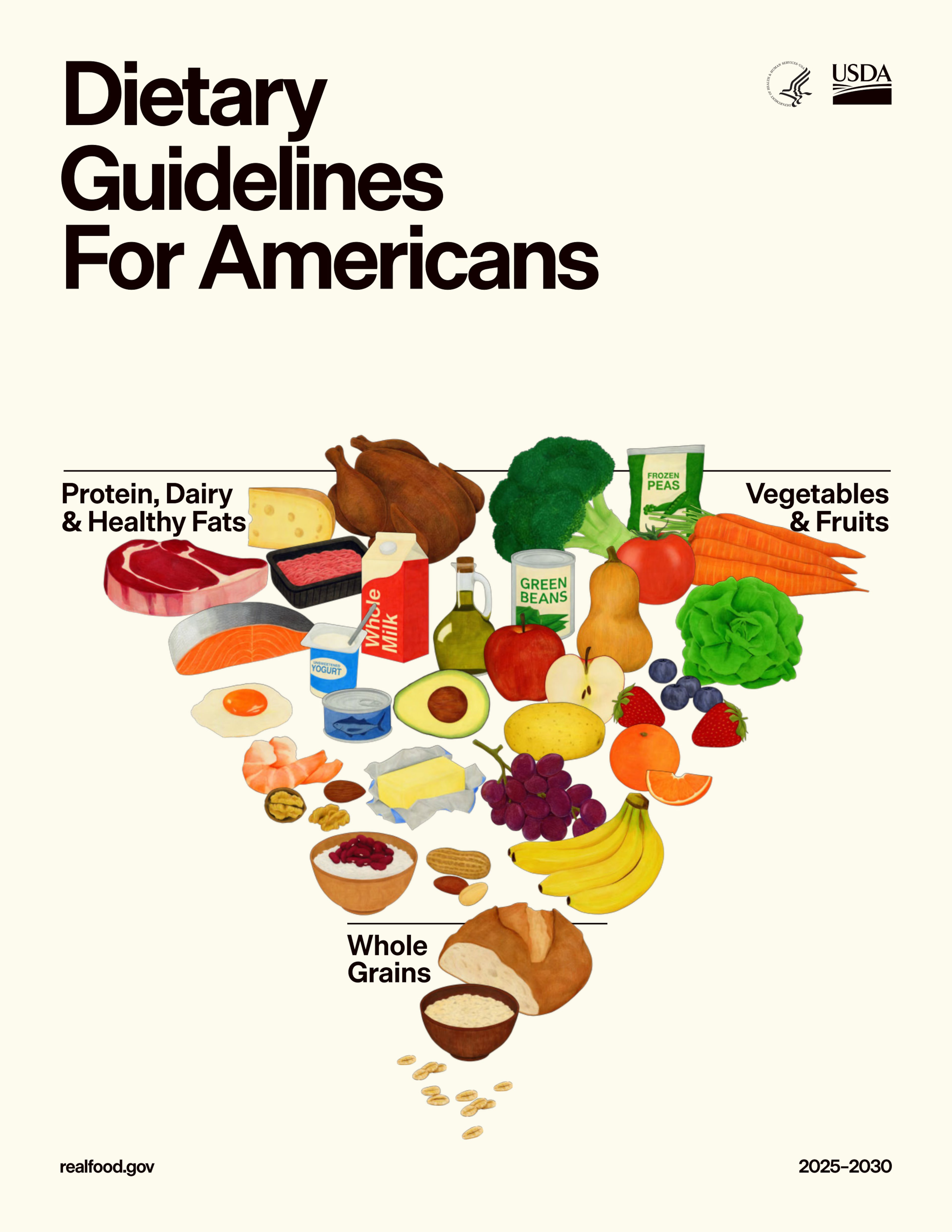
Since taking over as secretary in February 2025, Kennedy ushered in updated federal dietary guidelines that flipped the food pyramid on its head, placing protein, dairy, healthy fats, fruits and vegetables at the top and whole grains at the bottom.
This show will offer Kennedy a platform to amplify these dietary guidelines and demonstrate how they can be incorporated into American’s everyday lives.
It will also support Kennedy and the Trump administration’s broader efforts to steer Americans away from ultra-processed foods, according to the administration’s strategy outline.
Actions the government has taken so far to further the MAHA initiative include restricting “unhealthy items” from SNAP eligibility in 18 states; supporting the passage of the Whole Milk for Healthy Kids Act, which allows schools to offer whole milk on its menu; working to define ultra-processed foods and supporting small farms and lower farmer production costs, according to the U.S. Department of Agriculture.
There are plenty of initiatives Winkler said the public health and nutritionist community can agree with, like prioritizing fruits and vegetables and trying to limit ultra-processed foods.
“But I would say that more and more of what we’ve seen come out of the administration including this cooking show over the last several months seem to indicate kind of a historical pattern where we continue to put the onus on individuals to find a way to eat healthy,” she said.
These ultra-processed foods are highly marketed and highly palatable, she said. Policies that target food systems and the food industry, rather than just dietary guidelines and the consumers themselves, may have a more impactful approach, as has been demonstrated in other countries.
Winkler offered examples such as a sugar sweetened beverage tax that’s been implemented in countries around the world, restrictions on how companies can market their products to children or healthy checkout policies that limit the products one sees while standing in the checkout line.
“Until we take a more aggressive action toward those things instead of just telling people to change what they eat, I just don’t think we’re going to see much of a change,” she said.