Delta revenue continues to increase while fuel costs rise


Delta Air Lines saw record revenue in the third quarter as consumers continue to spend on travel and experiences, the company told investors Friday.
Delta’s revenue was $20.2 billion in the quarter ended Sept. 30, up 21% over the same time frame last year. But net income in the quarter declined to $756 million from $1.4 billion a year earlier.
The airline is weathering much higher prices for aviation fuel, with quarterly costs topping $4 billion, a 69% increase year over year. But those higher fuel prices have allowed it to raise the price of tickets, too, and consumers are accepting those costs.
“The top 40% of U.S. households, which make up the majority of Delta’s customer base, are nearly $40 trillion wealthier than they were just a few years ago and increasingly prioritizing experiences, including travel,” Delta CEO Ed Bastian told analysts on a call Friday morning.

The airline has been able to absorb the higher fuel costs in part because it owns its own refinery, which helps offset costs and is forecast to produce $700 million in profit this year. The airline has also been disciplined on flight capacity while consumer demand is strong, Erik Snell, the company’s chief financial officer, told reporters.
“The price for a ticket is still relatively lower than inflation over the last six or eight years, and so the demand strength remains,” Snell said.
He added that Delta’s revenue growth is coming from all categories — corporate, international and leisure travel — as well as its other businesses, including cargo and its co-branded American Express credit cards. This year, the week after Labor Day was the highest corporate sales week in Delta’s history, according to Joe Esposito, Delta’s chief commercial officer.
The airline also has the tail wind of increased prices for plane tickets. Airlines have been increasing fares as demand for travel continues, particularly among high-income consumers and amid decreased competition after the shutdown of Spirit Airlines in May.
In August, airfares were up 23.4% compared with the previous year, according to the Bureau of Labor Statistics. For Delta, passenger revenue in the third quarter was up 15% year over year, growing in both premium and main cabin seats.
But even when fuel prices decline, airfares may not.
“As we see the customer response, candidly, the limited amount of resistance that we see, the fact that our product continues to be seen in a consumer basket as reasonably affordable, even at a 20% price increase … I think that’s a very good sign for the future,” Bastian said.
“Fuel prices will recede. Now, how much? How fast? I don’t know, but they will. And the test for us at Delta, and I think for the industry, is to ensure that we sustain the revenue that we have created, and I don’t see any reason why we shouldn’t,” he added.
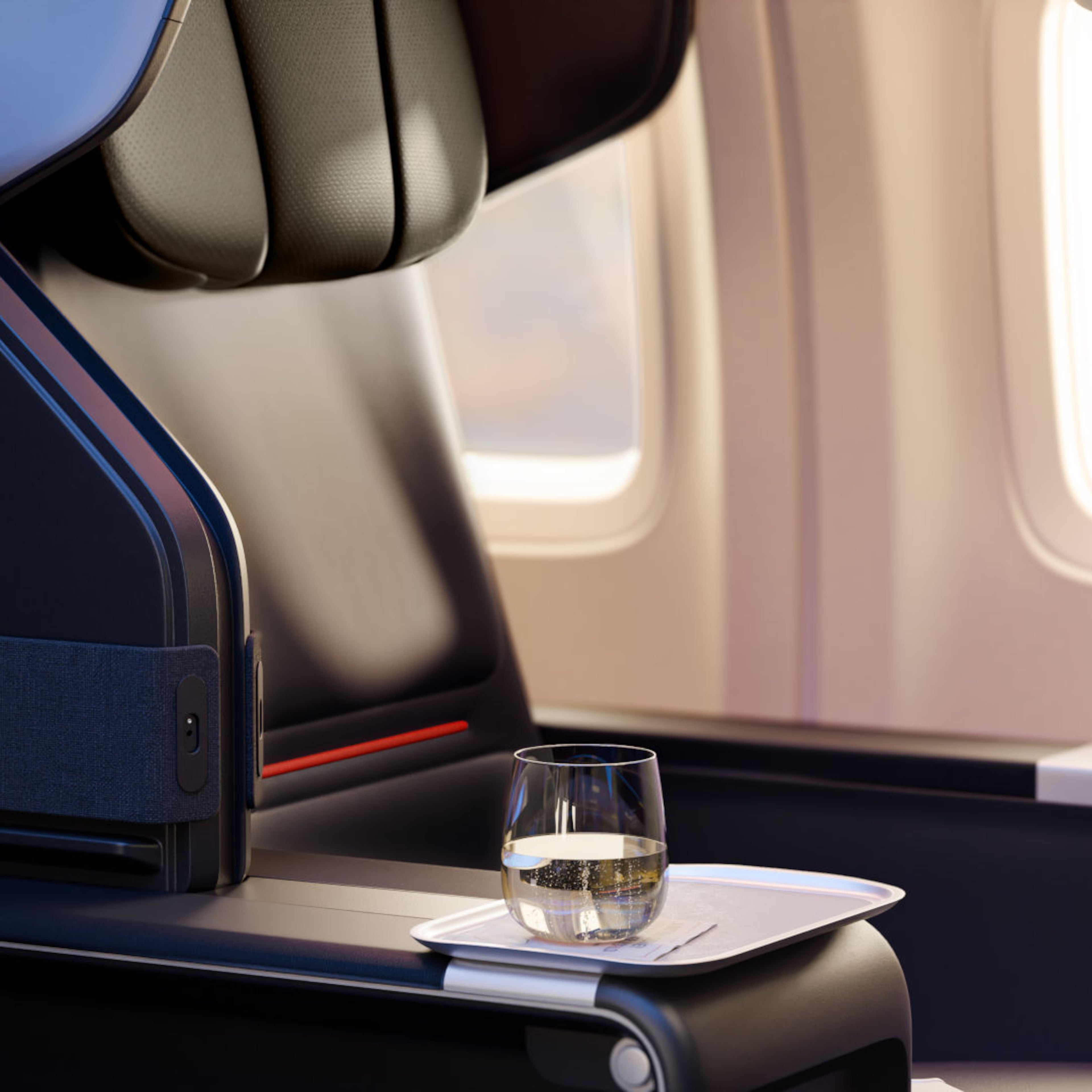
The airline is also adding more of its higher-priced seats to planes.
“Each aircraft we bring in has more premium seats because we know the demand is there and there’s a lot of opportunity to continue to serve that demand,” Snell said. “We’ve been reducing the capacity on the main cabin side.”
Spending on its SkyMiles credit cards also grew by double-digits, the eighth consecutive quarter of double-digit growth in cardholder spending.
Delta leaders are forecasting 20% growth in revenue for the fourth quarter. Bastian said the company expects a pretax profit of roughly $4.5 billion for the full year. That’s down from $5 billion in 2025.

Delta also shares a portion of its profits every year with its employees. So far, it has accrued nearly $900 million toward the February 2027 payout.
Beyond revenue, the airline grew in other ways in the third quarter. It took delivery of 13 aircraft, announced more international routes and expanded its presence in Los Angeles.