Hyundai weighs expanding Georgia factory, which could top Tesla for capacity
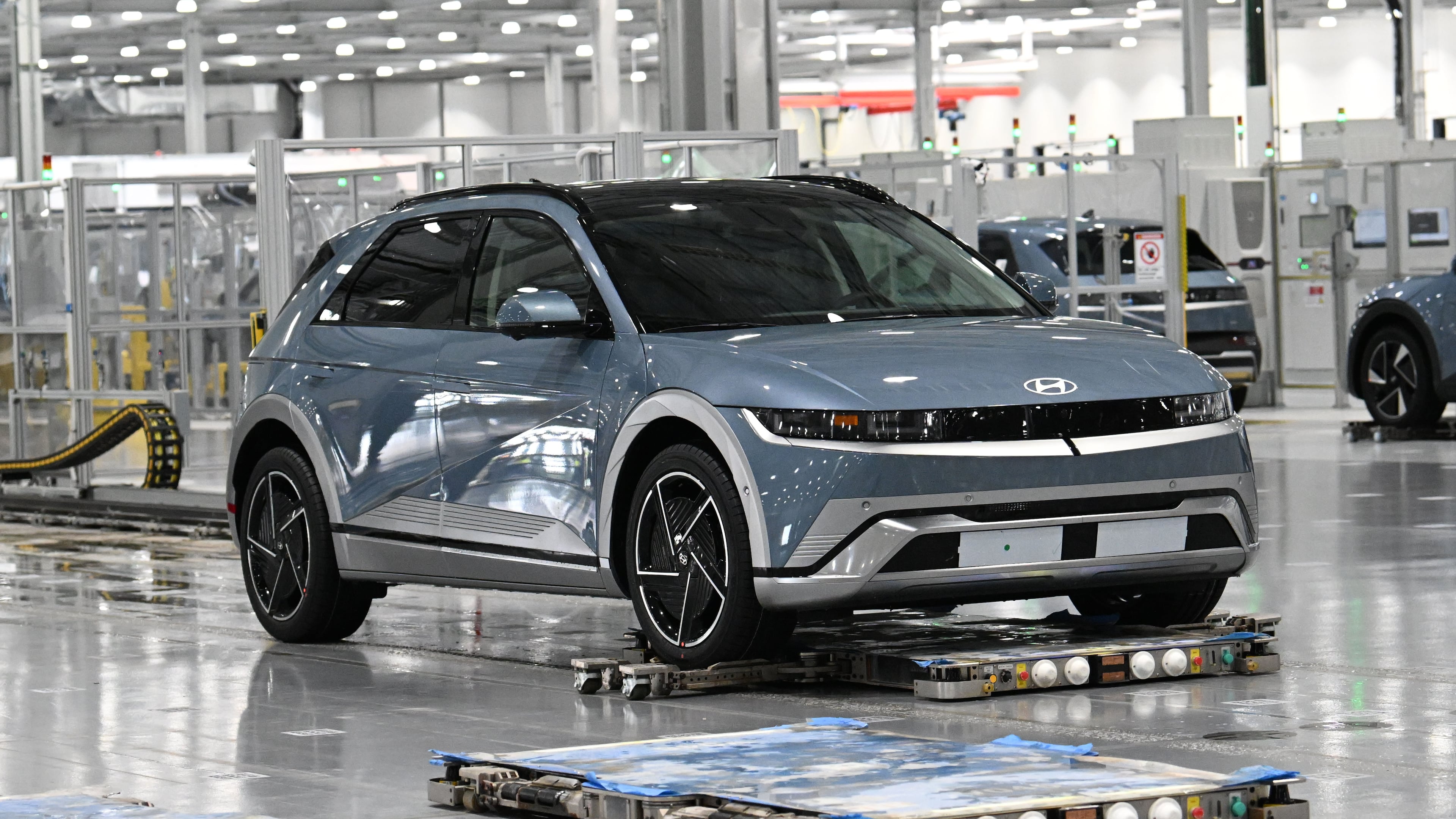

Could Hyundai Motor Group soon make its Georgia factory the biggest auto plant by capacity in the U.S.?
Hyundai is evaluating plans to increase the annual production capacity at its plant near Savannah, an effort that would result in it surpassing Tesla’s Fremont, California, electric vehicle plant as America’s busiest car factory.
Hyundai CEO José Muñoz told CNBC last week that he’s weighing whether to increase the factory’s annual manufacturing capacity to between 700,000 and 800,000 units by 2028, a significant increase from the current target of half a million. It would be part of the Korean auto giant’s pledge to invest $26 billion in the U.S. through 2028 and would anchor the company’s plan to domestically produce at least 80% of the vehicles it sells in the U.S.
“For that purpose, we need to add more capacity,” Muñoz told CNBC on Thursday. “We want to have all this up and running by 2028. That is our intention.”
A Hyundai spokesperson confirmed those discussions to The Atlanta Journal-Constitution, but no decision has been finalized. The company holds its annual investor meeting Wednesday in Seoul, South Korea, where additional announcements could be made on its growth strategy and production plans.
“We are evaluating opportunities to add production capacity in the U.S., but no final decisions have been made,” the spokesperson said in a statement. “We have nothing further to announce at this time.”
The roughly 3,000-acre campus, which Hyundai calls its Metaplant, is located in Bryan County and has been rapidly expanding production since it debuted in October 2024. The $7.6 billion project is the largest state-recruited economic development effort in Georgia history. It’s slated to employ 8,100 full-time workers in just its central factory by 2031 with thousands of ancillary jobs at nearby suppliers and other campus functions, including an on-site battery factory.
To woo the project, state and local leaders offered a record-setting incentive package to Hyundai worth an estimated $2.1 billion.
Muñoz told the AJC at Hyundai’s 2025 investor day, which was held in New York, that his company would expand the newly opened Metaplant’s capacity to 500,000 units by 2028, a $2.7 billion effort involving 3,000 jobs. The plan also involved expanding the factory’s production lines to handle assembly for 10 electric and hybrid models by 2030.
If Hyundai expands the production goal to 800,000 vehicles each year, it would become America’s largest vehicle assembly operation by capacity. Tesla’s Fremont plant holds that crown with an annual capacity at 560,000.
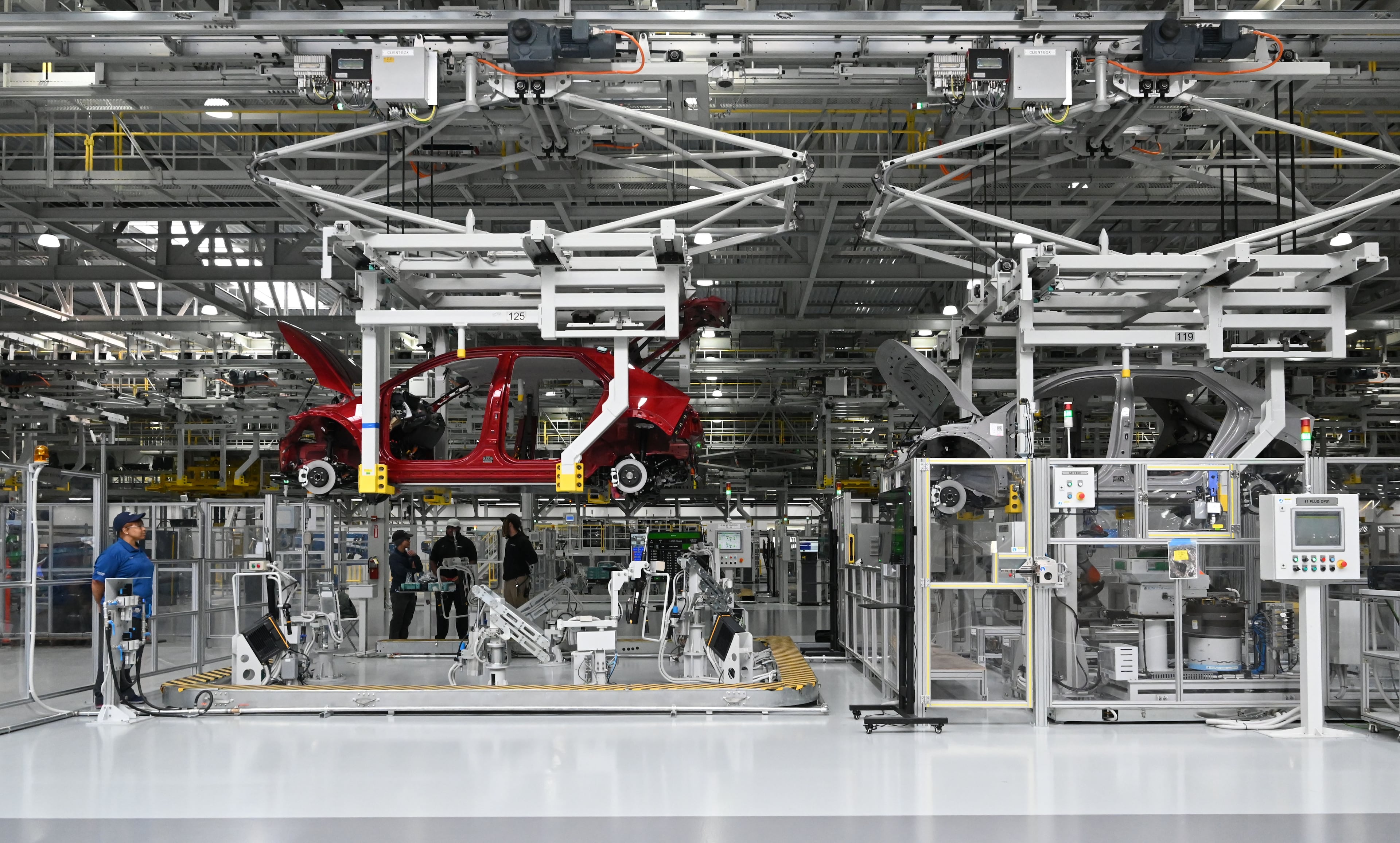
Trip Tollison, the top economic development official for the Savannah area, told the AJC that the potential expansion is “exciting” news for Georgia and further validation of the project.
“With all the resources and everything else we put in there, it certainly can accommodate it,” he said. “And for the Savannah area, it means more jobs and more investment.”
Muñoz said President Donald Trump’s tariffs, which include a 15% import tax on South Korean goods, have been a factor in the company accelerating its U.S. production plans.
“Tariffs are helping accelerate our localization plan. That’s very, very simple,” he told CNBC. “The good thing is that we had already started before tariffs were announced. So in a way it’s helping us to accelerate.”
— Staff reporter Adam Van Brimmer contributed to this report.