Data centers in space? This Georgia startup says it’s not science fiction.
Whether it’s clutter, trash or anything unpopular, there’s often the desire to just push it far away. Maybe even shoot it into space if possible.
For data centers, the controversy du jour sweeping Georgia and much of the country, that far-out idea may not be too far away.
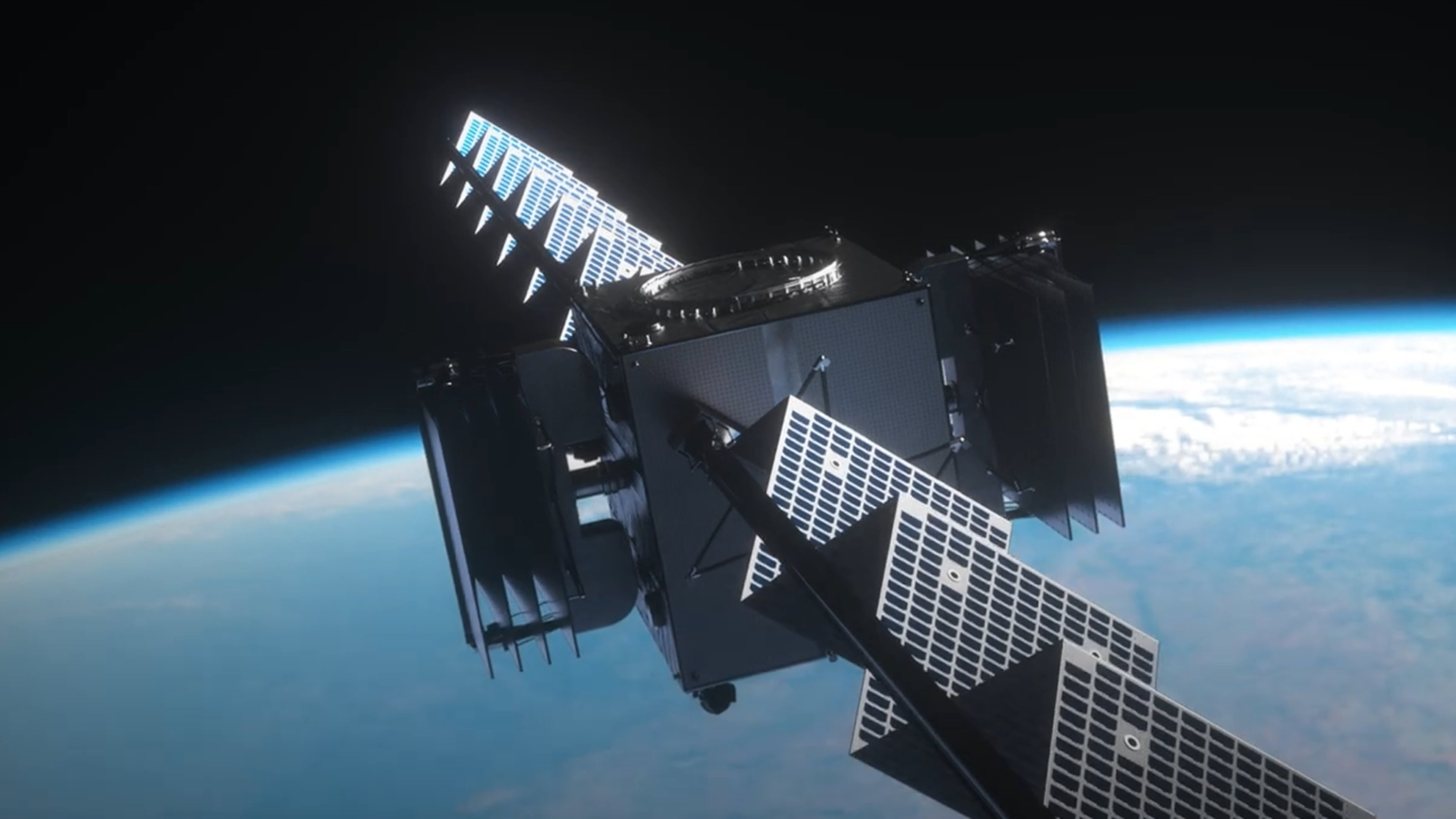
Atomic-6, a metro Atlanta aerospace and defense startup, launched an online storefront Monday called “ODC.space” where it advertises orbital data centers. The Marietta-based company is offering to build, license and launch computer storage facilities into space for a hefty price, with packages starting at $585,000 a month.
It’s an audacious service from a fast-growing company that has landed contracts with the Department of Defense and U.S. Space Force for its lightweight solar technology and spacecraft. Trevor Smith, the founder and CEO of Atomic-6, said it’s more practical than it seems at a glance.
“Let’s use the free resources of the sun and the coldness of space,” Smith told The Atlanta Journal-Constitution, saying orbital data centers offer novel solutions to these facilities’ mammoth electricity and cooling needs.
Data centers are often unpopular in communities on Earth, mainly because of their strain on power grids, their rapid proliferation and sheer size. The Atlanta area has been one of the country’s fastest-growing data center markets since 2023 when the artificial intelligence boom kicked into gear.
While said to be essential for the modern digital age, local communities across Georgia and the country have pushed back against data center proposals.
The capabilities of electricity grids and a shortage of equipment such as transformers and switchgear for expansion are another headwind. A report by Bloomberg raised concerns that electrical equipment challenges could delay or cancel nearly half of all U.S. data center projects planned for this year.
Smith said the final frontier removes some of those hurdles — there are no angry neighbors or need for new power plants when in orbit. He said ODC.space’s first customers can expect their orbital data centers to launch three years after their first payment, with the timeline shortening as the service scales.
“On the ground, AI infrastructure is increasingly gated by ‘big iron’ bottlenecks: transformers, turbines, transmission upgrades, and permitting,” retired Col. Chris Hadfield, Atomic-6 Board of Advisors member, said in a newly released white paper. “Space systems operate under a different regulatory regime, with more predictable licensing pathways and fewer public-facing constraints.”
Smith acknowledged the exorbitant price to build reliable orbital data centers, which will have an operational life of five to seven years, is its own obstacle. But he says the right type of customer won’t balk at the price tag, especially if it continues to get harder to build terrestrial data centers.
“It’s kind of like, ‘I want to go to Disney World, and I’m willing to pay for the Fast Pass because I don’t see the end of the line and I want to go ahead,’” Smith said.
Smith compared ODC.space to picking a cellphone contract, with various data plans (storage capacities) and download speeds (connectivity throughputs). The customer would provide their own computer chips, while Atomic-6 will handle hardware construction through contractors and its own equipment.
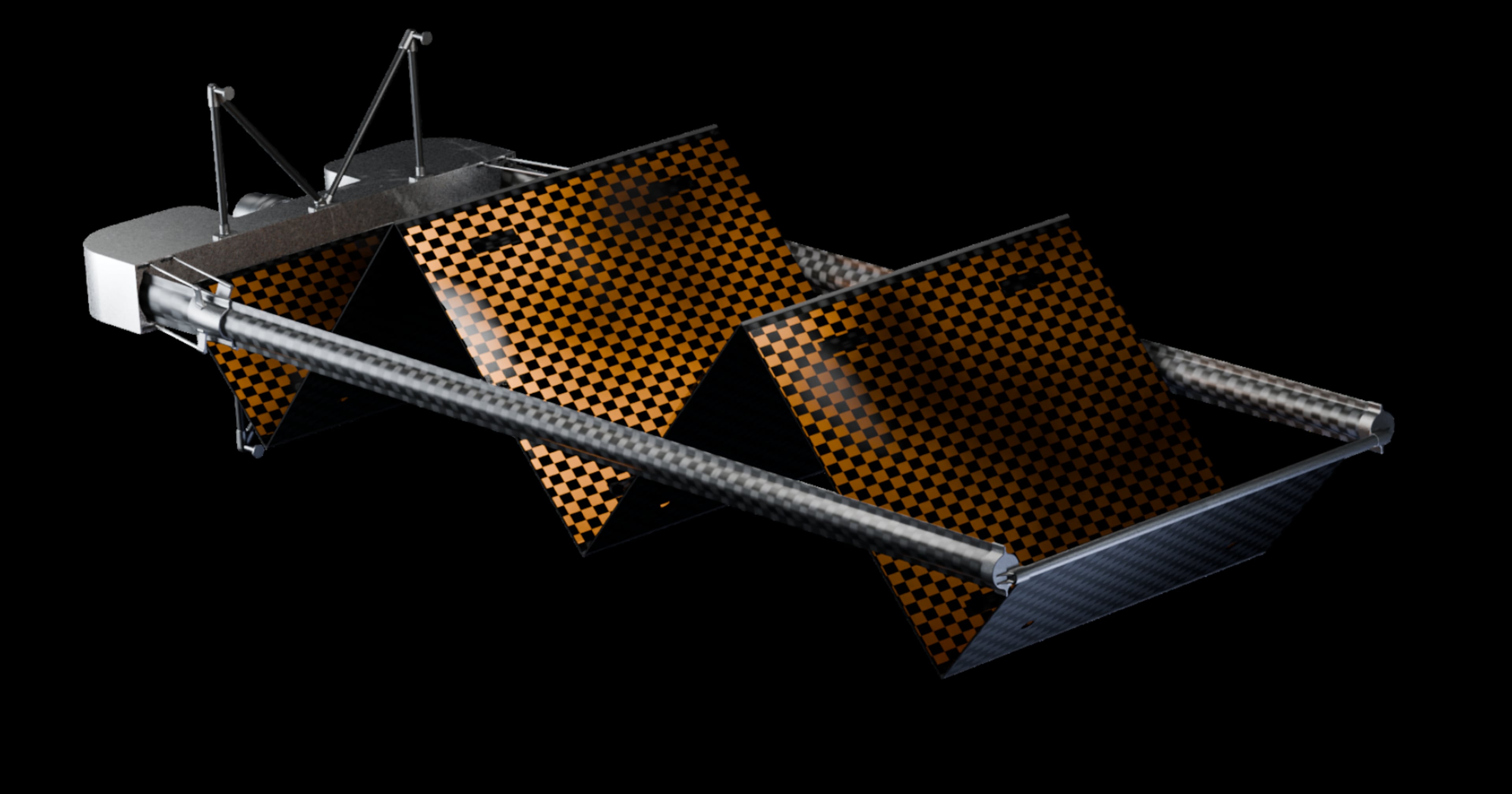
Atomic-6’s hardware contributions include its Light Wing solar arrays for electricity generation, its Hot Wing radiator systems for cooling and its Space Armor structures for debris protection.
“We can actually scale up and scale down according to the customer’s requirements and input already flight-proven hardware,” Smith said. “So we’re not trying to reinvent anything from a vehicle perspective.”

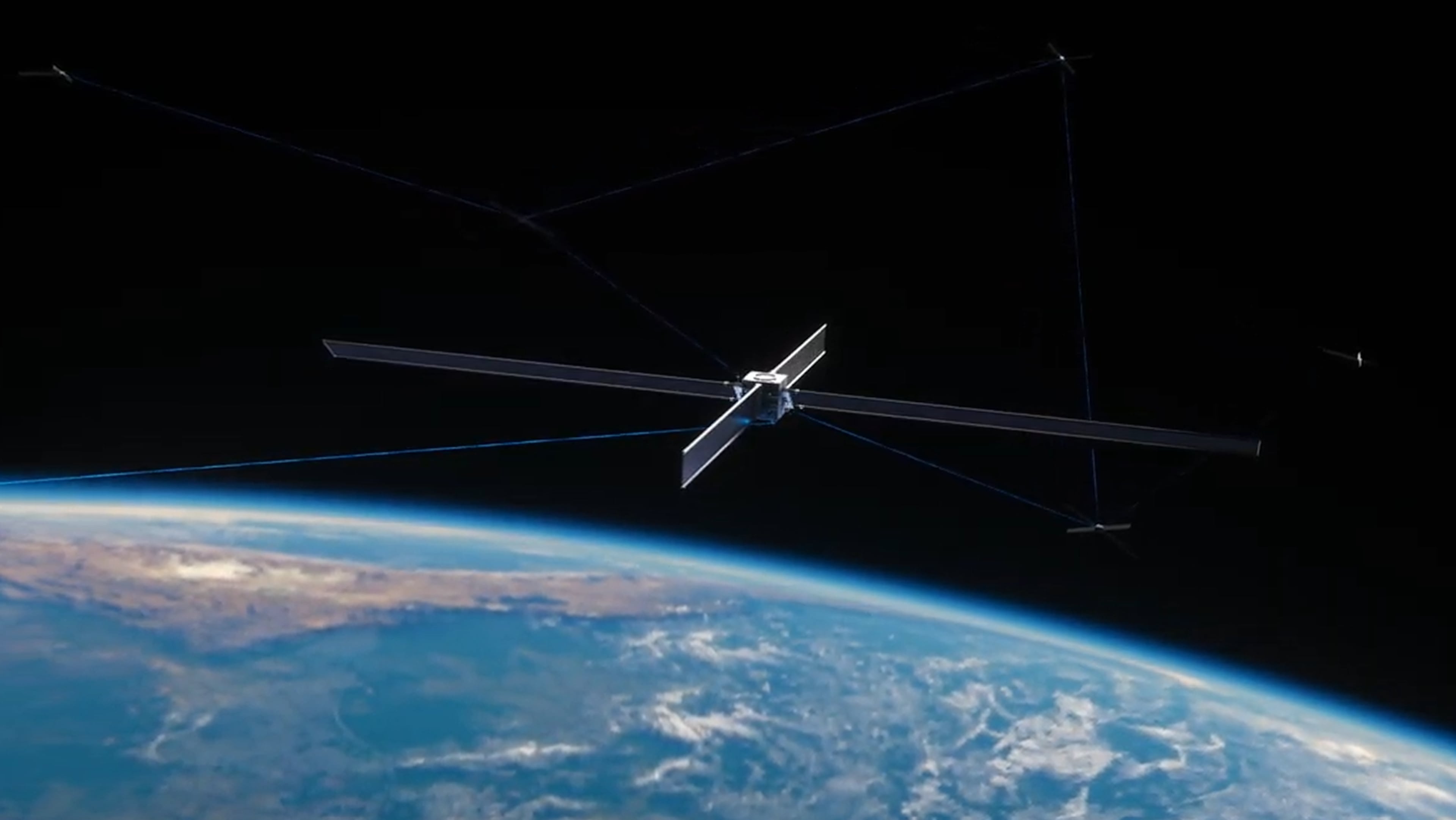
Connectivity is key for data centers on Earth, requiring fiber lines to transmit digital information to the outside world. From orbit, the data centers would be able to beam digital information to the ground using laser communications, similar to the high-speed internet service provided by SpaceX’s Starlink platform.
Both Elon Musk, founder of SpaceX, and Jeff Bezos’ space company Blue Origin have recently announced their own orbital data center projects. They made similar economic and feasibility arguments as Atomic-6. But there are skeptics, especially those who doubt the technology will be viable beyond niche uses.
“I strongly believe that there’ll be no way in the foreseeable future that space‑based data centers can replace ground data centers,” Claude Rousseau, a research director at satellite market tracker Analysys Mason, recently told Reuters.
Smith declined to discuss customer feedback he’s gathered so far aside from there being “some good interest.” He said customers that need global access could see better connection speeds than what’s possible on Earth, which typically requires undersea fiber cables to travel between continents.
Unlike their terrestrial counterparts, orbital data centers aren’t intended to be permanent.
“Once the satellite has reached the end of its life, just like any other satellite with a planned de-orbit, it comes down and burns up in the atmosphere,” Smith said.
About the Author

Zachary Hansen, a Georgia native, covers economic development and commercial real estate for the AJC. He's been with the newspaper since 2018 and enjoys diving into complex stories that affect people's lives.


