Atlanta may see a partial lunar eclipse during September’s supermoon

Get ready for a partial lunar eclipse and supermoon, all rolled into one.
The spectacle will be visible in clear skies across North America and South America Tuesday night and in Africa and Europe Wednesday morning.
It will be visible in Atlanta, weather permitting, beginning at 8:41 p.m. Tuesday and ending just after midnight, according to timeanddate.com. The peak of the eclipse will happen at 10:44 p.m. About the “weather permitting,” the forecast from WSB-TV is partly cloudy, and the hourly forecast on the AJC weather page includes clouds Tuesday night.
The moon is almost full now, but the official time of the full moon is 10:34 p.m. timeanddate.com says.
A partial lunar eclipse happens when the Earth passes between the sun and moon, casting a shadow that darkens a sliver of the moon and appears to take a bite out of it.
Since the moon will inch closer to Earth than usual, it’ll appear a bit larger in the sky. The supermoon is one of three remaining this year.
“A little bit of the sun’s light is being blocked so the moon will be slightly dimmer,” said Valerie Rapson, an astronomer at the State University of New York at Oneonta.
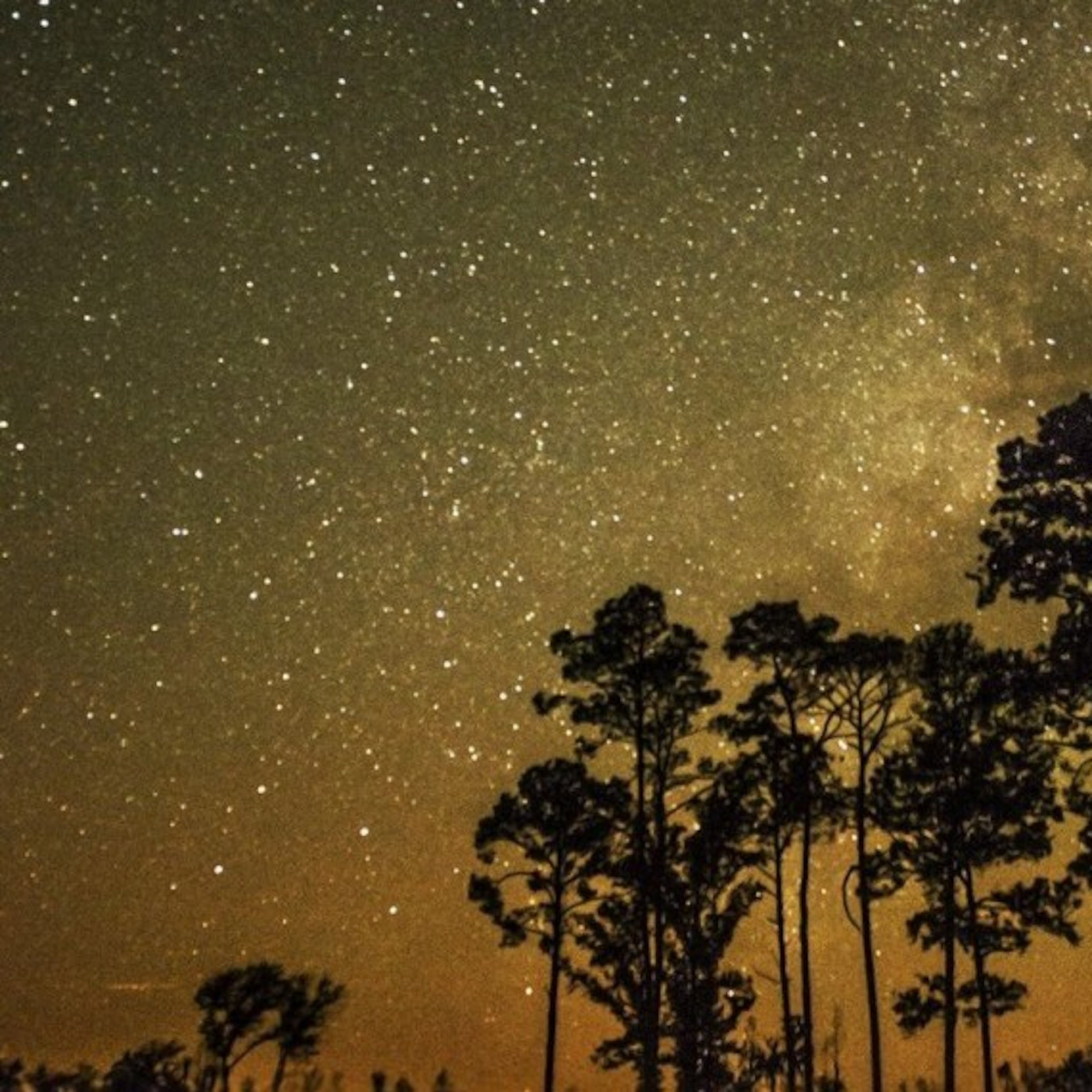
The Earth, moon and sun line up to produce a solar or lunar eclipse anywhere from four to seven times a year, according to NASA. This lunar eclipse is the second and final of the year after a slight darkening in March.
In April, a total solar eclipse plunged select cities into darkness across North America.
No special eye protection is needed to view a lunar eclipse. Viewers can stare at the moon with the naked eye or opt for binoculars and telescopes to get a closer look.
To spot the moon’s subtle shrinkage over time, hang outside for a few hours or take multiple peeks over the course of the evening, said KaChun Yu, curator at the Denver Museum of Nature and Science.
“From one minute to the next, you might not see much happening,” said Yu.
For a more striking lunar sight, skywatchers can set their calendars for March 13. The moon will be totally eclipsed by the Earth’s shadow and will be painted red by stray bits of sunlight filtering through Earth’s atmosphere.
—-
The Associated Press Health and Science Department receives support from the Howard Hughes Medical Institute’s Science and Educational Media Group. The AP is solely responsible for all content.
AJC inserted additional details about the view of the eclipse from Atlanta.