5 takeaways from the U.S. Senate debate


Democratic U.S. Sen. Jon Ossoff faced off against Republican challenger U.S. Rep. Mike Collins on Thursday in a debate highlighted by feisty disagreements on policy, from their votes on government spending to their views on President Donald Trump’s tariffs.
The candidates were testy out of the gate, with Ossoff saying Collins had brought dishonor to Georgia “through his personal bigotry and his widely documented ties to white nationalists,” adding that “he’s sold out Georgia in his pathetic, childlike devotion to Donald Trump.”
Collins returned fire by calling Ossoff a “radical” and an “extremist who’s voted for men to go in girls’ sports.”
The debate, hosted by Atlanta News First and broadcast to Gray Media TV stations across the state, is the first of two scheduled head-to-head matchups before the Nov. 3 election. The rules prevented the candidates from asking questions of each other. But Ossoff used a workaround several times. Often throughout the course of the hourlong debate he would say that voters deserved to hear Collins’ response on an issue.
“I’m not asking the congressman a question; I’m making a statement,” he told moderator Rick Folbaum.
Here are five takeaways from the debate:
1. Collins tried to tie Ossoff to the far left
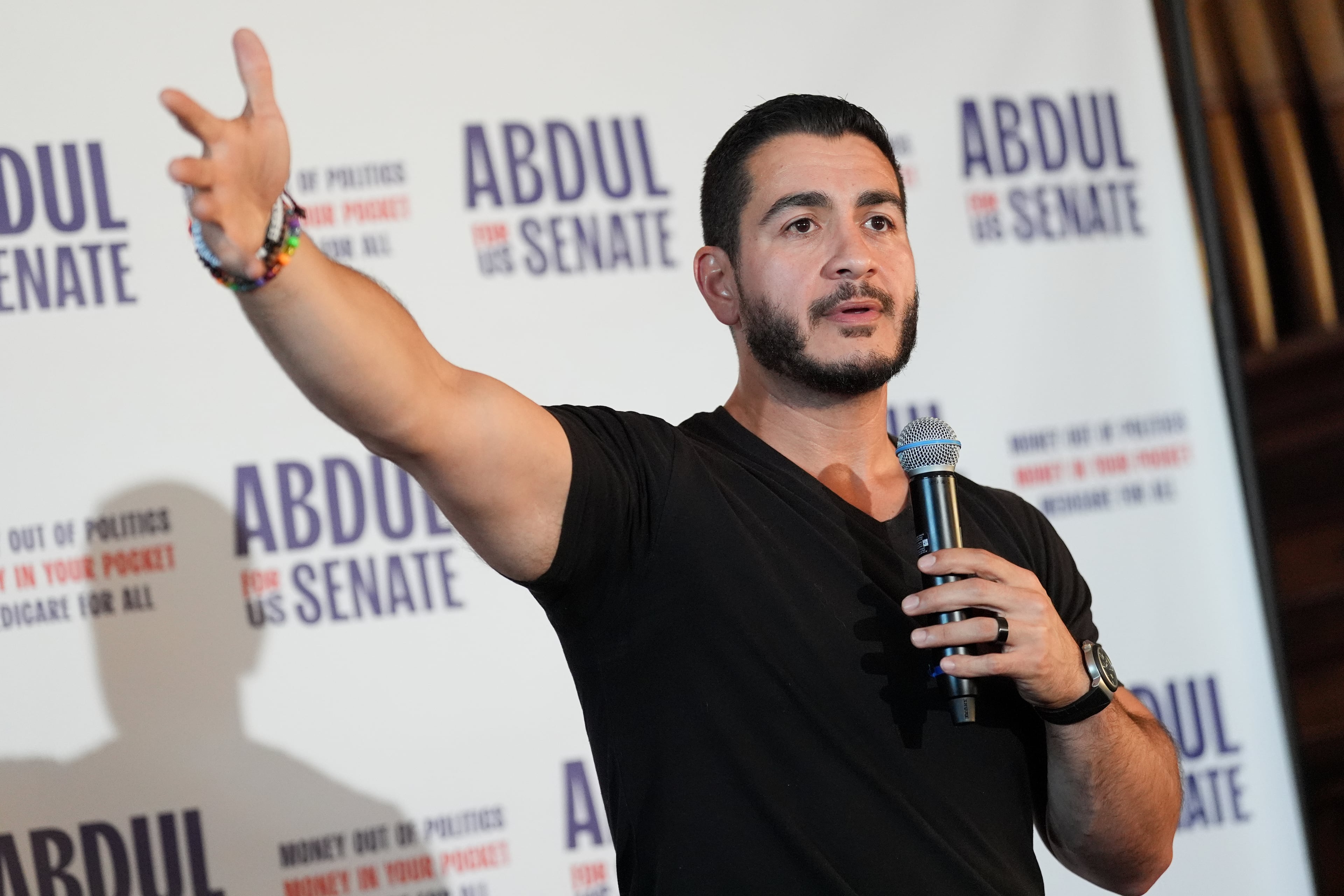
Collins repeatedly mentioned left-leaning podcaster Hasan Piker’s support of Ossoff and Abdul El-Sayed, the Democratic nominee for U.S. Senate in Michigan, whom Ossoff has endorsed.
Those associations disqualify Ossoff from being reelected, Collins said.
“He doesn’t represent us,” he said. “He wants to take control of this country with these weird and dangerous ideas with his radical friends.”
Painting Democrats as too liberal has been a common campaign tactic among Republicans, but it didn’t work six years ago when Ossoff and U.S. Sen. Raphael Warnock both beat Republican incumbents.
2. Collins and Ossoff both voted for the Laken Riley Act. They disagree on it now.
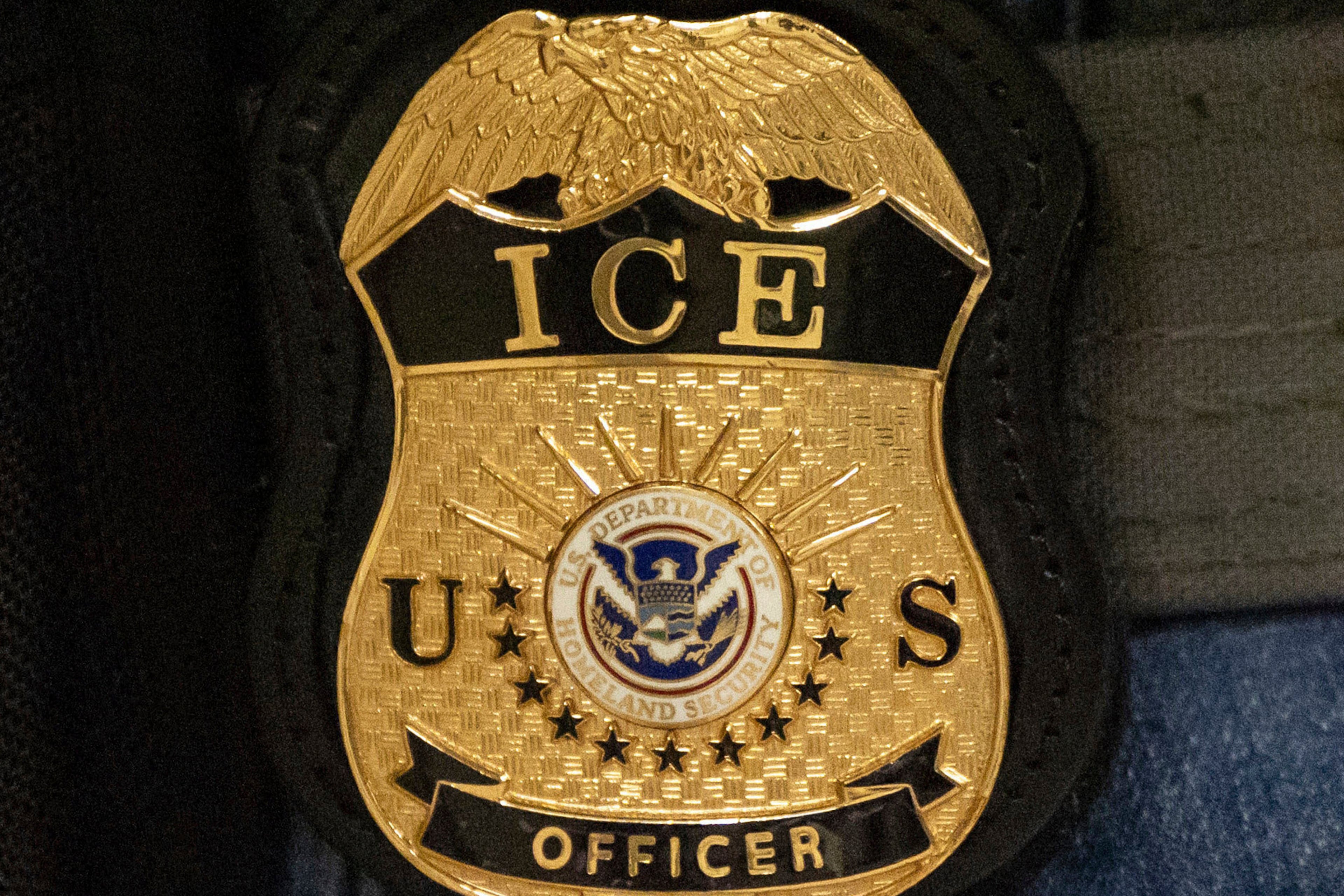
Collins heralded his most significant legislative achievement: the Laken Riley Act, named for the Georgia nursing student who was killed by a man living in the country illegally.
The law allows federal immigration officials to detain immigrants who have been charged with certain crimes. Ossoff voted for the bill. But Collins said he “didn’t lift a finger” to help him pass it.
“We have people in our jails right now on ICE detainers otherwise we would have had to let go and they would be right back out there in the public committing crimes,” he said.
Ossoff said the bill was supposed to “go after the worst of the worst,” but said “that’s not what they have done.” He said his office has documented 1,000 reports of human rights abuses in U.S. Immigration and Customs Enforcement detention facilities.
“These are human rights abuses that Mike Collins and Donald Trump bear responsibility for,” he said.
3. Collins downplays controversies, defends family

It was inevitable that Collins would be asked about his son-in-law, who lives on his property and has posted antisemitic and white nationalist commentary online. Collins did not criticize his son-in-law, but he said he has made his viewpoints clear.
“I’ve condemned racism, antisemitism and hate,” he said. “I don’t care where the source is, and I tell him that too.”
He said when it came to staffers in his orbit accused of problematic behavior online, he took decisive action.
“I fired them,” Collins said. “I got rid of them. Don’t need ‘em.”
He also downplayed the House Ethics Committee investigation surrounding his former chief of staff Brandon Phillips. Collins is also a target of the probe, but continues to say he did nothing wrong.
“That ethics complaint is bogus,” he said. “Anybody can file one. It is a nothing-burger.”
4. Both candidates justify their votes on healthcare spending

Democrats in Congress, including Ossoff, refused to approve government funding legislation last year because it did not extend subsidies that make health insurance cheaper for people who buy coverage through the Affordable Care Act exchanges.
Collins brought up those votes, saying Ossoff had voted to shut down the government and in the process delayed disaster relief funding for farmers impacted by Hurricane Helene.
Ossoff defended his position, saying Collins’ votes had raised health insurance premiums. He also highlighted Collins’ vote for the One Big Beautiful Bill Act, which he said put rural hospitals at risk by slashing Medicaid spending.
“A hospital in Mike Collins’ own district had to shut down its labor and delivery unit, citing those Medicaid cuts,” Ossoff said. “How can a sitting congressman vote to shut down a labor and delivery unit in his own district?”
Collins said the One Big Beautiful Bill Act, which Republicans have rebranded as the “working families tax cut plan,” included money specifically to help keep rural hospitals afloat. He said it was Ossoff who was out of touch with how healthcare costs were affecting Georgians.
Collins said Democrats were to blame for passing the Affordable Care Act under President Barack Obama.
“When you let the federal government take over healthcare, which is what at the end of the day Jon Ossoff wants to do to you, then this is what you get: you get high insurance, inflated prices, and you get hospitals that are closing every day,” Collins said.
5. Collins stands up for Trump tariffs, war in Iran
Collins spent a lot of time defending some of Trump’s unpopular policies, including the war in Iran and tariffs.
Collins said tariffs were “making it fair” for American businesses shipping goods from Georgia ports.
On the war in Iran, which has led to higher costs for gas, diesel and fertilizer used by farmers, Collins again defended Trump’s decisions.
“The president had every right to go in there and make sure that Iran does not get a nuclear weapon,” he said. “Iran doesn’t only want to decimate and kill Israel. They want us as well.”
Both of these issues are factors in Trump’s sagging approval ratings, as voters complain about rising prices. Ossoff said Collins will have to answer to voters for allowing them to continue.
“These tariffs have crushed families and small businesses and Georgia agriculture,” he said. “The war in Iran has sent gas prices near their all-time high.”