Voter Voices: metro Atlanta’s populous northern arc suburbs are gaining clout

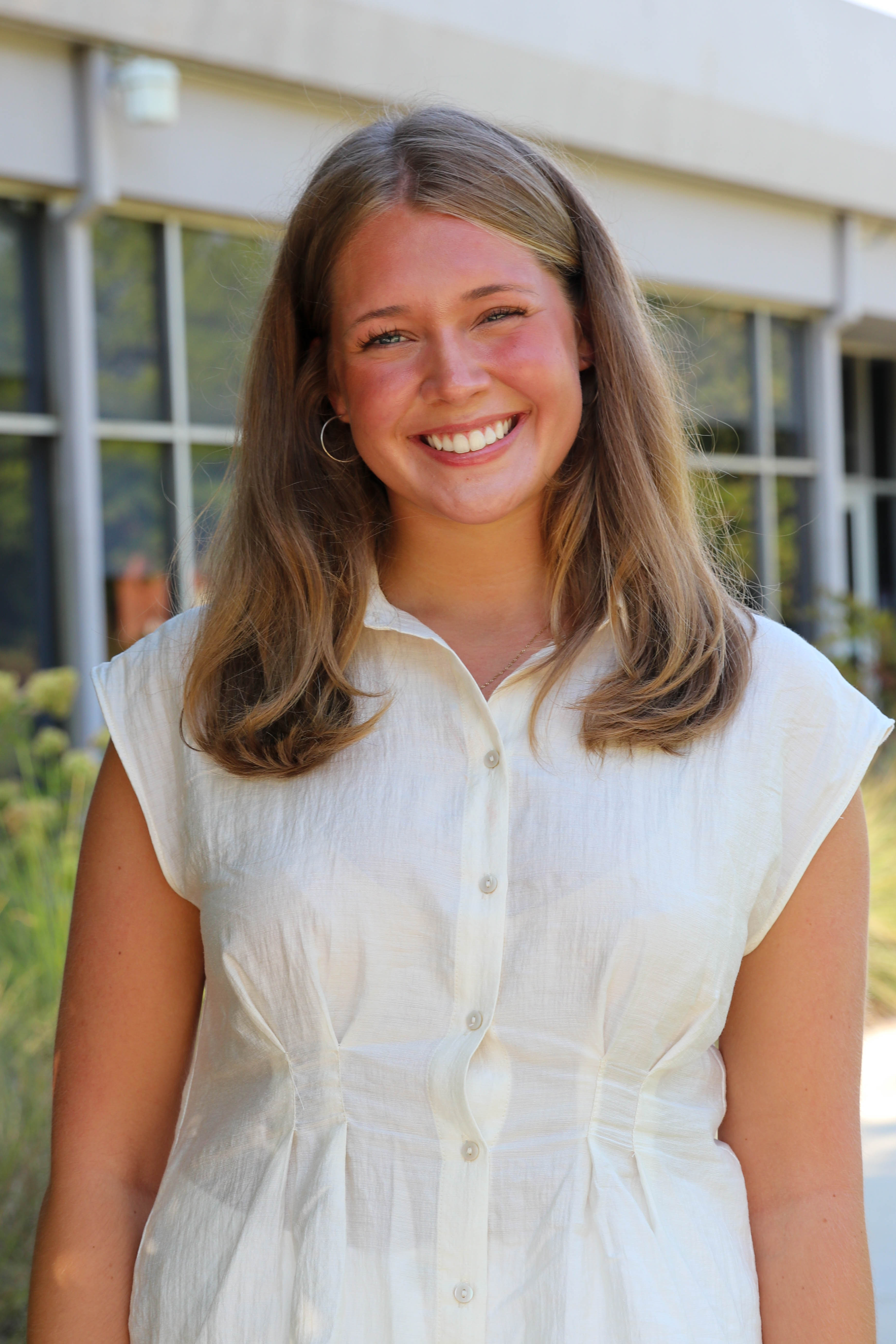
Merrie Soltis, a longtime Republican until the rise of President Donald Trump, is splitting her midterm ballot for Democrat U.S. Sen. Jon Ossoff and Republican nominee for governor Rick Jackson.
“I consider myself politically homeless,” she said. “Neither party wants my vote. The Republican Party is doing nothing to try to win me back. The Democratic Party is doing nothing to try to win me over.”
Soltis, 59, is one of six suburban voters who spoke to The Atlanta Journal-Constitution ahead of the midterms. She lives in Gwinnett County — one of metro Atlanta’s northern arc suburbs.
Metro Atlanta’s northern arc includes the parts of Cobb, DeKalb, Fulton and Gwinnett counties that are north of I-285 and U.S. Highway 78. Once Republican hotbeds, the northern arc suburbs have seen significant Democratic shifts. Democrats have won about 56% of the vote in this area in the last two presidential elections.
The area is home to more than 1.5 million voters and accounted for nearly 1 in 5 Georgia votes in the 2024 presidential election. Voters also cast ballots at a rate slightly higher than the state as a whole, 66% to 64%.
Soltis said she is “taking a gamble” that Jackson will be “slightly less bad” than Democratic nominee Keisha Lance Bottoms.
“And I’m voting for Jon Ossoff to put a check on Donald Trump,” she said.
Soltis represents a larger trend of split-ticket voting, which surged in 2022 when more than 200,000 voters cast ballots for both Republican Gov. Brian Kemp and Democratic U.S. Sen. Raphael Warnock.

Mike Shepard, a Republican in Gwinnett County, is another potential split-ticket voter. Shepard is voting for Jackson in the governor’s race but is undecided on the U.S. Senate race. He said his vote for Jackson is influenced in part by Bottoms’ decision not to seek reelection as Atlanta mayor in 2021.
“When there were rumors of corruption, and crime stats were going through the roof, (Bottoms) quit on the city,” Shepard, 61, said. “For that reason, I think she’s kind of disqualified herself in my view.”
He likes that Jackson is a successful businessman and is passionate about improving foster care. Plus, he aligns with Jackson’s views on reducing property taxes, leaving decisions on data centers up to local governments and finding an alternate solution to what he says are the “runaway costs” of expanding Medicaid, the government funded health insurance program for people with low incomes.
He feels like he hasn’t heard much from Ossoff or his Republican opponent, U.S. Rep. Mike Collins, but he knows he wants a candidate that unites people.
“Trump is a divisive figure, and I think we’re at a point in our country where we need someone that’s going to unite us the best we can despite our philosophical differences around policies,” he said. “I just don’t want another election to go by where we lose the opportunity to bring people together.”
Soltis said she has become disillusioned with both parties and is choosing who she believes is the lesser of two evils in the top races.
“I have a lot of concerns about Jackson,” she said, including that he tied himself to Trump during the primaries. “But I don’t think Keisha Lance Bottoms would be a good governor because she wasn’t a good mayor.”
Her biggest concern with Jackson is the more than $200 million he has spent on his campaign. Jackson reserved $87 million in television and digital ads earlier this year, which was the largest political ad buy in Georgia history.
“What exactly does he want that he is spending this much of his own money to get himself elected governor?” she said.
A blue wave in Cobb County?
Issues such as data centers, MARTA funding, license plate cameras, and LGBTQ+ and immigrant rights are motivating several Cobb County voters to show up for Bottoms and Ossoff.
College students Ben Perlman and Joshua Faulk, both Cobb County residents, worry about the cost of living.

“The gas station I live across the street from is $5 a gallon. I remember when I started driving, it was $2.50 and that was only two years ago,” Perlman, a freshman at Georgia State University, said.
Perlman said his parents had to sell their house to afford sending him to college, and he worries about being able to own a home himself one day. Faulk, a commuter student at Kennesaw State University, is feeling the economic crunch paying for his own gas, groceries and helping his parents pay the bills.
Top of mind for Brunessa Drayton, a mother of four who lives in Cobb County, is affordability, access to healthcare and election access.
She worries about the Trump administration’s push to restrict mail-in voting, which she says is the only way her son can vote while he is away at school. The U.S. Supreme Court recently blocked the effort to restrict absentee ballots, but Drayton is prepared to fly her son home so that he can vote in person if anything changes — yet another expense to worry about, she said.
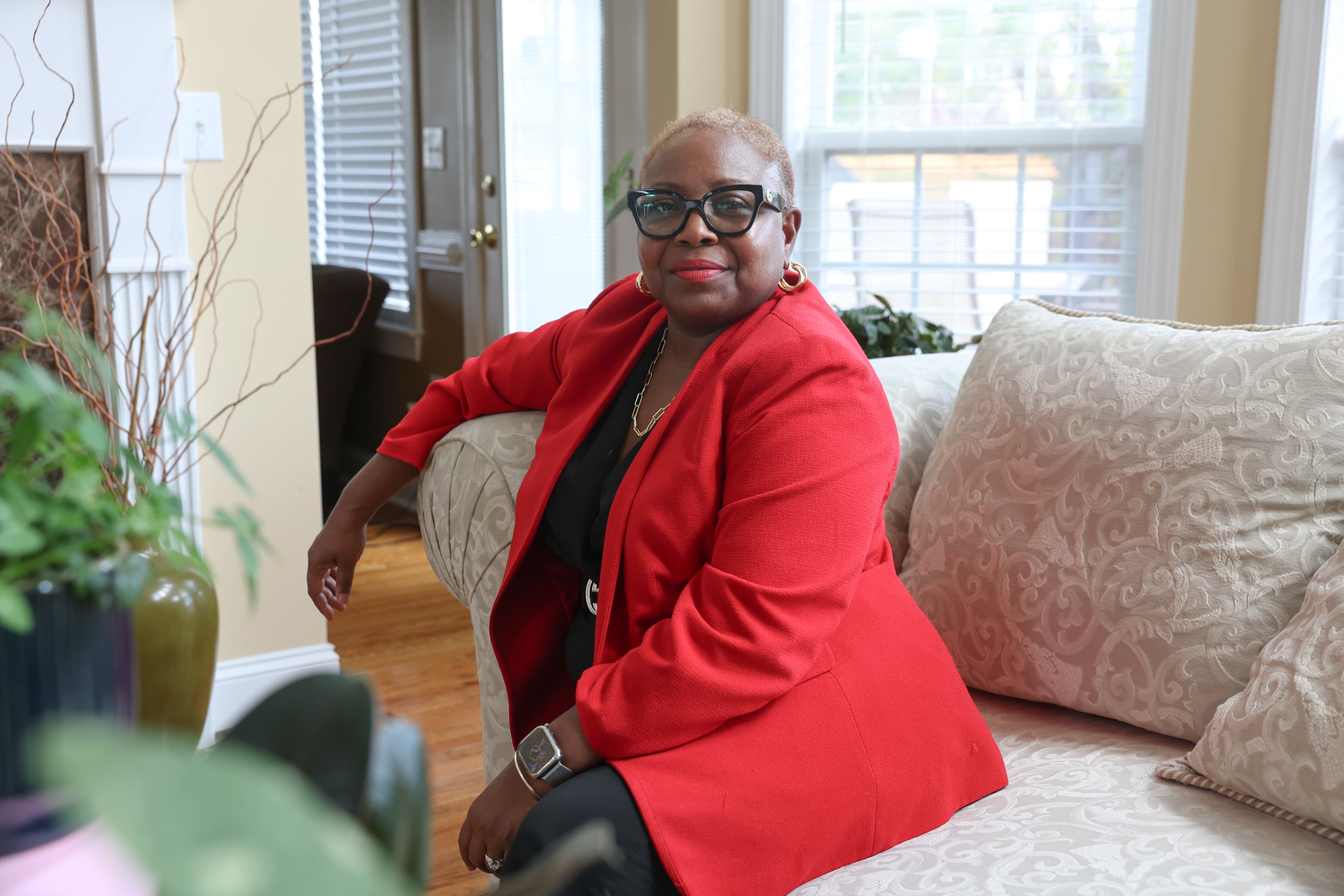
Jackson’s ties to Trump disqualified him as a viable candidate for some. Perlman — who was previously undecided in the governor’s race — said his vote for Bottoms is now a vote against Jackson.
“If (Jackson) has got this background that he does, where he comes from these systems — is he going to protect them and promote them like they deserve to be, or is he going to fight against them?” Perlman said, referring to the foster care and healthcare systems. “I’m afraid that he will (fight against them). And that’s just because of what the ‘Trump-ism’ would entail.”
Faulk is worried Jackson is too similar to Trump and might further his agenda, specifically on things like redistricting — which Democrats have cast as a GOP effort to dismantle majority-Black districts in Georgia.
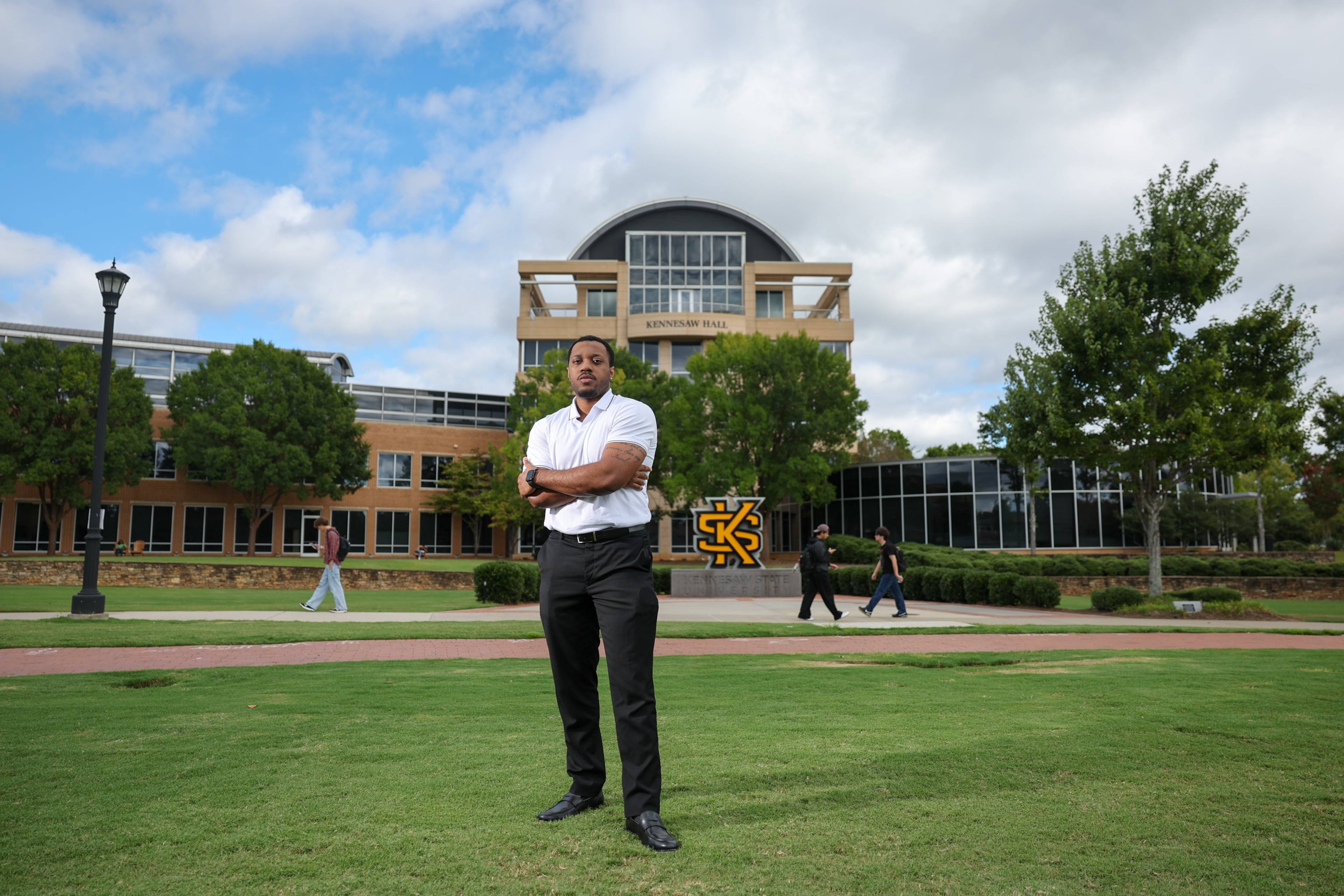
“I know (Jackson) is taking pictures in these Black communities saying how much he loves Black people but the moment he gets into office, I know they’re going to redistrict,” he said. “It’s going to be a slap in the face.”
Collins trails in Senate race
The Democratic, Republican and independent voters who spoke with the AJC about the U.S. Senate race were focused on Collins’ association with family and staff who have a history of troubling social media posts.
“Mike Collins is a white supremacist,” Perlman said. “There is just so much controversy ... he’s digging his own grave.”
Collins’ son-in-law, who lives on his property, has espoused neo-Nazi and white nationalist views on social media. Collins has fired staff members for other problematic social media posts, including an aide who wore a Ku Klux Klan robe and a staffer who mocked a rival political consultant.
Collins has condemned “any type of hate” and “all forms of antisemitism.”
Soltis doesn’t like Ossoff and thinks he’s too liberal to represent the state but says that he is better than the alternative.
“I’m not going to say that Mike Collins is a racist, but boy he sure has surrounded himself with them,” she said.
That is also a sore point for Jay Aldy, a Republican in Fulton County voting for Jackson. He is choosing to sit out the U.S. Senate race, voting for neither Ossoff nor Collins.
“I don’t need (Collins) to get to Washington and continue to make the same mistakes he’s making here of picking the same people over and over again,” he said. “It’s not hard to get a track record of the way someone thinks and acts.”
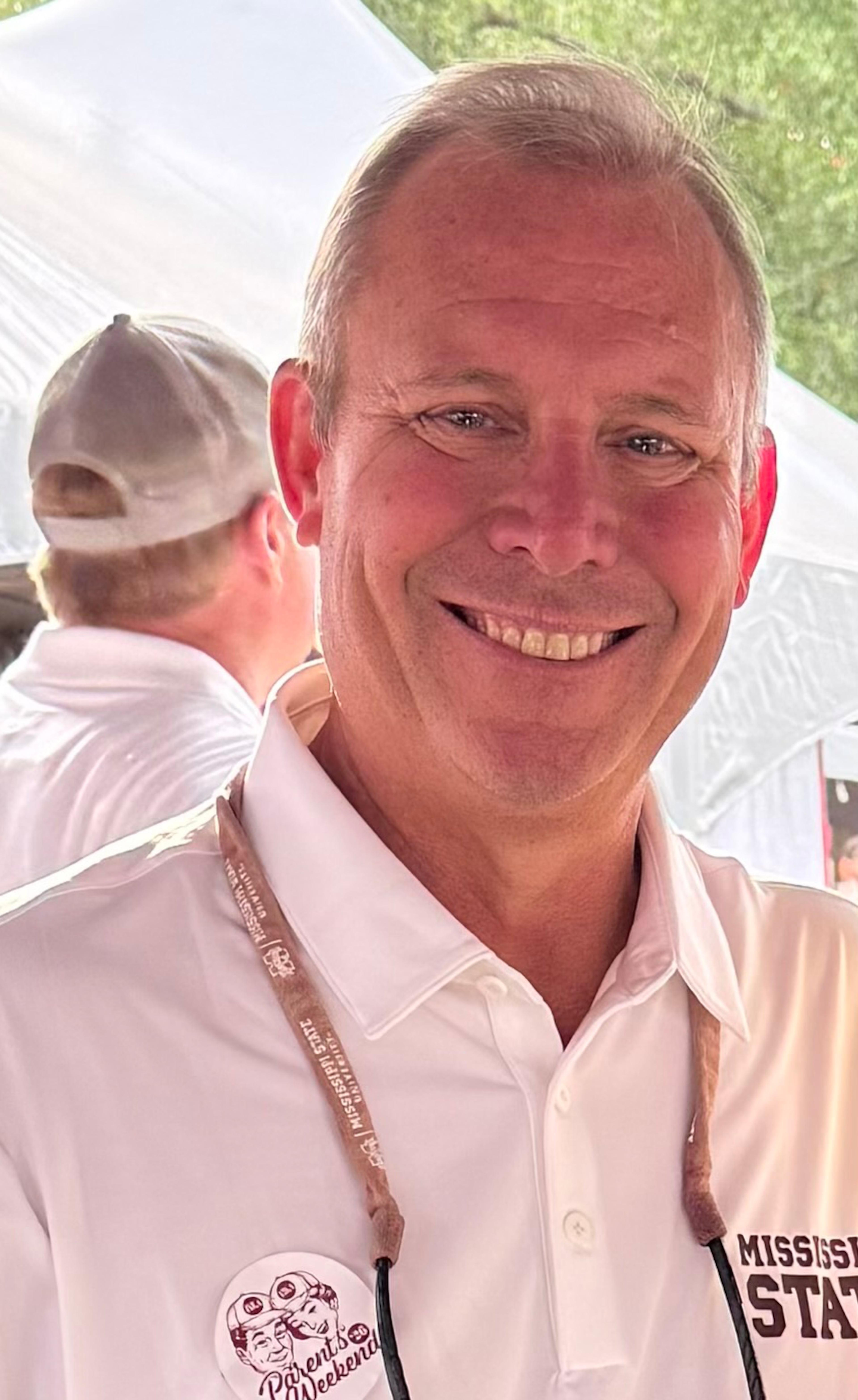
Conversely, Drayton and Perlman are excited to cast their vote for Ossoff. Perlman describes him as the “perfect” candidate: he’s young, energetic, relatable, likable and popular in a red state, Perlman said.
“(Ossoff) has been consistent about the work that he’s done for the state of Georgia regardless of whether you are a Republican or Democrat,” Drayton added. “He is about doing the work for all Georgians.”