Takeaways from downballot debates: Six Flags, unemployment and ‘explosive diarrhea.’

Georgia’s candidates for U.S. Senate and governor have gotten most of the attention this election season. But the down-ballot races still have plenty of drama.
Candidates for statewide offices, including the commissioners of agriculture, labor and insurance, all faced off during the second day of the Atlanta Press Club debates. Here are five takeaways from their debates.
Incumbents were more than happy to blame the state Legislature.
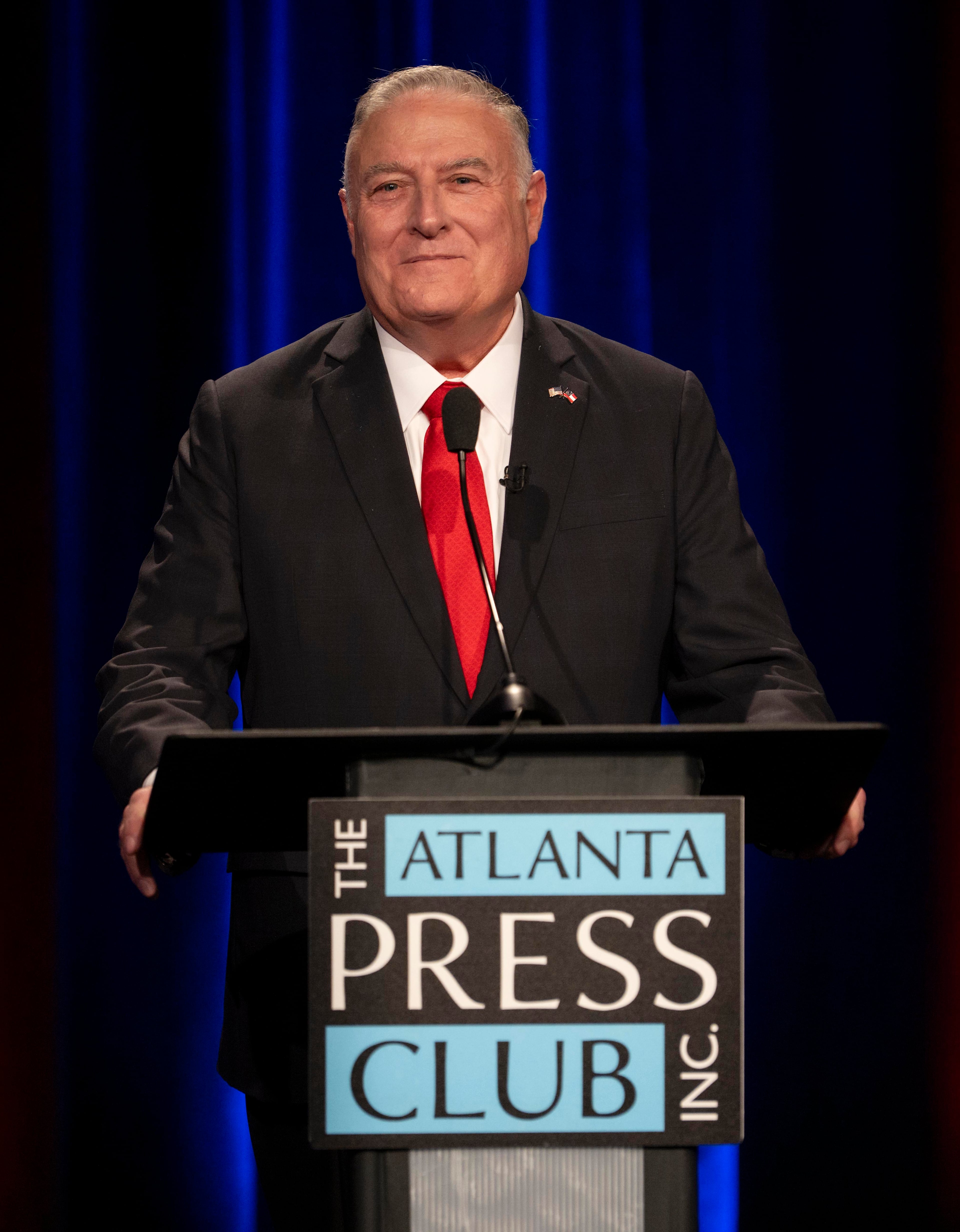
Statewide elected officials carry a lot of responsibility. But much of what they can do depends on state lawmakers letting them do it — something two incumbents were quick to remind voters during Tuesday’s debate.
“One of the things I realized very quickly when I became insurance commissioner is the whole authority had been taken away from the insurance department to intervene in rates,” Republican incumbent John King said in response to a question about rising insurance premiums.
King said he’s going to ask the Legislature to restore some of that authority, telling voters: “I’m not going to give up on that.”
Republican state School Superintendent Richard Woods used the same tactic when answering a question from his Democratic opponent, Lydia Powell, about using public tax dollars to pay for private schools.
The Republican-controlled Legislature passed a law offering families in struggling school districts up to $6,500 for educational expenses.
“This is a legislative decision,” Woods said. “My focus continues to be on making sure that we are fully funded in public education.”
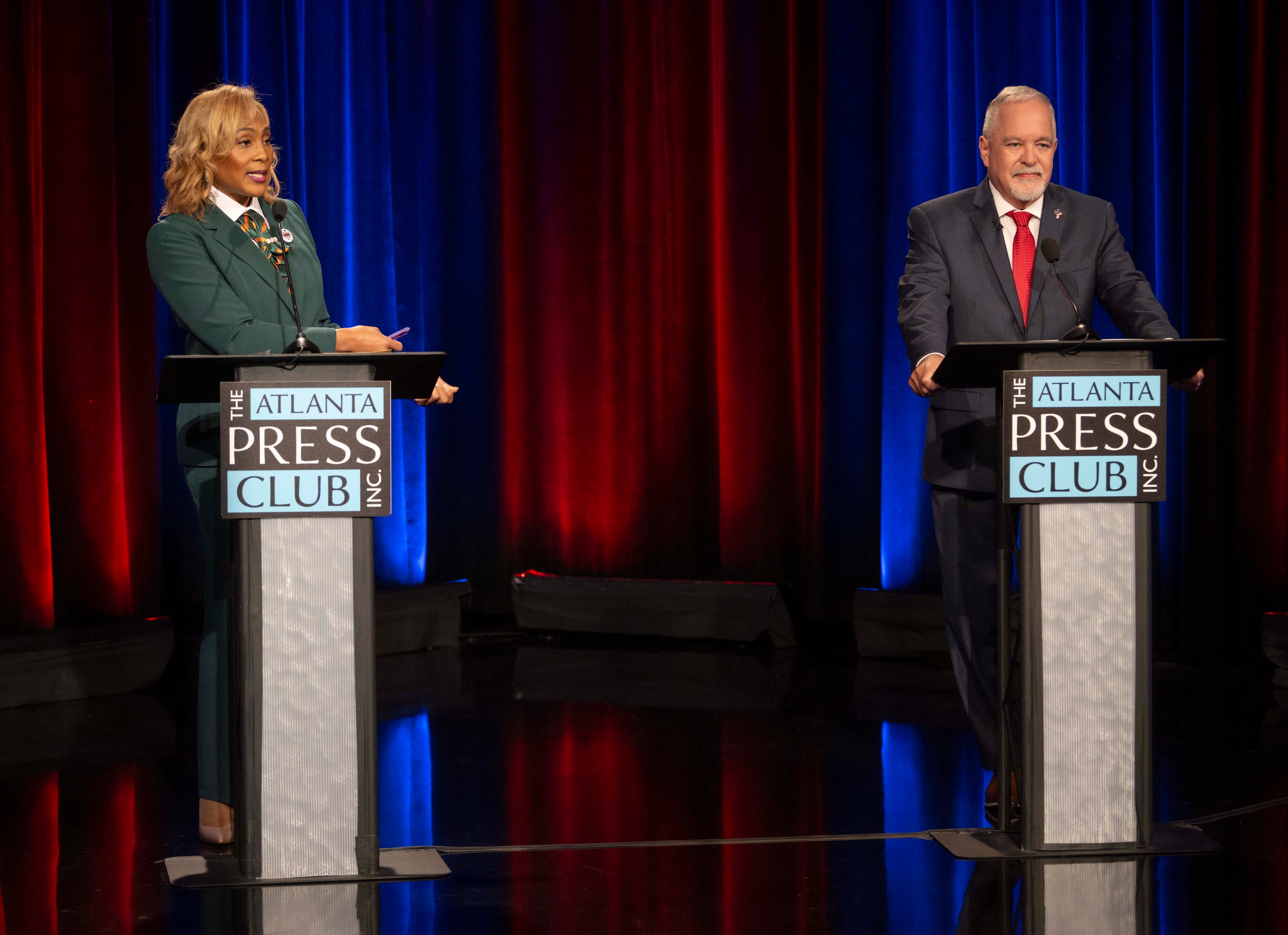
Six Flags becomes an issue in the race for insurance commissioner.
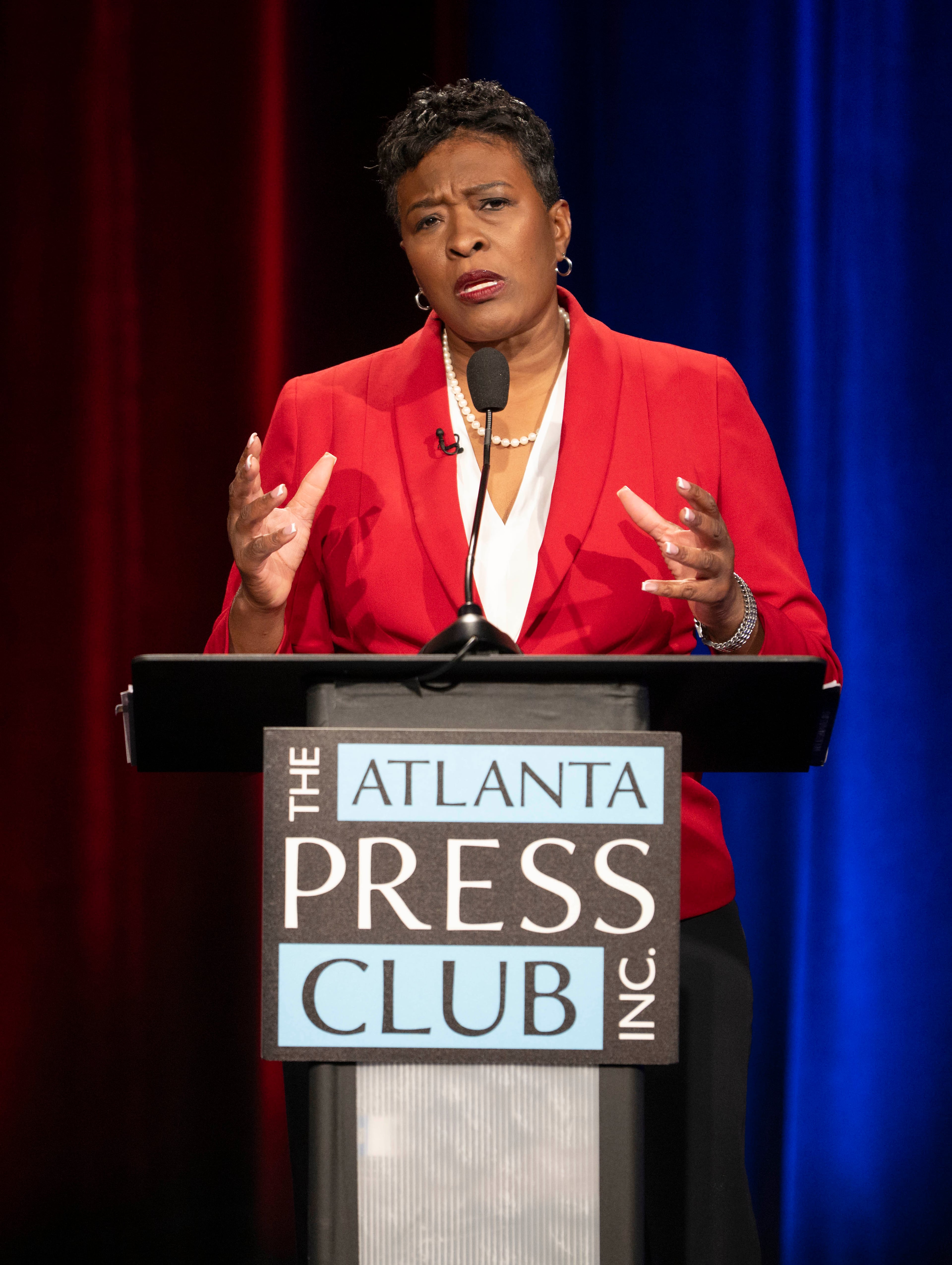
Most people associate the insurance commissioner’s job with health and auto policies. But the office is also responsible for regulating all amusement park rides in the state — a function that came under scrutiny after an Atlanta Public Schools employee died Monday after being ejected from a roller coaster at Six Flags Over Georgia.
King, the Republican incumbent, said his office inspected all rides prior to the beginning of the season. But he offered few other details, citing his offices’ open investigation.
“(Inspectors) are currently on the ground looking at every nook and cranny, conducting interviews and conducting a thorough review of what happened,” he said.
Democrat Keisha Sean Waites, a former state lawmaker and Atlanta City Council member, pledged that if she were elected “this will never happen again in the state of Georgia.”
How accurate are Georgia’s unemployment numbers?
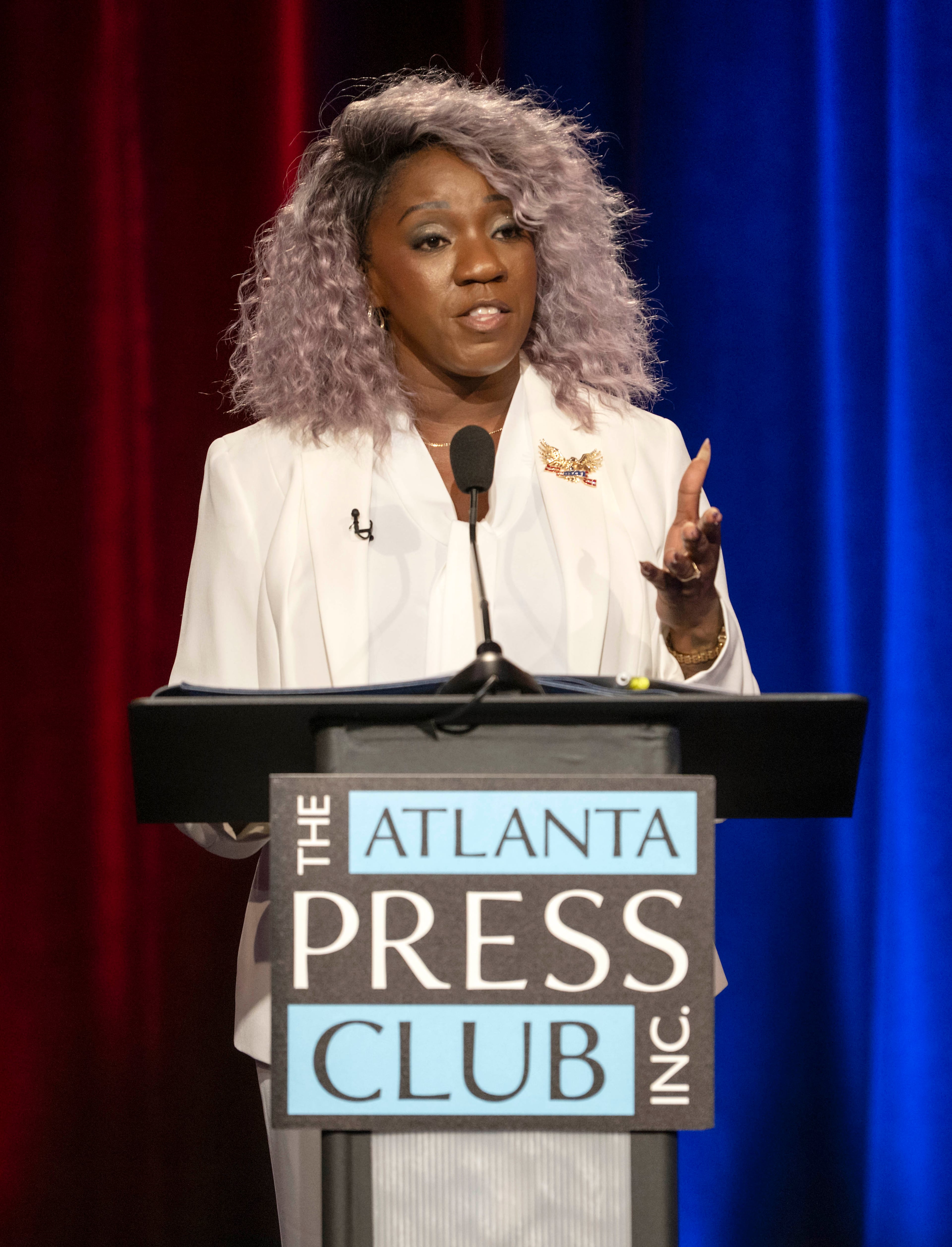
The 2020 election isn’t the only thing President Donald Trump complains is rigged. Last year, Trump fired Bureau of Labor Statistics Commissioner Erika McEntarfer after some poor monthly jobs reports.
The unemployment rate in Georgia was 3.2% in August, below the national rate. But job growth in Georgia has stagnated, with the state losing 7,300 net jobs in the 12 months that ended in August, the most recent data available from the Department of Labor.
But the turmoil at the federal level prompted Democratic nominee for labor commissioner Nikki Porcher to declare: “I don’t trust the numbers.”
The Republican nominee, Barbara Rivera Holmes, is seeking her first full term after being appointed to the office last year following the death of Bruce Thompson. She said it’s her job to know the data.
“Today, we have record labor force participation, record employment,” she said. “Unemployment is down to the lowest point in two and a half years, and we continue to grow jobs.”
Remember that ‘explosive diarrhea’ outbreak? It could be an issue in the agriculture commissioner’s race.
Georgia was one of many states this summer that grappled with an outbreak of cyclospora, microscopic parasites that cause a pretty rough intestinal disease. The outbreak prompted headlines of “explosive diarrhea” linked to iceberg lettuce.
Republican Agriculture Commissioner Tyler Harper said his office immediately informed people of the infection and worked with federal partners to ensure the food supply is safe.
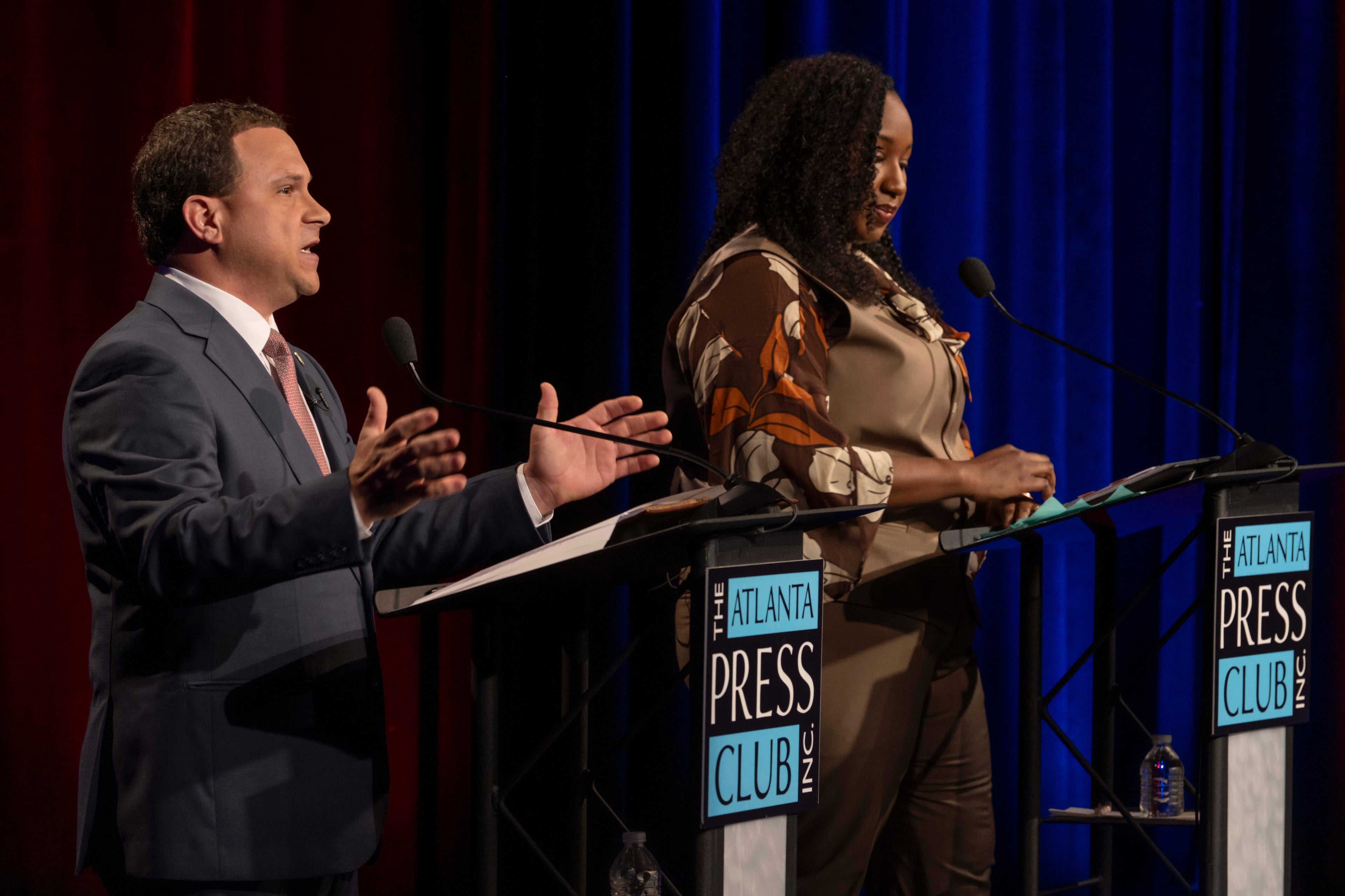
“It was not Georgia-grown product,” he said. “I think that’s the important distinction here.”
Democrat Katherine Juhan-Arnold pushed back, arguing “to say that it wasn’t tied to Georgia is false.”
“Food checks and public warnings are basic duties. When a recall effects Georgia, people need a clear warning. We need to know what product, what danger and what it could do,” she said.
National issues, like immigration, played a big role.
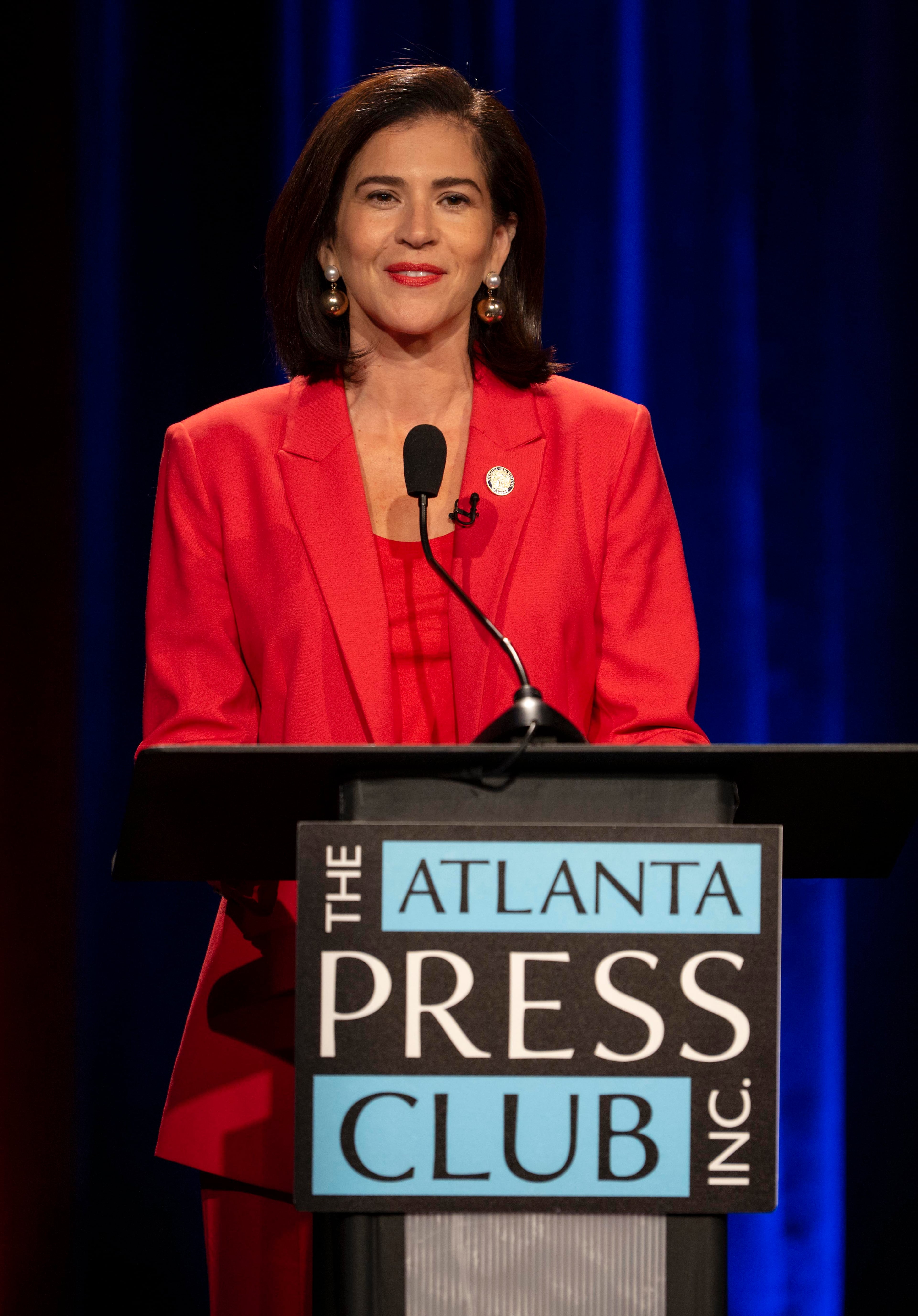
Georgia statewide elected officials don’t control or influence U.S. immigration policies. But that doesn’t mean they can’t argue about it.
In the labor commissioner’s race, Holmes, a Republican, is the first Latina to hold statewide office. She said the issue is “deeply personal” for her, noting she is a first-generation American whose “family fled Communist Cuba.”
“People all over the world come here because of freedom,” she said. “But America is also a nation of laws, and a nation without a secure border is not a nation at all.”
Porcher, the Democratic nomine, said people in Georgia deserve protection regardless of where they come from and raised concerns about workers’ fear around Immigration and Customs Enforcement activity.