Ossoff, Collins are millionaires. Here is how they manage their money.
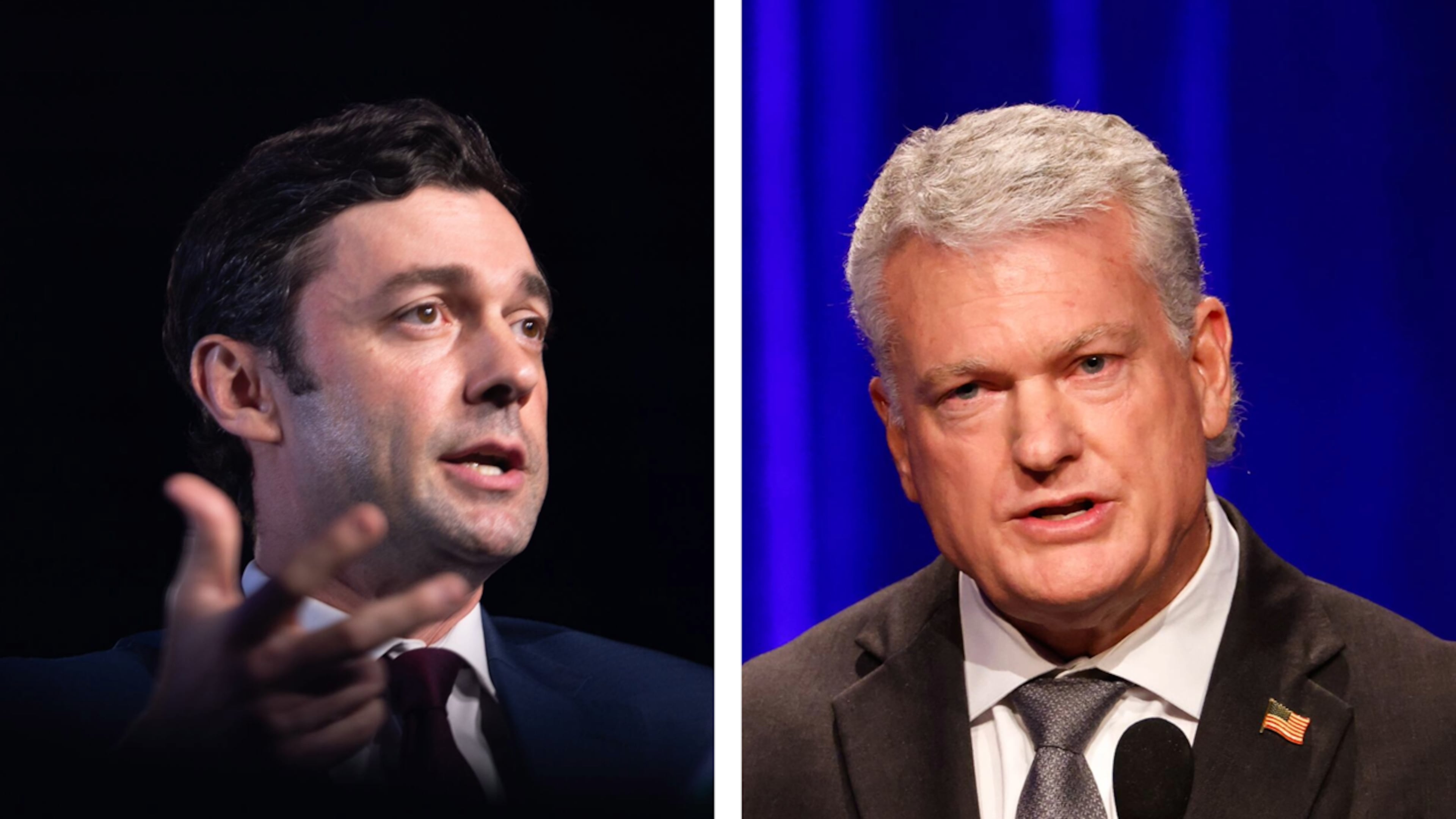


To hear his opponent tell it, U.S. Sen. Jon Ossoff is a “trust fund kid” who has “never had a real job in his life.”
In return, Ossoff describes U.S. Rep. Mike Collins as a “scandal piñata” whose active investment portfolio is part of the problem.
A look at their recently filed financial disclosures, covering the money they earned in 2025 and the debts they owe, provides more context to these campaign attacks.
Both Ossoff and Collins are multimillionaires. Both have much of that money in investments. But they manage their portfolios very differently.
For Collins, the aspect of his personal investments that has gained the most attention is his affinity for cryptocurrencies. Collins’ paperwork shows he continues to be an active cryptocurrency trader, reporting more than a dozen transactions last year.
However, it does not look like he made much money buying and selling shares of digital coins, and it is likely he has actually lost money.
Members of Congress are required to report their financial holdings and transactions using only broad ranges, so it is impossible to pinpoint their worth down to the dollar.
Federal law requires lawmakers to disclose their financial transactions, assets and debts, giving voters insight into their financial interests and connections. The law was intended to stop members of Congress from using insights learned while in office to inform the financial decisions, an illegal practice known as insider trading.
An Atlanta Journal-Constitution’s analyses of all crypto purchases and sales reported by Collins since he was sworn into office in January 2023 shows his net spending is between $68,026 and $495,000.
His current holdings are likely somewhere between $118,005 and $345,000.
He reported earning between $1,001 and $2,500 in crypto in 2025. A spokesman for Collins said the Jackson Republican plays the crypto market no differently than anybody else.
“Like millions of Americans, Rep. Collins has been a longtime supporter of digital currencies and decentralized finance, and his investments have been subject to the same market swings and volatility as everyone else’s,” spokesperson Meyer Siegfried said in a statement.
Ossoff has accused Collins of “hiding his crypto trades” and violating federal laws requiring members of Congress to disclosure financial transactions within a certain amount of time once they are made. Ossoff’s staff points to an online report from 2023 that showed two instances where Collins filed paperwork late: one by two days and the other tardy by nearly a month.
Collins’ team said minor errors he already owned up to are now being used to make political points.
“Two transactions were inadvertently filed after the reporting deadline in 2023,” Siegfried said in a statement. “Both transactions were publicly disclosed to Georgians and the required late fee was paid. Any suggestion that Mike attempted to hide the transactions is false and a desperate smear.”
Collins, who hopes to unseat incumbent Ossoff in November, also has more traditional investments in his portfolio, including IRAs and 401(k) accounts. His trucking company, Collins Family Enterprises, is worth as much as $25 million, and his income from that business is between $100,001 and $1 million.
Ossoff keeps most of his fortune in a blind trust, making good on a campaign promise to put his investments in an account where he has no control or knowledge of how the money is invested.
His blind trust currently has a value between $1 million and $5 million, and it earned the Atlanta Democrat somewhere between $100,001 and $1 million in 2025.
Ossoff also has cash reserves in a mutual fund worth up to $100,000, and owns a small amount in State of Israel bonds, worth between $1,001 to $15,000, representing gifts from family members received when he was a child.
His wife, Dr. Alisha Kramer, has money invested in several exchange-traded funds, mutual funds and retirement funds. But none of them are generating much income as of now.
Collins’ wife, Leigh Ann, also has money invested in IRAs and 401(k) retirement accounts.