Do not fear: Georgia elections are working. Your votes are the key.
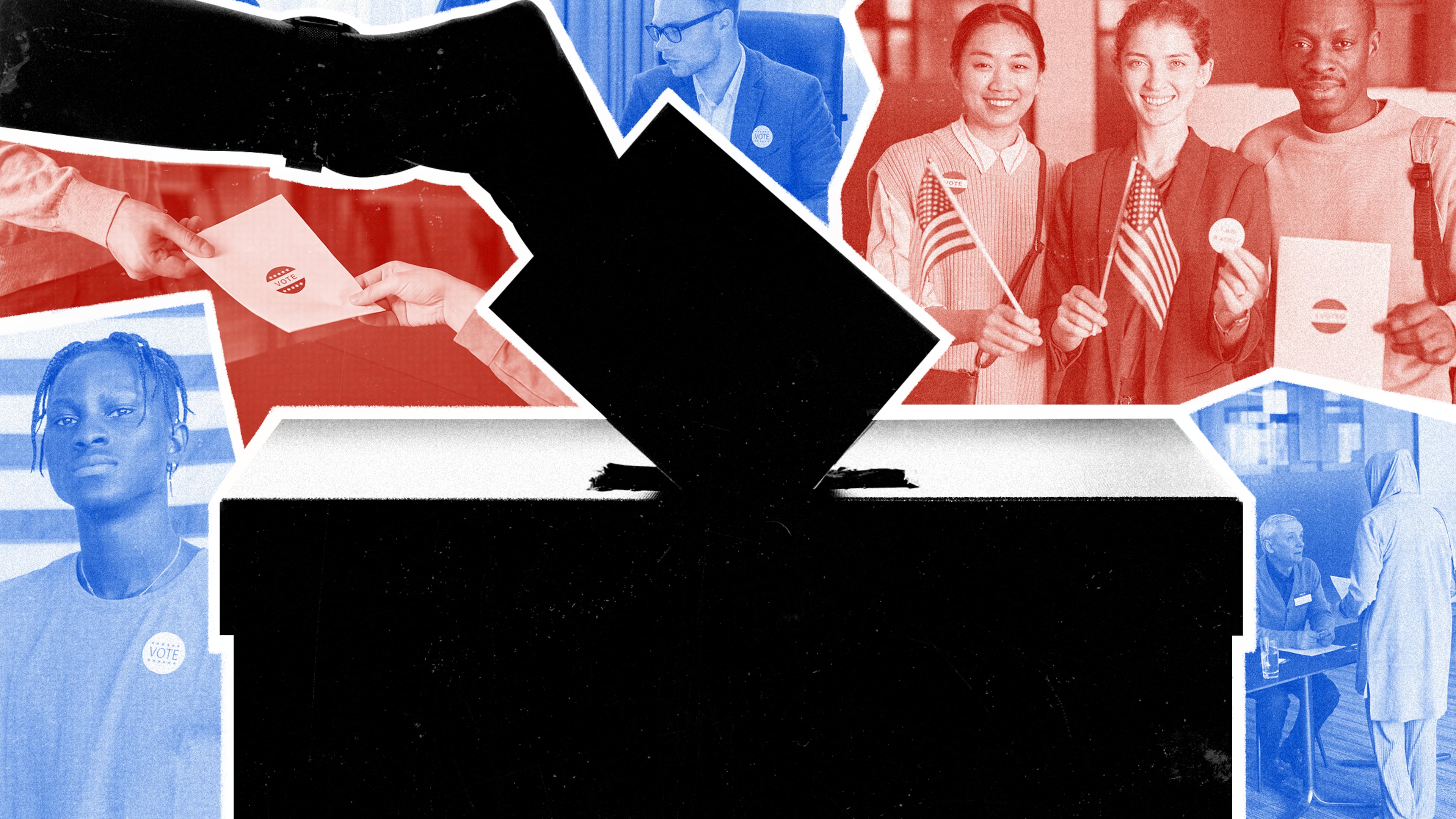
As we talk with voters and election officials in Georgia, there is a sense of dread about the upcoming election.
Scrolling through your feed of choice, you’ll encounter panicked posts and news updates, all while political ads blare nonstop. We get why people feel worried. But as election experts, what concerns us most is that voters will stay home because they believe voting is unsafe or that their votes don’t matter.
When we look at what’s actually happening during voting, we see a record-breaking number of Georgia voters who have already safely and conveniently cast their ballots. More than 1.3 million Georgians have voted early as of Oct. 22 — which is nearly 17% of the state’s registered voters — with Election Day still more than a week away.
Yet the dread that people feel is no accident. Over the past 21 months, we’ve seen unprecedented attempts to sow distrust in elections, especially in battleground states like Georgia.
This administration has unsuccessfully pursued sweeping unconstitutional changes to election procedures, sought sensitive voter data from states, threatened election officials with prosecution, and initiated investigations into past elections like the FBI raid on Fulton County. The cumulative effect is unmistakable: to create uncertainty and sow distrust.
Here’s what will deter election interference


Yet the fact is that these efforts have repeatedly encountered the limits imposed by our Constitution, our courts and the decentralized system of election administration that has served this country for generations.
For all the bluster and the noise, there has been virtually no impact on how the states run elections.
But that doesn’t make concerns feel any less real.
Now we are seeing attempts to amplify narratives that imply the act of voting could be pointless, or inconvenient, or worse, dangerous.
Will there be U.S. Immigration and Customs Enforcement or troops at the polls? Will the feds march into election offices and seize ballots?
Will Congress refuse to seat duly elected members?
We have significant legal protections against these unlikely scenarios, and if an isolated case happens, courts will shut it down. But those scared of the voters would like nothing more than for us to believe it might happen, perhaps causing some voters to stay home.
Another rumor? That delays in announcing results are a sign of fraud. Here in Georgia, we will not know the results of every race when the polls close in all 159 counties. Confirming results in closely contested elections takes time, and that is a good thing.
Local and state officials have always shown up

The reality is that for nearly 250 years, the United States has held federal elections through Civil War, two world wars, pandemics, natural disasters and other national emergencies.
We have never once canceled or postponed a federal election because thousands of state and local officials carry out their responsibilities, often without recognition and under difficult circumstances.
And they’re doing it again.
The highest nationwide turnout we’ve ever seen in a modern midterm election is 50% of eligible voters in 2018.
We are on pace to break this record in 2026, and that’s worthy of celebration.
So, in this, our 250th year as a nation, let’s resolve to celebrate that history by voting with confidence. Be another voice to counter election misinformation. Make a plan to vote, early if possible. Recruit others to vote, even those who may disagree with you. Respond to the fearmongering with joy and high turnout. And finally, when the election is said and done, respect the results, even if your preferred candidate did not win.
Well, one last thing: When you vote, thank your poll workers. They deserve it, and they need to hear it.
Paige Alexander is CEO of The Carter Center, founded by former U.S. President Jimmy Carter and first lady Rosalynn Carter to advance peace and health worldwide.
David Becker is the executive director and founder of the nonpartisan nonprofit Center for Election Innovation & Research and is a former trial attorney with the Voting Section of the U.S. Department of Justice’s Civil Rights Division.
Gabriel Sterling is a senior fellow at Secure Democracy and the former chief operating officer and chief financial officer in the office of the Georgia Secretary of State.
On Oct. 29, “Politically Georgia: The Final Tally,” a three-part podcast series from The Atlanta Journal-Constitution and the Pulitzer Center, premieres, examining how Georgia became the epicenter of the fight over election administration, public trust and democracy. You can listen here.
Send letters to the editor of 250 words or fewer with your name, city or town and contact information to letters@ajc.com.