Black-Jewish community dinners show how to build bridges in a polarized time
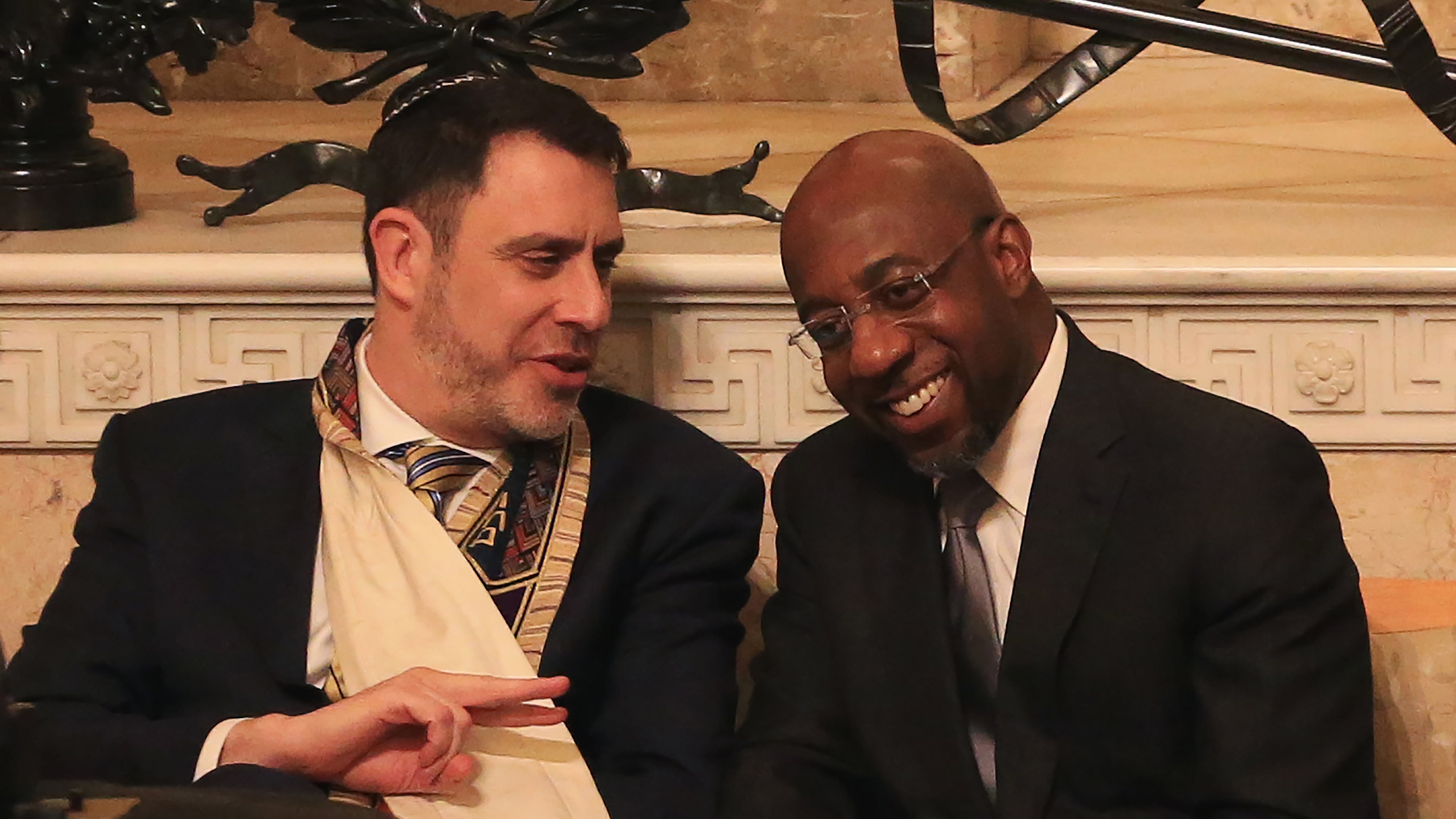
April 22 was an evening I will never forget.
That night, nearly 500 people gathered at The Temple, the oldest synagogue in Atlanta, for a remarkable Black and Jewish America Fireside Chat featuring renowned literary critic, professor and filmmaker Henry Louis Gates Jr. and Michael L. Lomax, president and CEO of UNCF (United Negro College Fund).
Students, elected officials, and community leaders from across metro Atlanta — including Clark Atlanta University, Georgia State University, Emory University, Spelman College and Morehouse College — came together for what felt like more than an event.
It felt like a reaffirmation of hope.
As a Black and Jewish American, and as someone who has spent much of my professional and political life building dialogue between these communities through my organization, Black and Jewish Leaders of Tomorrow, it was one of the proudest moments of my life.
Following the fireside chat, UNCF hosted a special unity dinner that created a meaningful space for conversation, reflection and genuine human connection. The evening highlighted the rich history and shared experiences of Black and Jewish communities while reminding us how urgently this work is needed today.
Intentional spaces for dialogue can transform relationships
At the center of this effort is the Tikkun Olam Initiative, a collaboration I have organized between UNCF, the Blue Square Alliance Against Hate founded by Robert Kraft, and Hillel International. The initiative connects students from historically Black colleges and universities (HBCUs) with students from Hillels at predominantly white institutions (PWIs).
Since launching in 2024, the program has focused on building cross-cultural understanding and cultivating a new generation of leaders committed to justice, empathy and equity.
“Tikkun olam,” a Hebrew phrase meaning “repairing the world,” reflects the Jewish tradition of taking responsibility for improving society and confronting injustice. That spirit is central to this initiative.
Through immersive experiences, dialogue and collaborative learning, students are encouraged to build authentic relationships while exploring both the historical and contemporary challenges faced by Black and Jewish communities.
Participants confront difficult truths about hate and discrimination, but they also discover stories of resilience, advocacy and shared struggle. In many ways, they begin to see that the histories of our communities are deeply interconnected.
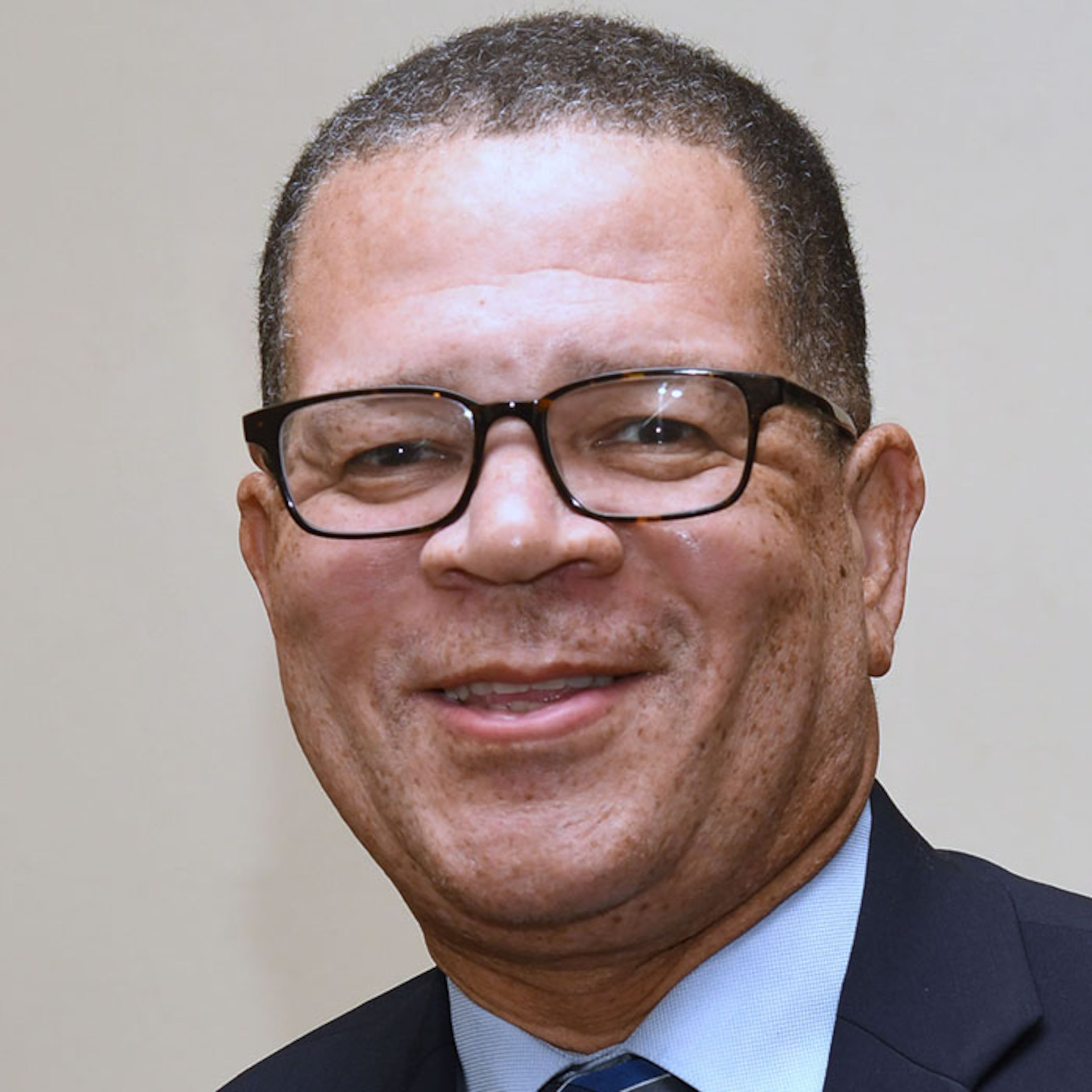
Through this partnership, UNCF, the Blue Square Alliance Against Hate and Hillel International have hosted unity dinners across the country, bringing together hundreds of HBCU and Hillel students to strengthen Black-Jewish partnerships. After reaching more than 600 students in 2025, the initiative is expected to engage more than 2,100 students in 2026.
These dinners demonstrate how intentional spaces for dialogue can transform relationships and empower students to lead with empathy, courage and vision. Every conversation helps strengthen the foundation for long-term allyship and collective action.
With rising antisemitism and anti-Black racism, relationships matter

The relationship between Black and Jewish communities has deep roots in American history, shaped by shared struggles against systemic oppression and a mutual commitment to civil rights. During the Civil Rights Movement, Jewish activists stood shoulder to shoulder with Black leaders in the fight for equality and justice.
The legacy of figures like Jacob Rothschild, senior rabbi of The Temple; and Abraham Joshua Heschel, who marched alongside Martin Luther King Jr., reminds us of the moral power of solidarity. Yet in today’s climate of rising polarization, antisemitism and anti-Black racism, it is more important than ever to revisit those relationships and recommit ourselves to our shared humanity.
The unity dinners provide more than a social gathering. They create opportunities for education, empathy and action. By sitting at the same table and sharing personal stories, students can challenge misconceptions, better understand one another’s experiences and recognize the common values that unite them.
In a time marked by growing intolerance, these conversations matter. By building relationships rooted in trust and understanding, participants become better equipped to confront hate in all its forms.
This trilateral partnership also underscores the importance of collaboration across cultural and institutional lines. When communities work together, our collective voice becomes stronger and our impact becomes greater.
Equally important, engaging Black and Jewish college students in these discussions empowers the next generation to lead differently. Young people have the capacity to shape a future that is more inclusive, compassionate and just than the one they inherited.
Robert Kraft’s involvement in this initiative reflects the importance of leadership in driving social change. Through philanthropy and public engagement, he has consistently supported education and community-building efforts. His support for the Unity Dinners sends a powerful message: Unity is not simply an ideal. It is a necessity.
Listening and respect lead to growth and healing
The Blue Square Alliance and Hillel International also bring critical resources, networks and support to ensure these conversations continue long after the dinners end.
Of course, this work is not without challenges. Honest dialogue requires vulnerability, patience and openness. Historical pain and contemporary tensions can make these conversations difficult. Some people may understandably approach them with skepticism.
But when people are willing to listen with respect and engage with sincerity, those challenges can become opportunities for growth and healing.
UNCF’s partnership with the Blue Square Alliance and Hillel International stands as a powerful example of what collaboration can accomplish in difficult times. As Black and Jewish students gather for unity dinners across the country, they are helping model a path forward for the broader community.
This initiative reminds us that unity is not the absence of disagreement; it is the presence of compassion, empathy and shared purpose.
At the American Jewish Congress Convention in 1958, Dr. Martin Luther King, Jr. captured this bond beautifully when he said:
“My people were brought to America in chains. Your people were driven here to escape the chains fashioned for them in Europe. Our unity is born of our common struggle for centuries, not only to rid ourselves of bondage, but to make oppression of any people by others an impossibility.”
At a moment when polarization and intolerance continue to rise, efforts like the Unity Dinners offer a different vision — one grounded in understanding, solidarity and hope.
The time for action is now. We must continue building bridges, creating spaces for dialogue and fostering relationships that transcend division. Together, we can help shape a society where empathy overcomes hatred and where our shared humanity is stronger than the forces that seek to divide us.
John H. Eaves, an Atlanta Journal-Constitution contributing columnist, is a former Fulton County Commission chairman and a senior instructor in the Department of Political Science at Spelman College.