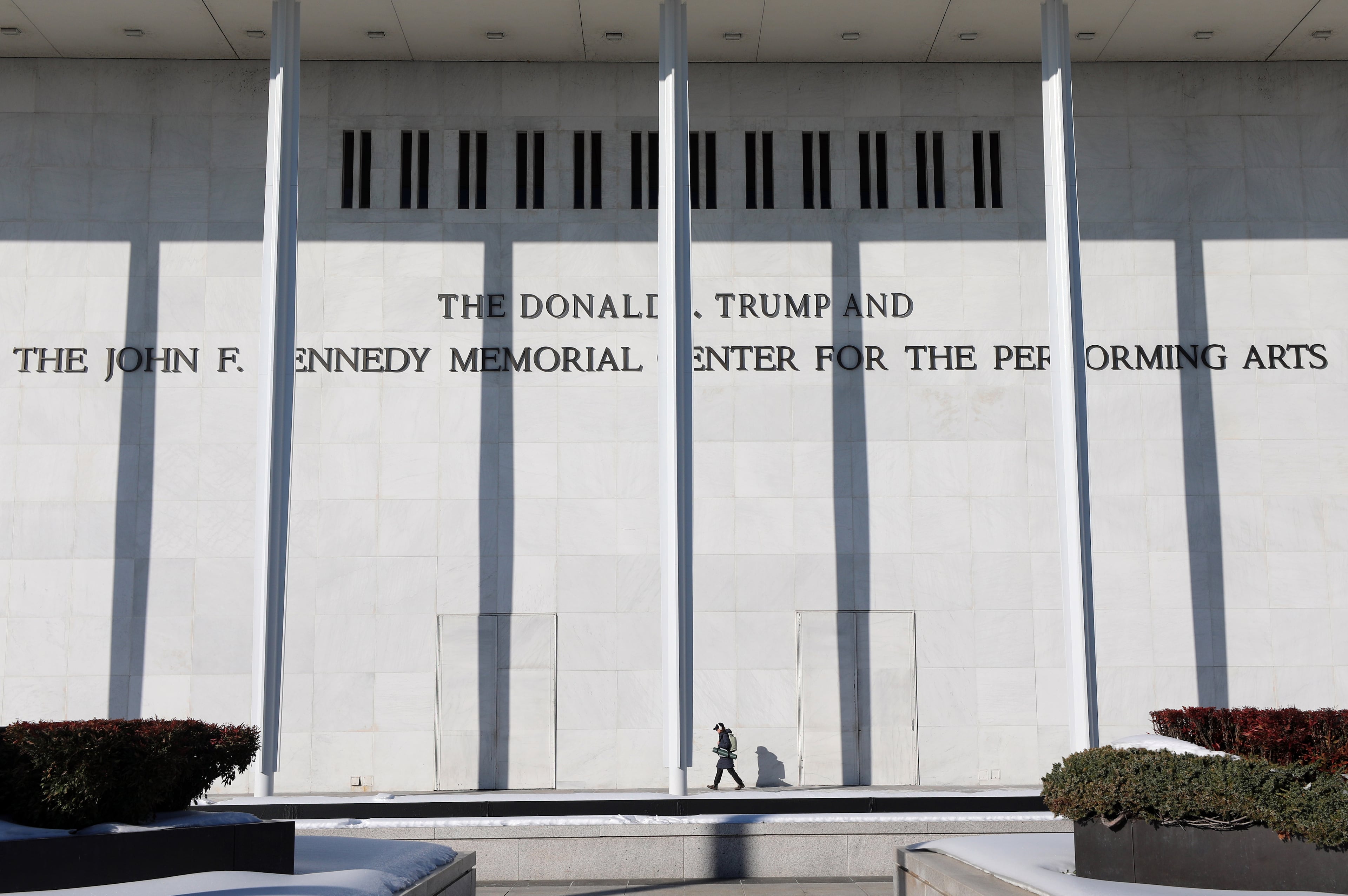
Shutting down the Kennedy Center belies responsible public stewardship
When President Barack Obama appointed me in 2011 to the President’s Advisory Committee on the Arts for the John F. Kennedy Memorial Center for the Performing Arts, I understood the responsibility that came with the role.
In 2014, he asked me to chair that national committee — and I became the first Georgian ever to do so.
That experience shaped how I view the arts: not as a luxury, but as essential infrastructure — cultural infrastructure that supports education, economic growth and civic life.
Which is why the decision to close the Kennedy Center for a two-year renovation demands serious scrutiny.
The Kennedy Center is not simply another venue. It is America’s flagship cultural institution — a national stage, a classroom, an employer and a social gathering place. For more than 50 years, it has remained open through changing administrations, economic downturns and moments of national crisis. A prolonged shutdown would be unprecedented and devastating.
Other cultural institutions remained open during construction

This is not a small operation that can be paused without consequence. The center houses multiple stages, serves as the home of the National Symphony Orchestra and anchors touring productions seen by audiences from every state.
When an institution of this scale shows signs of instability, the effects extend far beyond its walls in Washington.
A closure of this length would disrupt educational programs that reach tens of thousands of students each year, displace resident companies and workers, interrupt free daily performances and fracture relationships with audiences and donors that take decades to build.
No one disputes that the Kennedy Center has real maintenance needs. The question is not whether to renovate but whether doing so requires closing the doors to the American people for years at a time.
Many major cultural institutions have completed significant renovations while remaining open through phased construction.
Lincoln Center in New York, the Sydney Opera House and others have shown that modernization can be accomplished without shutting down public access. Full closures for years are the exception, not the rule.
Public should ask what alternatives were considered

The Kennedy Center is not a private venue. It is a national memorial created by federal law and supported with public resources. Decisions that fundamentally alter access should involve transparent planning and appropriate oversight — none of which has been clearly articulated.
The public deserves clear answers: Why now? What alternatives were considered? How will artists, educators, workers and audiences be protected? In any other sector — transportation, housing or public safety — decisions of this magnitude would require detailed planning and accountability. The same standard should apply here.
During my tenure in national arts leadership, I worked alongside the Kennedy Center as it planned for its future, including the visioning and early fundraising phase of the REACH expansion, which modernized the campus while keeping its doors open to the public.
This $175 million capital campaign was rooted in stewardship, with the purpose of strengthening facilities, expanding educational access and ensuring that this institution would remain open and relevant for generations. Donors and the public invested in that vision, trusting the center would be guided with continuity and care.
The Kennedy Center was built to be a place where families brought their children, where students far from Washington could learn through its education programs and where tourists and working people alike could walk in — for free or with a ticket — and experience something meaningful almost every night.
The center survives on public and donor trust
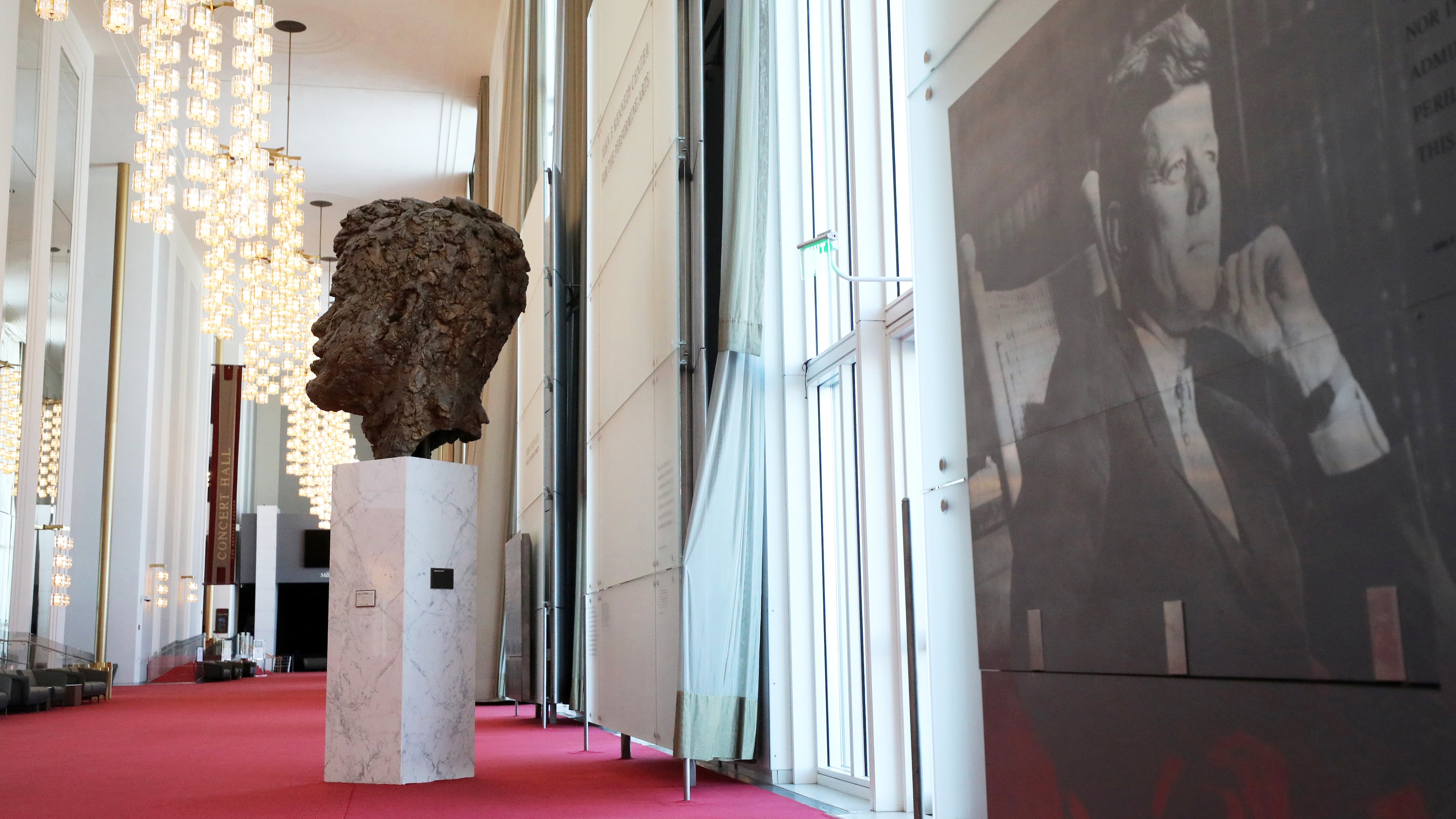
President John F. Kennedy understood that purpose when he said, “The life of the arts is very close to the center of a nation’s purpose — it is a test of the quality of a nation’s civilization.” His vision was about the role culture plays in a healthy democracy.
Georgia understands this well. From Atlanta’s global music scene to community theaters, studios and cultural organizations across our state, the arts drive economic growth, education and civic pride. Our creative economy supports hundreds of thousands of jobs and small businesses. Students from Georgia perform and learn at the Kennedy Center, and touring productions that originate there reach communities across our state. When the nation’s flagship cultural institution falters, the effects are felt here at home.
Closing the center for two years is not simply a construction decision. It is a decision about institutional responsibility.
Institutions like the Kennedy Center survive on trust — public trust, donor trust and community trust. Once that trust is shaken, it is far harder to rebuild than any building ever could be.
The center’s board now faces a choice: to safeguard an institution that belongs to the American people or to preside over a decision that will diminish it for years to come.
A two-year closure is not an inevitability. It is a decision. And decisions like this require courage — especially the courage to say no, even when that pressure comes from the most powerful person in the room.
The Kennedy Center was created to endure. With responsible leadership and transparent stewardship, it still can.
Sonya M. Halpern, D-Atlanta, represents District 39 (Fulton County) in the Georgia Senate. She previously served as chair of the President’s Advisory Committee on the Arts, becoming the first Georgian ever appointed to that role.