States and cities sue over Trump's EPA eliminating rule that limits emissions from power plants
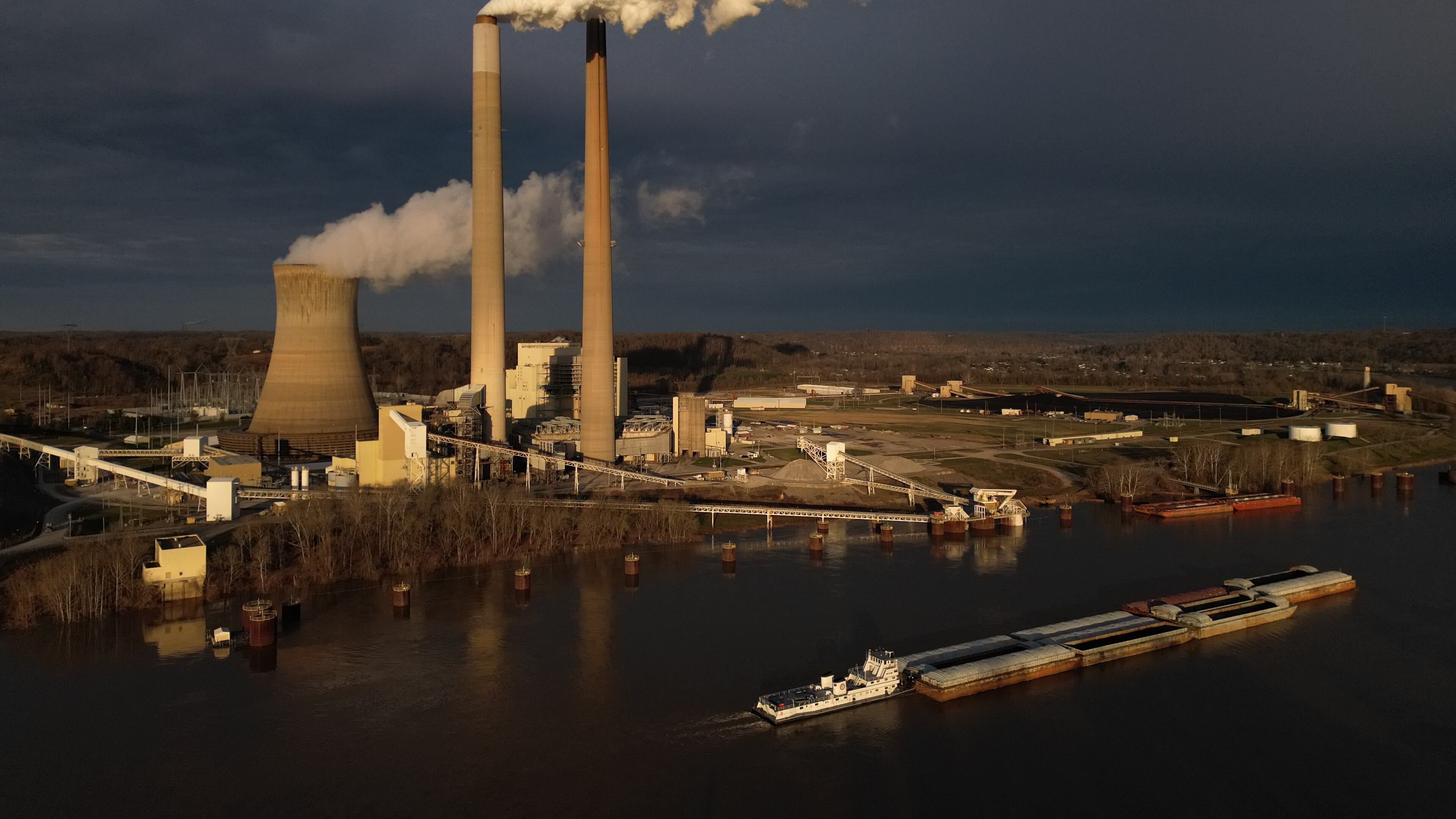
WASHINGTON (AP) — States and cities sued the Trump administration Thursday for repealing rules that limit planet-warming greenhouse gas emissions from power plants fueled by coal and natural gas.
Twenty-one states, led by New York, are challenging the Environmental Protection Agency's power plant rule. The coalition also includes Pennsylvania's governor, the District of Columbia, New York City, Chicago and the city and county of Denver. They argue that “gutting one of the country’s most significant climate protections” will set the nation back decades and worsen the climate crisis.
The EPA announced last month it's revoking the Biden-era rule, and said it is taking a separate but related step to prevent future administrations from regulating climate pollution from power plants.
New York Attorney General Letitia James said the federal government is showing “callous disregard” for Americans’ health and the environment, and future generations will pay the price. Power plants that burn fossil fuels are a major source of planet-warming pollution.
“Dismantling these protections is a betrayal of American families, and the stakes are too high to allow this administration to once again put profits over people,” James said in a statement Thursday.
The EPA said it does not comment on pending litigation. However, it has said the repeal would save the industry more than $300 billion in costs and help “unleash” American energy. EPA Assistant Administrator Aaron Szabo said in September that it will allow utilities to “make the best decision for the ratepayers based on cost and cost savings, instead of being required to shut down facilities.”
The coalition is petitioning the U.S. Court of Appeals for the District of Columbia to review the EPA's decision and strike down the repeal. It says the EPA unlawfully abandoned the pollution limits without properly considering reasonable alternatives or the enormous health and climate costs of allowing more pollution into the atmosphere. The coalition also told the EPA it intends to sue over the agency's failure to regulate pollution from many gas-fired power plants.
The rule change for power plants, first proposed last year, represents a fundamental shift from efforts by Democratic Presidents Joe Biden and Barack Obama to address climate change and regulate carbon dioxide and other greenhouse gases that trap the sun’s heat. Environmental groups say it will come at a cost to Americans’ health and further degrade the environment.
The separate rule proposed last month could prevent future administrations from regulating greenhouse gas emissions from power plants. The proposal, expected to be made final next year, follows on EPA’s action earlier this year revoking a scientific finding that long has been the central basis for U.S. action to regulate greenhouse gas emissions and fight climate change.
The coalition includes the states of New York, Arizona, California, Colorado, Connecticut, Delaware, Hawaii, Illinois, Maine, Maryland, Massachusetts, Michigan, Minnesota, New Jersey, New Mexico, North Carolina, Oregon, Rhode Island, Vermont, Washington, and Wisconsin.
___
McDermott reported from Providence, R.I.
___
The Associated Press’ climate and environmental coverage receives financial support from multiple private foundations. AP is solely responsible for all content. Find AP’s standards for working with philanthropies, a list of supporters and funded coverage areas at AP.org.