South Korea set to approve abortion pills for the 1st time next year
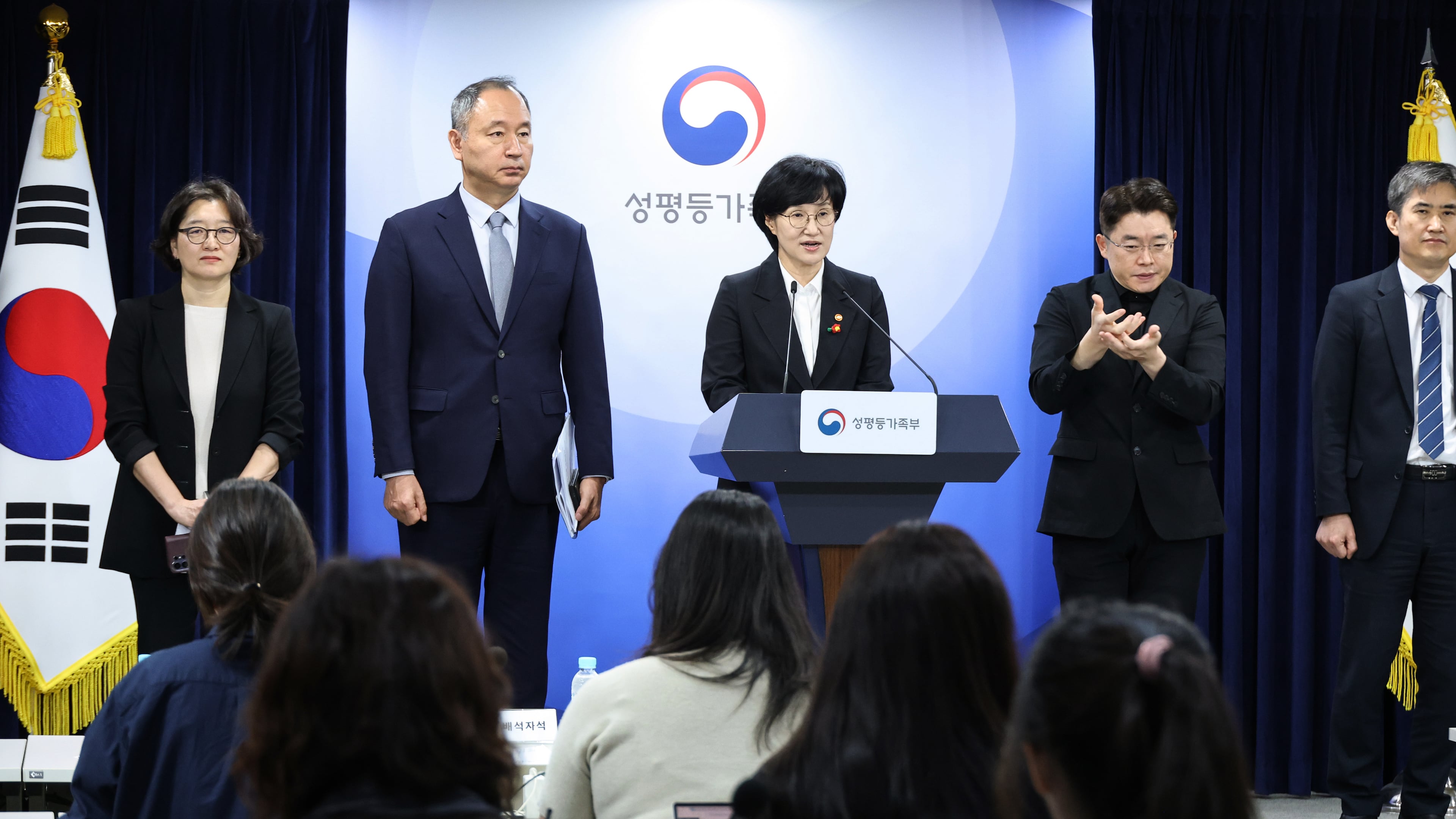
SEOUL, South Korea (AP) — South Korea plans to approve abortion pills for the first time to promote women’s rights to health and safety, deepening debates over abortions in a country that until recently had imposed strict rules on the procedure.
The government announced Wednesday that it aims to allow medication abortions for women who are up to nine weeks pregnant by the first quarter of 2027. Officials said that for the first two years, abortion pills would be directly prescribed and dispensed by doctors.
In a landmark ruling in 2019, South Korea’s Constitutional Court ordered the easing of the decades-old ban on most abortions, one of the strictest in the developed world. Abortion was subsequently decriminalized, but parliament has yet to revise related legislation, as opposition remains strong among many religious and conservative groups.
Some women have turned to unauthorized online channels to get abortion drugs that are not verified safe. The legislative gap has also undermined women's rights to choose surgical or medication abortions and caused some confusion in the medical field.
“This introduction of medication abortion is meaningful because it's a step to make sure that ending pregnancy is done more safely and within the national healthcare system, and to improve the situation caused by a lack of an effective government oversight system,” Gender Equality and Family Minister Won Min-kyong told a news conference.
The step is designed to approve a local company's application for importing a two-drug combination pack consisting of mifepristone and misoprostol. A combination of mifepristone and misoprostol is the most common regimen for abortion pills in the United States.
In July, President Lee Jae Myung, a liberal, instructed officials to explore ways to allow women to use the two-drug combination pack. As of 2024, about 100 countries have permitted the use of abortion pills, according to the gender ministry.
An estimated 32,000 abortions took place in South Korea in 2020, according to a government-affiliated think tank. Obstetrician-gynecologist Lee Jae-kwan said the majority of abortions in South Korea are surgical abortions. He added that doctors sometimes prescribe misoprostol, which is most commonly used to treat stomach ulcers, for abortions but don't face persecution, though it's not approved for that purpose.
The Korea Women’s Associations United, a leading women's rights organization in Seoul, called the announcement “a first step toward supporting a safe ending of pregnancy.” It urged the government to take additional measures to help women get abortion pills more swiftly and ensure their expenses are covered by the national health insurance system.
The Catholic Bishops’ Conference of Korea expressed “deep concerns” about the government plan, saying it “will further entrench a disregard for human lives in our society.”
The Korean Association of Obstetricians & Gynecologists said the government step isn't enough to resolve many potential issues over abortion pills and called for legislation to address them. It cited institutional safeguards that can deal with complications caused by use of abortion pills like incomplete miscarriage and heavy bleeding, and legal grounds to protect doctors from possible criminal prosecutions for prescribing abortion pills for social and economic reasons.
“We will never accept any introduction of abortion pills that does not guarantee safety of patients and legal protections of medical professionals,” the doctors' association said in a statement.