Judge approves Paramount's settlement with states over Warner buyout, allowing merger to soon close
CHICAGO (AP) — A federal judge has granted Paramount’s settlement agreement with 12 states that sued over the company’s takeover of Warner Bros. Discovery, allowing the companies to soon close their $81 billion mega merger.
In a Wednesday order, U.S. District Judge Araceli Martínez-Olguín ruled that the proposed consent decree was a “fair, reasonable, and good faith approach to address the competitive harms” alleged by the states' lawsuit. Paramount — which was bought by Skydance just last year — previously called the antitrust challenge the last hurdle ahead of closing its Warner merger, and signaled that it aims to close its Warner acquisition in early October.
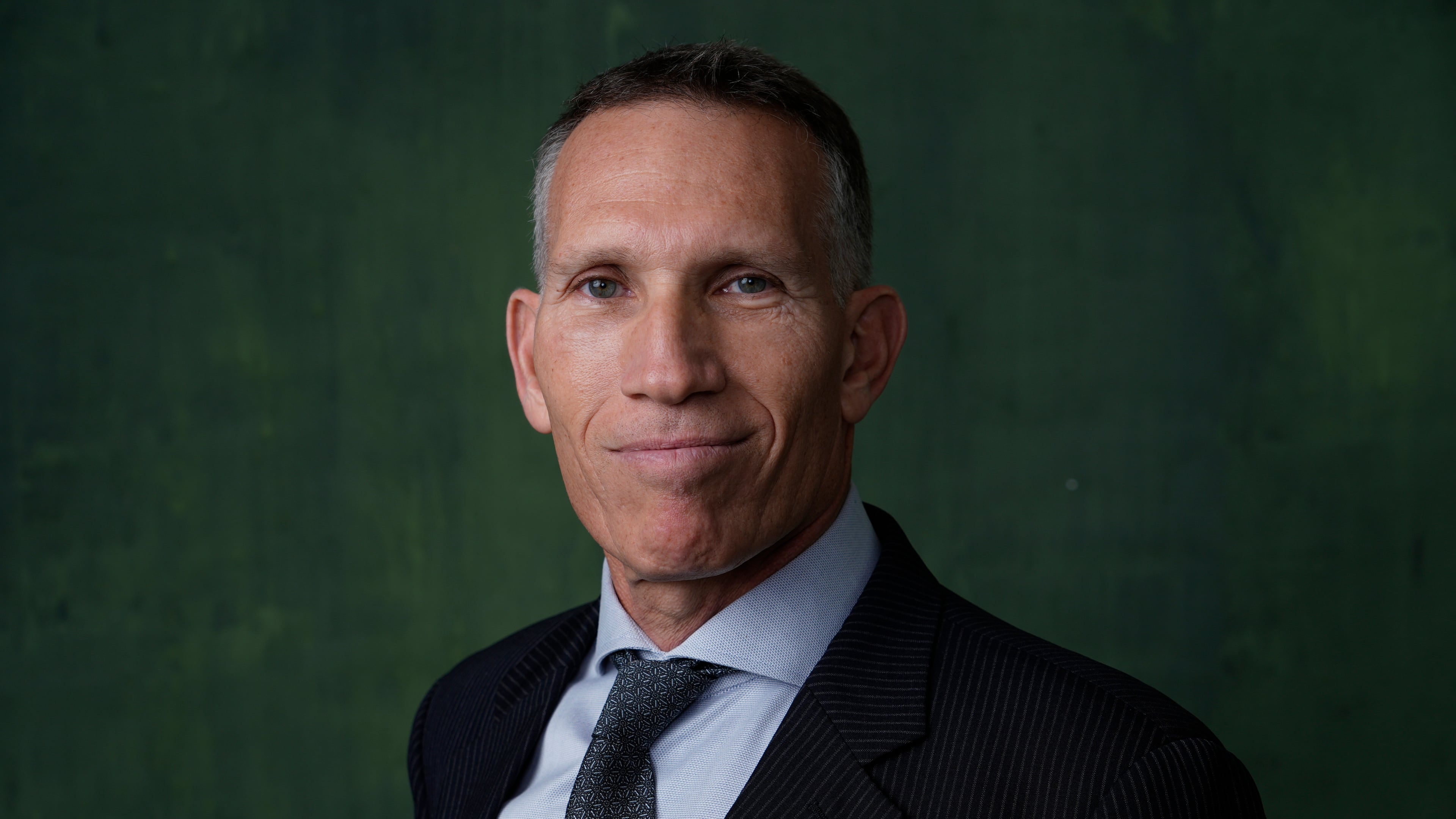
Shortly after Martínez-Olguín's ruling Wednesday afternoon, the company announced Ynon Kreiz — current chief executive at toy giant Mattel — will join Paramount on Oct. 5 and serve as co-CEO alongside David Ellison after the merger's closing.
In a statement, Ellison said Paramount's merger with Warner marks a “transformational moment for our industry” and that he and his new co-CEO will lead a business that is “creator-first, tech-forward and built to scale globally.”
A Paramount-Warner marriage will bring together two of Hollywood’s last five legacy studios. HBO Max, a library full of titles including “Harry Potter” and cable networks such as CNN will also find themselves under the same roof with CBS, the likes of the “Top Gun” franchise and the Paramount+ streaming service.
That further concentrates power in an industry already run by just a handful of major players. And many critics of the deal have decried the states' settlement, arguing the terms are too weak.
The final antitrust fight
Paramount touted clearances for its Warner acquisition from regulators worldwide over recent months, including the Trump administration's Justice Department in the U.S.
But in July, top prosecutors from 12 states — led by California Attorney General Rob Bonta — sued to block the merger altogether. They alleged a Paramount-Warner combination would “extinguish competition” in Hollywood and lead to fewer choices for consumers, particularly movie theatergoers and cable customers.
Last week, the states agreed to settle those claims through new commitments from Paramount, including pledges to increase film production in the U.S. over the next five years, grant millions of dollars to a fund aimed at supporting workers displaced by the merger and establish new editorial monitoring of CNN and CBS.
Martínez-Olguín didn't greenlight the terms right away — maintaining at a Thursday hearing that the court isn’t merely a “rubber stamp” on a settlement of this kind and that she, like many others, had questions. The judge granted outside critics of the settlement (including members of the Block The Merger coalition and the League of United Latin American Citizens) a brief window to share their opposition. She also instructed Paramount and the states to respond to concerns raised by Democratic Sen. Cory Booker.
By Wednesday's order, however, she concluded that the hopes for settlement terms to go further "do not rise to the level of legal violations upon which the Court can reject the parties’ negotiated resolution.”
The Writers Guild of America, which had filed its own suit shortly after the states in July, also reached a settlement agreement with Paramount last week — concluding that it couldn’t continue its legal fight alone.
Ongoing criticism of the deal
The Block the Merger coalition on Wednesday maintained the states' settlement was a “toothless” deal.
“In years to come, we’ll be able to point to this failure to put consumers over the monied interests of corporate consolidation as the tipping-point moment for media in this country," Block the Merger said in a statement. But, the group added, “if there is one discernible benefit to the approval of this corporate takeover, it’s that people are now wide awake and paying attention — and their anger is not going to fade away."
Before agreeing to settle, Bonta previously said the states would only consider “robust” structural remedies. The bulk of the eventual settlement outlined behavioral requirements, at least in the immediate future, with some potential “court enforceable” penalties if Paramount breaks promises down the road.
Even so, most of the company’s new commitments only last five years. Paula Blizzard, an attorney for California, said in Thursday's hearing that the states eventually settled on terms that didn’t “last forever” because the industry is changing — while immediate divestments, or even the complete blocking of the deal that they initially demanded, could open the door to further acquisitions.
Among those new commitments include a pledge from Paramount to increase spending on film production in the U.S. — by at least an additional $1.5 billion over the next five years — and promises to release at least 30 films each year, a figure Ellison already touted earlier in his quest for Warner.
The states’ settlement would require Paramount to distribute 30 films in theaters each year for the next two years — and 32 films in each of the three years after that. The fine print notes that only 50% of those movies would have to be “produced or jointly produced” by the combined company. If Paramount fails to meet these film outputs, the states say it will have to divest from Miramax Studios and pay $30 million for each missed film toward healthcare and retirement trust funds associated with the Writers Guild of America and other industry unions.
Paramount also agreed to commit $47.5 million to help fund training and career development for workers displaced by the merger, again over the next five years ($9.5 million each year).
Meanwhile, when it comes to cable, the states' settlement orders the company to negotiate deals for current Paramount-owned and Warner-owned basic cable channels separately over the next five years. If Paramount violates those terms, a court may order future divestments.
The company must also form a “News Editorial Independence Board” to monitor news operations at CBS and CNN within 180 days of completing its Warner acquisition. But critics point to editorial turmoil already seen at CBS under Skydance ownership — and aren’t convinced this new body will move the needle much.
Per court documents outlining the settlement’s terms, Paramount’s new editorial body will be made up of five “active or retired” journalists with at least 10 years of experience — all appointed by, and reporting to, the combined company’s board of directors for three-year terms. Beyond his CEO title, Ellison is Paramount’s current chairman and is set to remain in the top spot after the Warner acquisition closes.
While joining the rest of the states in the wider settlement, Colorado and Washington declined to sign off on the editorial board terms. And prosecutors like Connecticut Attorney General William Tong, who wanted a full divestiture of CNN and CBS, said last week he wished the deal could have gone further.
Including billions of dollars in debt, Paramount’s buyout of Warner is currently valued at about $111 billion based on outstanding shares.