Embattled ex-judge escapes punishment after resigning
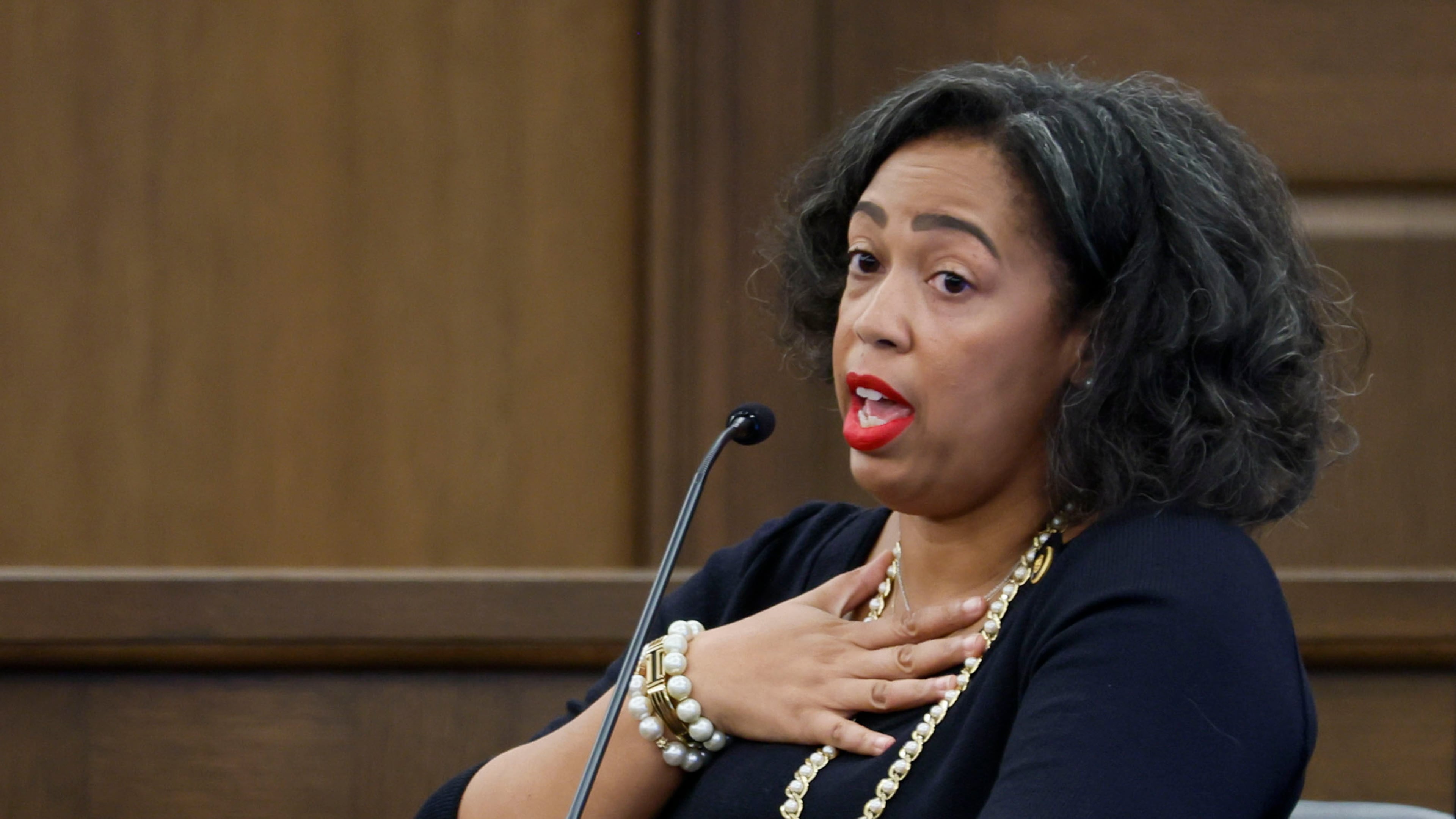
A former Fulton County judge’s willful misconduct warranted her removal from the bench, the Georgia Supreme Court ruled Tuesday, but it declined to punish her because she has already quit.
Shermela Williams was a Fulton County Superior Court judge from January 2021 to late February 2026, when she resigned while facing possible removal from office for around 30 misconduct charges filed against her by the Georgia Judicial Qualifications Commission.
Less than two weeks after she resigned, Williams was hired in early March by Fulton County District Attorney Fani Willis as an assistant district attorney with a salary of more than $150,000, county records show. Williams began her new job as a prosecutor in Willis’ office on April 1.
The JQC told the state Supreme Court in October that it should remove Williams from the bench for willful violations of the Georgia Code of Judicial Conduct. The state agency’s hearing panel issued a damning report, saying Williams broke the law when jailing a young woman and repeatedly lied while testifying in the misconduct case, among other things.
Williams argued in response that the JQC had ignored mitigating evidence and that the recommended discipline was unfair and disproportionate.
In its ruling Tuesday, the state’s highest court agreed with the JQC that Williams deserved to be removed from office over her handling of a sorority sister’s child custody case, temporary jailing of a witness, use of judicial power to influence the outcome of a family member’s court case and failure to issue rulings in some cases that left litigants in the lurch for years.
“We are in agreement that the JQC provided clear and convincing proof of multiple serious violations of the CJC and that those violations would, ordinarily, support removal from office,” the court wrote. “But because Williams resigned her judicial office, we conclude that she cannot be removed from that same office.”
Justices Charles Bethel and Benjamin Land disagreed with the outcome, indicating they would have punished Williams anyway.
In a dissenting opinion, Bethel wrote that the court can and should still address “the troubling findings of serious official misconduct here.”
“When official misconduct by judges goes uncensured or is otherwise minimized, there is a withdrawal from the reservoir of goodwill and confidence that our branch fills when it acts with integrity and impartiality,” he wrote.
Though the court dismissed the JQC’s misconduct charges against Williams, it left the door open for the agency to resume the case if Williams seeks judicial office in future.
The JQC director and Williams’ lawyers in the case did not immediately comment on the ruling Tuesday.
It is the first time the court has been asked by the JQC to sanction a former judge who resigned in the middle of misconduct proceedings.
The justices were divided on whether they have the authority to do so and if any such authority should be used against Williams.
In other JQC cases, judges removed from office by the court have been barred from seeking judicial office for a period of seven years, in line with Georgia law.
In a concurring opinion Tuesday, Chief Justice Nels Peterson agreed with the JQC and some of his colleagues that “allowing judges to shortcut the disciplinary process by resigning is unseemly at best.”
But he said the court’s published findings about Williams’ misconduct is a form of sanction and “perhaps most importantly, former Judge Williams is no longer a judge today as a direct result of the JQC’s proceedings.”
Peterson and some of the other justices urged the Georgia General Assembly to consider a law change that would bar someone from being a judge if they had previously resigned from the bench to escape removal from office in a misconduct case.
Bethel noted that Williams’ misconduct as a judge also implicates her under the Georgia Rules of Professional Conduct governing lawyers. He said the State Bar of Georgia is “free to pursue appropriate disciplinary action against former judges who are members of the State Bar.”