US futures slide on AI blowback; oil and gas jump after Houthis intensify campaign
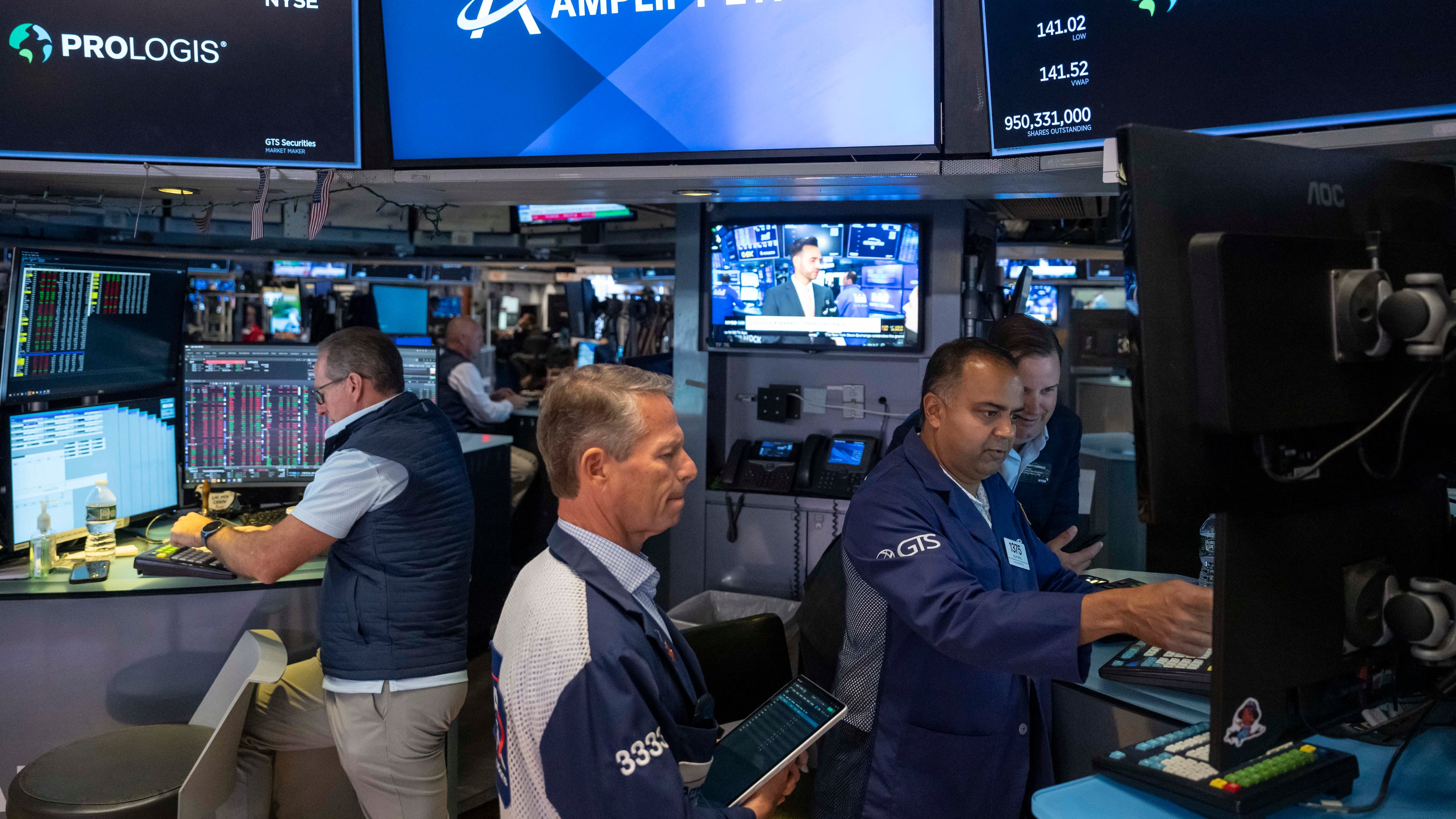
U.S. futures fell as calls grow louder for a slowdown in artificial intelligence development and oil and gasoline prices continue to climb as the Houthis, an Iranian proxy, intensify a military campaign at a key energy transit point in Middle East.
Futures for the S&P 500 dropped 0.7% on Monday, while those for the Dow Jones Industrial Average declined 0.2%. Futures on the tech-heavy Nasdaq slid 1.6%.
OpenAI CEO Sam Altman supported the stance taken by Anthropic’s CEO Dario Amodei over the weekend in saying that the AI industry should slow down development of the world-changing technology to ensure that it is safe.
Altman also confirmed in an interview with Fortune published Saturday that OpenAI would not make its initial public stock offering this year as it focuses on safety.
The biggest AI companies, valued in the billions of dollars, remain private enterprises.
The rising concerns over the safety of AI hit the stocks of chipmakers, however, which are publicly traded.
Shares of Nvidia slipped 2.7%, while Intel’s stock dropped nearly 6%. Other shares declining include those for Broadcom, Texas Instruments and Advanced Micro Devices.
President Donald Trump on Sunday played down the need for his administration to check the development of artificial intelligence, saying he worried about ceding America’s edge over China in a global competition and that winning would help address the risks from the advancing technology.
Oil prices gained more than 2% as worries grow over global oil supplies after Saudi Arabia shut down a major oil pipeline used to help bypass the Strait of Hormuz after it was attacked.
U.S.-Iran tensions remain escalated while Iran-backed Houthi rebels stepped up attacks on Saudi Arabia, capturing more strategic islands in the southern Red Sea and strengthening their control of a major maritime shipping route.
The capture of the islands of Greater and Lesser Hanish is the latest in the rebels’ swift advance around the Bab el-Mandeb Strait, a key passage for Saudi oil shipments that has become more crucial during the Iran war since it serves as an alternative to the Strait of Hormuz.
While the prospect of a de-escalation of war in Iran and the reopening of the Strait of Hormuz may have dimmed, ING commodities strategists Warren Patterson and Ewa Manthey wrote in a commentary on Monday, the situation is still fluid and “sizeable” volumes of oil have still been moving through the strait.
Brent crude, the international standard, rose 2.6% to $107.37 per barrel. It was at roughly $72 a barrel before the start of the war in Iran in late February.
Benchmark U.S. crude was up 2.3% to $102.39 per barrel.
Gasoline prices continued race higher, reaching $4.32 per gallon on average overnight, according to motor club AAA. That is 16 cents more than it cost last week. Diesel, a fuel with an outsized impact on consumer prices because it’s used in shipping and manufacturing, is rising even faster, gaining 3 cents overnight to reach $6.23.
Investors are also monitoring this week’s Federal Reserve meeting, in which Fed policymakers could raise rates as inflation remains above the Fed’s 2% target.
Growing inflationary worries following the Iran war-caused energy shock and rising U.S. government debt have fueled a sell-off of government bonds and put pressure on U.S. Treasury yields.
The yield on the 10-year U.S. Treasury was at 4.97%, up from 4.95% last Thursday despite the U.S. Treasury Department’s expanded buyback operations meant to stabilize the bond market.
In Europe, Britain’s FTSE 100 rose 0.6% to 10,717.86. France’s CAC 40 dropped 0.7% to 8,125.20, while Germany’s DAX was 0.3% lower at 25,480.15.
South Korea’s Kospi lost 3.3% to 6,684.37. Japan’s Nikkei 225 index slid 0.8% to 63,492.99. Shares of Japanese investment conglomerate SoftBank Group, a key investor in OpenAI, plummeted 10.7%
The U.S. dollar rose to 154.48 Japanese yen from 153.58 yen. The euro was trading at $1.1547, down from $1.1598.