Takeaways from a story on the US, Australia and others turning to Brazil for rare earth minerals
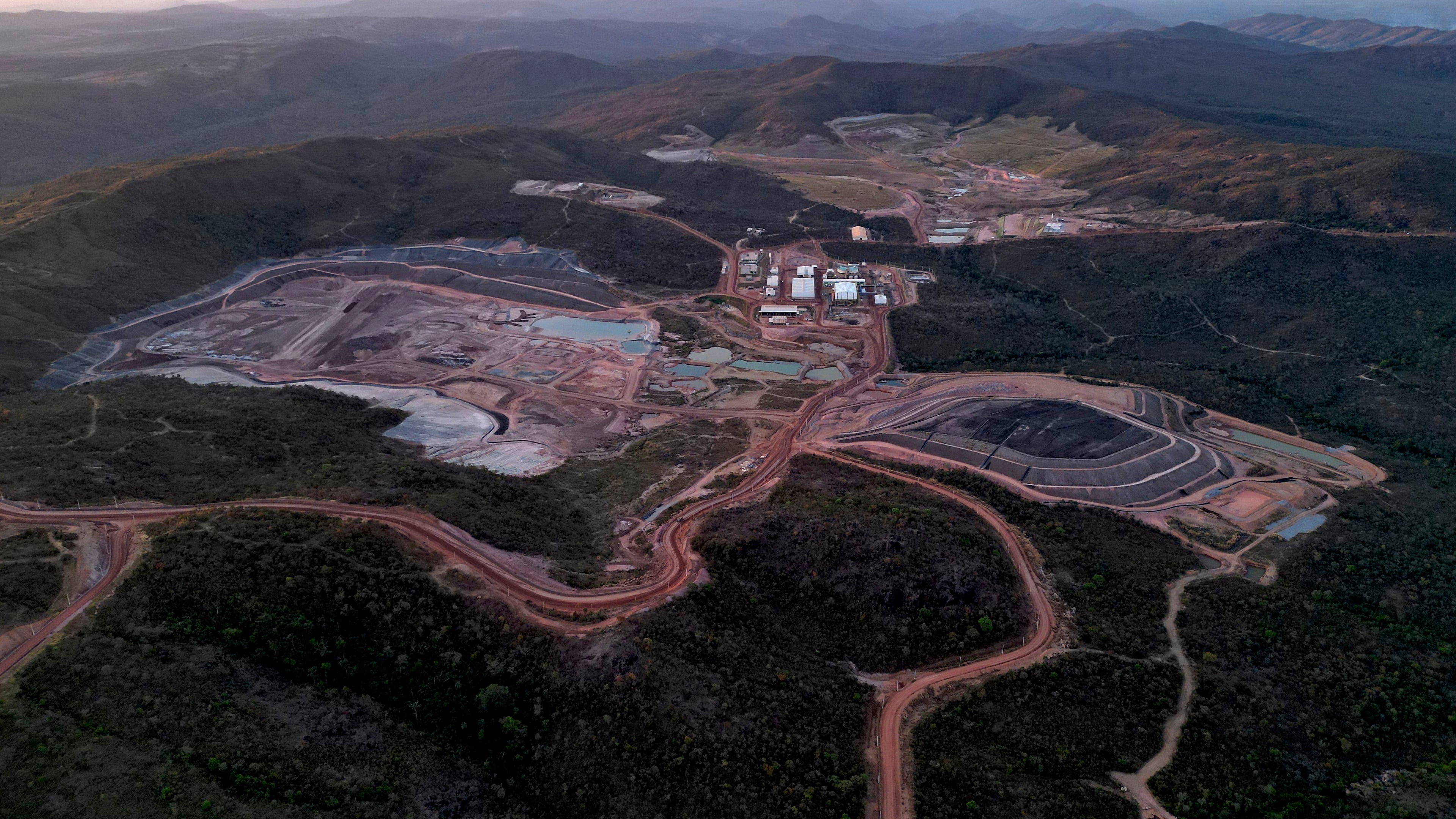
SAO PAULO (AP) — The world is increasingly turning to Brazil to explore for rare earth minerals that are crucial for technology and renewable energy. The country's large reserves are second only to China and have attracted investors, many of them with foreign support.
An analysis by The Associated Press and Reporter Brasil of all National Mining Agency records through June shows that rare earth exploration applications have surged, with more than 86% filed in the past three years, including 268 in the first half of 2026.
The interest is already raising environmental concerns for the Amazon and other areas.
Here are takeaways from the story:
The US and others are seeking alternatives to China
Rare earth minerals are a group of chemicals essential in digital and defense technologies, used in electronics, magnets and batteries. They are also used in wind turbines and electric vehicle motors, critical to the transition away from fossil fuels like oil, gas and coal that cause global warming. The International Energy Agency estimated in 2022 that demand for rare earths could increase at least threefold by 2040.
China has nearly half of the world’s reserves and dominates global processing. Brazil has the second-largest reserves and is becoming increasingly attractive to investors seeking alternatives to China after Beijing restricted exports last year.
By reviewing all National Mining Agency records in Brazil through June, the AP-Reporter Brasil analysis found that foreign investors are driving the growing interest in rare earth exploration, accounting for more than four in 10 applications.
Australian and U.S. firms dominate the interest. Among recent deals was the acquisition of Serra Verde, Brazil’s only commercial rare earth producer, by a U.S.-backed company.
Chinese firms had not filed any rare earth exploration applications in Brazil as of June, but they are positioning themselves in the sector. Last year, state-owned China Nonferrous Metal Mining Group acquired tin producer Mineracao Taboca and announced plans to assess rare earth potential at its Amazon mine. Separately, Shenghe Resources signed an agreement with Brazilian partners WEG Mineracao and Fenrir do Brasil to pursue rare earth projects, including one in Minas Gerais.
New mining push could impact communities and ecosystems
At least a quarter of the applications overlap with or are within 10 kilometers (6 miles) of protected areas and Indigenous territories, including in the Amazon, according to the Energy Transition Observatory, a collaboration among researchers and Reporter Brasil. Experts say mining projects within this buffer zone can cause environmental damage.
Depending on what is mined, toxic chemicals can be released and radioactive waste generated. Other potential impacts include deforestation and polluted water seeping into rivers and lakes, which can poison fish populations, as well as air pollution and noise.
In Goias state, in central Brazil, a small Afro-Brazilian community overlaps with mining claims by the Canadian firm Aclara Resources, which last year secured $5 million in project development financing from the U.S. International Development Finance Corporation.
Aclara in a statement said its project initially overlapped with the community’s territory, but “no mining activities will take place there.” Still, residents fear operations that could start as early as 2028 could affect local springs and wildlife.
Brazil is considering safeguards around foreign influence
“The challenge today is that China dominates processing and refining,” said Brazilian lawmaker Zé Silva, author of pending legislation that would establish a federal policy on critical minerals and rare earths, set investment priorities and create a national council to monitor significant foreign influence in the sector. “Under our proposal, companies are welcome to invest, but they must transfer technology to Brazil, including processing capacity.”
On Monday, President Luiz Inacio Lula da Silva said the Senate would move forward with the proposed law, to defend national interests.
“We will not allow anyone from outside to come here and exploit our mineral resources, because we want their processing and transformation to happen here,” Lula said.
___
The Associated Press’ climate and environmental coverage receives financial support from multiple private foundations. AP is solely responsible for all content. Find AP’s standards for working with philanthropies, a list of supporters and funded coverage areas at AP.org.