Nanny says Lindsay Clancy appeared to be a loving mother before killing her 3 children
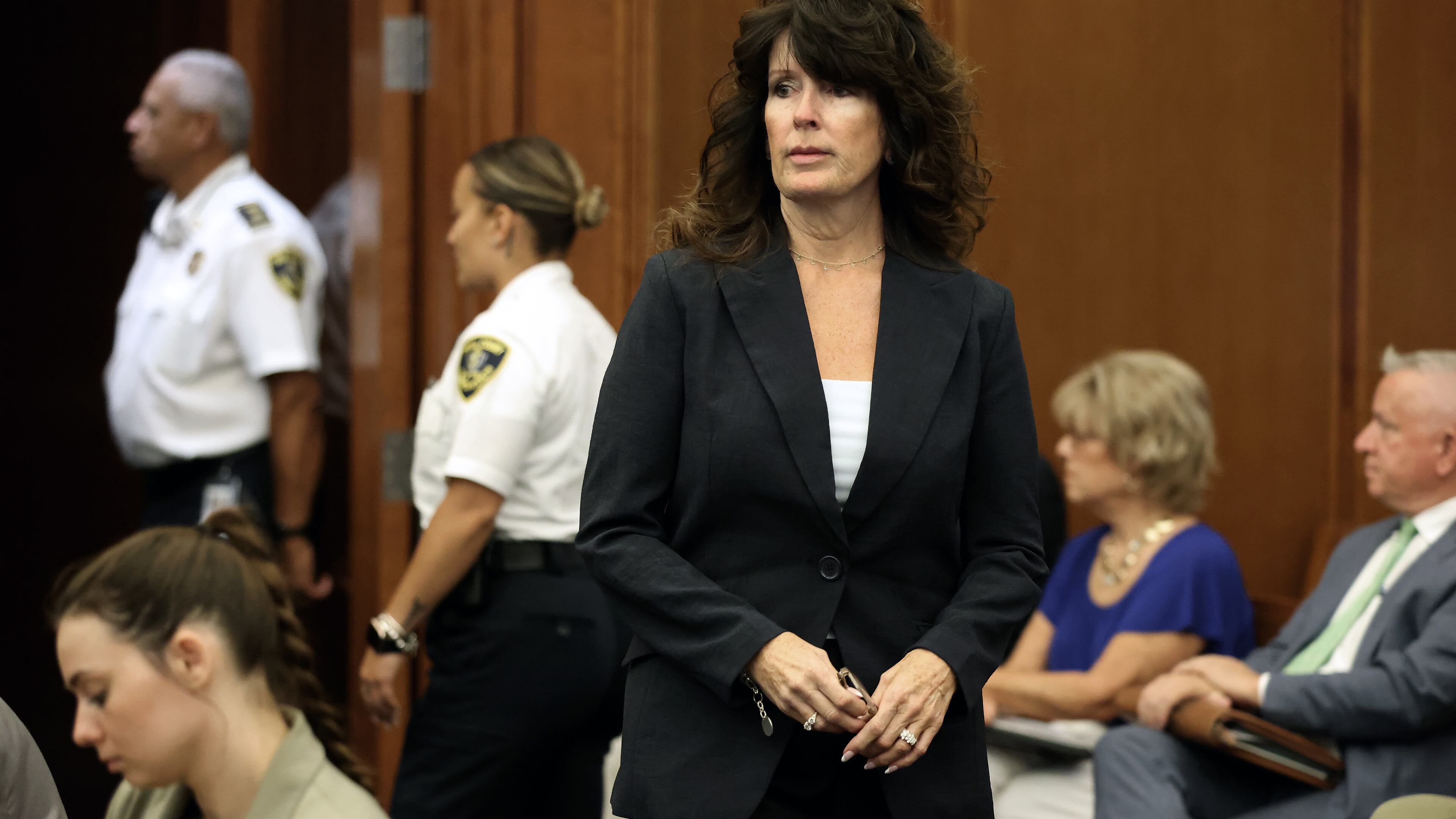
Months before Lindsay Clancy strangled her three children, she lost significant weight, couldn't sleep and complained of postpregnancy mental health issues, the family’s former nanny testified at her murder trial Wednesday.
But the nanny never worried the Massachusetts mother might be a danger to her children or to herself.
“I observed a wonderful mom who loved her kids,” Elaine Rossi told the jury on the seventh day of the trial in Plymouth. “She was concerned about their safety, and Callan eating and sleeping. She was a wonderful mother.”
Clancy’s defense says she was a loving mother who was overmastered by postpartum psychosis, a dangerous psychiatric condition that afflicts a small proportion of women after childbirth and affects their hold on reality.
Prosecutors contend that she acted intentionally on Jan. 24, 2023, and should be held criminally responsible for the deaths of Callan, Dawson and Cora Clancy, who ranged in age from 8 months to 5 years.
___
EDITOR’S NOTE: This story includes discussion of suicide. If you or someone you know needs help, the national suicide and crisis lifeline in the U.S. is available by calling or texting 988.
___
Rossi was hired in September 2022, a few months after Callan was born. She was let go in December after Clancy, a former labor and delivery nurse, decided not to return to work. Rossi said she wasn’t told why Clancy chose to remain at home.
She testified Wednesday about her time with the family, describing Cora as a “girly-girl” who loved arts and crafts. Three-year-old Dawson was “full of energy, rambunctious, funny, silly.” Callan was the “sweetest, happiest baby.”
The defense sought to portray Clancy, 35, as a doting mother who acknowledged her mental health difficulties. Prosecutors likely hope the jury will see a mom who wasn't impaired by her mental health.
Rossi testified that she saw prescription medicine bottles in the house, and that Clancy "shared with me she had postpartum and couldn’t sleep,” and had taken to sleeping in the basement.
In her journals during that time, Clancy indicated she was struggling with anxiety and feeling overwhelmed by motherhood.
Both the prosecution and defense read excerpts from her diary to the jury Monday, where she catalogued an ever-shifting lineup of psychiatric prescriptions, as well as thoughts of suicide. Clancy remains paralyzed from the waist down after jumping from her home's second-story window on the night of the killings.
Clancy wrote about her struggles to get newborn Callan to sleep, and constant worries of his being sick. She also expressed concerns about going back to work, not being able to breastfeed, and feeling disconnected from her children and her then-husband.
“I’m so desperate to get a mental break from taking care of everyone that my mind is trying to find something physically wrong with me,” she wrote in a Nov. 18, 2022, entry.
“I have crazy brain fog. I feel like I can’t make a plan,” she wrote in another, undated entry. “I live moment to moment waiting for the next nap time.”
Clancy’s lawyers don’t dispute that she killed the children. But in the criminal trial and a medical malpractice lawsuit, her attorneys say she had bipolar disorder that wasn’t fully diagnosed until after the killings. Her attorneys say her condition seemed to worsen on the psychiatric medications, some of them problematic for bipolar patients.
Several officials with the state police crime lab testified this week that Clancy had multiple prescription medications in her blood after the killings, including antipsychotics, antidepressants and benzodiazepines.
If convicted of murder, Lindsay Clancy faces life in prison without parole. If found not guilty due to a lack of criminal responsibility, she would be committed to a state mental health facility.