Atlanta’s Equifax to pay $100M after miscalculating credit scores
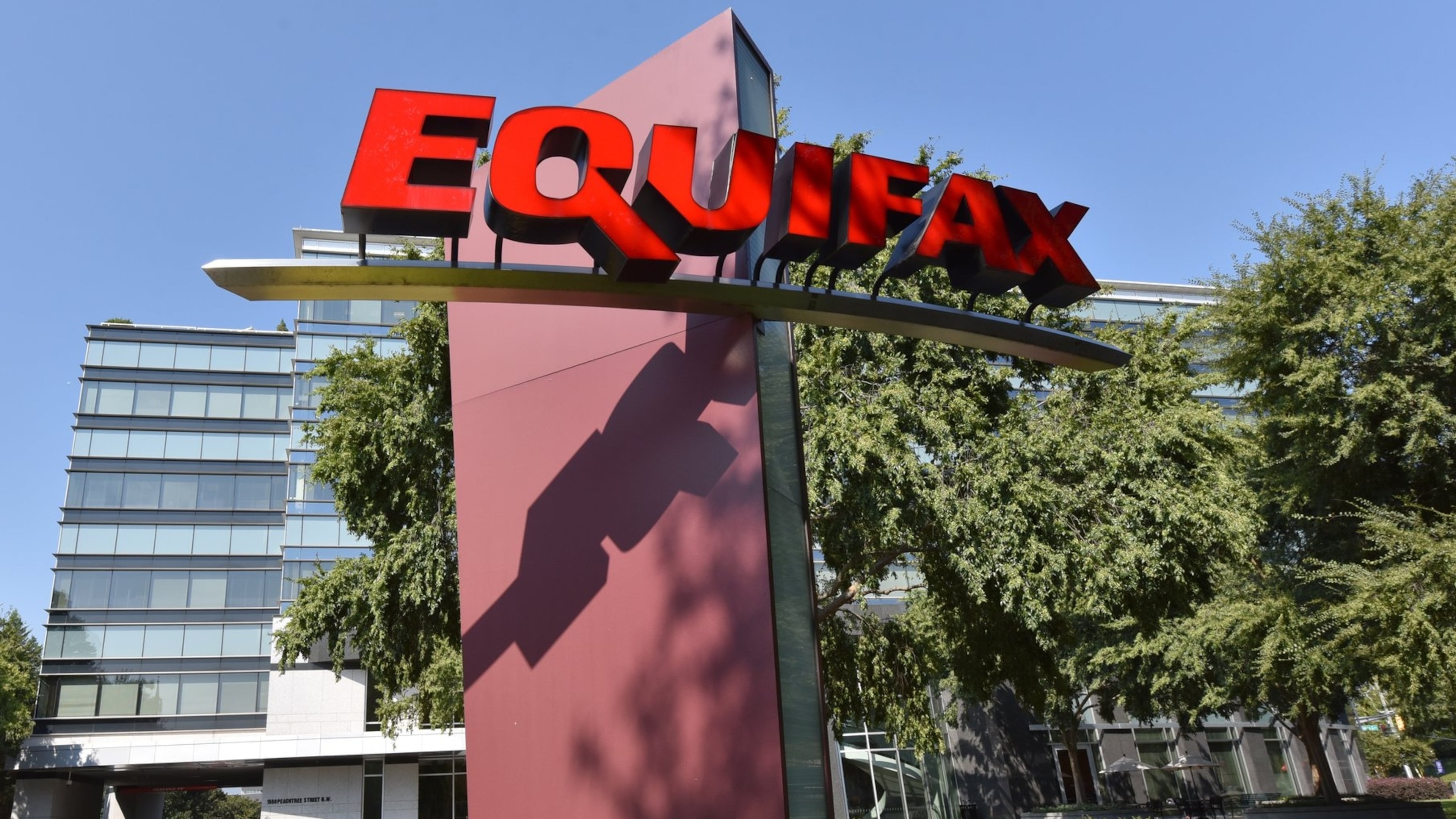
Atlanta-based consumer credit reporting giant Equifax will pay $100 million to settle a class-action lawsuit accusing it of misreporting millions of credit scores because of a coding glitch in 2022, court records show.
The settlement is “by far the largest class-action settlement ever achieved under the Fair Credit Reporting Act,” and provides compensation for around 4 million people nationwide, lawyers for the class members whose scores were affected said Wednesday in a court filing. They are seeking a federal judge’s approval of the deal.
Equifax admitted in August 2022 that it provided incorrect credit scores because of a technology glitch over a three-week period in March and April of that year. It denied the issue affected information in consumer credit reports.
The lawsuit was filed in the federal trial court in Atlanta around the same time as the company’s public confirmation of the problem.
On Wednesday, U.S. District Chief Judge Leigh Martin May was asked to finalize the settlement so the process of compensating affected consumers can begin.
“If approved by the court, the settlement will provide meaningful relief in the form of direct cash payments to class members,” counsel for those members said in a statement Thursday. “We will promptly present the settlement to the court and look forward to class members receiving formal notice explaining their rights and how to claim payment.”
In a statement Thursday, Equifax said the coding issue “impacted how some credit scores and credit attributes were calculated” between March 17 and April 8, 2022.
“The coding issue did not impact any information in consumer credit reports,” the company said, adding it denies violating the law.
“Since 2022, Equifax has principally completed a global, multi-year, $3 billion technology, data, and security transformation that has changed nearly every facet of the company’s infrastructure,” it said.
Court filings show Equifax denies any liability or wrongdoing, but the parties wanted to avoid the costs and risks of further litigation after battling for four years.
“Equifax contends, for example, that any verdict for willful conduct would result in damages that are unconstitutional and a violation of due process,” class counsel said in Wednesday’s filing.
Equifax had challenged the plaintiffs’ claims that it is liable for failing to follow reasonable procedures to ensure maximum possible accuracy of the information it reported, among other things.
If the settlement is approved, a public website will be created for consumers to get information and file claims. Class members will be able to object or opt out of the settlement if they want to retain their right to sue Equifax over the 2022 incident.
Payments will be made on a pro-rata basis to all claimants in the United States whose credit scores were misreported by Equifax because of the coding issue, court filings show.
“All settlement class members with valid claims will receive the same treatment,” class counsel told the court.
Equifax, based in a Midtown office building, plays a vital role in global commerce. The company is one of three major U.S. credit bureaus, providing vital risk and financial information to banks and other lenders to offer loans to consumers and businesses.
The company holds a massive trove of financial and other personal data about Americans, and a 2017 data breach led to cyber thieves stealing sensitive information of nearly 150 million people. Equifax later settled that case, agreeing to pay hundreds of millions in restitution as part of the sweeping agreement.