A psychologist at Lindsay Clancy's murder trial says she has bipolar disorder
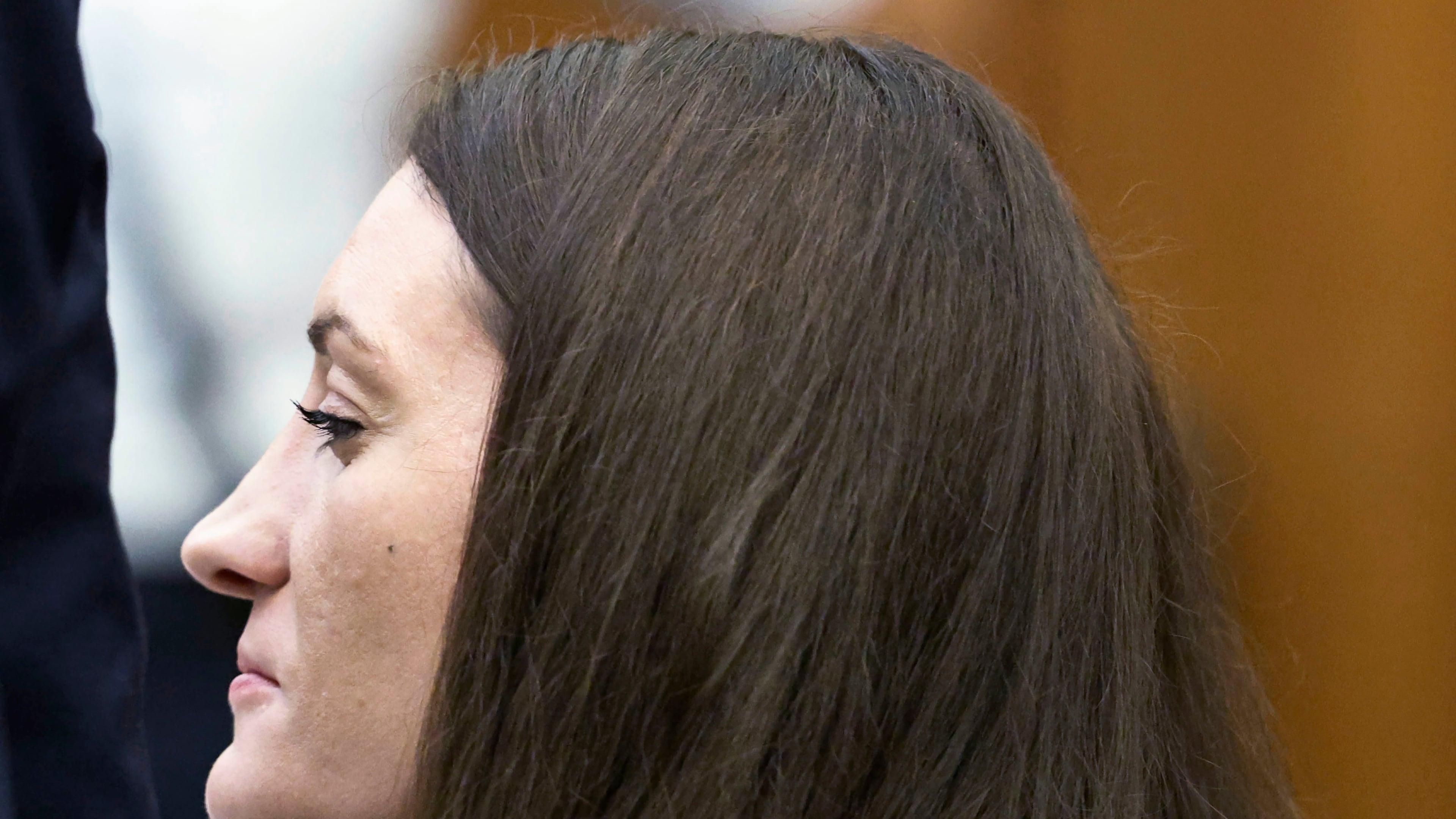
Lindsay Clancy has bipolar disorder and was experiencing anxiety, depression, insomnia and suicidal thoughts in the weeks before she killed her three children, a forensic psychologist testified Monday in her murder trial
Kirk Heilbrun, who examined Clancy over three days this year, said he came to a different conclusion than a forensic psychiatrist who also evaluated her and testified Friday that Clancy neither had bipolar disorder nor psychosis.
Both Heilbrun and Dr. Avram Mack testified as rebuttal witnesses for prosecutors in a case that centers around Clancy's mental state when she strangled her three young children before jumping from a second-story window in January 2023. Closing arguments are expected later this week.
___
EDITOR’S NOTE: This story includes discussion of suicide. If you or someone you know needs help, the national suicide and crisis lifeline in the U.S. is available by calling or texting 988.
___
Clancy’s attorney Kevin Reddington does not dispute that she killed the children. But he says she shouldn’t be held criminally responsible because she had postpartum psychosis, a rare mental illness linked to the stress, sleep deprivation and hormonal changes that follow childbirth. He said she also had bipolar disorder and that antidepressants prescribed worsened her condition.
Prosecutors say the former labor and delivery nurse planned the killings and contrived to get her husband out of the house by sending him to pick up medicine for one of their children and dinner for the family.
Heilbrun said he struggled to reach a diagnosis of bipolar 2 disorder “because of all the diagnoses in the records and all the symptoms that she experienced.” People with bipolar 2 disorder experience cycles of depression and hypomania, which is less intense than the mania experienced with bipolar 1 disorder.
“I was having a hard time finding something that looked like it was a manic episode,” Heilbrun said. “There were times when she felt, as she described it, after the birth of different children, she felt good. She felt on top of the world. She felt really close to them, her husband and her kids and so on. But, it’s also something that it didn’t look like a manic episode so much as it looked like she was really feeling good.”
Heilbrun echoed earlier testimony about Clancy's struggles with sleep, the negative reactions to medications she was prescribed, anxiety about returning to work and leaving her children as well as intrusive thoughts that include wanting to hurt herself.
But he noted that at a psychiatric hospital she stayed about two weeks before she killed her children that she never reported having hallucinations or suicidal thoughts. Her main concern was insomnia.
Clancy, 36, has pleaded not guilty to murder charges in the deaths of Callan, Dawson and Cora Clancy, who ranged from 8 months to 5 years old.
The two sides have presented experts with starkly contradicting testimony on whether Clancy was suffering from postpartum psychosis.
After the defense rested Friday, prosecutors began calling rebuttal witnesses, starting with Mack. He agreed that Clancy suffered from a major depressive episode but said he found no evidence of mania or hypomania to support a bipolar diagnosis — or of psychosis.