Children’s Healthcare drives $6 billion economic impact, new report finds
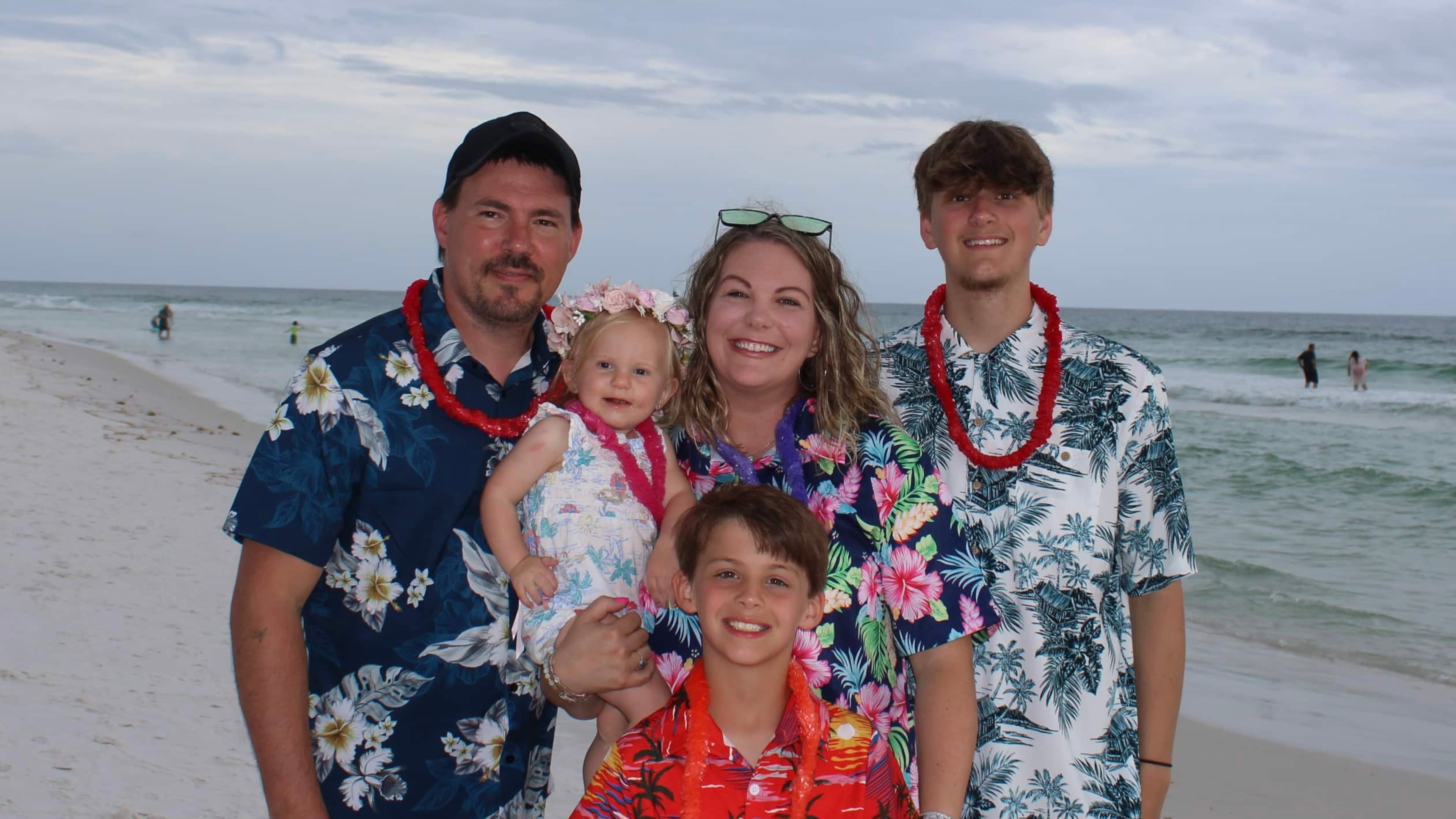
Jocelyn Tarrant has spent countless hours on the road to ensure her children receive the specialized care they need.
The Tifton mother of three, whose children each have serious medical conditions, faced a difficult decision when her oldest, Jayden, was diagnosed with leukemia several years ago. Although a children’s hospital in Jacksonville, Florida, was about an hour closer to home, she chose Children’s Healthcare of Atlanta after hearing positive reviews from family members.
Over the next four years, Tarrant made the 3 ½ hour drive from South Georgia to Atlanta at least once a week so Jayden could receive chemotherapy.
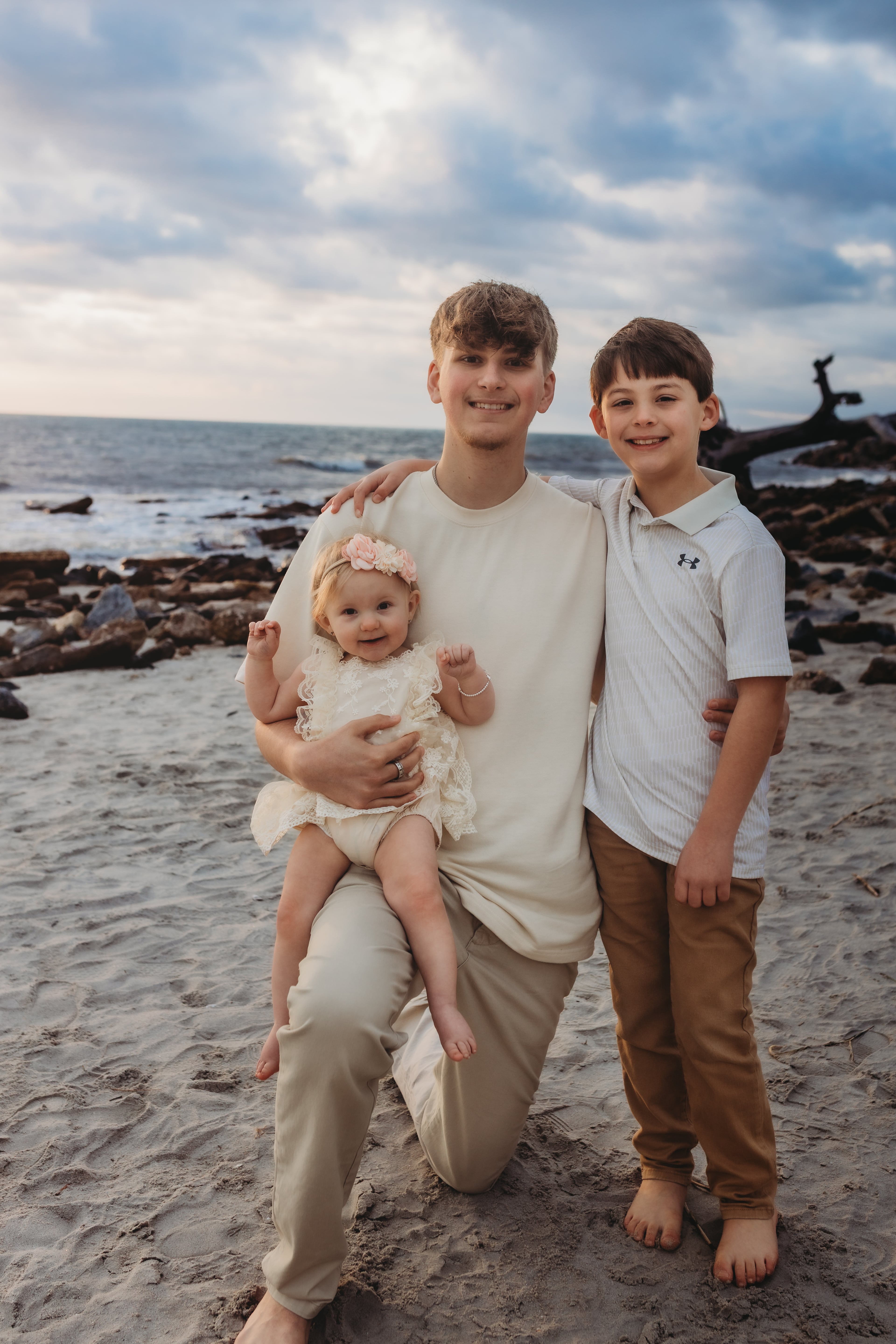
The family’s medical journey wasn’t over. Last year, shortly after her youngest daughter, Preslee, was born with a congenital heart defect, she stopped breathing in the middle of the night. After a visit to the Tift Regional Medical Center emergency room, Tarrant again chose Children’s over the Florida hospital for the newborn’s open-heart surgery.
So when her middle child, 8-year-old Lucas, was diagnosed earlier this year with an immune disorder that requires regular infusions to avoid frequent infections, Tarrant didn’t hesitate to return to Children’s.
“Everybody else was there. Why not?”
Tarrant said she valued having all of her children’s specialists in one place, which they didn’t have in Tifton. They return to Children’s about once a month now.
“I wish it was closer. It would make it easier … but the drive is worth it to get the kids the best care that they need.”
Stories like Tarrant’s help explain the hospital system’s reach across Georgia. According to a new economic impact report by Georgia Tech, 55% of Children’s patients would have left the state for specialized care if the hospital didn’t exist. The report estimates Georgia also would have lost 16,500 jobs and $3.4 billion in investment to other states.
Children’s generates $6 billion a year in economic output for Georgia, an increase of 65% in 10 years, which can be attributed, in part, to strong revenue growth, according to the new report.
“I would say that is a meaningful contributor for a nonprofit that is not a Fortune-500 company, major retailers such as Coca-Cola and Home Depot,” Children’s CFO Ruth Fowler told The Atlanta Journal-Constitution.
She added that having Children’s in the state “is a plus to this economy and to the ecosystem that’s attractive for people to live here and have a healthy life.”
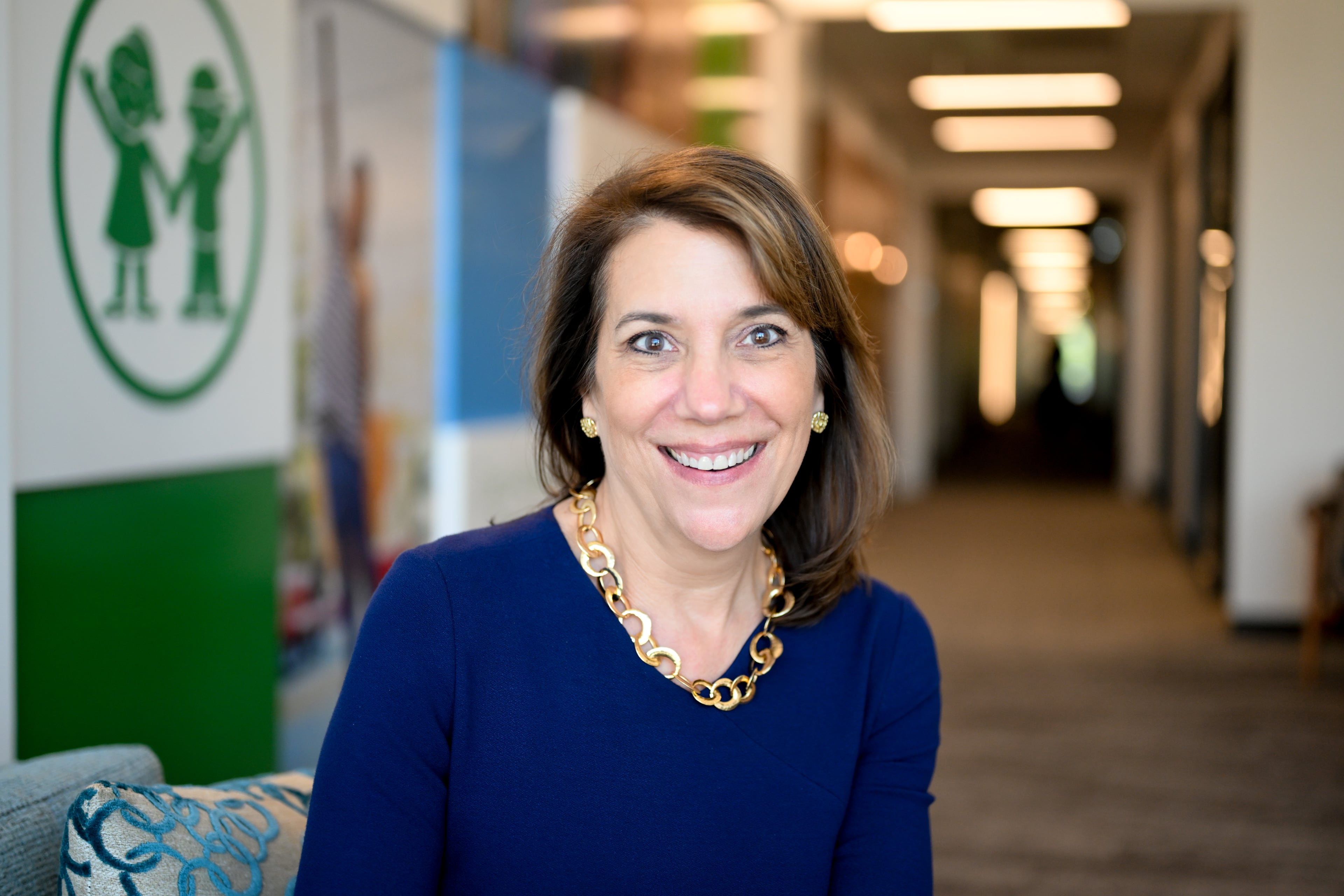
Financial analyst Sam Levitt reviewed the findings of the new study and Children’s most recent financial statements for the AJC and found that the health system continues to maintain very low debt and a large financial cushion. That strength comes as Children’s operates three hospitals and eight urgent care centers, with 20 locations across the state providing access to more than 40 specialty care clinics.
Net assets grew from $10.7 billion at the end of 2024 to $12.7 billion at the end of 2025, according to financial statements Children’s shared with the AJC.
“In an uncertain policy environment, you want your hospital to be in a strong financial position,” said Levitt, a health care consultant and analyst, and an instructor of health policy and management at the Harvard T.H. Chan School of Public Health.
“It should give some comfort that it’s a solid organization,” he said. Considering the current economic climate, he added that a nonprofit hospital having resources and stability “is a good thing.”
Giving back
The report is based on 2024 data and marks the first economic impact analysis since Georgia Tech’s 2016 study of Children’s Healthcare of Atlanta.
“We felt like since the significant transformation on the North Druid Hills campus and the investments we’ve made here, it was a good time to refresh and check in a decade later,” Fowler said.
Construction of Arthur M. Blank Hospital in that area helped drive the economic growth. It generated $14.7 million in annual net impact on the state beginning in 2020 until it opened in 2024, Georgia Tech’s research found.
Hospital construction supported thousands of jobs and $500 million in wages, according to the report, which included the first three months of the hospital’s operations.
Rural healthcare concerns
Children’s recognizes the historic lack of rural healthcare providers in the state. The health system estimates that about 1 in every 6 kids in Georgia use its services every year.
“We are the only Level 1 pediatric trauma center” in the state, said Linda Matzigkeit, Children’s chief administrative officer. “We provide $360 million a year in unreimbursed or subsidized care. We see 3,000 kids a day, and more than half of them receive financial assistance.”
Like many families who depend on Children’s, the Tarrants rely on a combination of Medicaid and private insurance. According to the report, about 55% of Children’s patients are covered by Medicaid, PeachCare for Kids or are unable to pay for their services.
Because rural communities generally don’t have enough pediatric patients to support a specialty children’s hospital, Children’s instead invests in partnerships with local providers, Matzigkeit said. Through a physician consultation hotline, transportation services and other support, the goal is to treat children close to home whenever possible while ensuring they can be transferred to Atlanta when they need more specialized care.
Children’s records 447 transports last year from rural Georgia, Matzigkeit said. “We have ground ambulance and we have a helicopter and flight team and so, where appropriate, we will get those kids here via transport.”
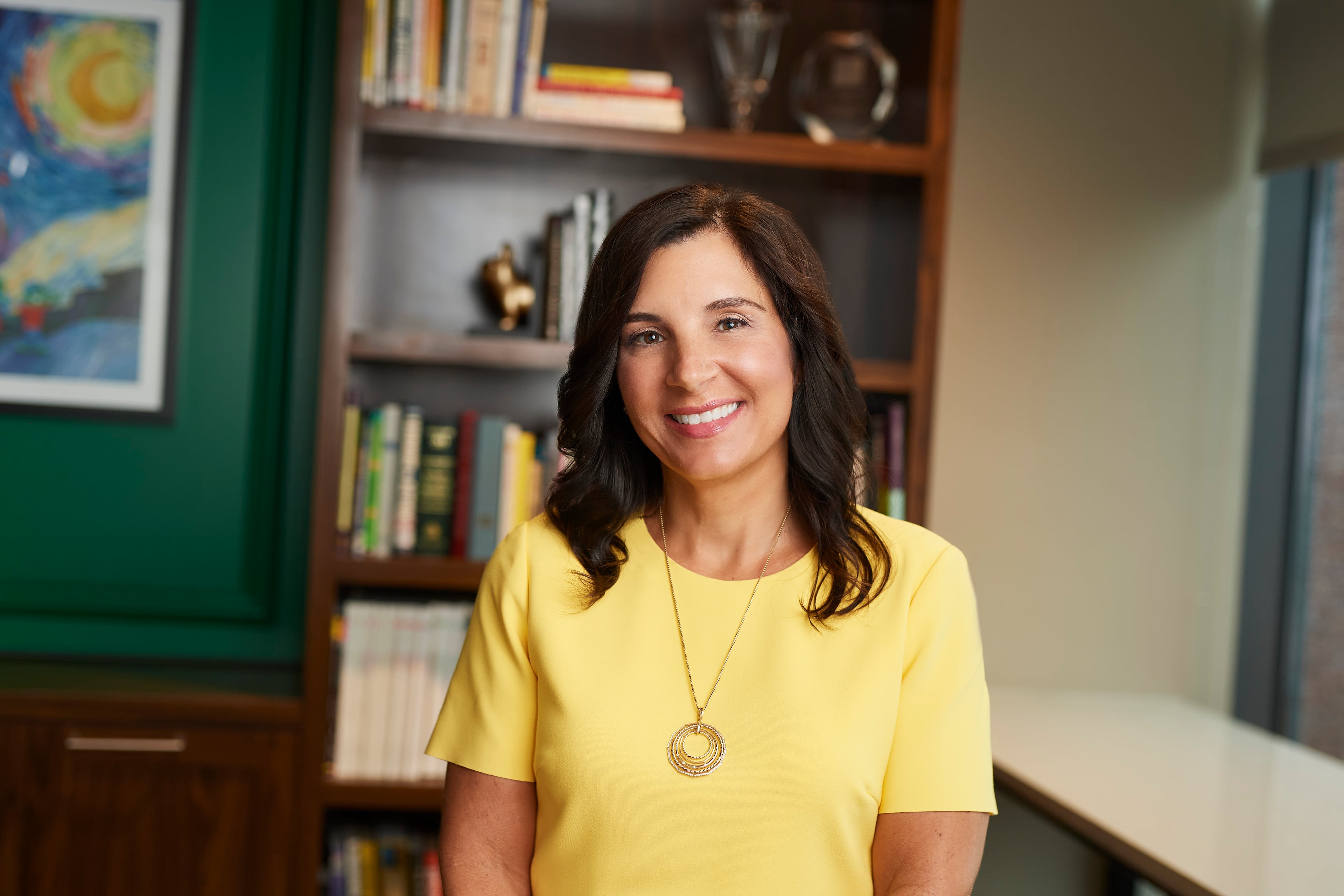
In addition, she pointed to Children’s partnership with Mercer University School of Medicine, offering 37 scholarships to date for pediatricians to train and practice in rural areas.
“What we are trying to do, where we can, is strengthen the communities for that front line of care. Most children need a pediatrician. There’s a small percentage that need us,” Matzigkeit said.
Children’s also worked with 28 rural hospitals to train staff to be prepared if an infant or child comes to their emergency department, she said.
Meanwhile, the health system is planning for projected population growth in the state, Fowler shared.
Despite opening a new hospital in 2024, Children’s already has expansion plans on the horizon. The hospital system received state approval to add 12 neonatal intensive care unit beds at Arthur M. Blank Hospital and the same number at Scottish Rite Hospital, she said.
“We can’t be out of beds in five years. We have to start planning now,” Matzigkeit said.
Fowler added, “We continue to grow and invest to meet the needs of the children, and by doing so we are a positive contributor to the economic health and vitality of the state.”
Roni Robbins has been a journalist for nearly four decades. This is her second stint as a freelance reporter for the AJC. She was formerly a freelance reporter and editor for Medscape. Her writing has appeared in WebMD, HuffPost, Forbes, the New York Daily News, BioPharma Dive, MNN, Adweek, Healthline and others. She’s also the author of the award-winning novel, “Hands of Gold: One Man’s Quest to Find the Silver Lining in Misfortune.”

