Atlanta man freed after two decades behind bars for crime he didn’t commit
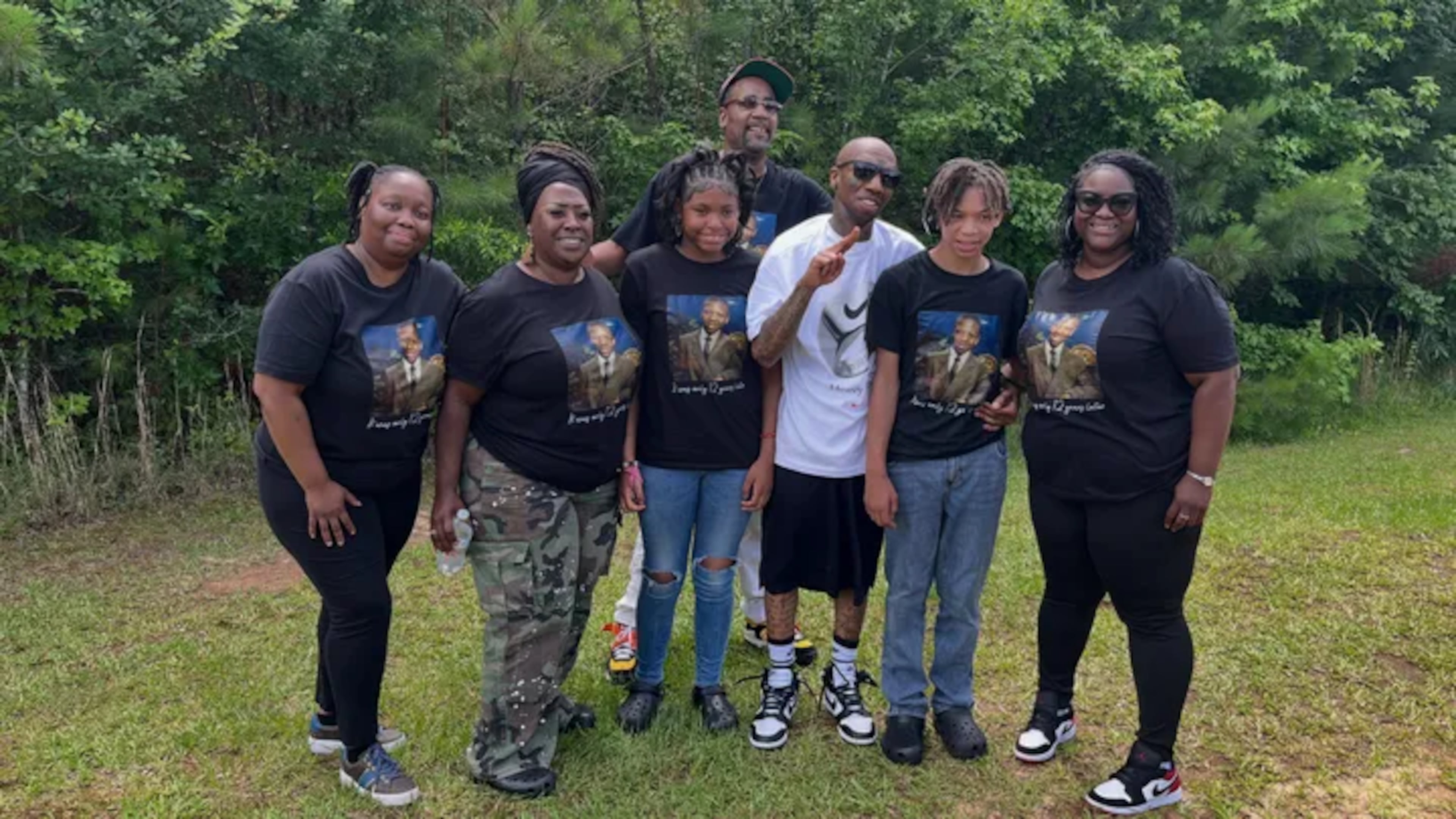
Marquez Powell spent nearly 21 years in prison for crimes related to the killing of his best friend, but new DNA evidence proved he was innocent, according to the Georgia Innocence Project.
The exoneration comes nearly one year after Georgia enacted its new system to compensate the wrongfully convicted, a pathway that allows people who can prove their innocence access to funds to make up for the many years lost behind bars.
Some prosecutors have created units designed to take another look at past convictions where exculpatory evidence is now available, like in Powell’s case. —
The Georgia Innocence Project, which provides legal help and advocacy for the wrongfully convicted, worked with Fulton County’s Conviction Integrity Unit to get Powell out of prison.
The Atlanta man was released after a hearing last week in which a judge granted the Fulton district attorney’s office’s motion to dismiss the charges, according to the Georgia Innocence Project.
In the 2005 killing of Shah Walton, Powell was accused under a “party-to-the-crime theory” of participating in a plot to rob and kill his best friend in Fulton County, according to a Georgia Innocence Project news release. Walton was shot and killed by Jacques Shockley, who was separately convicted of murder. Powell was convicted at 23 years old in 2008.
The original police detective on the case determined Powell was just a witness — a claim now supported by exonerating DNA evidence, according to the Georgia Innocence Project.
“For years, Mr. Powell fought to be heard and never stopped advocating for his innocence,” Kristin Nelson Verrill, executive director of the nonprofit, said in the news release. “This case reflects the importance of conviction integrity review and a willingness to follow the evidence wherever it leads.”
While exonerees now have a legal framework to pursue compensation through the state, that process takes time. A GoFundMe created for Powell aims to support his immediate reentry needs after two decades behind bars.
“Imagine losing over 20 years of your life to wrongful incarceration and stepping out of prison — with no money, no savings, and no credit history,” the GoFundMe campaign says. “People like Marquez are often left on their own after being freed.”