Beyond BuHi: 3 restaurants with owners who pivoted to international food
The American dream looks different for everyone, but the impetus is often the same: the freedom to explore possibility, a wild shot at what the future could be. To reinvent yourself as one German engineer did. Change gears as a South Korean optometrist did. Or to share cultural education in return for the academic one an Ethiopian restaurateur earned in the U.S.
Here are three examples of how immigrants are chasing their culinary dreams, showing how it’s never too late to pivot and you’re never too young to bet on yourself.
Bernhard German Bakery & Deli
It’s common for immigrants offering approachable food from their homeland to have fallen into the restaurant industry. It can happen out of homesickness for familiar flavors or out of service to others who might feel that way.
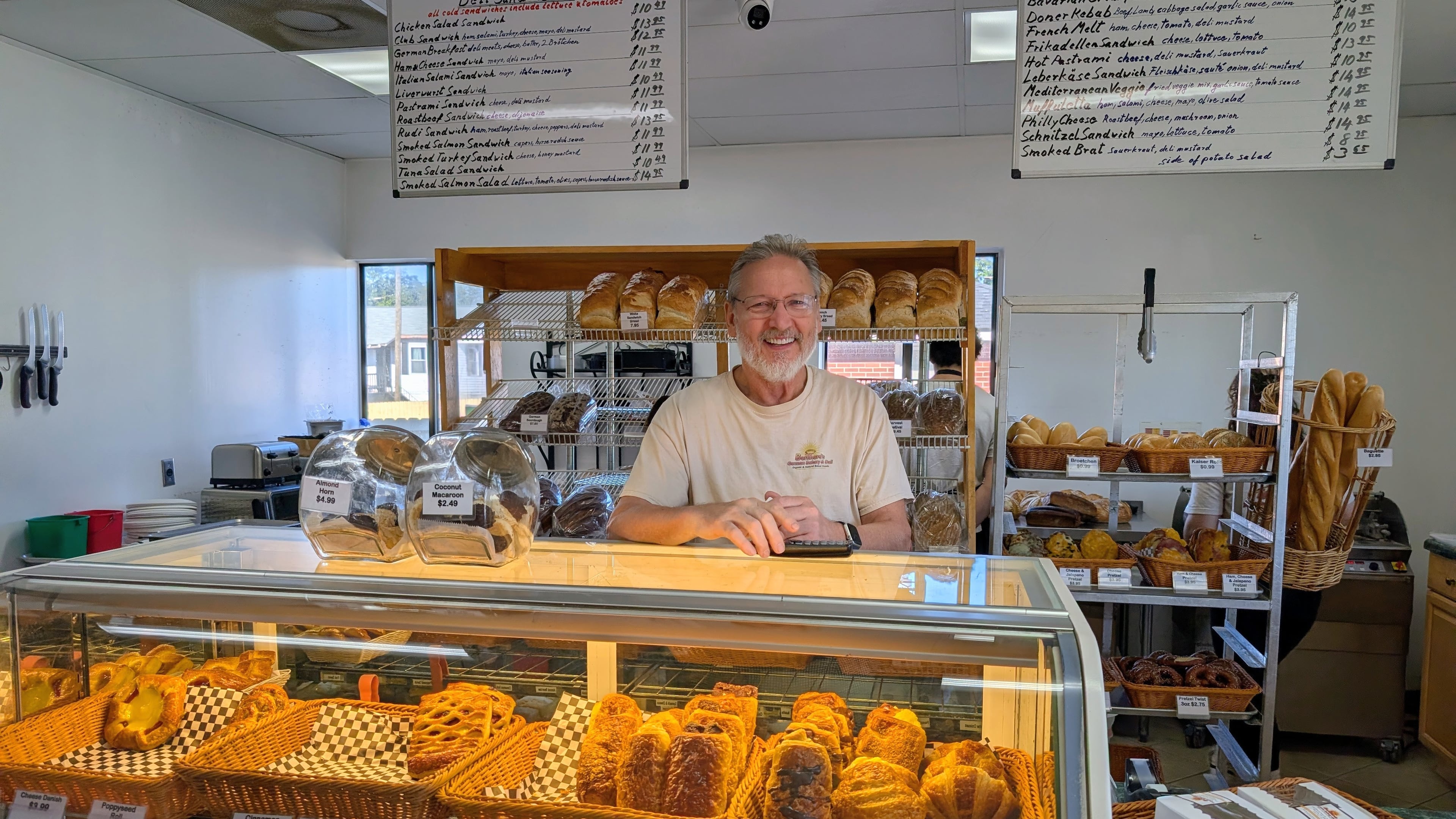
But for former mechanical engineer Bernhard Blecken, it was actually the reverse — he came to the U.S. from Lueneburg, Germany in 1999 specifically to open up a bakery in Duluth, which he then moved to Marietta in 2007.
Blecken told The Atlanta Journal-Constitution that, like many first-wave Americans, he “had always wanted to have my own business.”
At the time, baking was “an intense hobby”— so much so that he took extended vacation time to work and train in a professional bakery. There, he learned to perfect pastries and desserts like Amerikaners (what we typically call black-and-white cookies and erroneously attribute to Italian culture) while growing his knowledge of bread-making, a passion you might say that is baked into his heritage.
Blecken pointed out that Germany recognizes more than 3,000 official bread recipes and that UNESCO designated German bread to its intangible cultural heritage inventory in 2014.
“German culture revolves much more around bread than any other, even France,” he told the AJC.
What sets this category of breads apart, he explained, is a wider library of whole grain breads, particularly rye and fermented bread, which has gained popularity for being “so much healthier than white flour yeast breads.”
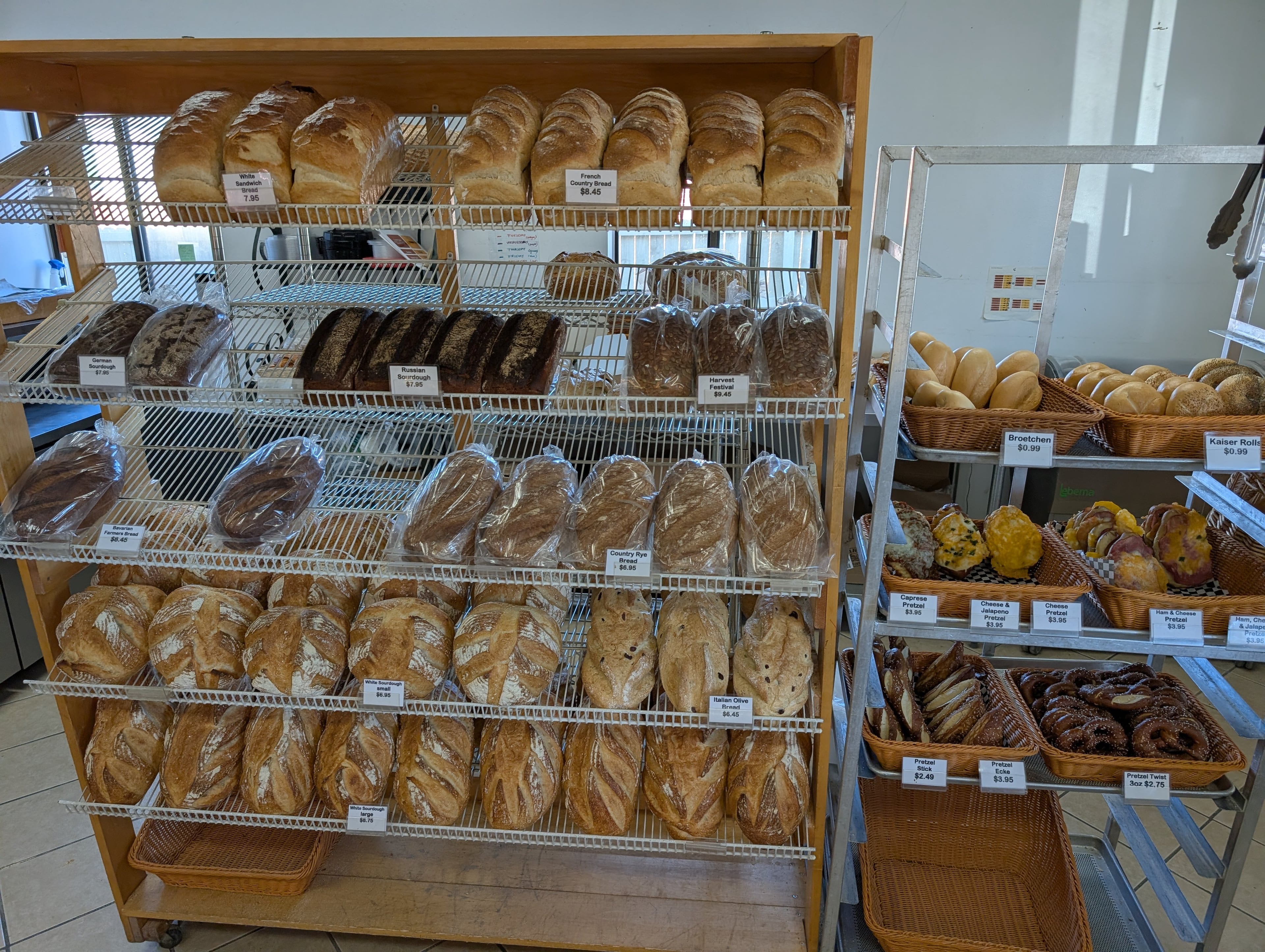
It felt serendipitous when, while working for a technical surface treatment company in Germany, one of his Atlanta contacts “put a bug in (his) ear” and told him how nobody else was making bread like his. Unlike American breads, Blecken’s loaves are hearty and rustic with no preservatives or chemicals and low on sugar and sweetness. The idea of opening a bakery in metro Atlanta took hold, and at 42 years old, he came to Georgia to answer that call as a newly minted entrepreneur.
Blecken didn’t get the smoothest start; he admitted naiveté in believing bread alone could sustain his business. But thankfully, his training allowed him to quickly expand to baking cookies and other goods. By the time he moved to his current location, his bakery dreams had grown to “a place that could offer everything you’d want or need to create a full-scale German meal,” from sausages and hot sandwiches to delicatessen sides and condiments.
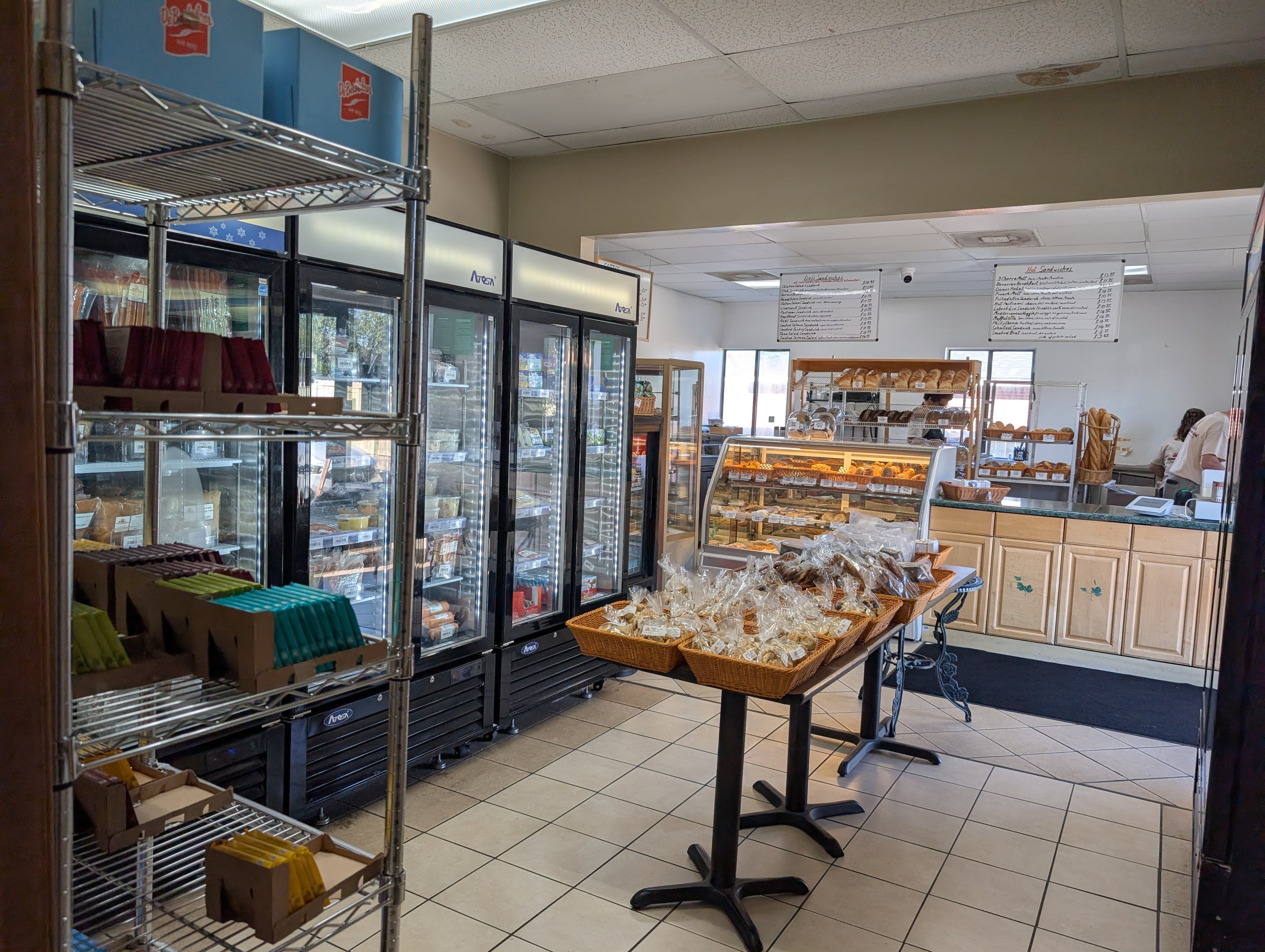
Today, what Blecken finds particularly rewarding is when people tell him his market transports them right to those of his homeland.
Some of his best-known baked goods include the sugar-free, lye-treated pretzels he also sells at the Marietta Square farmers market, Viennese-style apfelstrudel with apples and nuts using puff pastry and several dozens of different breads crafted from recipes from the Schwaben area around Stuttgart.
But ironically, he explained with a laugh, his bestseller since the pandemic baking craze is his white sourdough — the very opposite of the German rye and sun-ripened whole grain breads he moved here to promote — the perfect gateway to the wealth of bread tradition tucked behind his shop doors.
1592 Atlanta Road SE, Marietta. 770-218-1153, bernhardsgermanbakery.com
Yakitori Jinbei
Dr. Jae Choi also embarked on an unexpected, passion-driven career pivot when he took over the then-14-year-old Yakitori Jinbei in 2017. As both owner and executive chef, he steered the concept into nearly a decade of acclaim.
Born in Busan, South Korea, and raised in Chicago, Choi was already an established optometrist with his own practice at the time. His path until then was right in line with his family’s vision of achieving a better life and expanded opportunities when they immigrated in 1983. But it wasn’t necessarily his dream. Even in high school years earlier, Choi had asked his parents about attending culinary school. In 2016, he decided to sell his practice and go for it.
“I always had a love for Japanese cuisine from a young age,” he said, having been heavily exposed to it in his youth.
Choi’s maternal grandfather was an importer/exporter whose travels frequently took him to Japan and his grandmother spoke the language, giving him context and appreciation for the culture. So when he had the chance to purchase this small Japanese restaurant, he jumped on it as an opportunity to showcase some of his favorite dishes and infuse them with Korean twists for a concept that brought together two of his most beloved cuisines.
Now, Yakitori Jinbei is known for dishes like a pork katsu ramen in a curry broth and a spicy ramen featuring Napa cabbage and pork “reminiscent of a kimchi and pork stir-fry found in Korean cuisine,” Choi says.
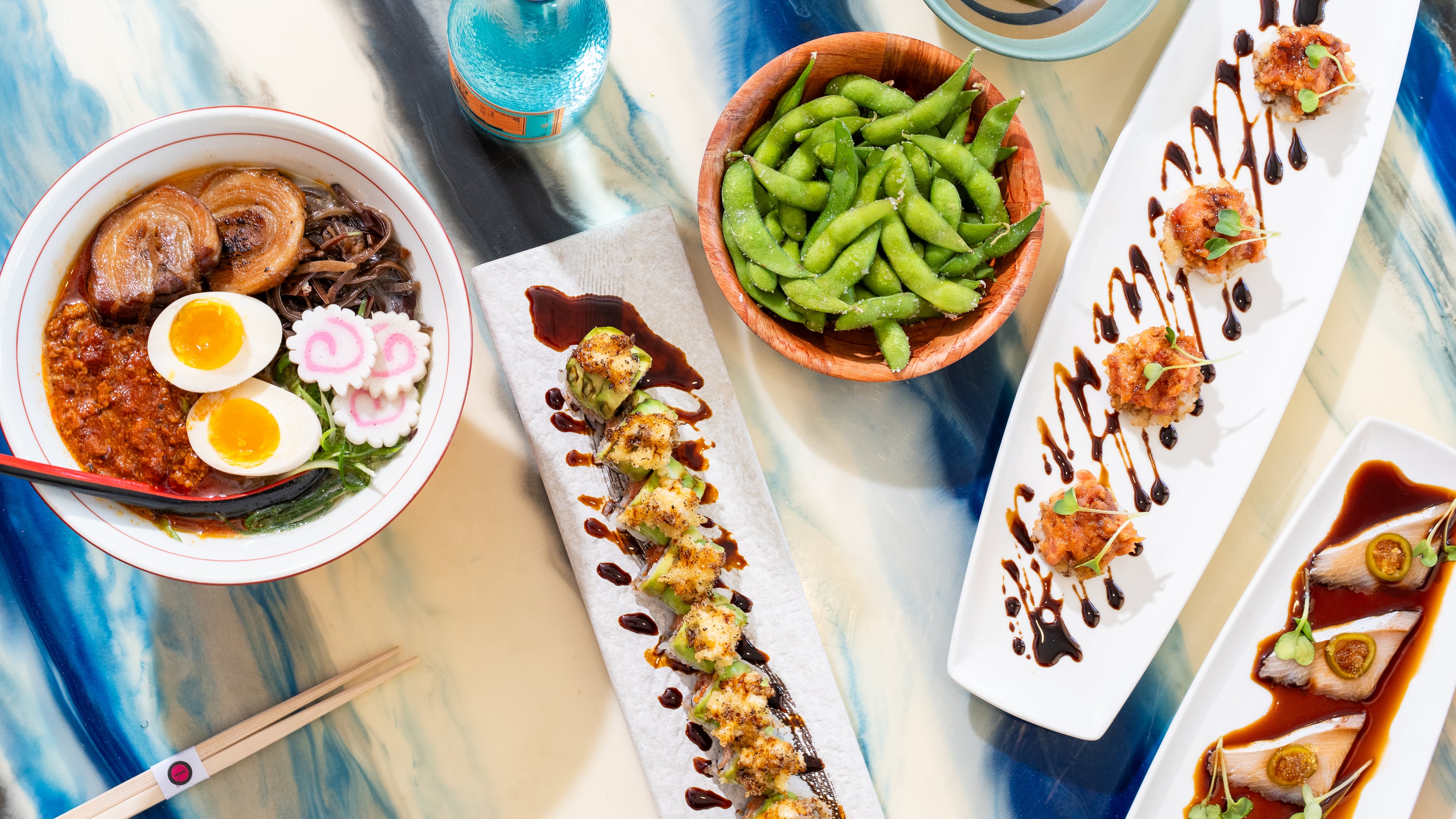
Flavor mashups like these led to a visit from Guy Fieri and a feature on “Diners, Drive-Ins, and Dives” which further solidified a longstanding following for other signatures like his okonomiyaki, takoyaki, Korean fried chicken and rice bowls.
Yet, of all these dishes, the shop’s dumplings are the most personal for Choi.
“I can recall making dumplings with my mother and grandmother as a young child, and in our early years, after immigrating, our family would get together to cook and eat with all the aunts and uncles. I would help out my mother in making dumplings and we’d cook them together,” Choi reminisced.
That personal touch makes the gyoza our best recommendation as an appetizer, allowing Atlantans to start their meal with where his culinary journey itself began.
2421 Cobb Pkwy. SE, Smyrna. 770-818-9215, yakitorijinbei.com
Verdure
In the past several years, Atlanta has seen a boom in restaurants showcasing specific cuisines from regions across Africa, and a reclamation of heritage ingredients and dishes among Southern chefs though movements like The New South.
However, Aïda Lemma, the Ethiopian-raised co-owner and managing partner of Verdure is taking the broader tack to better showcase the diversity of her native continent, which she moved from in 2007 to attend college and study business administration and finance. She combined forces with executive chef Jean Louis Sangare, who left Africa’s Ivory Coast to pursue his own education in Paris before spending 15 years as chef de cuisine at New York City’s Le Bilboquet.
Together, the pair have created a space where different African influences — from Ethiopia, Ghana and Nigeria — could meet while also reflecting their experiences living in the U.S., Lemma told the AJC.
This approach has allowed the two to “present African flavors in Atlanta in a way that felt both familiar and unexpected” since the restaurant opened in 2023, Lemma explained.
“Someone who had never experienced African cuisine could walk through our doors, recognize something familiar on the menu, and then discover an ingredient, spice or flavor they may never have tried before,” she said.
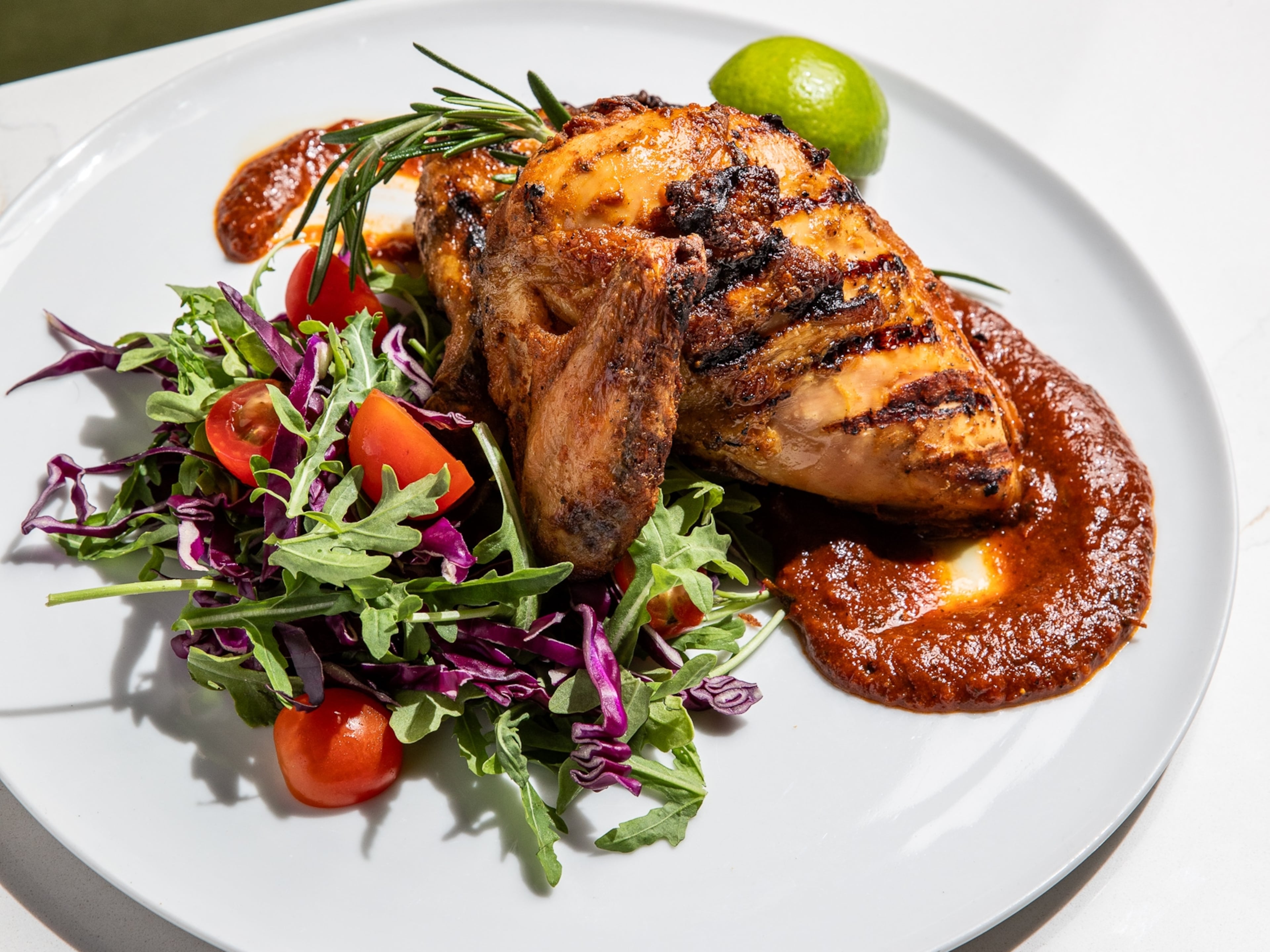
This can mean suya peppers, baobab, shito, Ethiopian honey and more, revealing the versatility of African ingredients to diners.
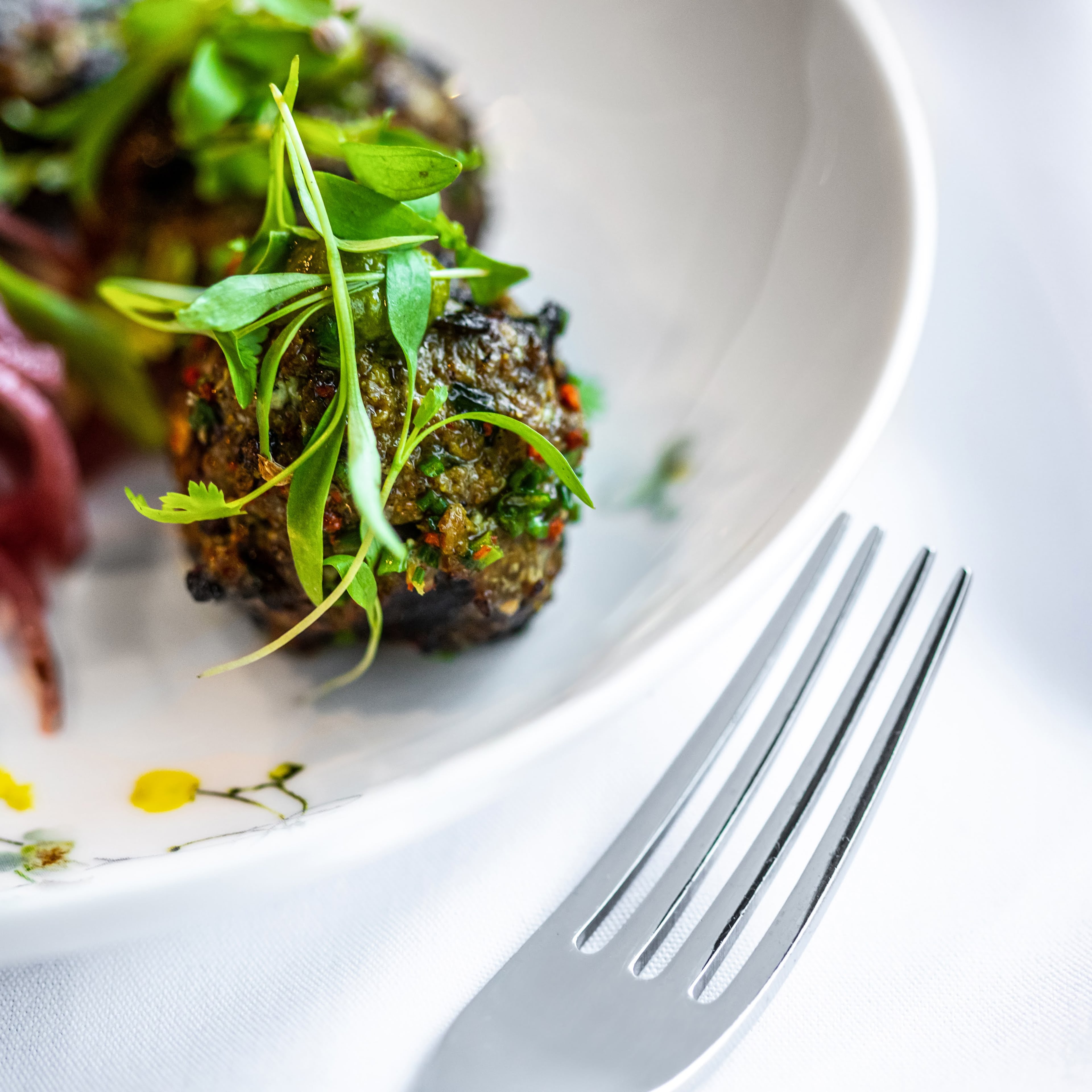
“We’ve also found ways to reinterpret traditional ingredients in unexpected forms, such as our egusi hummus, while dishes like Zanzibar lamb chops and Afriki red snapper draw inspiration from different regions of the continent,” Lemma said.
Their work showcasing the diversity of Africa’s food culture perhaps shines brightest on their anniversary every July, when they choose three African countries to spotlight. This summer, it was Liberia, Nigeria and Cameroon. The annual celebration shows how Verdure continues to evolve while “giving our guests an opportunity to experience cuisines and traditions from across the continent,” Lemma said.
560 Dutch Valley Road NE, Atlanta. 404-946-8973, verdurekitchen.com
Su-Jit Lin is a food and travel writer and a product of two generations of chefs; her entire childhood was spent in a restaurant kitchen. A daughter of immigrants herself, Beyond BuHi is a love letter to Atlanta’s uniquely unbounded immigrant influence, woven through the very fabric of every corner of this city as their food, techniques and traditions enrich our community.