9 tips for better mashed potatoes
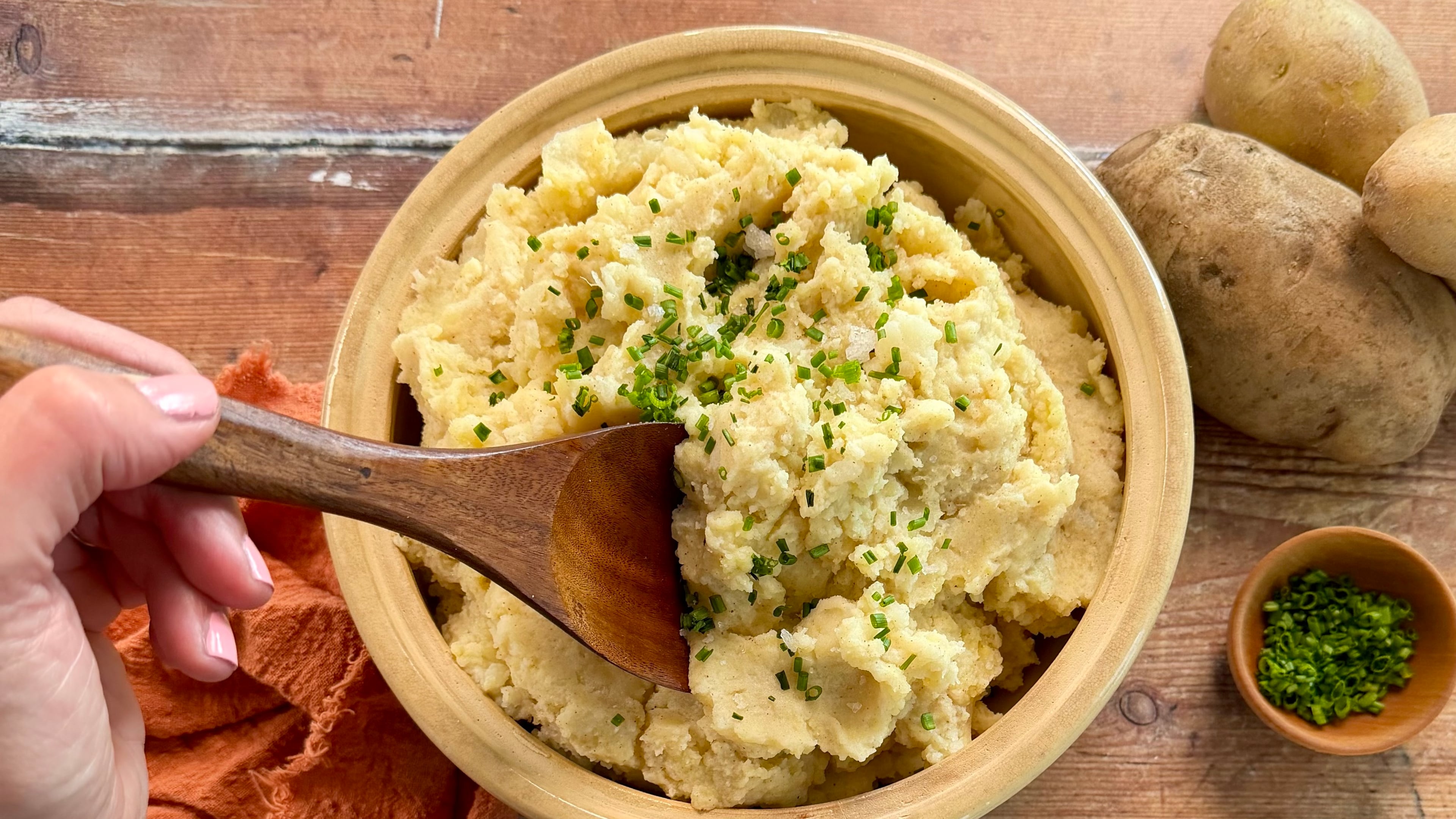

Mashed potatoes are nonnegotiable on any holiday table, but there’s a world of difference between good and awesome. Awesome mashed potatoes are silky, buttery and deeply flavorful. To get those results, you need a few helpful tips. Take it from someone who’s had to prep 50 pounds of potatoes for service on the regular.
Here are nine ways to make better mashed potatoes this Thanksgiving.
What are the best potatoes for mashing?
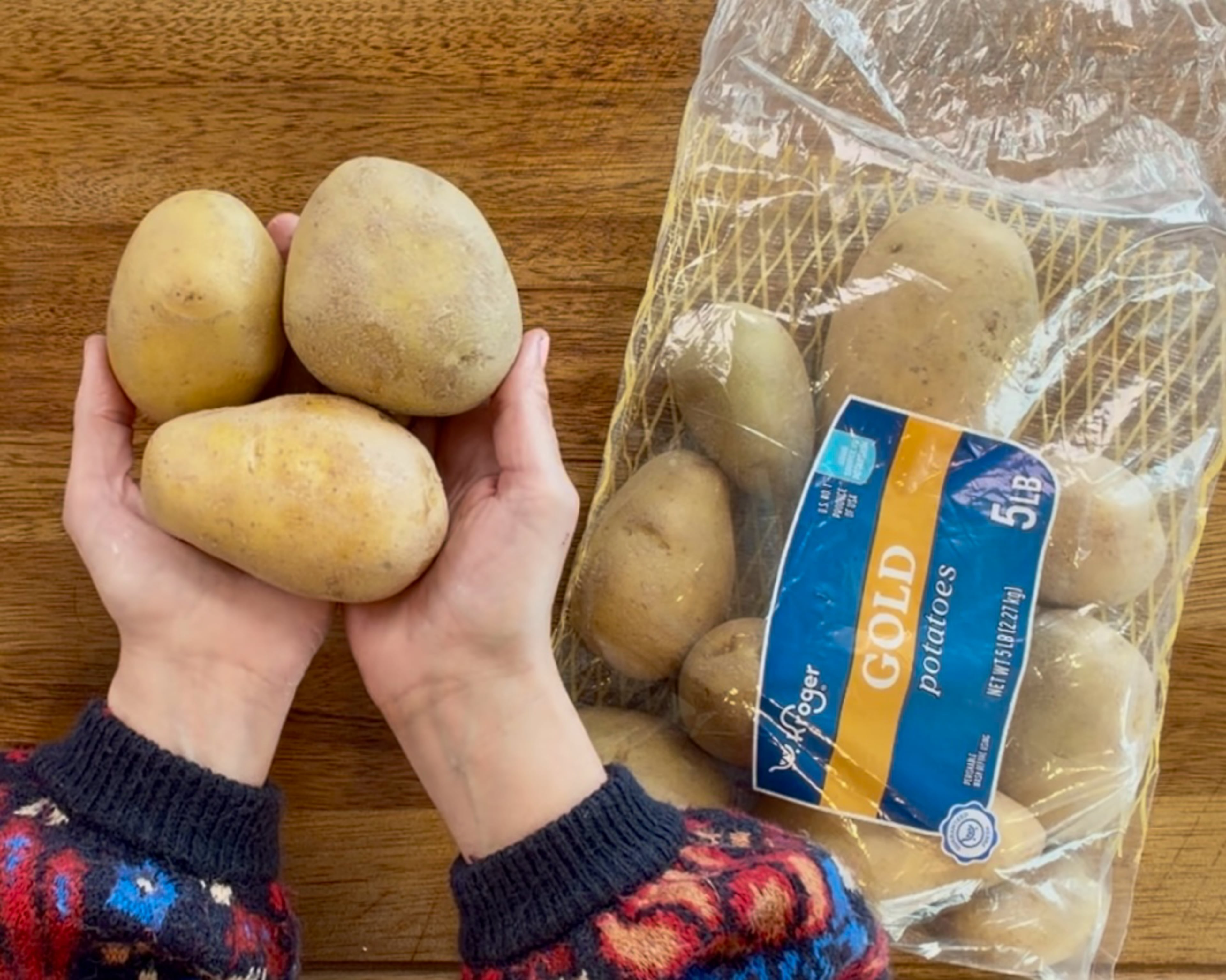
The best potatoes to mash depends on what texture you prefer. Are you a fan of creamy mash? Then reach for Yukon Golds. They have a moderate amount of starch and moisture, and produce a smooth, dense mash. If you’re looking for a fluffy mash, you can’t go wrong with russets. They are starchier and drier. They fall apart easily, which gives you lighter results.
Want the best of both worlds? Use half Yukon Golds and half russets.
When making mashed potatoes, steer clear of waxy spuds like reds. They’re lower in starch, and their cells hold together better when cooked. That’s perfect for when you’re looking for cubes that hold their shape, like when you’re making potato hash or potato salad. But by the time you’ve worked out all the lumps in a waxy mash, you can release so much starch your potatoes end up gluey.
What’s the easiest way to peel potatoes?
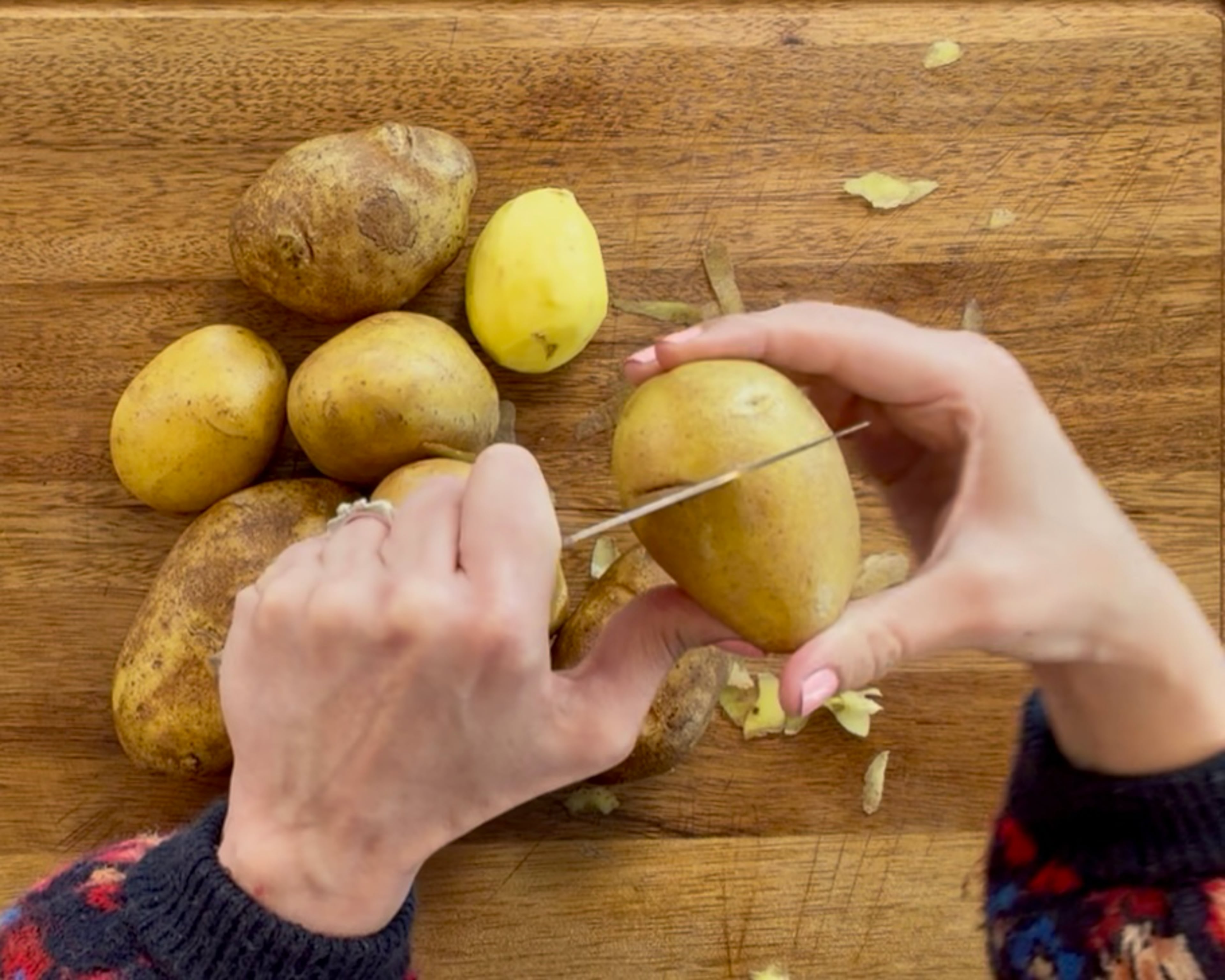
The easiest way to remove potato skins is to put the peeler down. Instead of spending 10 minutes trying to work the peel off the potato (and not your fingers), run a paring knife around the circumference of each potato, barely cutting through the skin.
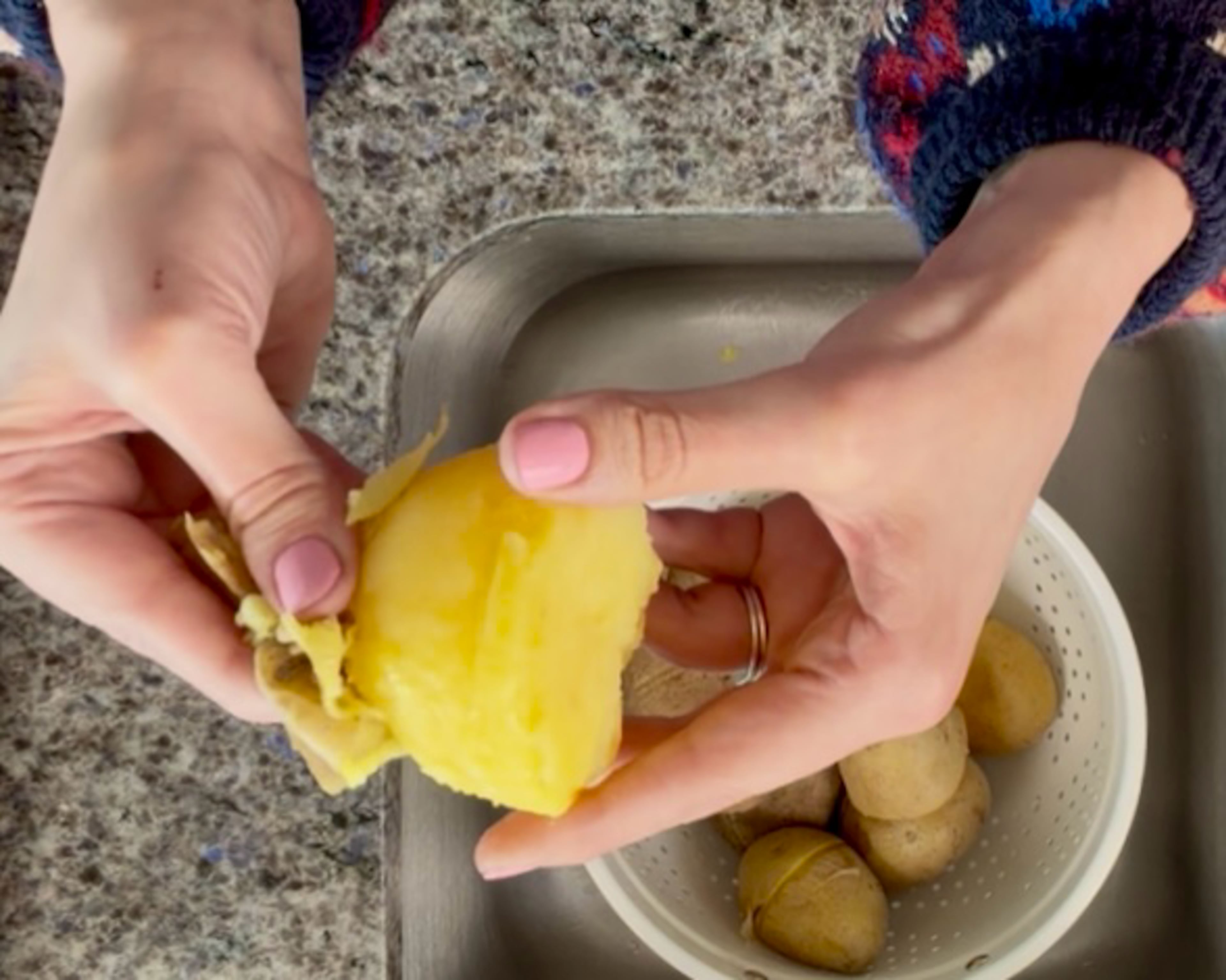
Boil the potatoes in salted water until fork-tender. Drain them in a colander. Once they’re cool enough to handle, gently pull the skins away from the scored line. They will come right off.
Should you start potatoes in hot or cold water?
Start potatoes in cold water. Always. Starting potatoes in boiling water can cause the outsides to soften before the centers finish cooking.
Place potatoes in a pot, cover with cold water, and salt them generously. Very generously. The water should taste salty. Bring to a boil, then reduce to a simmer until you can insert a fork into the potatoes without any resistance. Cooking time will depend on the size and type of potato.
What’s the secret to mashed potatoes that aren’t watery?
Watery potatoes can be off-putting. So after draining and peeling, return the potatoes to the warm pot over low heat for about 2 minutes. Shake the pot occasionally to release excess moisture. The steam that’s released is evaporating water that would otherwise dilute the butter and dairy you’re about to add.
How do you give mashed potatoes more flavor?
The trick to more flavorful mashed potatoes is aromatics. Warm your half-and-half until steaming with a quarter of an onion with a clove stuck in it, a smashed garlic clove and a bay leaf.
Let the mixture steep gently while the potatoes boil. Then bring back up to steaming and strain out the aromatics before adding the cream to the potatoes.
For even more flavor, brown your butter in a saucepan until the milk solids turn golden and smell like hazelnuts. Brown butter adds toasted nutty notes without overwhelming the potatoes.
Should you use a masher or a ricer to mash potatoes?
If you’re looking for rustic mashed potatoes with a little texture, reach for the masher. Use a potato ricer for restaurant-quality creamy mash potato with a smooth texture. Whatever you do, don’t overwork the potatoes. And skip the food processor and the blender. Their blades rupture too many starch cells and turn your potatoes gummy.
Should you add butter or milk first to mashed potatoes?
Add salted butter first. Fold it into the hot potatoes then add the warm, strained half-and-half a splash at a time. The butter coats some of the starch released during mashing, which helps keep the potatoes creamy.
Why are my mashed potatoes gluey?
That “wallpaper paste” effect can happen with any variety of potato if you overwork it. The more you mash, the more starch you release and the gummier your potatoes get. Use a light touch, and never put potatoes in a blender or food processor.
The two biggest factors in avoiding gummy potatoes are choosing the right potato variety and using a gentle touch when mashing.
How do I keep mashed potatoes warm?
Keep the potatoes warm by holding them in a buttered slow cooker on the lowest heat setting for up to four hours. If you don’t have a slow cooker, transfer the mashed potatoes to a heatproof bowl. Add 2 inches of water to a large pot and set the bowl inside, making sure it rests securely on the rim and does not touch the bottom of the pot. Cover the bowl tightly with a tea towel or aluminum foil. Bring the water to a gentle simmer over low heat, replenishing the water as needed.
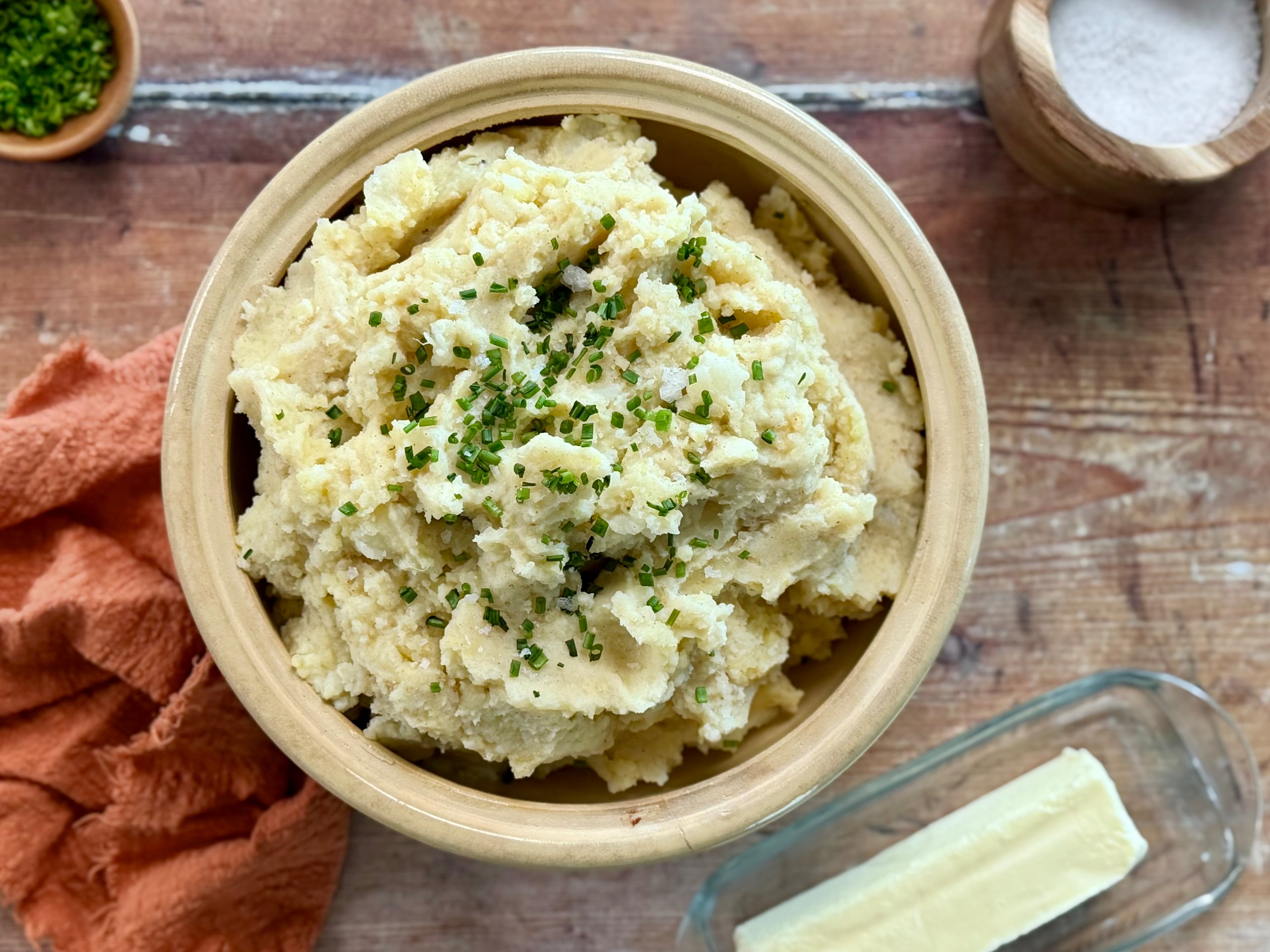
Buttery Mashed Potatoes
MAKES 6 SERVINGS
Yukon Golds, warm garlic-infused half-and-half and plenty of butter make a rich, comforting mash in less than an hour.
Ingredients
- 3 pounds Yukon Gold potatoes
- 8 tablespoons (1 stick) salted butter, plus 4 tablespoons, cut into tablespoon-size pieces (optional)
- 1 cup half-and-half
- ¼ small yellow onion, peeled
- 1 whole clove
- 1 large garlic clove, smashed
- 1 bay leaf
- kosher salt, to taste
Instructions
- Using a paring knife, make a shallow cut in the skin all the way around the middle of each potato. If a potato is very large, make a second cut lengthwise to form a cross. Place the potatoes in a large pot of cold, generously salted water. Bring to a boil, then reduce the heat to a simmer and cook until a fork slides easily into the center, 25-35 minutes, depending on size.
- Meanwhile, gently warm the half-and-half, onion, clove, garlic and bay leaf in a small saucepan over low heat until steaming; remove from the heat and let steep while the potatoes cook.
- In another small saucepan, melt the butter over medium heat and cook, swirling occasionally, until it froths then turns golden brown and fragrant. Remove from the heat.
- Drain the potatoes and let them cool just until they are comfortable enough to handle, then slip off the skins. Return the peeled potatoes to the warm pot over low heat for 1-2 minutes to evaporate any excess moisture.
- Rice or mash the potatoes.
- Stir in the brown butter. For a more luxurious mouth feel, add 4 more tablespoons of cold butter.
- Reheat the steeped half-and-half until steaming and strain half it into the potatoes. Gradually add the remaining half-and-half until the potatoes reach your preferred consistency. Season to taste with salt and serve.