They came to feed Atlanta. Back home, they’re fighting for water.

On Saturday, thousands of Atlantans will gather at SanSe Atlanta for the city’s largest celebration of Puerto Rican food, music and culture. They will fill the grounds of the Ameris Bank Ampitheater in Alpharetta and help raise money for Ser Familia, the Georgia nonprofit that provides mental health and family support services to Latino families. They’ll stand in line to meet some of Puerto Rico’s most celebrated chefs and savor their culinary creations.
What many attendees may not realize is that some of those same chefs are returning home to restaurants operating amid recurring water and power outages that have become part of daily life across parts of Puerto Rico.
For restaurateurs, water is not simply another utility. Water washes produce. It cooks food. It sanitizes dishes. It makes ice. It allows restaurants to open their doors.
Yet since Hurricane Maria in 2017, water outages tied to aging infrastructure, equipment failures and a fragile electrical grid have disrupted daily life for communities across all of Puerto Rico. Recent failures affecting the island’s water system have left more than 100,000 residents without reliable service for over a month, prompting emergency declarations and the deployment of water trucks. There is no relief in sight.
Despite those challenges, Puerto Rico’s culinary scene continues to flourish. That contrast will be on full display at SanSe Atlanta.
Puerto Rico’s culinary stars are bringing their talents to Georgia
The chefs participating in SanSe Atlanta are among the leading voices in Puerto Rico’s modern food movement. Among them are Xavier Pacheco, Raúl Correa and René Marichal, co-owners of Bacoa Finca + Fogón in Juncos, Puerto Rico. All three were 2026 James Beard Award semifinalists for Best Chef: South.
Together, they represent a generation of chefs helping redefine Puerto Rico’s culinary identity through local agriculture, traditional ingredients and contemporary cooking.
“It’s an honor to participate in SanSe because of the incredible Puerto Rican diaspora in Atlanta,” Pacheco said. “People who may never have been to Puerto Rico get to know us through our cuisine.”
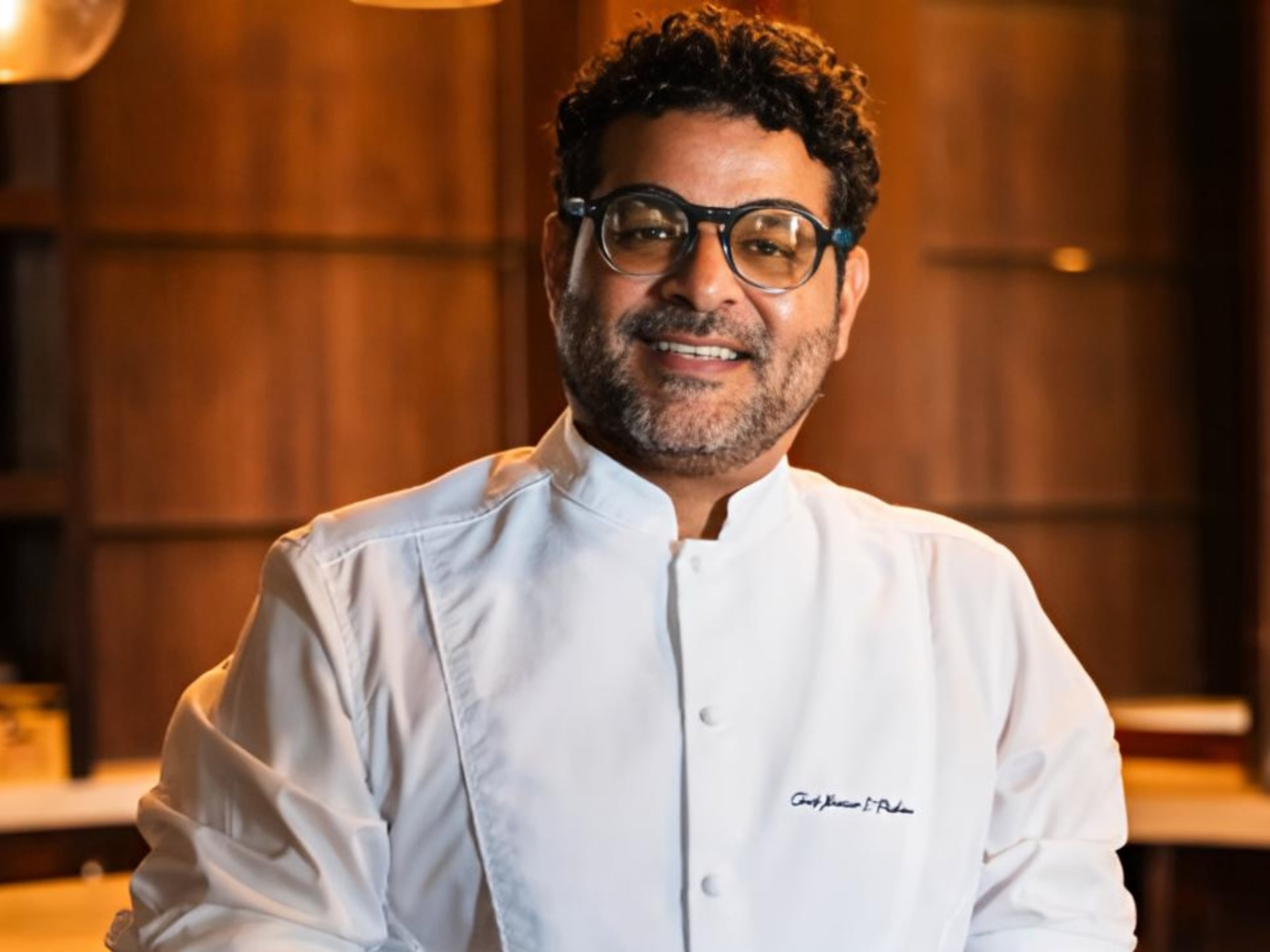
Water shortages are changing how restaurants operate in Puerto Rico
Pacheco spends much of his time encouraging travelers to discover Puerto Rico through its food, farms and restaurants. But running a restaurant on the island increasingly means planning for interruptions.
“We’ve had to change the way we approach our business because we know the water and power will go out,” he said.
The challenge is more than an inconvenience. Restaurant owners now routinely develop contingency plans for outages, store water and invest in backup systems simply to remain operational.
“We’re trying to tell the world Puerto Rico is here. We’re doing something awesome. We want people to come visit us,” Pacheco said. “But not having power and water affects that.”
For chef Carlos Portela, a James Beard finalist for Outstanding Chef in 2025 and chef-owner of Orujo Taller de Gastronomía in San Juan, the issue has become deeply personal.
Recently, his restaurant operated through eight days without water. He will not be attending SanSe.
“At first, when the water outages started, we would get angry. Now, we’ve normalized it,” Portela said. “That’s the horrible part.”
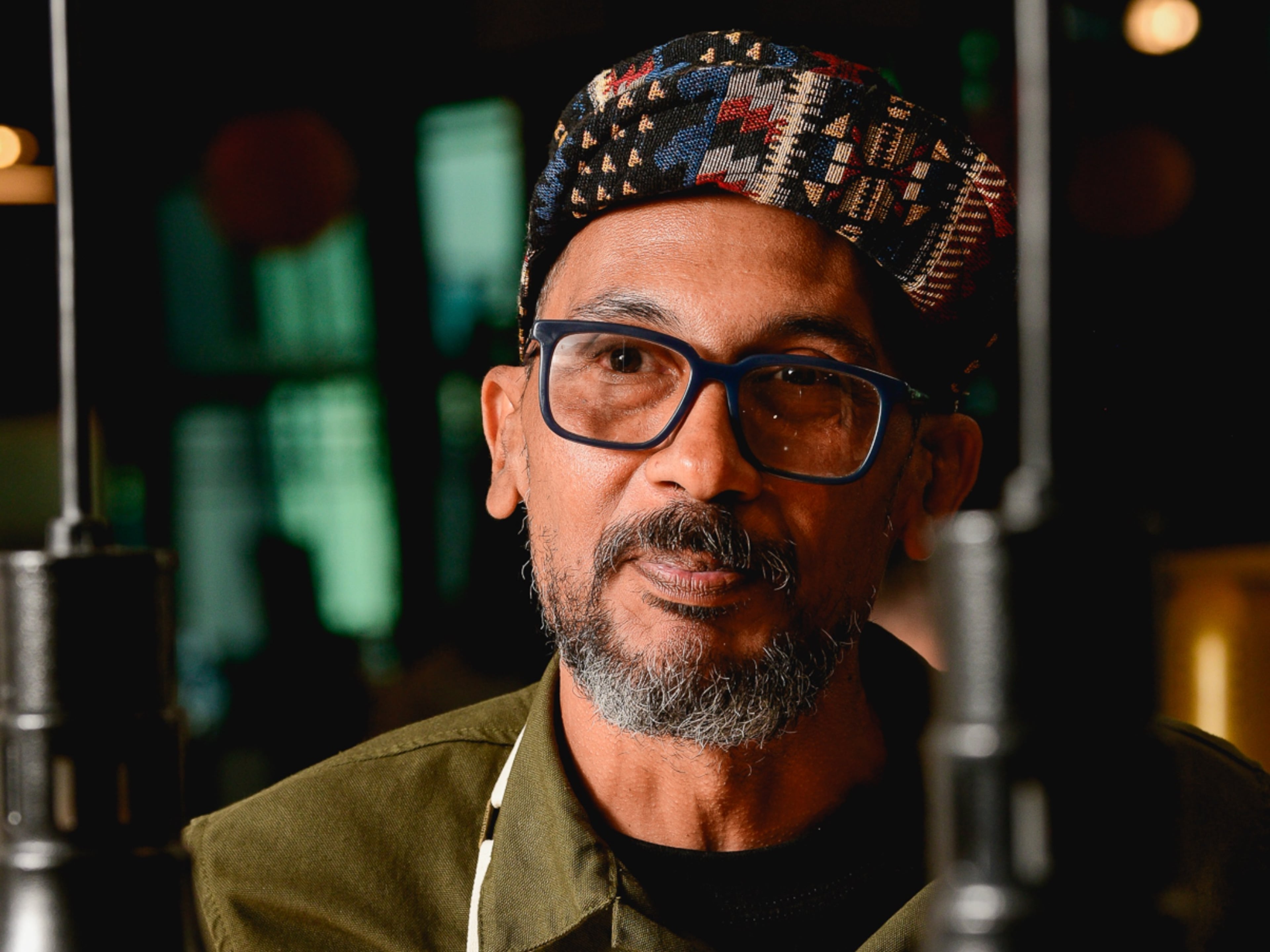
He describes a level of uncertainty that has become difficult to escape.
“There is always uncertainty,” he said. “Sometimes things start getting back to normal and you immediately start wondering what’s next.”
The outages affect revenue and operations, but Portela says his first concern is his employees.
“Before the customer is my staff,” he said. “I need to make sure they have water at home.”
The recent weeklong shutdown erased months of profits. Still, the phrase he returns to most often is one that captures the emotional toll many business owners feel. “Resilience shouldn’t be a job description.”
Restaurants have become part of Puerto Rico’s emergency response system
Chef Correa says Puerto Rican restaurateurs learned important lessons after Hurricane María and the earthquakes that followed. Today, planning for outages is built into the business model.
“It’s not a matter of if the water and electricity go out,” Correa said. “It’s a matter of when.”
Generators and water storage systems have become standard operating equipment for many restaurants. Correa believes Puerto Rico needs significant investment in its aging infrastructure.
“We need funding to fix the power and water grids because they are old,” he said.
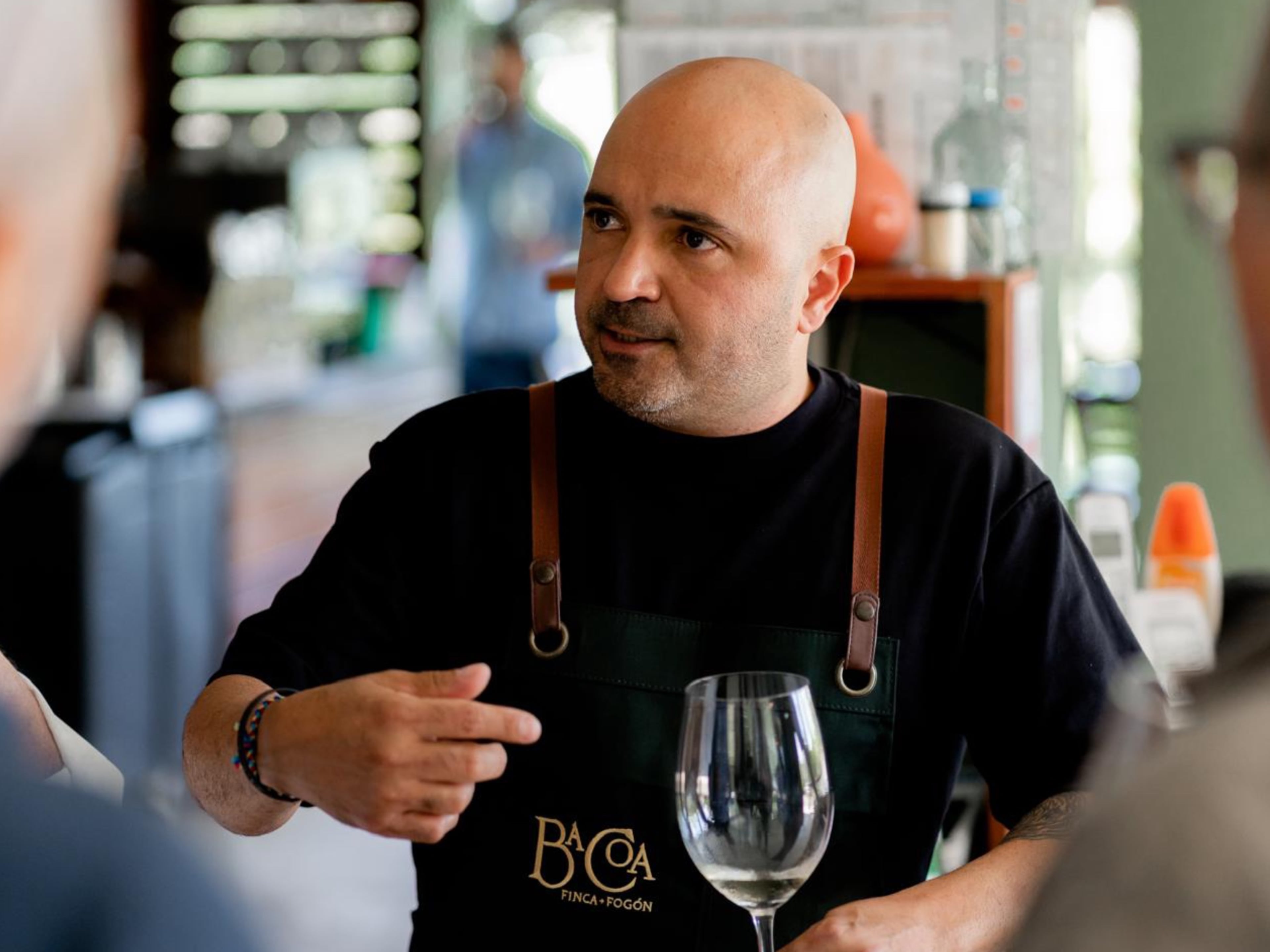
At the same time, he sees restaurants as playing a larger role within their communities during emergencies. When utilities fail, restaurants often become gathering places, information hubs and sources of meals for residents and employees alike.
“We have to be prepared. Imagine being a restaurateur and not being able to feed your community or employees in the middle of a crisis,” Correa said. “That would be the saddest thing ever.”
Puerto Rico’s food renaissance continues
What makes the situation particularly striking is that Puerto Rico is in the middle of a culinary renaissance. Across the island, chefs are building restaurants centered on local ingredients, relationships with farmers and a renewed focus on Puerto Rican identity. Many trace that movement back to Hurricane María.
Atlanta chef Héctor Santiago, owner of El Super is one of the city’s most visible ambassadors of Puerto Rican cuisine.
“María woke people up,” Santiago said. “People realized we had to provide more of our own food.”
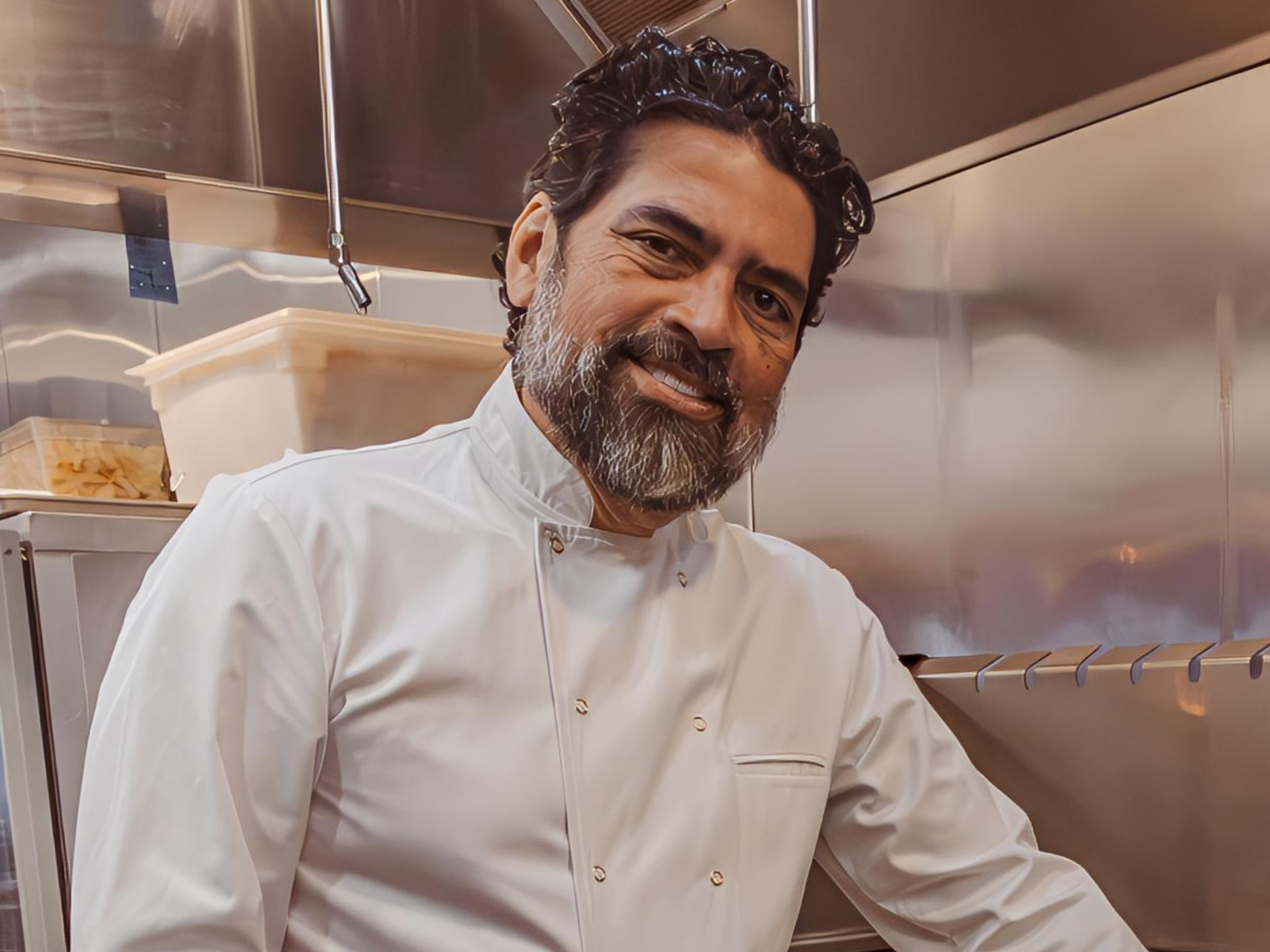
The storm exposed how vulnerable Puerto Rico’s food supply chain is, and inspired investment in local agriculture. New farms emerged. Relationships between chefs and producers deepened. Diners became more invested in supporting local food systems.
Chef Portela agrees. He worries, however, that infrastructure failures could eventually affect more than utilities.
“My biggest fear isn’t the water,” he said. “I can go to the river and get water. My biggest fear is the food supply.”
He worries about supply chains and the long-term stability of Puerto Rico’s food system. The concern reflects a broader reality on the island: infrastructure challenges don’t stop at the tap. They touch every part of daily life.
More than a food festival
For one day, SanSe Atlanta offers a celebration of Puerto Rican culture far from home and a reprieve from the water crisis. The festival, founded in part by chef Julio Delgado of Fogón and Minnie Olivia Pizzeria, has spent over a decade building connections between Atlanta’s Puerto Rican community and the island.
Each year, chefs travel from Puerto Rico to share their food, tell their stories and introduce new audiences to the culture they represent.
For many, that mission feels especially important now.
Chef Héctor Santiago acknowledges the frustration many Puerto Ricans feel. “Puerto Rico is part of the United States, a first-world country,” he said. “But our infrastructure for water and electricity is decaying into that of a third-world country.”
Still, none of the chefs coming to Atlanta want the island’s challenges to define it. They would rather talk about the farmers growing exceptional produce. The restaurants pushing Puerto Rican cuisine forward. The communities that continue supporting one another, challenge after challenge. On Saturday, Atlantans will get a taste of all of it.

They’ll experience the hospitality, generosity and creativity that have made Puerto Rico one of the most exciting food destinations in the Caribbean.
What they may not realize is that many of the people preparing those meals have spent years navigating obstacles most stateside restaurateurs never have to consider.
And yet the chefs of Puerto Rico continue to cook.
“We wear our flag in our hearts every day,” Santiago said. “It doesn’t matter what we’re going through, we represent our island with pride.”
For a few hours in Atlanta, that pride will be served alongside every plate.