Atlanta airport has leaked fuel, sewage into river for years, suit alleges
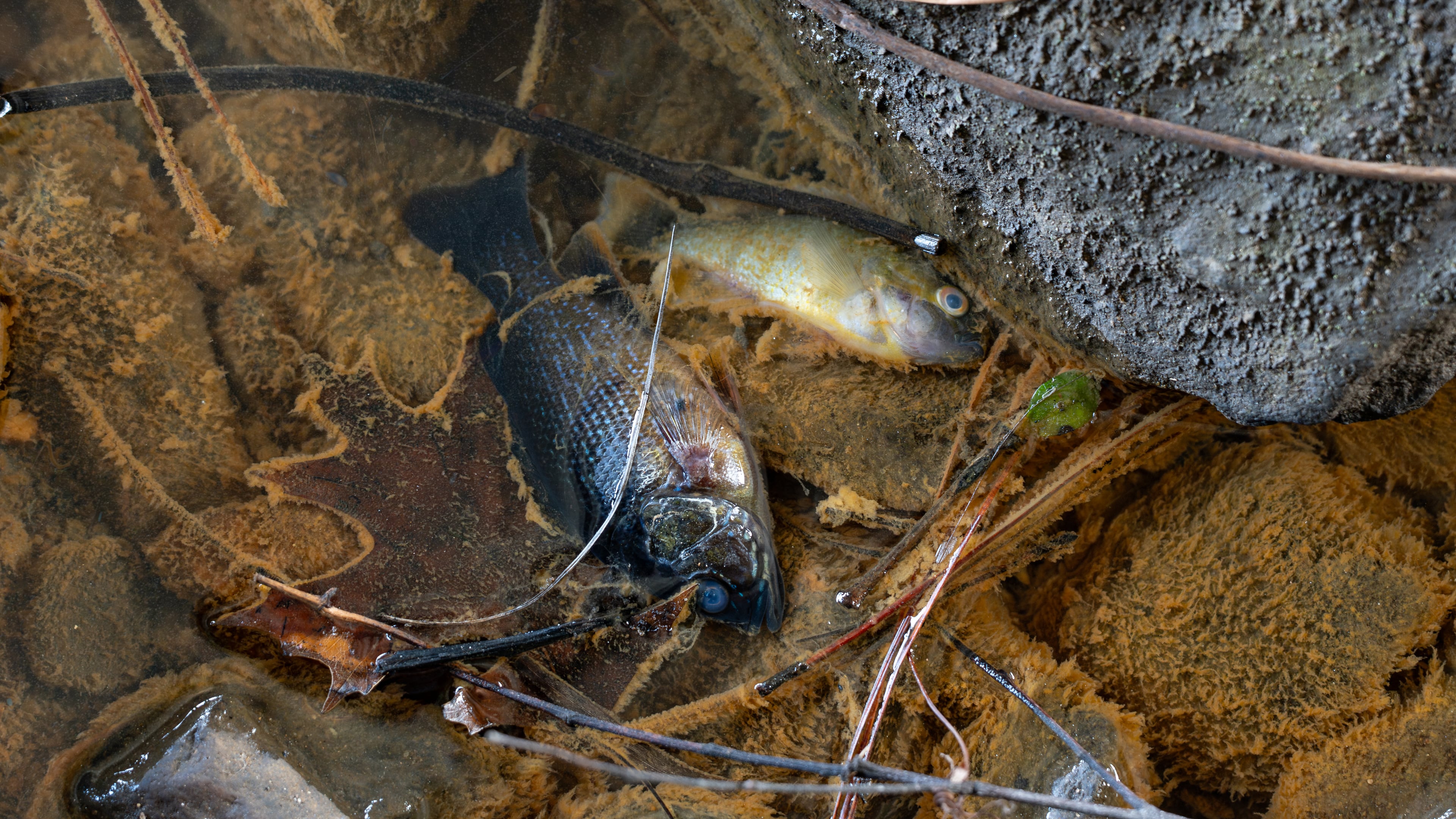

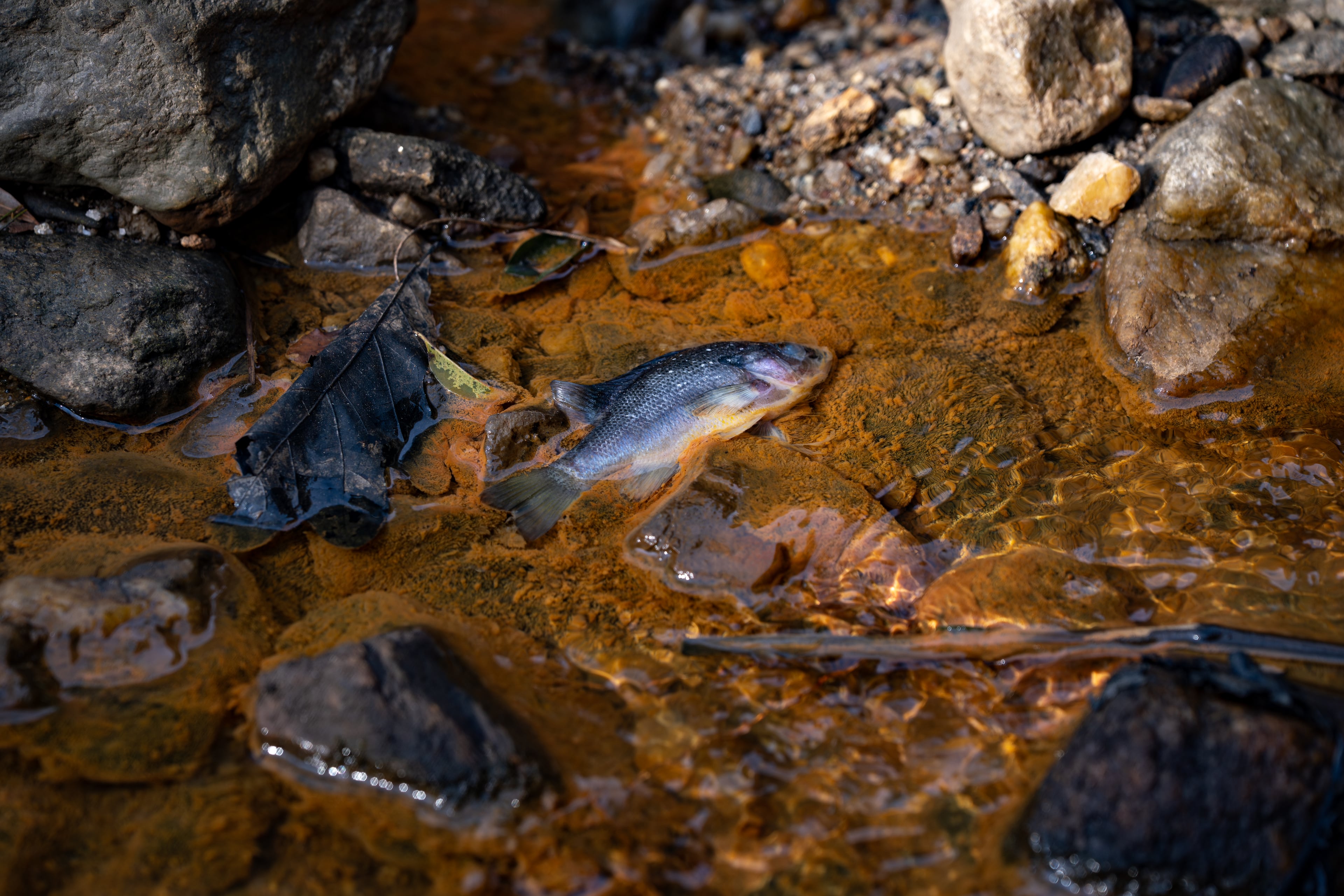
The Flint Riverkeeper has sued the City of Atlanta alleging years of leaks of fuel, raw sewage, E. coli, trash and PFAS chemicals into the Flint River from the grounds of Hartsfield-Jackson Atlanta International Airport.
The “illegal discharges” are affecting water quality and aquatic life downstream of the airport, and have contaminated the drinking water source of more than 40,000 people, including in Clayton County and Griffin, the complaint alleges.
The Flint and its tributaries begin around and beneath the Atlanta airport.
A spokesperson for Hartsfield-Jackson declined to comment on pending litigation.
Two environmental groups, the Flint Riverkeeper and the Southern Environmental Law Center, sent a letter threatening to sue over the issue over the summer, as required by the federal Clean Water Act.
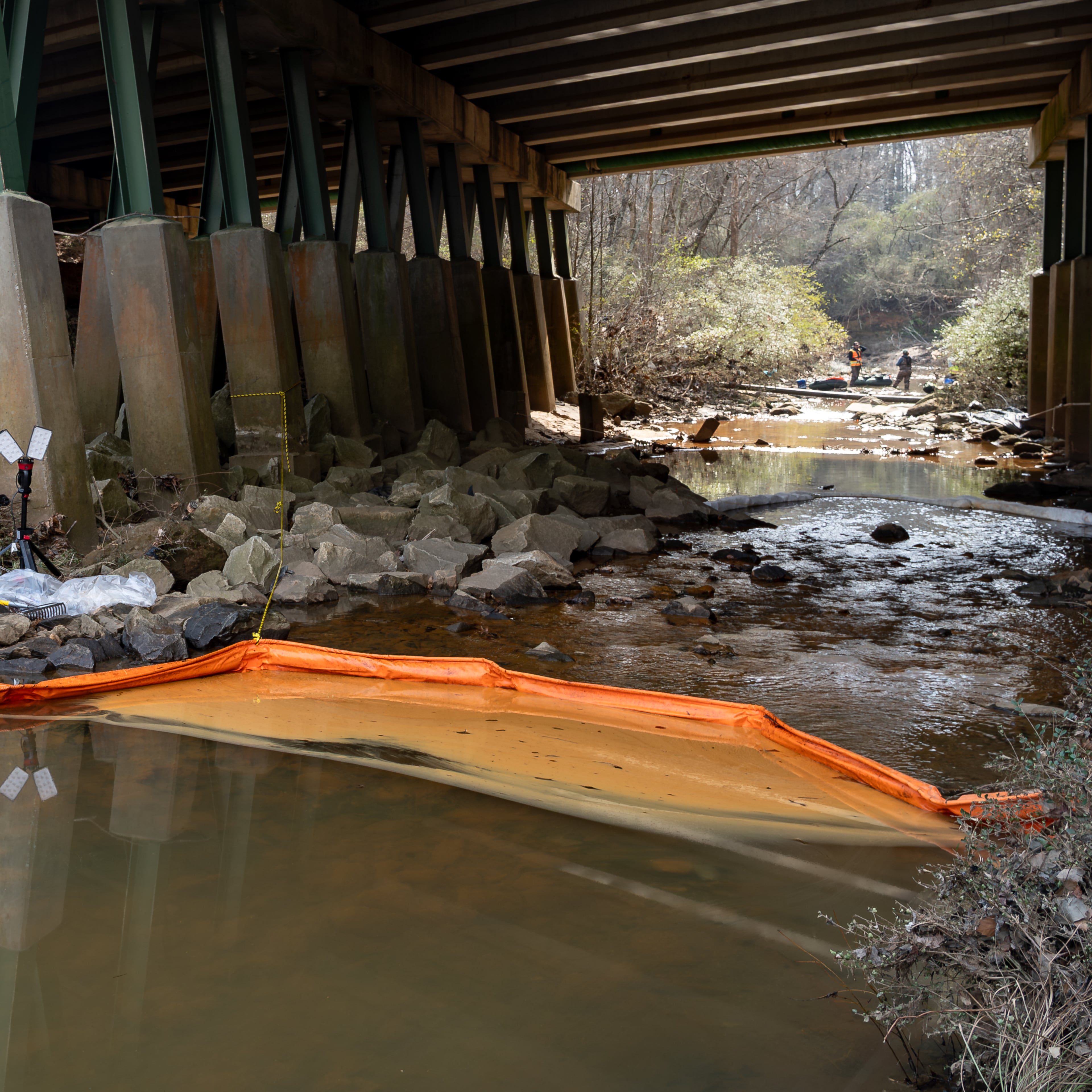
The suit they followed up with on Monday is unprecedented despite years of repeated discharges, according to April Lipscomb, senior attorney with the Southern Environmental Law Center.
“The Flint Riverkeeper has tried to convince Atlanta officials to solve the problem, to address the stormwater issues, to address the spills, and they haven’t done anything,” Lipscomb told The Atlanta Journal-Constitution.
“And so, I think we finally just had to throw our hands up and say, ‘That’s it. We’ve got to take legal action in order to get them to come to the table.’”
Over the span of five years, more than 400 fuel spills have been documented at the airport, their suit alleges, at least nine of which directly discharged into the Flint and its tributaries.
That includes three incidents in 2026 alone, including one in January, which prompted “Do Not Drink” advisories for downstream communities after a 28,000-gallon spill.
The world’s busiest airport comprises about 4,700 acres built on top of the headwaters of the Flint River, which runs for more than 200 undammed miles south. It’s one of only 40 rivers left in the country to flow for that length unimpeded, the Flint Riverkeeper says.
But because about 40% of the airport footprint is paved, it generates a lot of stormwater runoff during storms. And the airport’s infrastructure to funnel and filter stormwater isn’t adequately protecting the watershed it sits on top of, the groups allege.
“The City of Atlanta has reported over a dozen spills at the airport into the Flint and two tributary streams in just five years — this isn’t just a pattern, it’s an acceleration,” said Gordon Rogers, the Flint Riverkeeper, in a statement.
“The facts show an ongoing problem and given that we have seen no meaningful action to prevent future spills, filing suit is the only option at this point to hold the City accountable.”
The suit points out that while the Georgia Environmental Protection Division considers the Flint watershed upstream of the airport to be safe for fishing, the segment of the river south of the airport has been deemed “impaired” and polluted with bacteria and copper since at least 2000.
Sampling done by the environmental groups showed evidence of repeated discharges of raw sewage and E. coli as well as solid waste and trash in the river downstream from the airport, from luggage tags and earplugs of tarmac personnel to construction materials.

Additionally, the lawsuit notes that every sample taken in August and September of this year showed significantly higher PFAS or “forever chemical” concentrations in the river downstream of the airport versus the watershed upstream, meaning the drinking supplies of Clayton County and the city of Griffin are officially contaminated per federal guidelines.
“It is a complex problem with a complex set of issues. We have not just jet fuel spills and sanitary sewer spills, but we also have repeated stormwater discharges of pollutants,” Lipscomb said.
“But just because it’s complex doesn’t mean we shouldn’t try to fix it,” she said. “We have some of the best engineers in the world at our disposal, right here in Georgia.”
“I think that there is a way to solve this problem. It will likely take a lot of time to implement and to even figure out where to start. But you’ve got to start somewhere.”
A Clayton County Water Authority spokeswoman told the AJC that they had no additional comments on the lawsuit, but noted that its water supply is safe to drink and that the authority is in the process of an “advanced water treatment and capacity upgrade project” to filter out PFAS.
Griffin did not immediately respond to the AJC’s requests for comment. They are not playing an active role in this suit, Lipscomb said.
Griffin filed its own lawsuit last spring against a group of chemical companies including 3M and DuPont that make some of the PFAS chemicals that have leaked into their drinking supply from the airport, including from firefighting foam.