In multibillion dollar air traffic revamp, don’t forget controllers, union says
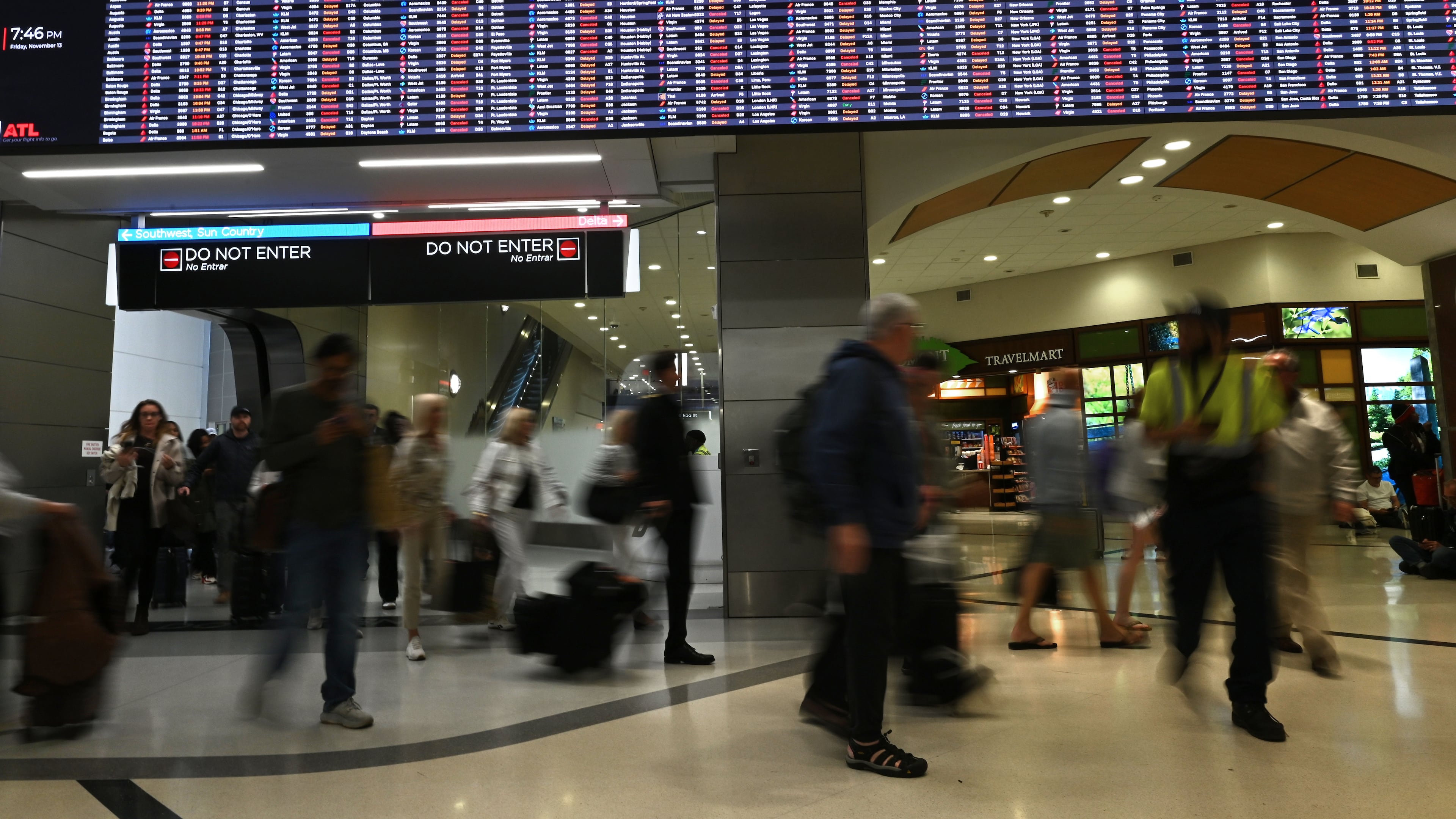

For air traffic controllers working Friday when a router malfunction caused intermittent radio and radar outages, triggering a meltdown of the nation’s air travel network — it was like driving down the highway and suddenly seeing a slew of error lights flash across the dashboard, said Nick Daniels, president of the National Air Traffic Controllers Association.
“You don’t know what’s wrong, but you know this seems like something’s broken and I need to do something about it,” he told The Atlanta Journal-Constitution.
“They’re trying to diagnose it in real time,” he said, all while making sure 3,500 planes landed safely.
“What you can always count on is when the equipment fails, the air traffic controllers never do,” Daniels said.
“They ensured every single person got down safely … while they had unreliable equipment, intermittent frequencies, intermittent radio.”
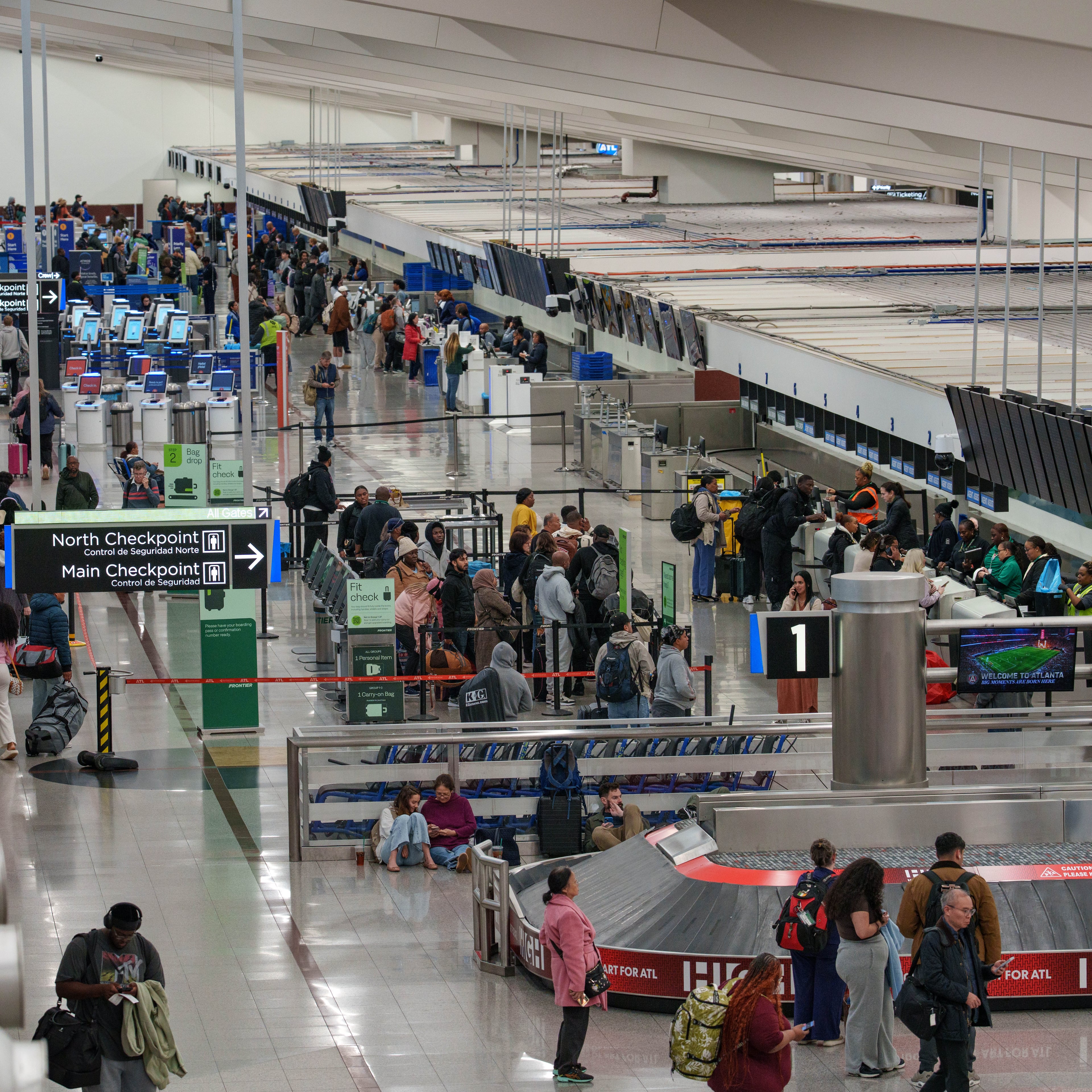
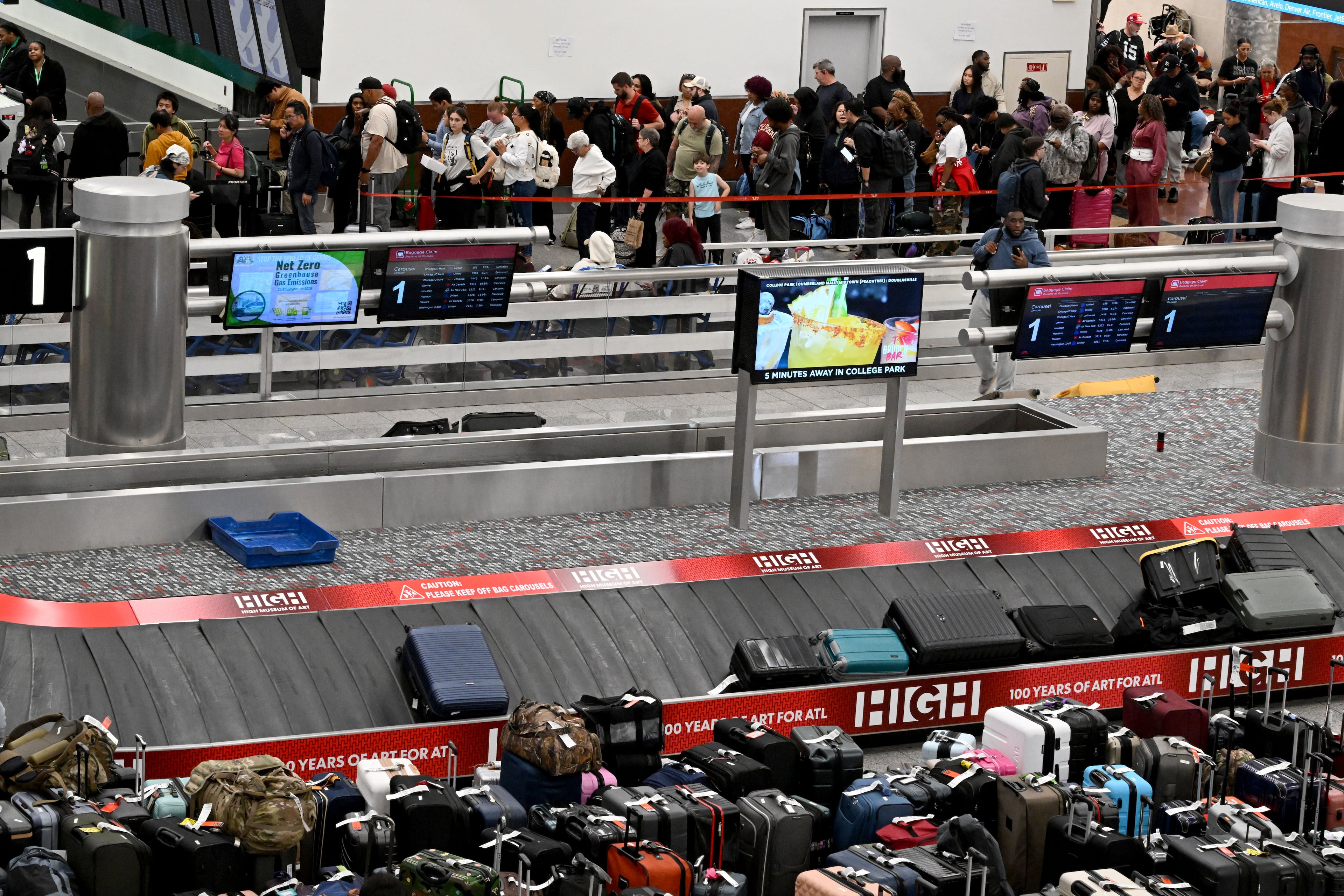
Less than three days since the longest nationwide ground stop since 9/11, flight schedules looked to be returning to normal Monday.
Hartsfield-Jackson Atlanta International Airport had minimal delays and cancellations expected Monday morning, according to flight tracking website FlightAware, well below Friday’s roughly 750 cancellations.
Atlanta-based Delta Air Lines extended its travel waiver through Monday to allow travelers to shift trips without a fee.
Transportation Secretary Sean Duffy told ABC News on Sunday that the issue that led to the crisis started in Arkansas as a contractor replaced copper wires with new fiber cables, something that has already occurred in 70% of the system.
Either a faulty 20-year-old router or an installation issue triggered a malfunction that overwhelmed the air traffic control system, caused intermittent outages and prompted a proactive ground stop, he had previously said.
An investigation is ongoing, but in the meantime Duffy said Friday he is now seeking $50 billion in emergency funding to build an entirely new telecommunications system.
$50 billion more
Fifty billion is a jump from his prior $30 billion ask, which followed a $12.5 billion allocation last year.
Republican and Democratic-led governments have failed to invest in the system for decades, Duffy has said.
“What’s more important than having an air traffic control system that actually works?” he said Friday. “New hardware, new software, new telecommunication.”
“Many of our towers are almost 100 years old. Our air traffic controllers have leaky roofs. Air conditioning that doesn’t work,” he said.
Duffy told ABC the existing $12.5 billion does not cover the telecommunications upgrades the system desperately needs.
Daniels said he doesn’t yet have a position on the request because its details are unclear — especially in terms of what money would be allocated to the controllers themselves.
His union represents about 20,000 members nationwide.
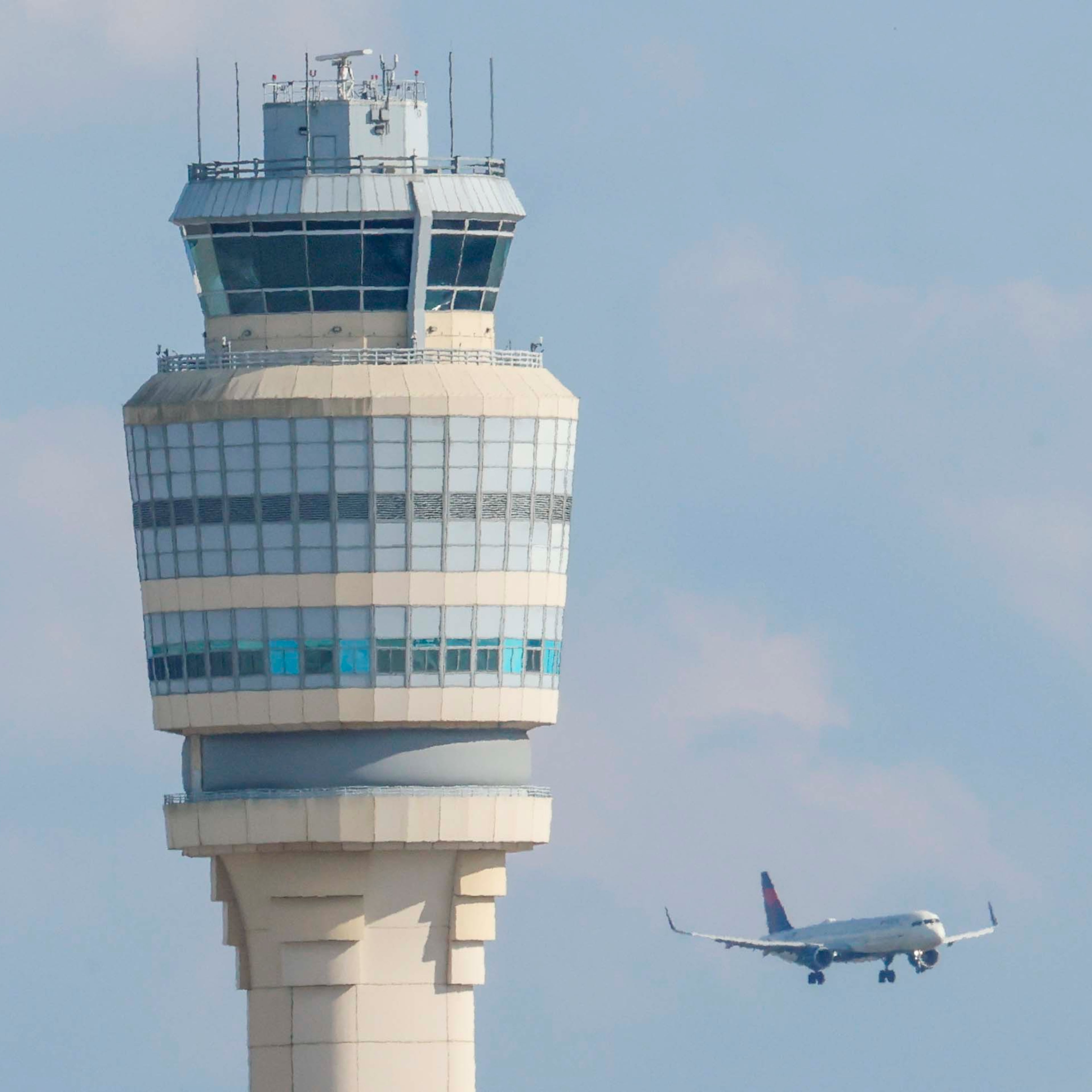
“The system absolutely can’t be ignored. It has to be invested in,” Daniels said. “But we should be talking about the investment also … in the air traffic controllers.”
The $30 billion Duffy previously requested did not include additional funding for controllers, Daniels noted.
“When a system fails, there’s one group who doesn’t, and that’s the air traffic controllers of this country,” he said. “They should 100% continue to be the focus of the system through their pay and their working conditions.”
While his union recently negotiated a 2.8% pay parity increase for members, a $1 billion proposal for controller recruitment, retention and training was stripped out of last year’s funding, he said.
The Department of Transportation did not answer specific questions from the AJC about whether this new $50 billion request will include funding for controllers.
The FAA has, however, recently expanded controller hiring, boosted salaries for trainees, cut hiring time and implemented retention bonuses.
‘One of the worst-kept’ secrets
Federal officials say they’ve found no evidence of a cyberattack or nefarious force behind Friday’s situation.
Federal Aviation Administration Administrator Bryan Bedford said Saturday that “one of the worst-kept secrets in government” has been the need to replace the FAA’s telecommunications infrastructure.
“Let’s not kid ourselves. It will continue to break until we replace it.”
Daniels agreed that in his more than 20 years as a controller he “heard time and time again we need to invest in the system … what I saw in the field controlling planes was very little change.”
There was stop-and-go funding, a lack of investment and often a lack of focus on a smaller list of priorities. In the last two years he said his union and the FAA have focused on getting fewer, top-priority projects funded, which has yielded results.
The strained state of the American air traffic control system also came into stark relief and sparked billions in Congressional investment after the deadly midair collision near Washington, D.C. in January 2025 killed nearly 70 people.
Brand-new radios, new surface awareness technology to reduce collisions on runways, a new traffic flow and data management system and digital flight tracking systems are all recent positive investments, Daniels said.
But with the influx of federal money, he said he’s also trying to make sure it isn’t misallocated, in the view of his members.
For example, one plan already approved by Congress that his union is trying to claw back is a proposed consolidation of a layer of air traffic control “centers,” which manage higher altitude traffic from regional locations across the country. Atlanta’s is south of the city in Hampton.
If that had been the case on Friday, he said, “you wouldn’t see an airspace that was up and running today.”
His union is trying to push for an alternative plan that would still save similar operating costs by instead consolidating sites regionally, he said.
“There’s a lot of good happening, but we got to keep in mind the consequences of things like that, that could put us backwards instead of forwards,” he said.