UPS boosts quarterly revenue, raises outlook as it automates operations
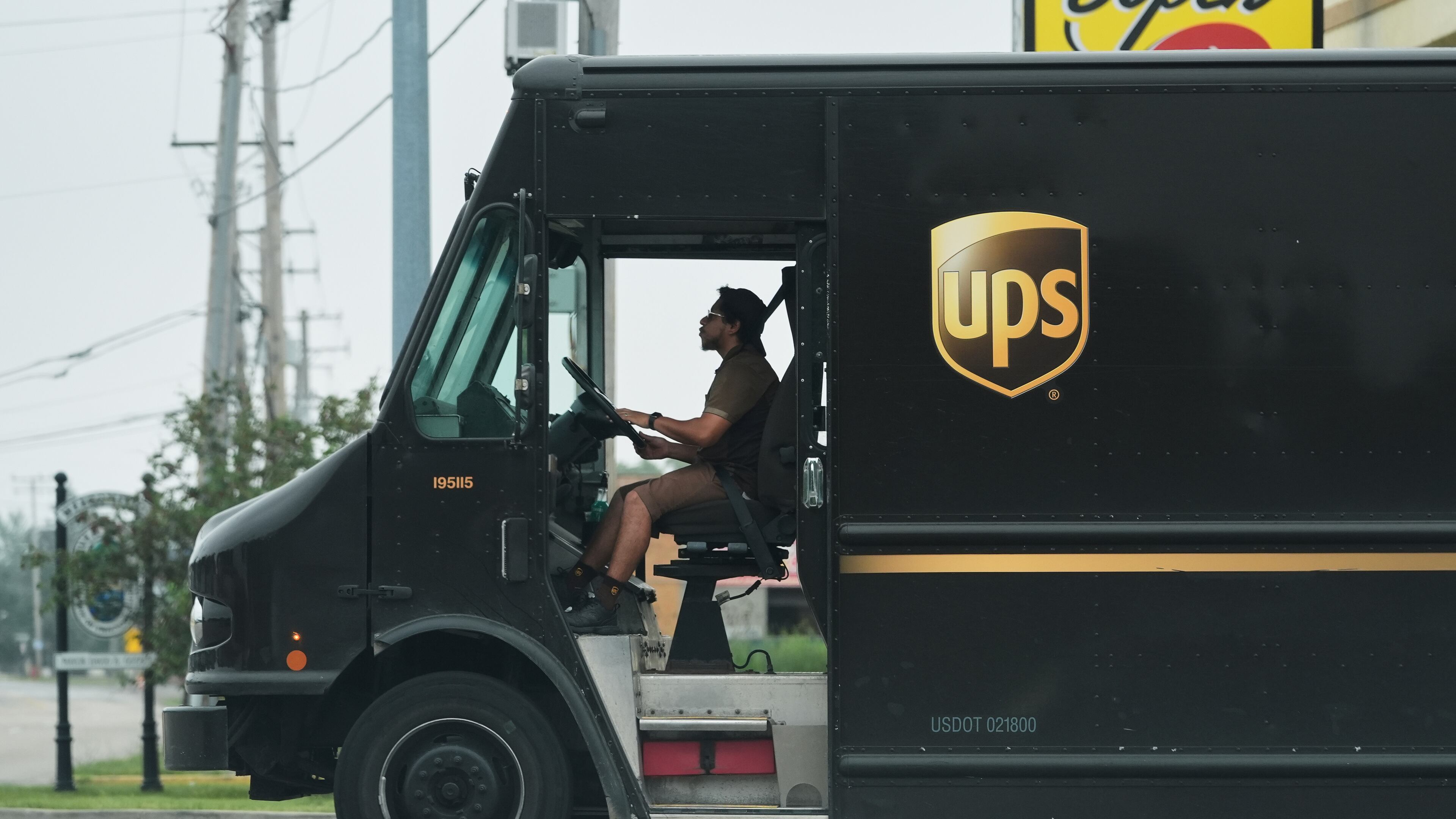

Sandy Springs-based UPS saw its revenue grow in the third quarter of the year, and boosted its forecast for this year’s financial results as it increasingly automates its operations.
The company brought in nearly $22.9 billion in revenue in the third quarter, up 6.7%, according to financial results reported Tuesday for the quarter ended Sept. 30.
The results came as UPS carried fewer packages, but charged more per package delivered across all categories — particularly international shipments.
The company has been working over the past few years to transform its operations in response to the seismic shifts in its business, increasing automation and pivoting toward shipments and business services that command higher margins.

But it still saw a decline in profit, with net income down 11.3% to about $1.2 billion, dragged down by its supply chain management business.
The shipping giant is a bellwether for the broader economy and a major employer with about 460,000 employees.
UPS CEO Carol Tomé said the company is entering the holiday shipping season “with the most automated and efficient network in our history.”
Looking forward, UPS said it now expects to bring in $25.7 billion in revenue in the fourth quarter, for a total of $92.6 billion in revenue for the year. The company also expects to see better operating profit than it did previously.

Previously, UPS expected to bring in $91.2 billion in revenue for the year. Last year, it had $88.7 billion in revenue, as it shrank operations to adjust to major cuts in shipments from its largest customer Amazon, along with reduced business with the U.S. Postal Service. In 2022, UPS ballooned to about $100 billion in revenue, but then declined.
The company also reported Tuesday a gain of $33 million from the sale of MD-11 planes. UPS announced early this year the retirement of its entire fleet of 26 MD-11 cargo aircraft, after a fatal crash in November of one of the planes in Louisville, Kentucky.
Fifteen people died as a result of the crash on takeoff from Louisville’s airport, including the three pilots on board and 12 people on the ground.
The MD-11s made up about 9% of its total fleet of aircraft, and the company is replacing them with new Boeing 767s.