Atlanta hotel occupancy dipped this summer during World Cup, new data show
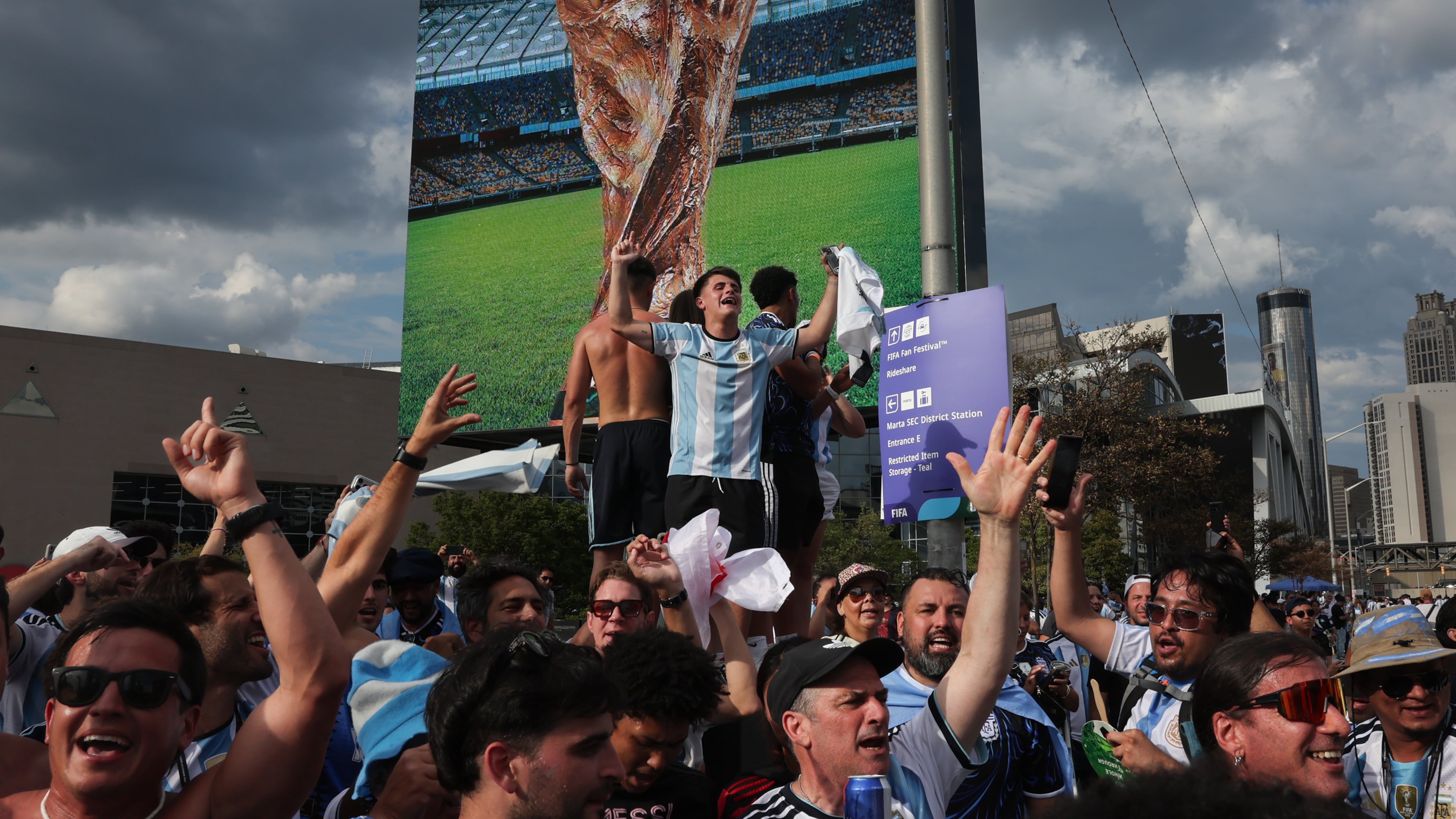
Hotel occupancy was lower during the months Atlanta hosted eight matches of the FIFA World Cup this summer than the same period last year, according to new data from the Atlanta Convention & Visitors Bureau.
In June, hotel occupancy in the city of Atlanta reached 63%, down 4% from the same month a year ago. In July, hotel occupancy in the city hit 57%, declining 10% from the prior year.
Atlanta hosted its first match of the World Cup on June 15 and capped the global soccer event with a semifinal match on July 15.
The occupancy declines come during a year marked by geopolitical tension, including the war in Iran, which has caused energy prices to soar, making it more expensive to travel by car or plane.
Heightened immigration enforcement under President Donald Trump has also affected international travel demand.
“We forget that all of the things that are happening around the world do negatively impact or can negatively impact the City of Atlanta and travel specifically,” Charlene Lopez, chief sales officer at ACVB, told a group of hospitality leaders during a Sept. 10 board meeting.

The ACVB is the city’s destination marketing organization, which works to secure major conventions and other events.
One bright spot for hoteliers is they have driven higher room rates this year despite occupancy declines, Lopez said.
For example, in July, revenue per available room, a key hotel metric, was $121 in the city of Atlanta, up 0.7% from the same month last year. Year to date, it has reached $131 in the city, up 2.4% from the same period last year.
Short-term rental hosts saw increased revenue during the World Cup even though demand was down, according to data from analytics firm AirDNA. Over the tournament window, short-term rental revenue across metro Atlanta grew 22%, or $12.7 million, driven by higher nightly rates, the firm said.
What affected hotel occupancy?
The hospitality industry for years awaited the World Cup. For Atlanta, it was the biggest sporting event in the city since the 1996 Centennial Olympic Games.
But earlier this year, there were signs that hotel bookings were tracking below initial forecasts, especially when soccer governing body FIFA returned some hotel rooms it booked in advance of the World Cup.
FIFA also released World Cup tickets in phases, which led to a shorter booking window than is typical for large events, ACVB executives previously said. And World Cup tickets were pricey, with this year’s event said to be the most expensive sporting event ever, according to The Athletic.
In addition, Atlanta’s world-class airport and walkable downtown campus made it easy for people to come in and then leave relatively quickly, Lopez said during the recent meeting.
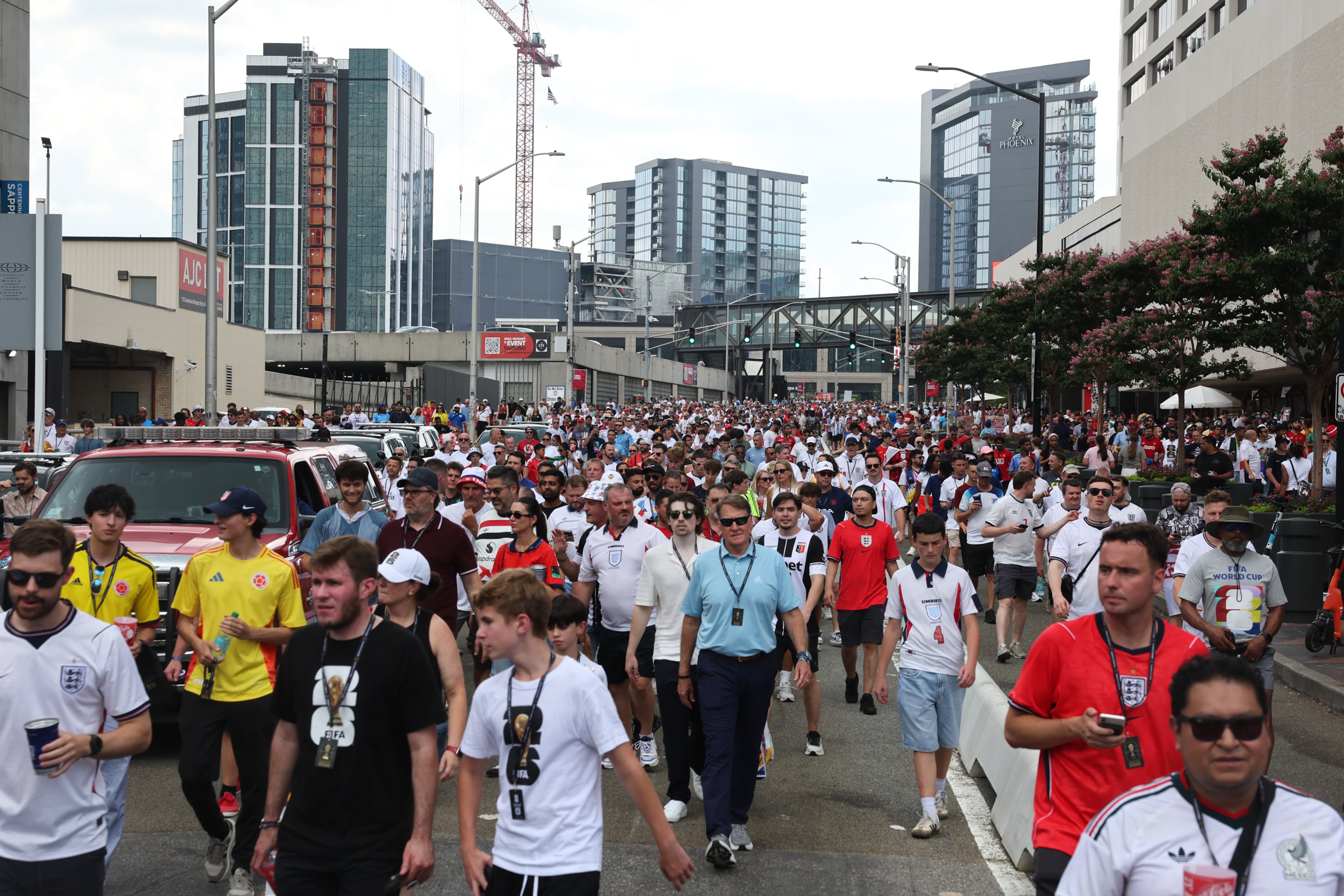
“We had one of the best packages in the universe, and it allowed everybody to come in and enjoy what was, in my mind, the highlight of Atlanta’s history — being on the world stage,” Lopez said. “But they could come in, in one night, and get out and go to the next city. And so, while it was a win, it was also a little bit of a loss for us.”
Still, Atlanta has plenty to celebrate about the World Cup, William Pate, ACVB president and CEO, told the group Sept. 10.
The downtown fan festival was packed, he said, and ACVB got to show off new projects to its customers including Centennial Yards, the $5 billion redevelopment of the Gulch and The CTR, the former CNN Center that opened its revamped atrium for the World Cup.

Pate also praised the performance of both the airport and MARTA during the global soccer event.
Pate previously told The Atlanta Journal-Constitution that Atlanta could book more than $2 billion of tourism business in the next five or six years from its exposure during the World Cup.
“We all got to really take a moment and be proud of how the city executed during the World Cup,” he said Sept. 10. “It was really a great opportunity for us.”