Georgians have paid $1.4B extra for gas since Iran war
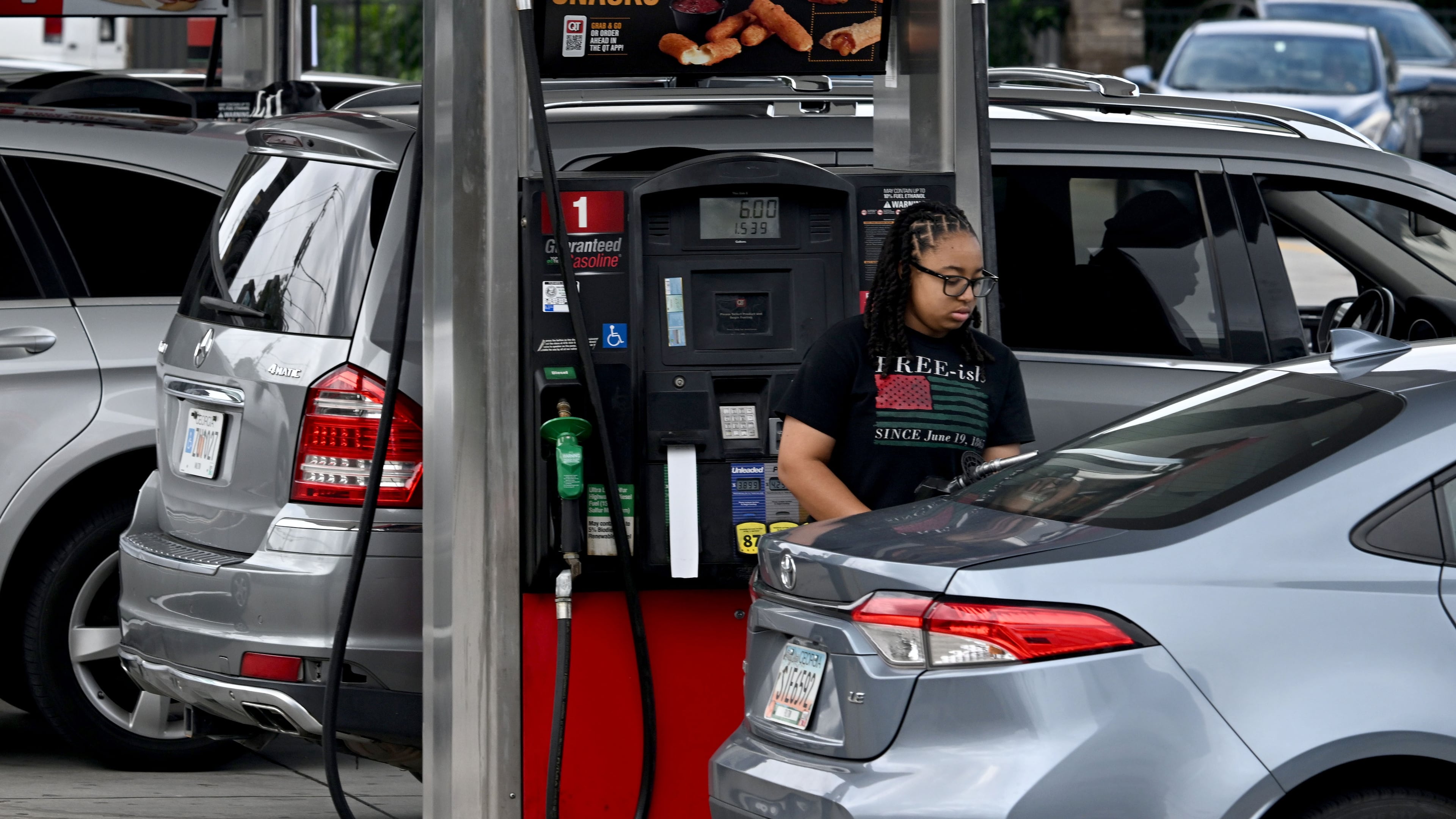

Georgians have spent an extra $1.4 billion on gasoline since the start of the Iran war in late February, putting additional financial pressure on households and businesses, according to an analysis from Brown University.
Friday marks six months since the start of the conflict, which has disrupted the global flow of energy through the Strait of Hormuz, a narrow waterway in the Middle East, causing fuel prices to reach their highest levels in four years.
Higher gas prices have contributed to persistent inflation, strained some household budgets and made it more costly to do business.
“For me, it’s another thing that should not be as expensive as it is,” Decatur resident John Mead said at a gas pump Thursday near the former North DeKalb Mall. “When you add it all up, you’re like, ‘Where’s all my money?’ Between healthcare, gas, food, it costs a lot to live.”
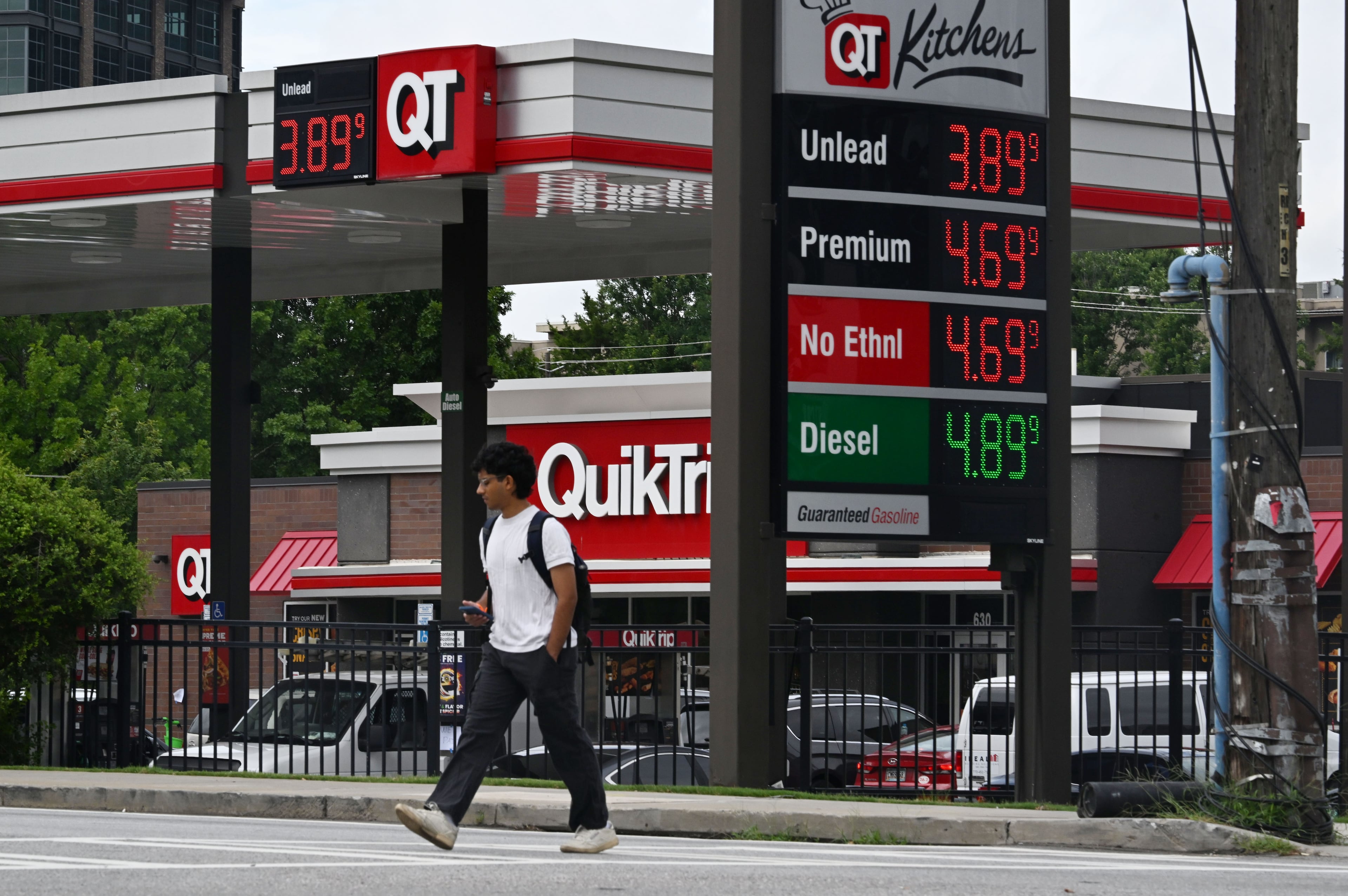
In metro Atlanta, the average price for a gallon of regular unleaded was $3.81 as of Thursday, according to AAA data. That’s up $1 per gallon since the war started.
Over the past six months, the average household in Georgia has spent nearly $350 extra on fuel than they otherwise would have, says Brown University. Though that’s lower than the average U.S. household, as Georgia benefited when Gov. Brian Kemp enacted a temporary gas tax break this summer.
On Thursday, the state Department of Agriculture announced it has adopted a recent federal fuel waiver to increase supply.
“As high fuel prices persist, we’re taking action to give Georgians a break at the gas pump,” Georgia Agriculture Commissioner Tyler Harper, who is running for reelection in November, said in a news release. “By adopting this federal waiver, we’re able to increase the available supply of fuel, while maintaining strict quality standards and certifying pumps across the state to ensure Georgians get what they pay for.”
Elevated gas prices are potentially far from being over, said Patrick De Haan, a petroleum analyst with GasBuddy.
While President Donald Trump initially promised the war in Iran would last just weeks, months later, there is no resolution. A June memorandum of understanding intended to negotiate a peace deal expired this month without a settlement.
“It’s a very dynamic environment where things can change very quickly depending on how geopolitical tensions shift,” De Haan said.
Trump made lowering prices central to his pitch to return to the White House, following record inflation during the Biden administration.
But at a rally this month in New York, Trump framed the tradeoff for higher gas prices as keeping a “very evil country” from having a nuclear weapon.
“So remember that when you have to pay a little bit more. You’re at $4. It’s OK,” he said. “I’ll never apologize. I did the right thing. … You just have to remember that what we’re doing is a great service for the world.”
Candler Park resident Rob Giersch doesn’t see it that way. He said Thursday he felt like the war was unnecessary as he filled up his tank at a Decatur-area gas station.
“All of this could have been avoided,” said Giersch, a retired Coca-Cola executive. He said higher gas prices, along with policy changes such as new tariffs, have led his family to delay some purchases.
Atlanta companies are dealing with higher energy prices.
Aneesah Tahir is the owner of lawn care company Cut Like A Girl, which she started 10 years ago. Tahir said she’s spending about $60 a day to fill up her trucks and equipment, a strain on her small business.
“We’re not making as much money as the previous years,” she said of her revenue this year. So far, she’s refrained from hiking prices for her customers, but she said she now feels resigned. She’ll have to increase prices at the start of next year, she said.
“I’m not going to have a choice,” she said. “I’m paying a ton of money in gas.”
Diesel price surge
Larger companies also have reported rising fuel costs. Home Depot recently said it would use $730 million in tariff refunds it received from the federal government to largely offset “cost pressures related to fuel, energy and other product input costs,” according to a second-quarter conference call.
The Brown research focused on gasoline and household impacts. Diesel prices, meanwhile, have been disrupted not only by the Iran war but also Ukrainian drone strikes on Russian oil refineries.
On Thursday, the average price for a gallon of diesel in metro Atlanta was nearly $5.47, pennies away from the highest-ever recorded price in June 2022, when Russia invaded Ukraine. On an inflation-adjusted basis, however, the price in today’s dollars would have to be about $6.25 a gallon for diesel to eclipse the prices of four years ago.
Diesel fuel, commonly used by heavy-duty trucks and commercial vehicles, is the primary fuel used in freight, and higher prices can have a sweeping effect on the U.S. economy, including in metro Atlanta, a logistics hub.
“It’s been a very untraditional year,” De Haan said. “It’s all about what’s happening far away from us instead of our own backyard.”