A Chinese auto parts supplier plants its roots in U.S. with Georgia HQ


Chinese cars are effectively banned in the United States through steep tariffs and regulatory restrictions, but that doesn’t apply to everything China touches in the auto industry.
Car parts, for example, are generally treated like other goods from China despite ongoing tensions over the country’s fast-growing auto sector. That difference was on display Wednesday in metro Atlanta when a Chinese auto parts company’s American division opened a new regional headquarters and factory.
YFORE, which specializes in smart mirror and key technologies for vehicles, christened its roughly 62,000-square-foot facility off McGinnis Ferry Road in Forsyth County, which is just starting to ramp up part production. The company lists Ford, General Motors, Mercedes-Benz and other automakers among its customers, and its executives told The Atlanta Journal-Constitution they’re bullish demand for its technology will increase stateside.
“Eventually, this is going to be a standard technology in cars,” said Danial Katto, director of sales for YFORE North America. “We have a 75% market share in China. We’re talking with all the (automakers) locally in North America and gaining business here.”
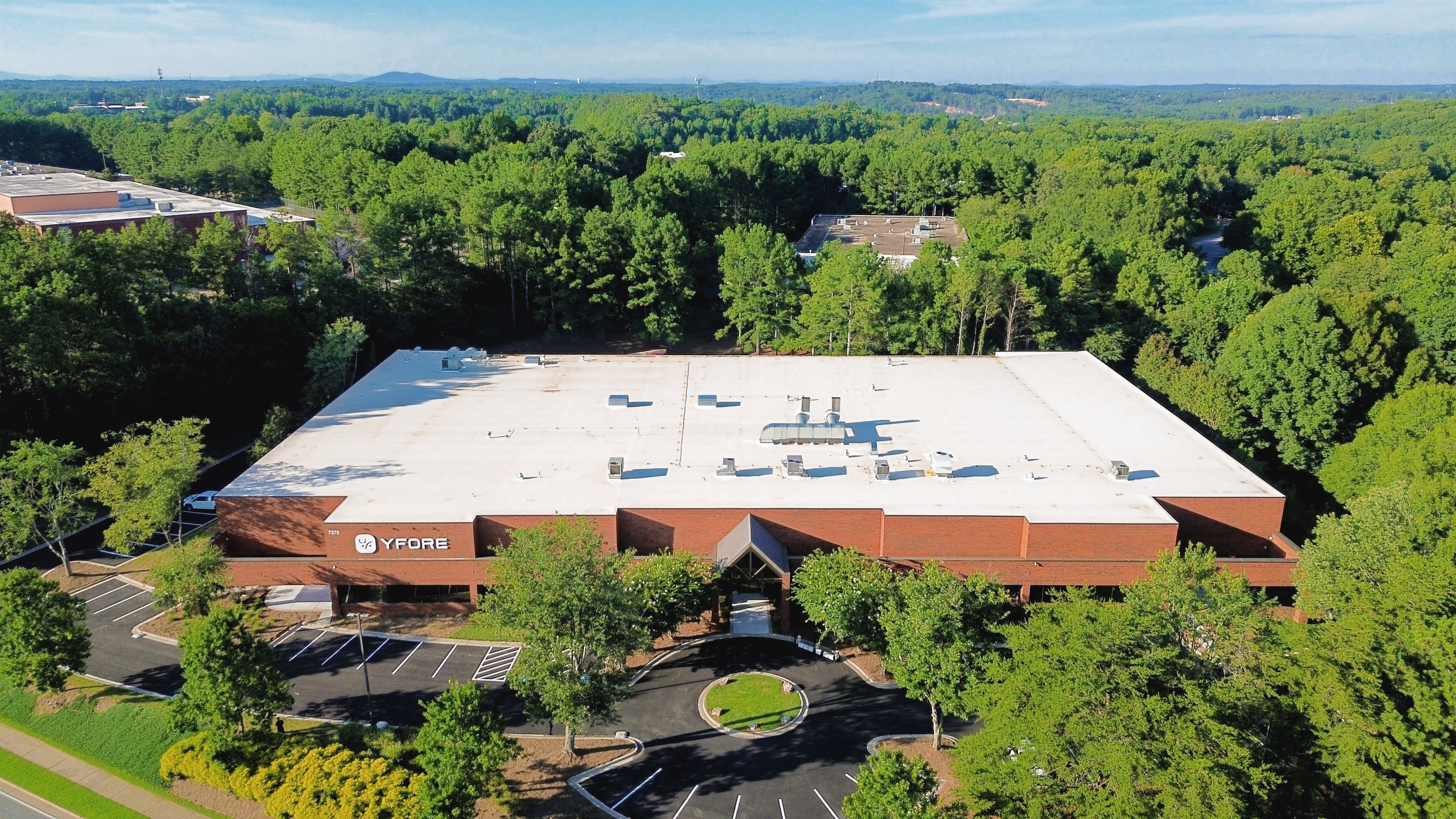
YFORE, which is the company’s abbreviation of Yuanfeng Technology Co., is a new entrant to Georgia’s burgeoning auto sector that’s anchored by Kia and Hyundai car factories alongside a future plant by electric vehicle startup Rivian. To support those factories along with those in neighboring states, Georgia has built a roster of dozens of part suppliers.
But YFORE is unique, becoming one of the state’s first, if not the first, Chinese company to enter the fray. Katto said his company’s growth potential in the American market along with the fast-changing tariff environment helped spur YFORE’s investment in Forsyth County.
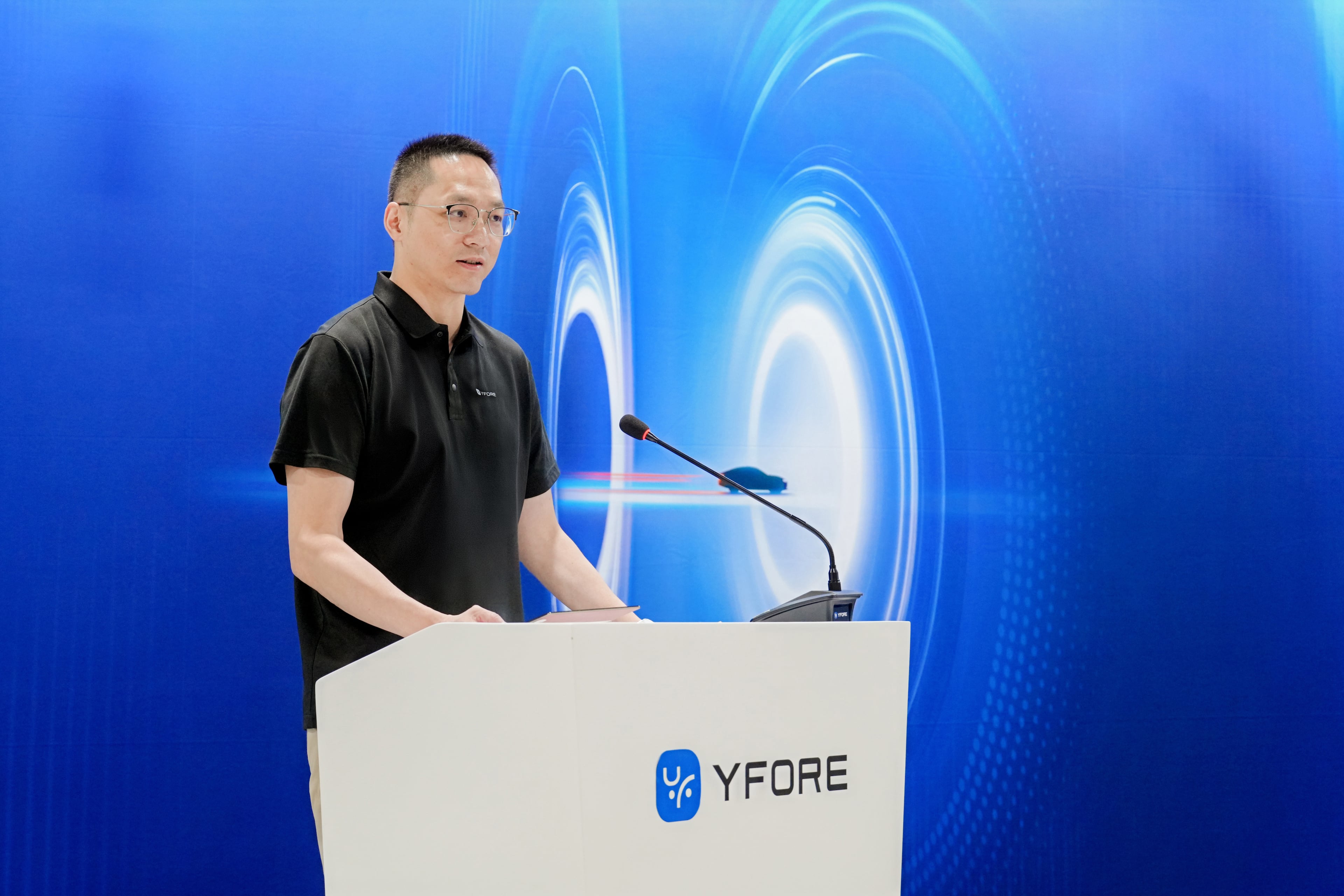
“Our customers are here,” YFORE CEO Leo Liu said during the opening ceremony. “We believe that we need to be where our customers are.”
Why focus on Chinese cars?
Americans drive cars assembled across the globe, stretching from Korea and Japan to the U.K. and Germany. But China is an exception.
Across both the Biden and Trump administrations, a 100% tariff rate has been levied against Chinese electric vehicles, effectively making them economically unviable. Both administrations, along with America’s auto industry, argue that China unfairly subsidizes its auto industry in a way that distorts the market and threatens national security.
Rivian CEO RJ Scaringe elaborated on the controversy last month in a call with investors.
“You have much lower labor costs in China and a much lower capital cost structure, where in many cases the capital cost is zero meaning its being provided by the local government,” Scaringe said. “That compounds across the supply chain and all the way through (final assembly), and it results in a materially lower cost than what it would take to produce in the Western world.”
Cox Enterprises, which owns the AJC, also owns about a 3% stake in Rivian.
China’s largest automaker, BYD, recently overtook Tesla in worldwide EV sales, offering budget models as cheap as $8,000. Tariffs and technology restrictions are designed to even the playing field that China allegedly skews, and it’s effectively banned finished vehicles from China from entering the U.S. market. Polestar, an EV startup with Chinese ownership, announced it’s leaving the U.S. market next year because of those restrictions.
YFORE and parts suppliers, however, aren’t subject to those restrictions and only have to navigate America’s general tariff on Chinese goods. The U.S. is currently considering a 7.5% tariff against China, according to Bloomberg.
Parts manufactured in the U.S., however, are not subject to those levies and that is partly responsible for foreign companies establishing new production plants in America, including in Georgia.
“We’re not importing products from China to assemble here,” Katto said. “We’re buying products from (the U.S., Mexico and Canada) and other suppliers, helping job creation in the U.S. as a whole to do the final assembly here.”
What does YFORE make?
Founded in 2002, YFORE specializes in sensors, mirrors and car keys.
Its digital mirrors use cameras to provide live feeds of side-mirror and rearview traffic, including options to zoom, adjust the line of sight and provide alerts when cars are in blind spots. The company’s key technology can accommodate cards, fobs and smartphones to unlock vehicles and open doors. The company also showcased a prototype car door sensor designed to detect hand pressure, aiming to prevent automatic doors from jamming fingers.

At full capacity, the Forsyth County plant is designed to produce about 2 million digital mirrors per year and up to 10 million digital keys, according to YFORE executives. A tour of the production spaces highlighted soldering and assembly lines, a lot of which will be automated. The company will also incorporate automated guided vehicles, or AGVs, to move parts throughout the plant.
The company didn’t say how many workers it plans to employ. But Jim Fasano, the company’s human resources director for U.S. operations, said each shift involves 20 workers, which will continue to grow.
“As we grow to multiple shifts: More people, more lines, more people,” Fasano said.