Atlanta data center tabled, but developer remains ‘committed’ to vision
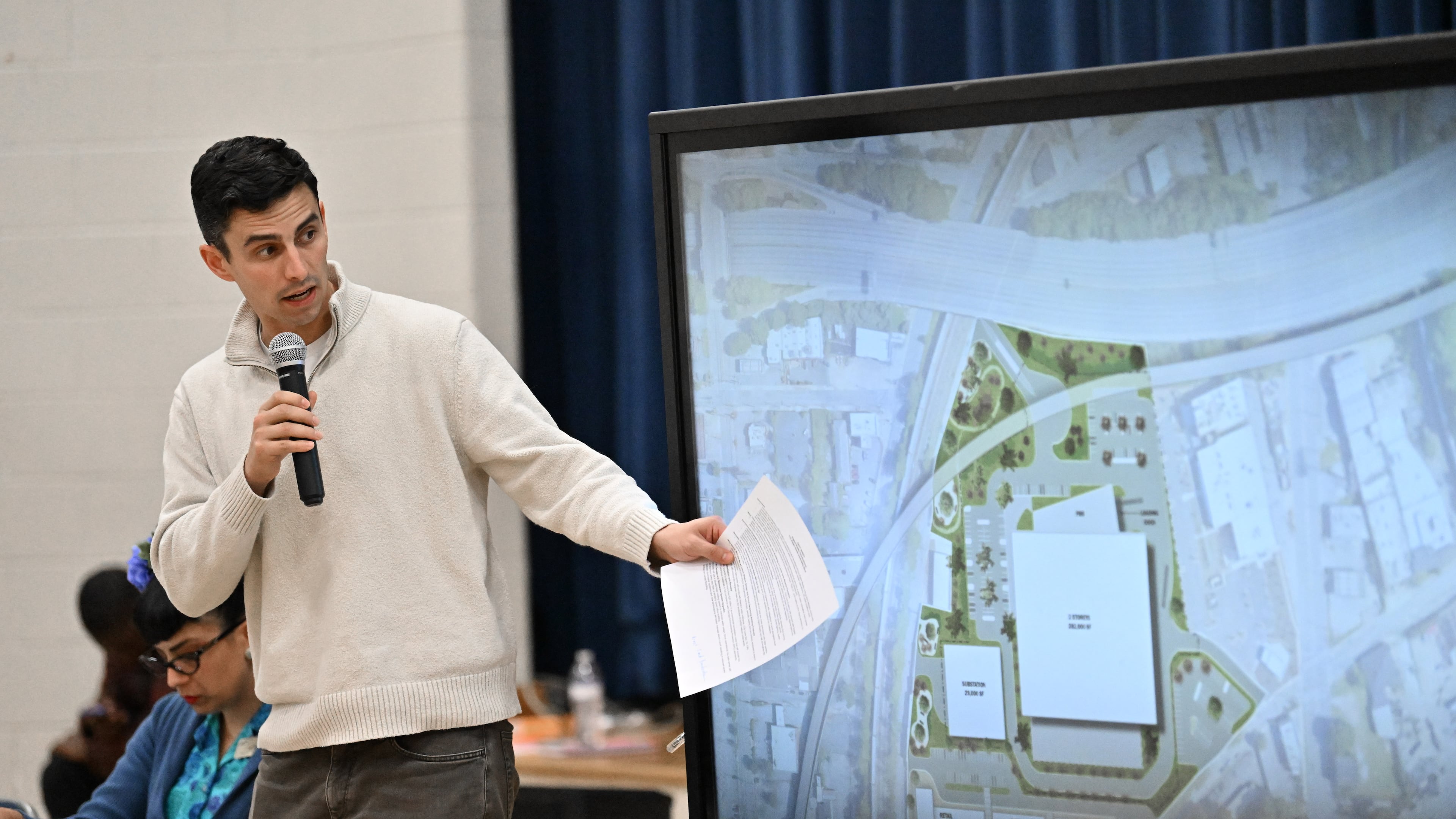

A Texas data center developer said it is working to shore up support for its controversial proposal near Atlanta’s West End MARTA station after a City Council committee put the proposal in limbo.
The council’s Zoning Committee voted 6-1 on Monday to table legislation that would allow Digital Realty to build a $500 million data center.
The project would rise on a polluted and underused film production facility in Adair Park near the border of Mechanicsville, a proposal that has divided those neighborhoods as they seek corporate investment.
Metro Atlanta has become a top market in the U.S. for data center development, and the city enacted a ban on the development of server farms near MARTA stations and the Beltline amid intense resident push back. The Digital Realty proposal is the first project vying to get an exemption from Atlanta’s ban, raising questions about balancing urban land use and digital infrastructure.

Metro Atlanta leads the nation in new data center construction. But the wave of development has triggered fierce opposition, with residents raising concerns about potential hikes to power bills, construction of high-tension power lines near neighborhoods and fears about server farms’ demand for water.
Digital Realty asked the committee to sideline the item, which is sponsored by Councilmember Antonio Lewis, who represents District 12 which encompasses the project site. The company said it will provide more time for discussion before proceeding to a council vote, which is required for the project to proceed.
“Over the past year, we have met with residents, neighborhood organizations, elected officials and other stakeholders to listen, answer questions, and strengthen the proposal based on community feedback,” Digital Realty told The Atlanta Journal-Constitution in a statement. “We remain committed to that process and believe taking additional time is the right approach.”
Digital Realty proposed its project in 2024 just after the City Council implemented its ban. Lewis sponsored the legislation, but he withdrew it after garnering sharp push back — including from Mayor Andre Dickens.
Lewis, along with Councilmember Eshé Collins, revived the proposal last fall. Collins, however, removed her name as a co-sponsor after the area’s neighborhood planning unit voted 105-87 against endorsing the legislation.
Digital Realty has proposed a 282,000-square-foot facility it calls a data exchange to expand the capabilities of downtown facilities called carrier hotels. It would have an electrical capacity of 30 megawatts — enough power for nearly 23,000 homes — and would be joined by about 35,000 square feet of retail space.
The project site is at 713 Ralph David Abernathy Blvd., a former printing press building that supported magazines for the Ruralist Press. It’s now vacant and advertised as a filming location.
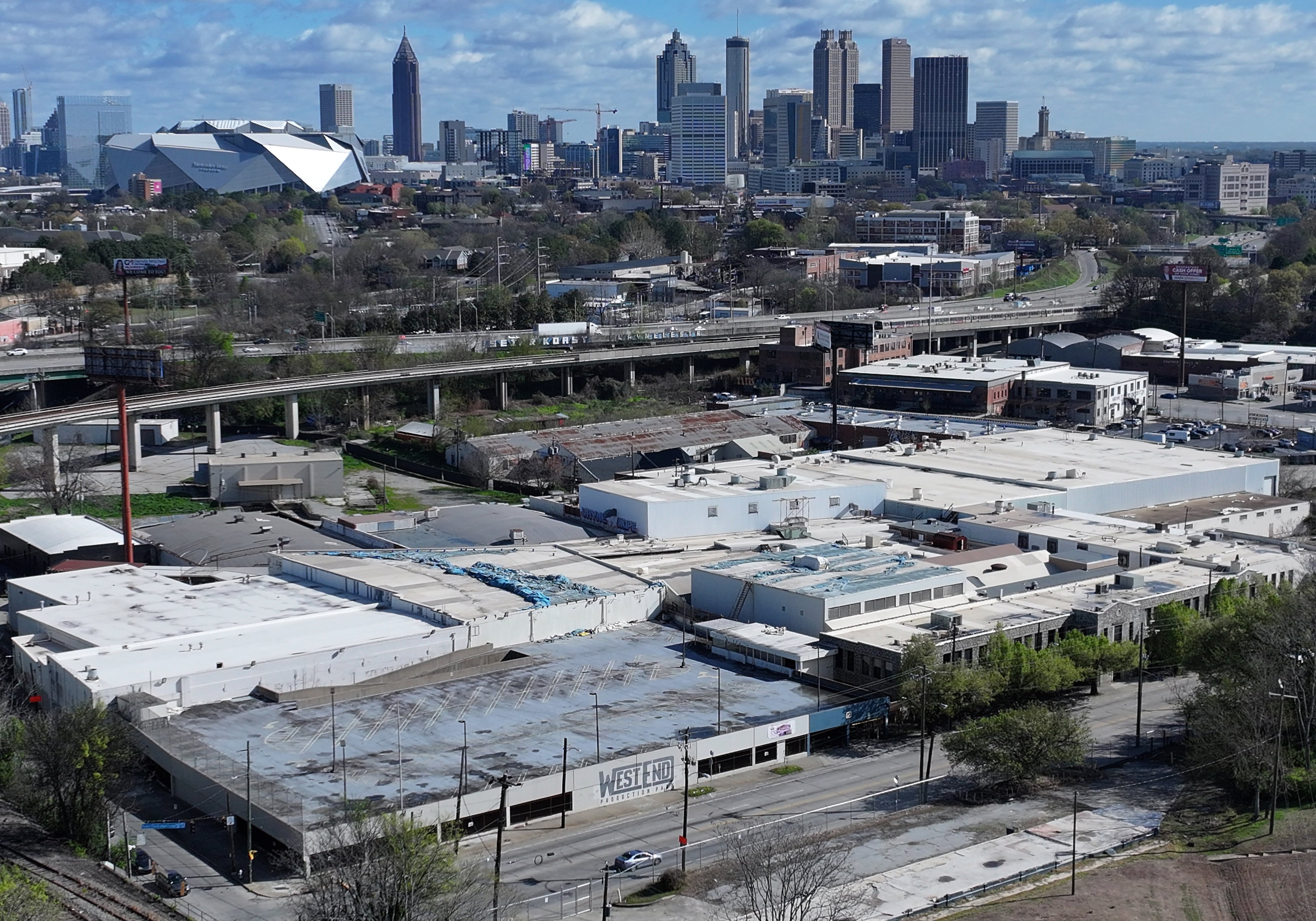
It will need brownfield remediation for any potential pollution to bring it up to commercial standards at a price tag Digital Realty estimates at $20 million. It would be more expensive to clean up to residential standards, but project opponents say that doesn’t mean they should settle.
At an Atlanta Zoning Review Board meeting last week, much of the discussion surrounded whether residential development is feasible for the site.
Hakim Hilliard, an attorney representing the owner of the site Digital Realty wants to buy for its data center, said the property is not a “realistic” opportunity for residential development. Preserving sites ripe for residential and mixed-use development was the intent of the city’s 2024 ban.
“If there was a realistic residential development opportunity, the market has had more than a decade to represent that,” Hilliard said. “It has not.”
Project opponents, who have launched a petition against the proposal, argued that reversing course would set a precedent and defang Atlanta’s data center restrictions.
“Making an exception for this billion-dollar entity sets a tone that the city government does not care about its constituents but cares about having everything for sale,” said Tyrone Clements, who lives near the site in the Pittsburgh neighborhood.
Renee Archyr, who also lives near the proposed data center, said, “We need to consider what happens in the long run instead of the short-turn gains that they’re trying to convince us is good for us.”
“There are a million things better than a data center,” Archyr said.

Atlanta planning staff recommends its approval, but the Zoning Review Board ultimately voted to recommend denying the legislation.
Digital Realty said it maintains that “this proposal represents an opportunity to transform a long-vacant, environmentally constrained industrial property into a significant private investment.” The company said it intends to bring the legislation back to the Atlanta Zoning Committee “at the appropriate time.”
During last week’s hearing, resident Brittney Morton voiced support for the data center.
“We have been there 40 years, and nothing has changed. Forty years,” Morton told the board. “You don’t get developments that come in that have the money to back it.”