Charlie Brown, developer who reshaped the city and Atlanta suburbs, dies
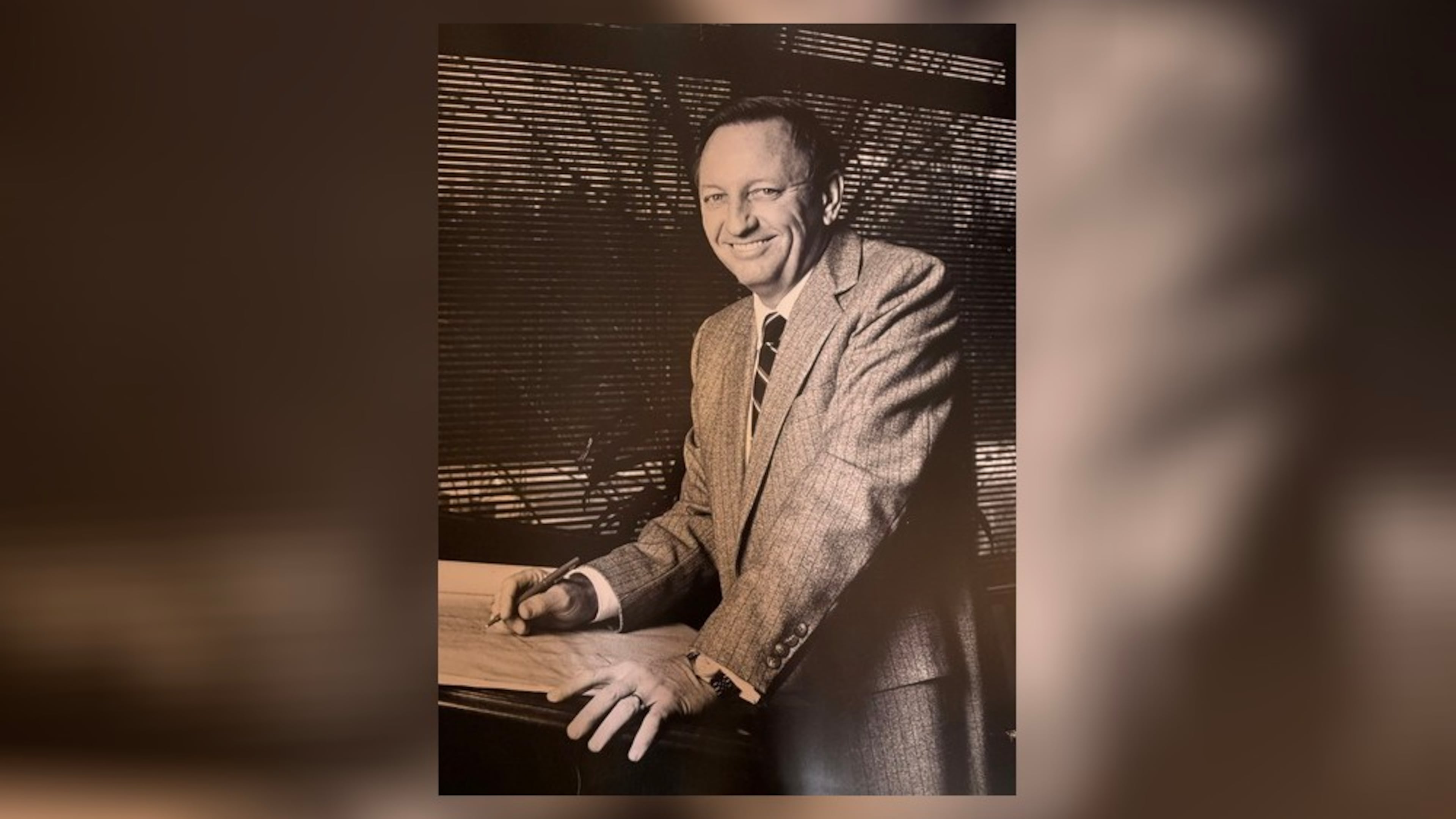


Charles R. Brown, a renowned developer pivotal to transforming a polluted steel mill into an Atlanta jewel who also molded many of the region’s thriving suburbs, has died.
Brown, who was 87, leveraged connections made through his alma mater, Georgia Tech, to spark change and renewal, ranging from metro Atlanta neighborhoods to Washington, D.C. He helped make metro Atlanta more attractive to technology companies with office campuses in Johns Creek and Peachtree Corners, redefined a community in Buckhead’s orbit and created one of the Southeast’s largest mixed-use projects in Atlantic Station.
But through it all, Brown — known as Charlie to his friends and family — is remembered for building more than just office parks and towers. He mastered the art of building a consensus, often earning lifelong friendships and respect during the process.
“He had a very strong dose of modesty, which enabled his creativity to come across as common sense‚” said former U.S. Sen. Sam Nunn, one of Brown’s closest confidants. “That was kind of a brilliant combination because it gets lost sometimes in somebody’s creativity, but he was able to relate to people.”
Brown died Monday after a prolonged illness, his son Scott Brown told The Atlanta Journal-Constitution.
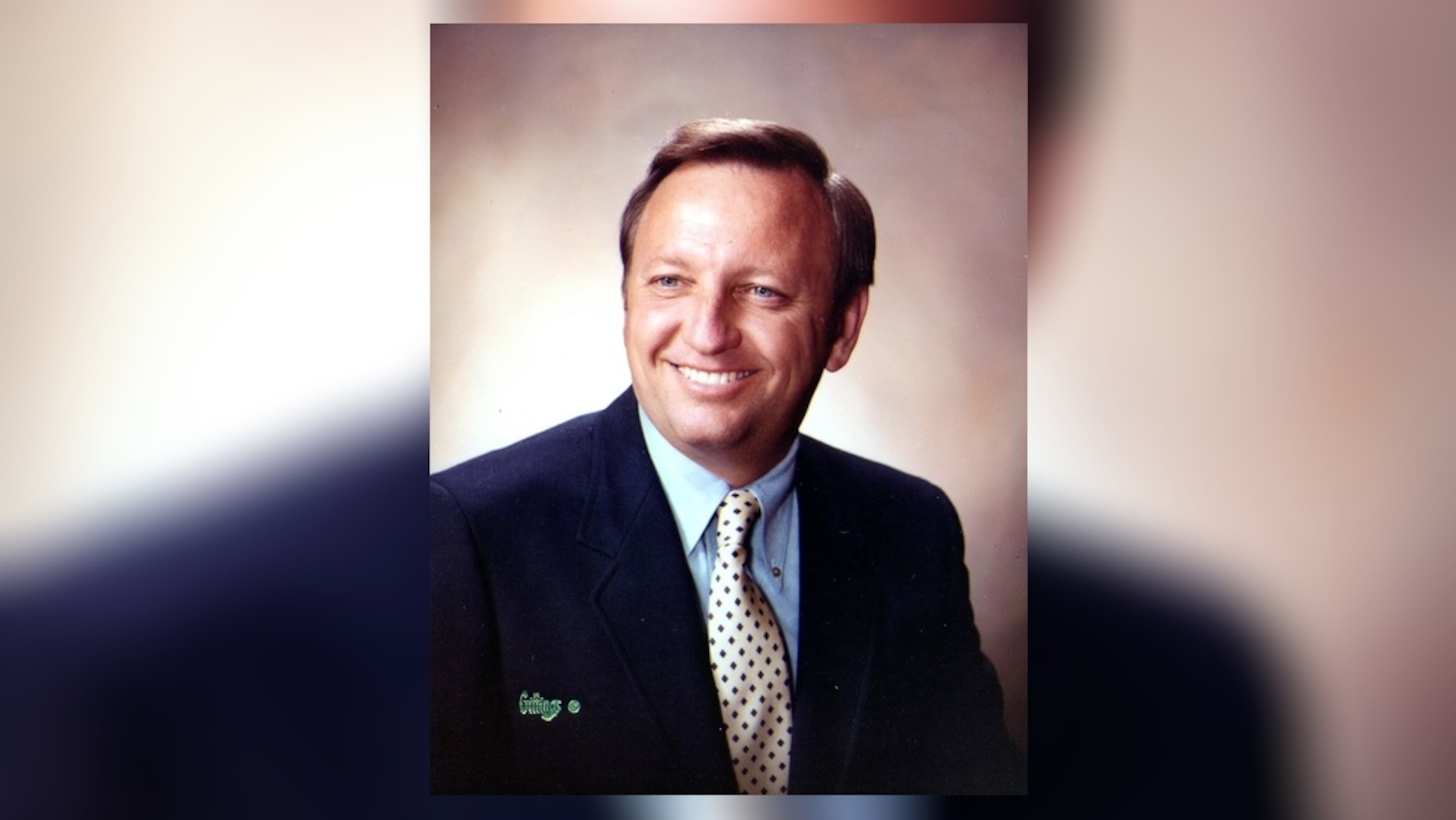
Originally from Chattanooga, Tennessee, Charlie Brown developed his knack for architecture and development at Georgia Tech. He rose as the president of the institute’s namesake foundation in the mid-1990s, using its resources to identify areas on the cusp of change.
The vacant Atlantic Steel mill north of Midtown caught his eye, but the state of the polluted site made it a challenge to redevelop. Jim Jacoby, another Atlanta developer, was also fascinated by the Atlantic Steel property, leading their paths to intersect.

“The day that I put it under contract is the day he got it approved by the Tech Foundation to purchase it,” Jacoby said. “So when we found that out, we said, ‘Well, let’s get together.’”
The duo and their partners had to navigate regulation over Atlanta’s putrid air quality, lobbying the White House to build the 17th Street Bridge over the Downtown Connector and the country’s largest brownfield remediation effort. Their efforts resulted in Atlantic Station, a mixed-use neighborhood with its own ZIP code that now boasts 6,000 residents and 11 million annual visitors.
“Frankly, he was the only guy who could have pulled it off,” Jacoby said of Brown. “He was a special guy who could help solve problems.”
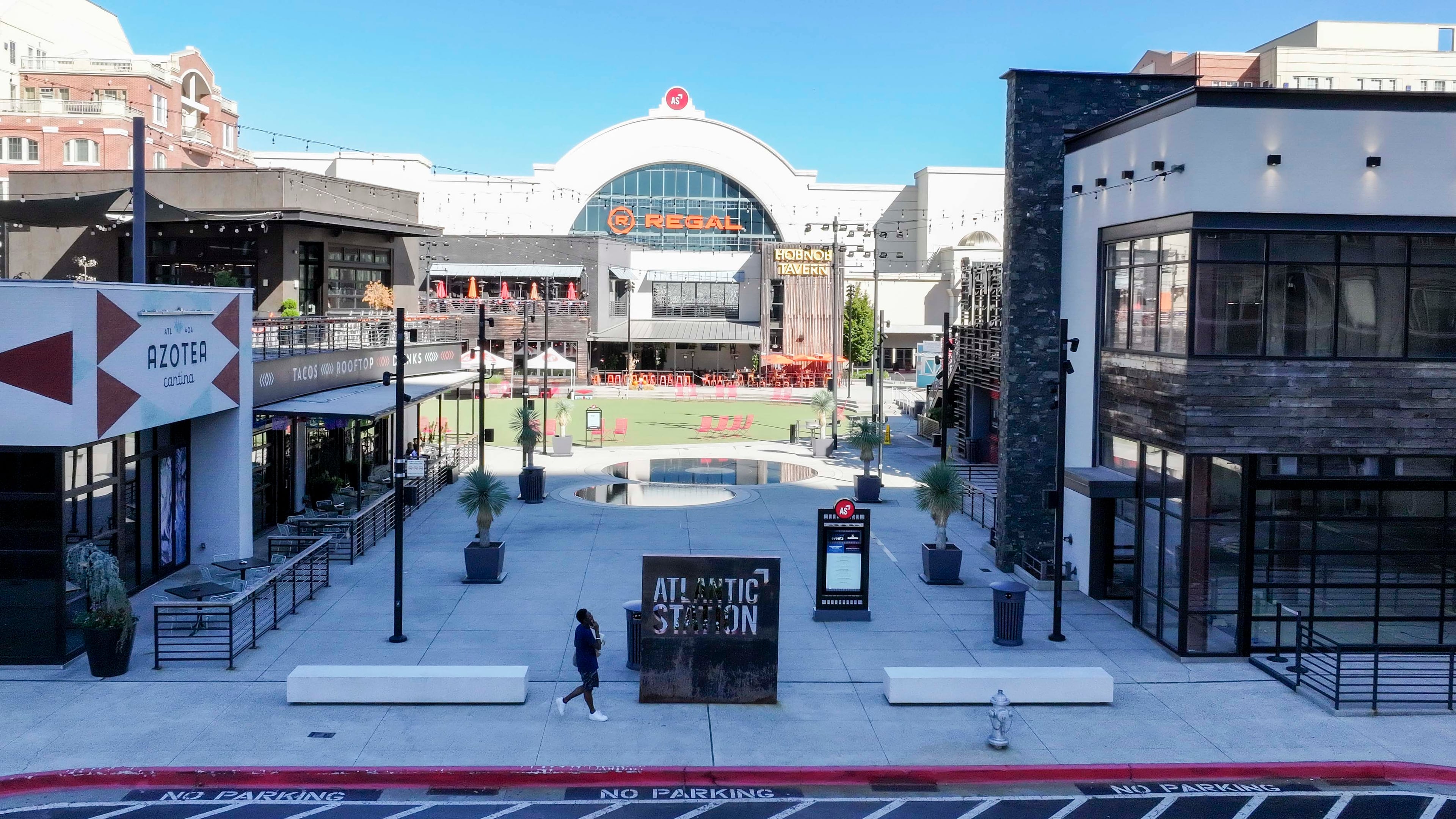
Brown saw the potential of the Atlantic Steel site to harness the type of development energy that had been happening for decades in the suburbs to a key gateway to the city.
“There’s been a lot of value created in the suburbs; there hasn’t been as much opportunity inside the ring,” he told the AJC in 1999. “Atlantic Steel offers alternatives. You start to get a balanced growth.”
In the commercial real estate business, “Everybody knew Charlie Brown,” said John Heagy, retired senior managing director for real estate firm Hines, the company that now owns Atlantic Station.
“He was Mr. Connection,” Heagy continued. “He had really deep connections to a broad variety of people, including politicians and bankers and investors.”
Heagy said Brown was a competitor of his, but “he was very well respected,” so “we weren’t archenemies, so to speak.” Heagy remembered Brown as a Southern gentleman and “the consummate friendly guy.”
Atlantic Station was just the type of project Brown was skilled at using his contacts and knowledge for, to determine how a development could be designed, zoned and funded. As such, Heagy said, Brown ranked among “the other visionaries of our city, like Tom Cousins and John Portman and others, that really had a vision and had a skill to make things like that happen.”
Brown’s impact rippled beyond that one project, touching many communities around Atlanta and reverberating through his family. Scott Brown, the younger of the developer’s two sons, followed his father into development and formed industrial firm Intersect Development Group.
Scott Brown said his father was a master at relating to people while pursuing a project, and he did so directly and personally.
“Some people would go hire an attorney right away. They’d hire the best land attorney there is, and they’d come flying in,” Brown said of his father. “But he would build consensus and try to present something that worked.”
The Brown family lived in Duluth and shaped many of the suburbs in its orbit. Decades before Johns Creek and Peachtree Corners became cities, Charlie Brown developed sprawling office parks in those areas because of their untapped potential.
He was directly involved in building Technology Park Atlanta, a 600-acre campus with 4 million square feet of offices in Peachtree Corners, and a 6 million-square-foot mixed-use park in Johns Creek.
He also pitched a $2 billion mixed-use project in Roswell called Roswell East. While that plan didn’t get off the ground, it would have brought high-rise condos to the Chattahoochee riverfront. The city has since become a hotbed of new development.
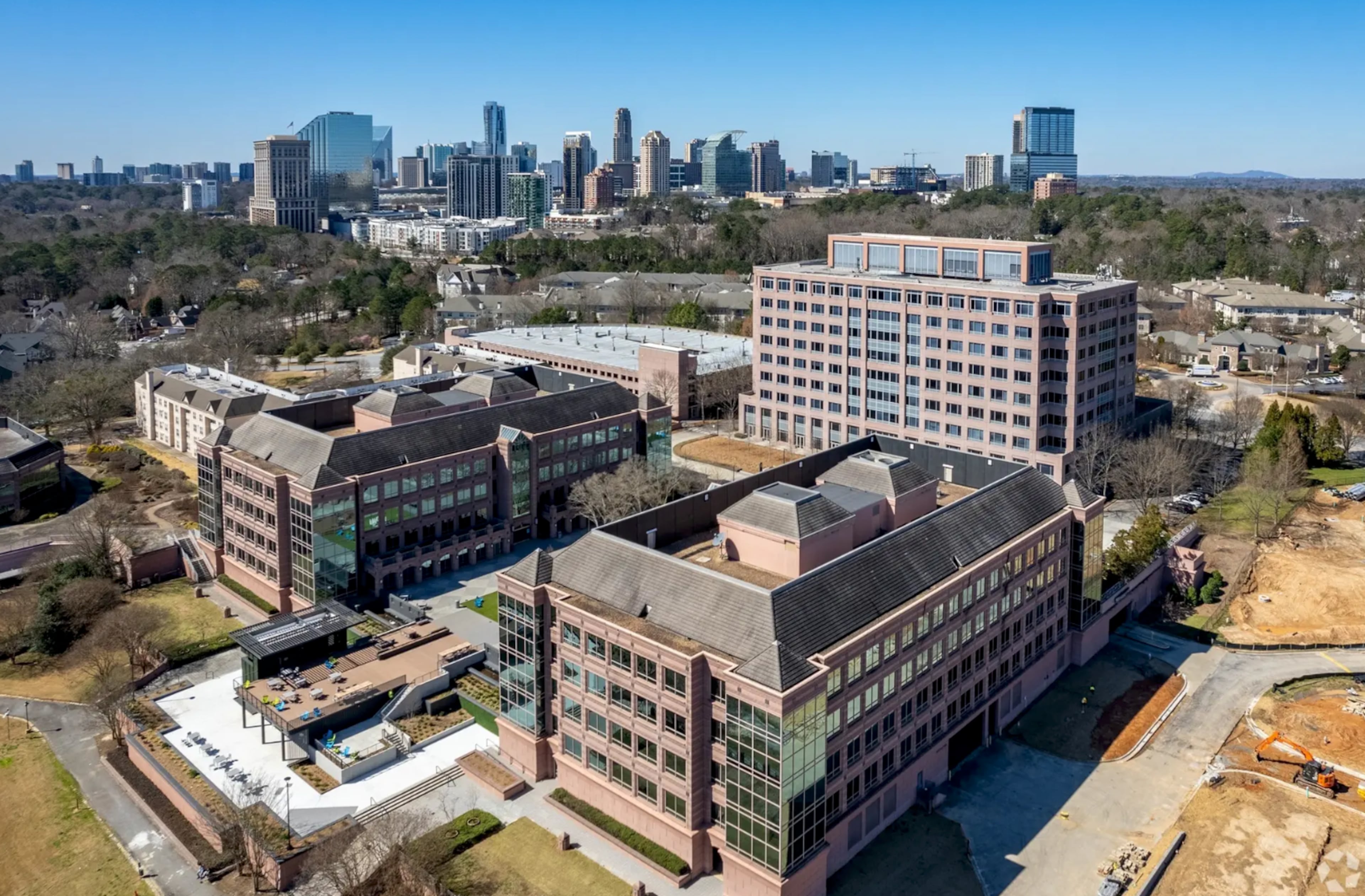
Another project was the redevelopment of a country club called The Standard Club near Buckhead into Lenox Park, a 2 million-square-foot office campus at the intersection of the neighborhood and Brookhaven.
Brian Leary, an executive at Highwoods Properties and former president and CEO of the Atlanta Beltline, said Lenox Park is another feather in Brown’s cap, especially given all the different agendas he had to balance.
“The Standard Club was historically the country club of a lot of executives in town,” Leary said. “Charlie structured a deal where he got them a new site and campus (in Johns Creek), bought them out of Lenox Park and then rezoned it all. That was not an uncomplicated thing to do.”
Leary said Brown was always building relationships “deliberately without an end in mind,” which paid dividends throughout his career. He said Brown was the epitome of the proverb that, “If you want to go fast, go alone. If you want to go far, go together.”
Nunn said that extended to hobbies as well, including their shared passion for golf. That’s where Brown’s character shined.
“Golf has a lot of tests of life, where you are your own referee and umpire,” Nunn said. “Charlie called the balls and strikes on himself — both in the games of golf and in life.”
Brown served as an executive for many development firms, including CRB Realty Associates and Tower Partners Group. He was the 2004 recipient of the coveted “Four Pillar Tribute Award,” served as chairman of the Gwinnett Chamber of Commerce and held multiple other board positions for various nonprofits and government organizations.
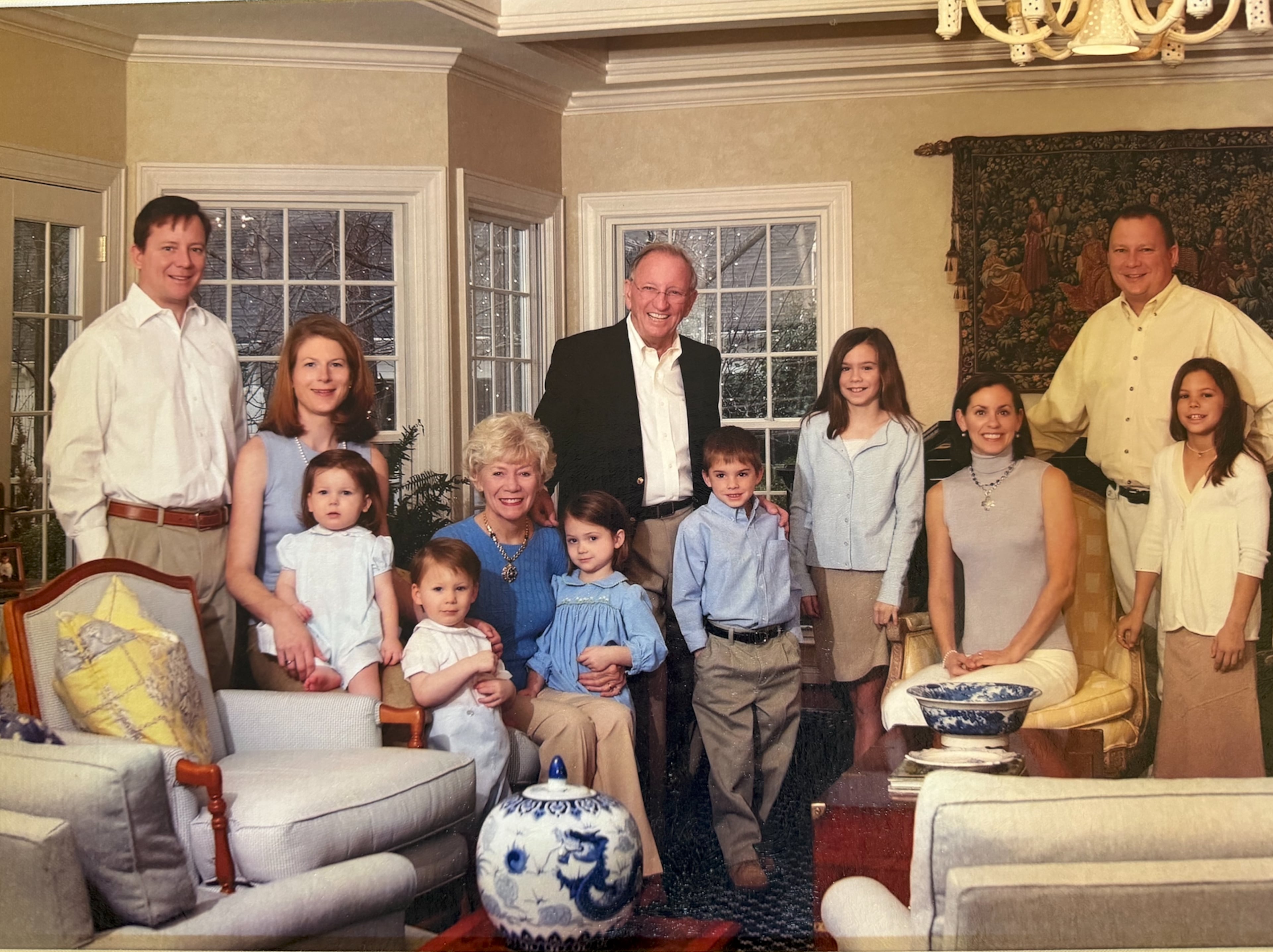
Brown is survived by his wife Brenda Brown, their sons Scott and Jeff Brown and six grandchildren.
A public funeral service will be held at Dunwoody United Methodist Church at 11 a.m. Monday.