Atlanta church, UGA’s Legion Pool among Georgia’s at risk landmarks

What do one of Midtown’s most iconic church halls, a religious campsite in Covington and a former University of Georgia swimming pool have in common?
They’re all under imminent threat of being wiped from history or irrevocably altered, according to the Georgia Trust for Historic Preservation.
The organization Wednesday released the 20th edition of its “Places in Peril” list, highlighting 10 Georgia historic properties at risk of demolition, decay or redevelopment. Prior lists have shined a spotlight on potentially endangered structures, sometimes leading to the alteration of development plans or sparking preservation interest.
The 2026 endangered places list includes Egleston Hall at All Saints’ Episcopal Church, a century-old landmark along North Avenue in Midtown. The other locations span Georgia, including Legion Pool at UGA’s campus in Athens and Salem Campground in Covington.
“We hope the list will continue to bring preservation solutions to Georgia’s imperiled historic resources by highlighting ten representative sites,” W. Wright Mitchell, president and CEO of the Georgia Trust, said in a news release.
Built in 1918, Egleston Hall is a Gothic Revival building with a recognizable stone facade. It features a horseshoe-shaped layout and historically served as a center for worship, education, performance and community events.
“Egleston Hall remains an important example of early church-sponsored educational architecture and a contributing element of the historic All Saints’ campus,” the Georgia Trust said.

The church is now considering a redevelopment plan for its campus, selecting architecture firm Perkins & Will earlier this month as a partner. In a weekly newsletter to members, Rector Simon Mainwaring acknowledged Egleston Hall would be included on the “Places in Peril” list.
“We are grateful for the leadership of the Trust as they work with us as we assess the condition of Egleston as a structure that has suffered significant structural damage, offer our mutual appreciation of its historic nature, and consider All Saints’ missional priorities …” the newsletter said. “Our architects, Perkins & Will, are meeting with the Georgia Trust in early March and we are excited to work alongside them.”
A website called friendsofeglestonhall.org was recently created to encourage a redevelopment plan that focused on historic preservation. The Georgia Trust added that “sensitive rehabilitation should focus on retaining this historic resource.”
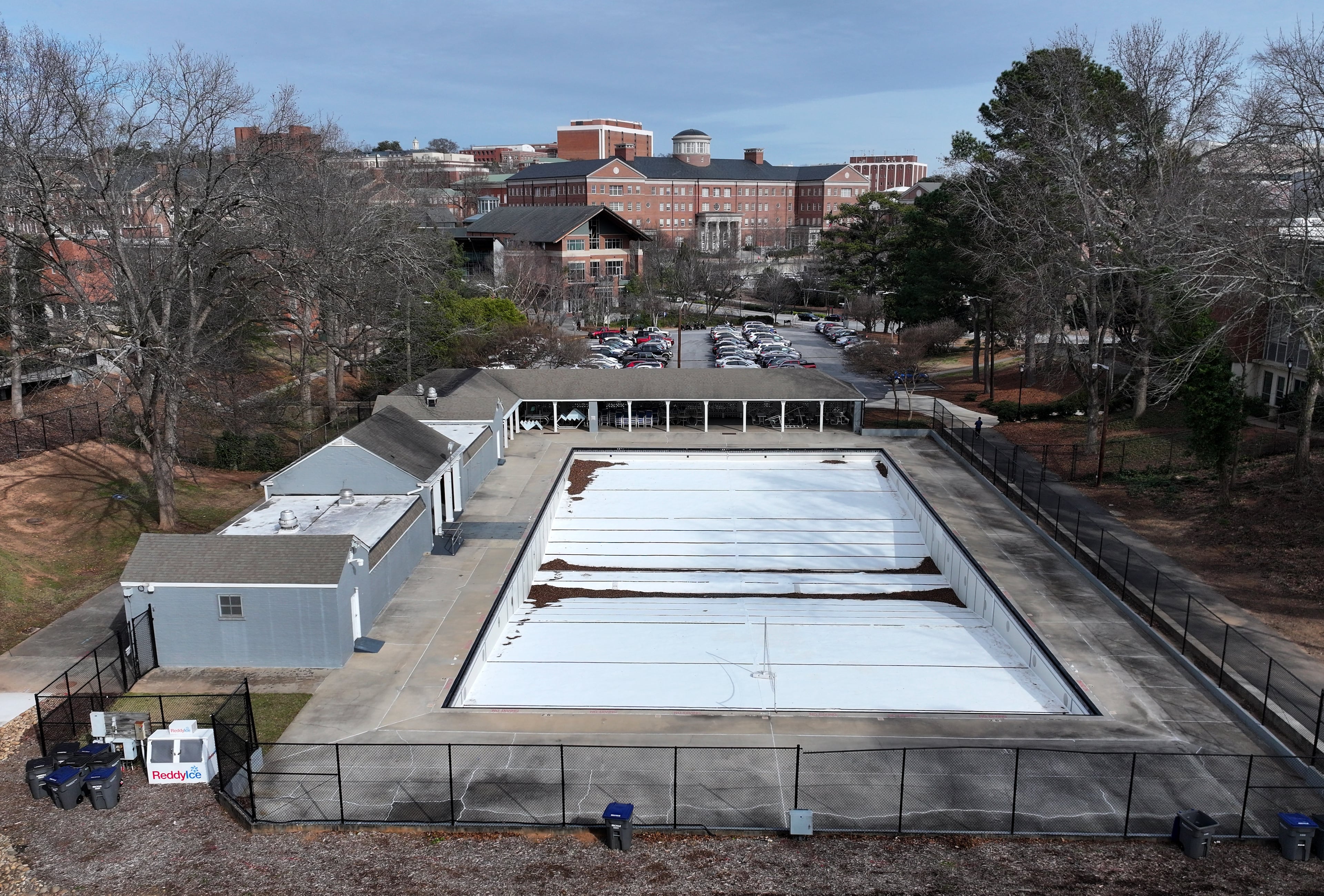
Opened in 1936, Legion Pool at UGA was once the largest swimming pool between Richmond, Virginia and Miami. It was constructed through the Works Progress Administration in collaboration with the city of Athens and served as a training site for the U.S. Navy during World War II.
But after falling out of use and closing, UGA in late 2025 reaffirmed plans to demolish it for parking, green space and an outdoor amphitheater. The Georgia Regents in January voted to demolish the pool.
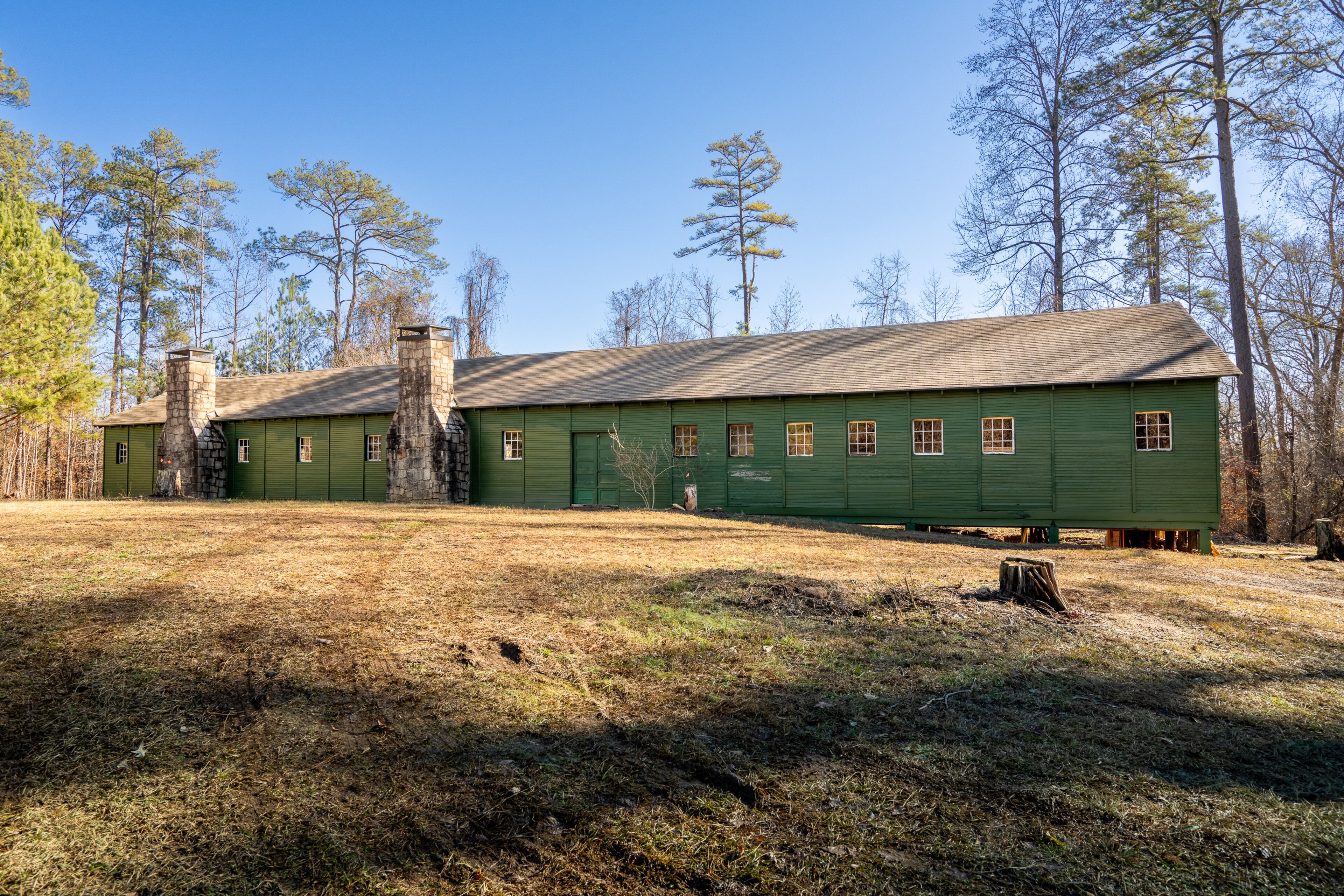
In Covington, an hour east of Atlanta, Salem Campground is one of the state’s oldest and most intact religious camp meeting sites. Established in 1828, it’s been listed on the National Register of Historic Places and features an open-air tabernacle and wooden tentlike structures.
“Once a rural retreat, the Salem Campground now sits in a changing landscape as suburban development encroaches in the area,” the Georgia Trust said. “The intact site reflects its 19th century beginnings, but ongoing stewardship of the historic tents and structures require comprehensive investment in stabilization and restoration.”
Some prior successes credited to their inclusion on the list include the Mercer Music at Capricorn in Macon, the Berrien House in Savannah and a former Atlanta Constitution building in downtown, which is currently undergoing restoration and conversion into affordable housing.






The other places in peril for 2026 include:
- Boggs Rural Life Center in Keysville, Burke County: A rural school for African American children that grew into a Presbyterian Church and later a community center.
- Civilian Conservation Corps Camp at Hard Labor Creek State Park in Rutledge, Morgan County: The last remaining camp of its type in Georgia that served as the CCC Company 459 headquarters.
- McCranie Turpentine Still in Willacoochee, Atkinson County: The best-preserved example of a wood-burning turpentine still in Georgia.
- Orange Hall in St. Marys, Camden County: A landmark Greek Revival House built in the mid-19th century that serves as a prominent surviving example of antebellum architecture.
- Thomas L. Bell Memorial Ballpark in Americus, Sumter County: A wooden baseball stadium that later became the home field for the Americus High School baseball team.
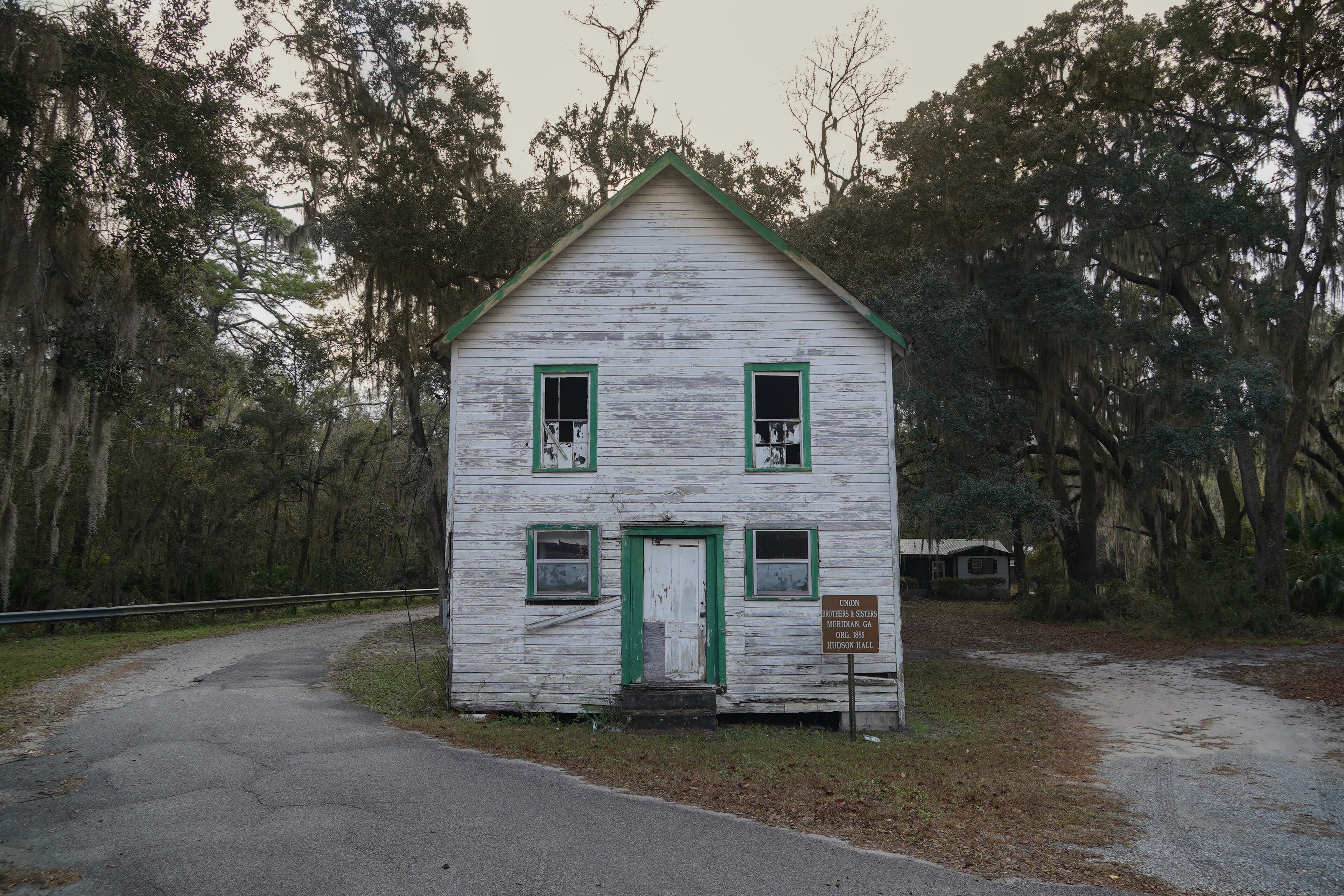
- Union Brothers and Sisters Mission Hall in Meridian, McIntosh County: A rare surviving landmark of the historic Hudson community, an African American settlement that served as a burial society, mission hall and community center.
- Wayne County Courthouse in Jesup, Wayne County: A Romanesque Revival landmark that features a prominent clock tower and anchors the city’s courthouse square.
About the Author

Zachary Hansen, a Georgia native, covers economic development and commercial real estate for the AJC. He's been with the newspaper since 2018 and enjoys diving into complex stories that affect people's lives.