As World Cup in Atlanta ends, local bar remains hub for queer soccer fans
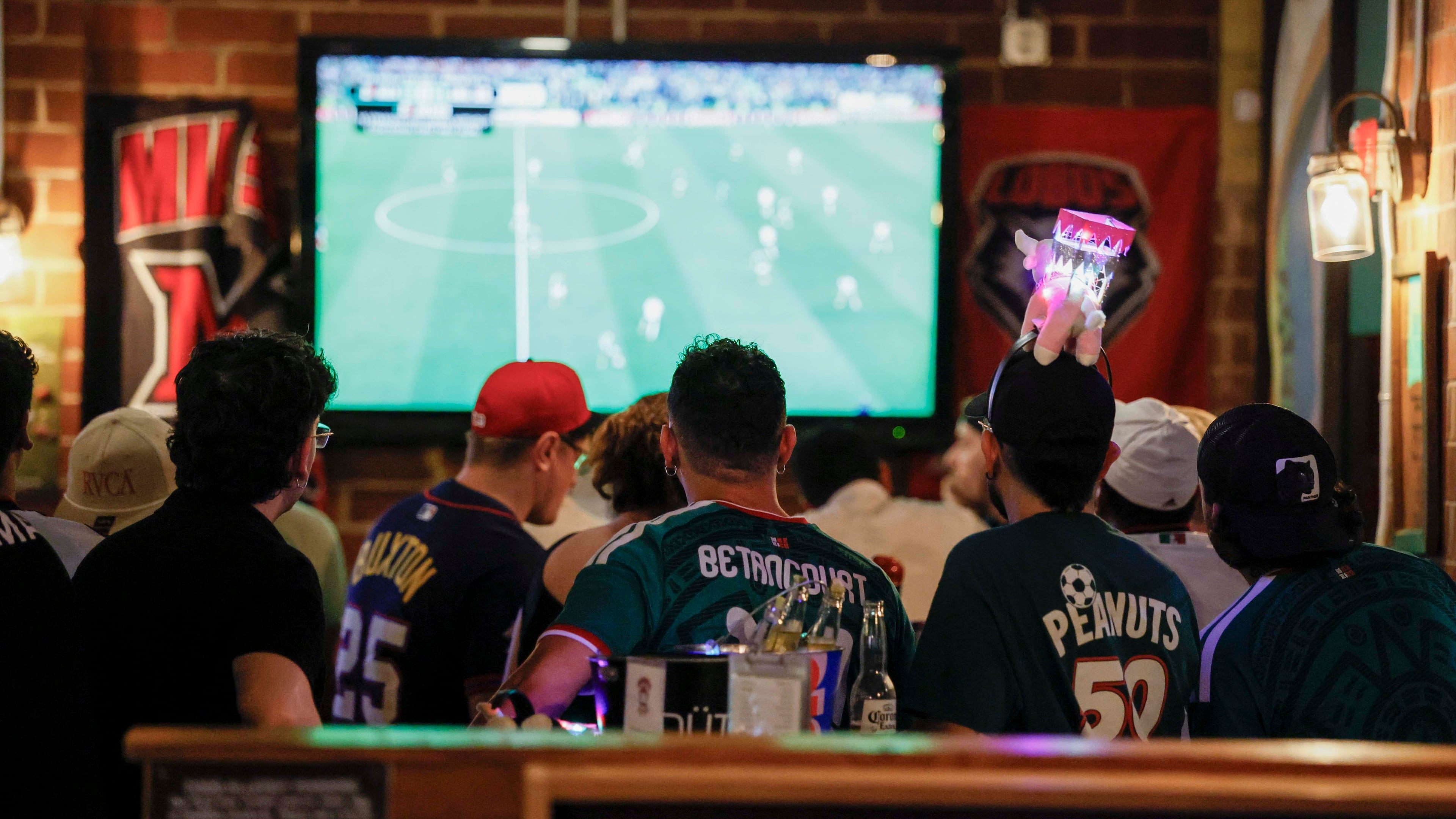

In the 1990s, after moving to Clarkston from Washington D.C., Gregory Hughes became known for hosting large Super Bowl parties that attracted as many as 400 attendees, most of them gay.
Nearly a decade later, the parties got so big that Hughes’ friends persuaded him to open what was once an anomaly in Atlanta: a gay sports bar.
Not everyone believed in the vision, though.
“A lot of bars in the city thought the idea was crazy,” Hughes said. “They’d be like, ‘Oh, you’ll never survive as the sports bar in a gay mecca. Gays don’t pay attention to sports.’ But we survived. We were successful from Day 1, and we have grown ever since.”
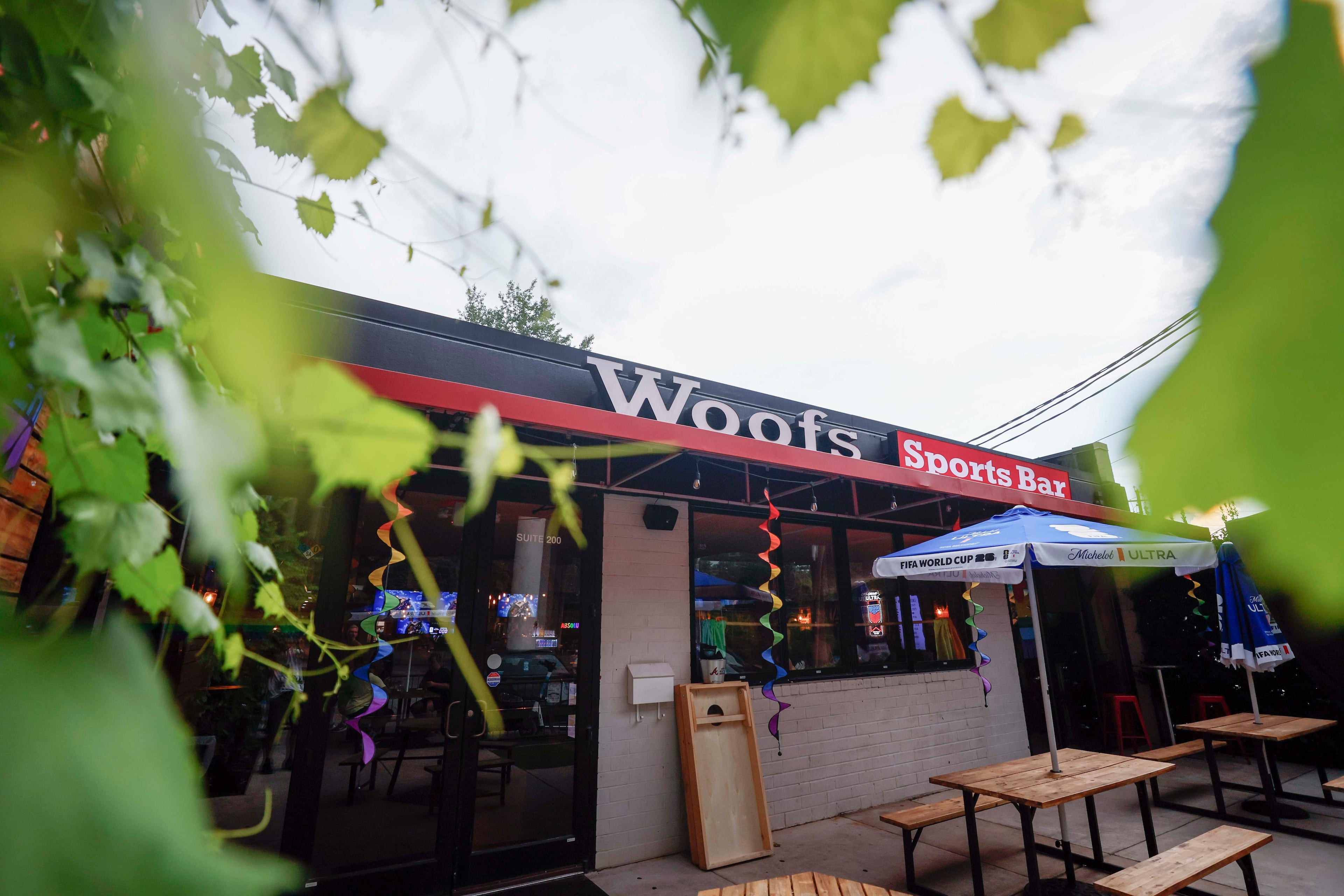
That bar, Woofs, officially opened in 2002 in Buckhead and moved near Armour Drive in 2019. Last year, Woofs was chosen to be Atlanta’s official Pride House, a gathering space for LGBTQ soccer fans to watch and enjoy the 2026 FIFA World Cup matches.
But Woofs has been a stalwart supporter of Atlanta’s queer sports community long before the recent recognition.
“Sports is synonymous with me,” said Hughes, who has followed and participated in sports like softball and bowling for most of his life.
A ‘second family’
Patrick Pepin has frequented Woofs three times a week over the past two decades.
For him, the bar’s welcoming environment makes it a fulcrum of Atlanta’s gay sports community, which is just as vast as all the events shown on all of the bar’s 28 TVs — from tennis to soccer to “RuPaul’s Drag Race” (which some would contend is its own competitive sport).
“There’s definitely something for everyone, and it’s nice that you know there’s a place for you even if you’re not into sports,” Pepin said.
Woofs’ inclusive atmosphere also appealed to Steve Nick — so much so that he became the bar’s assistant general manager three years ago after being a longtime customer.
“You get poked and prodded that we’re the gay Applebee’s or that we’re the gay ‘Cheers,’ but it’s true,” Nick said. “Like, you see somebody walk in the front door, and it’s like, ‘Hey, Norm, what’s up today?’ You know, like the full-on ‘Cheers’ thing, and it’s because we do have people that are here loyal and here regularly every day of the week, almost. It’s like a second family.”

Even for the nonregulars, that spirit remains.
Eddie Lacher invited a friend (and newbie to Woofs and soccer) to a recent World Cup watch party at the bar. He rapidly became an acolyte of both.
“We’re sitting there watching the game, and all of a sudden he screams, ‘That’s a foul!,’” he said. “We all start laughing because, you know, three weeks ago he wasn’t into it, but over the course of going to Woofs, he started watching the game on his own time, and he’s like, ‘I really enjoy this now.’”
Lacher, who identifies as bisexual and is an Atlanta United season ticket holder, said being in a space where his sports fandom doesn’t conflict with his sexual orientation is essential. At Woofs, both can coexist, loud and proud.
“Not everyone’s masculine or heteronormative,” Lacher said of Woofs. “So for those that aren’t, they can come into this space and have a good time. I’ve seen all different genres of people in the place, and no one’s ever made fun of anybody, no one’s harassed anybody.”
Pride House Atlanta
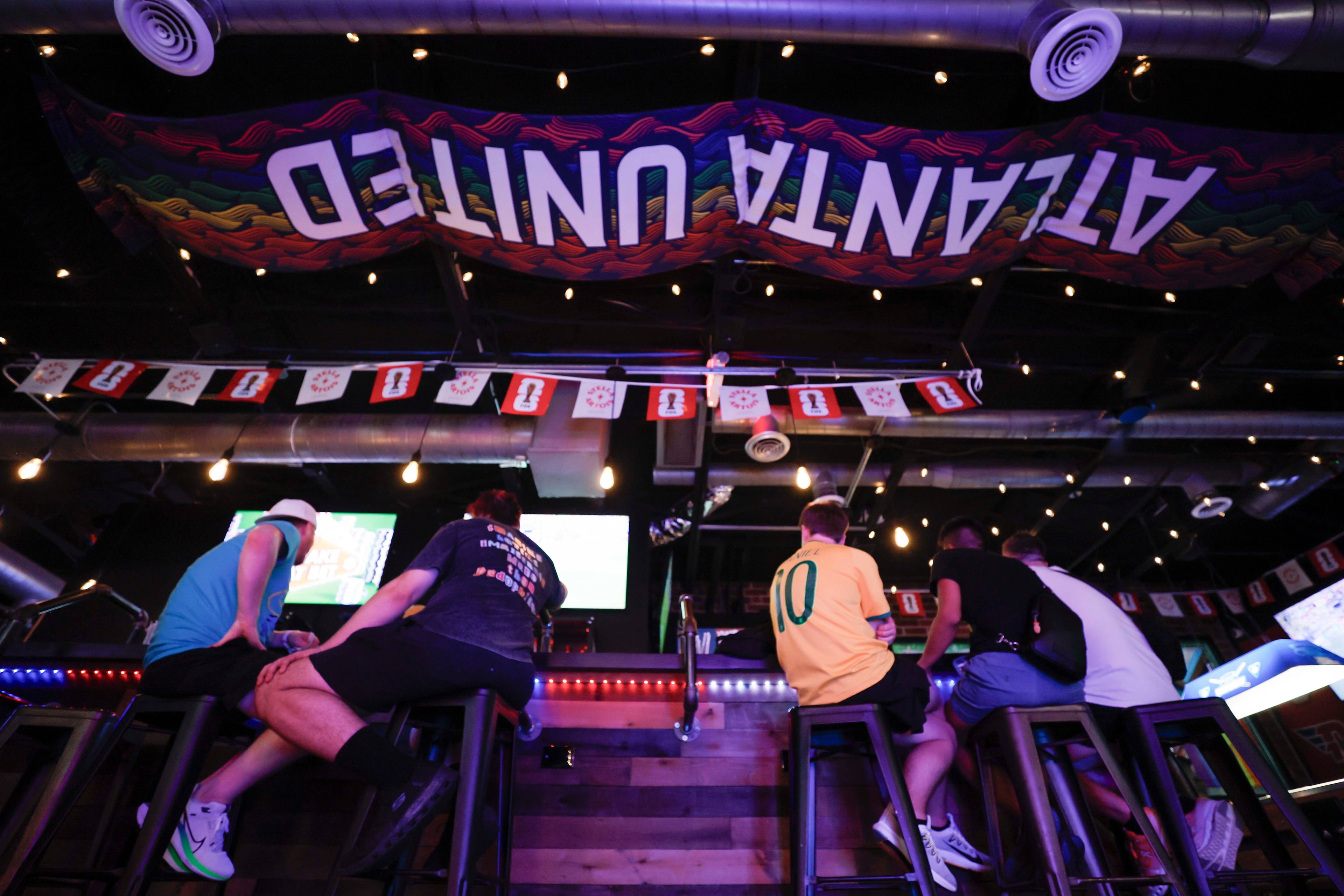
Woofs was announced as Atlanta’s Pride House in May. The initiative is a partnership between Woofs, All Stripes, Mayor Dickens’ Office of Diversity, Equity and Inclusion (known as One Atlanta) and Pride House International.
Pride House International, a global group that ensures LGBTQ sports fans feel safe during major sporting events, launched Pride Houses in each of the 16 host cities during the World Cup — a first for the organization.
The move comes amid FIFA’s checkered past with the LGBTQ community. The 2020 FIFA Men’s World Cup was held in Qatar, where homosexuality is illegal. During the games, players were banned from wearing OneLove armbands that signified unity with the LGBTQ community.
Last month’s Iran and Egypt match in Seattle came under scrutiny, as both countries have anti-LGBTQ legislation, although the game (held during the city’s Pride celebration) was billed as a Pride match by a local organizing committee. Despite Egypt and Iran’s qualms about any representation of Pride symbols from fans in the stands, FIFA permitted attendees to wear rainbow gear.
However, at the time, FIFA president Gianni Infantino clarified that “there will be no “Pride Match” at the (FIFA) World Cup,” distancing the games from the LGBTQ celebration.
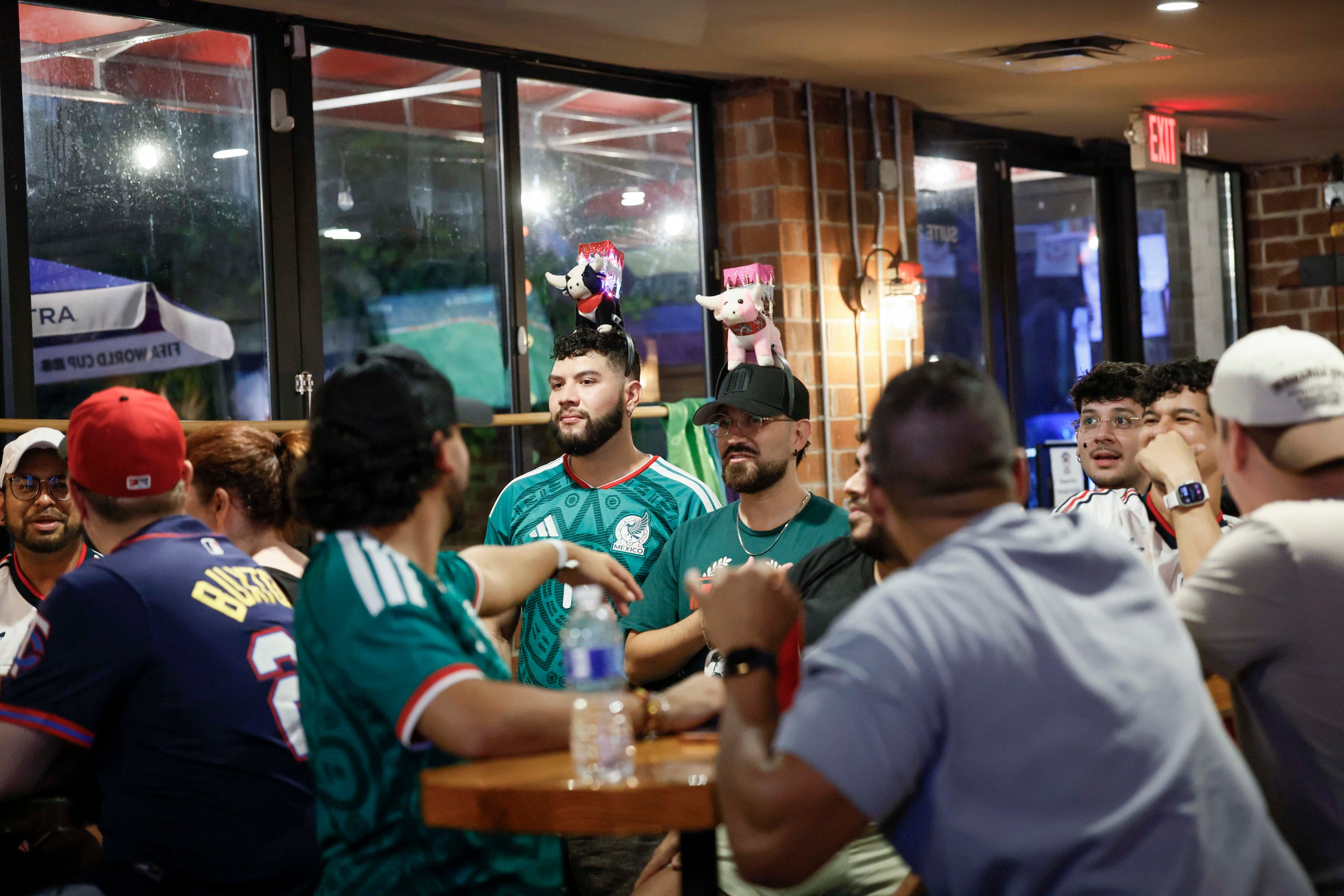
“We know that there are certain teams that have a very bad reputation for homophobia and homophobic chants during matches, and we’ve seen very little action from governing bodies in the sport to address that,” said Joshua Hill, the communications director for All Stripes, Atlanta United’s LGBTQ supporter group. “So having a spot where even if that kind of thing happens, you know you’re still safe because you’re surrounded by people who are there to protect you (and) enjoy the game with you, offers a response to that.”
Hill noted that what’s missing in queer representation and acceptance within men’s soccer doesn’t wholly translate to queer soccer fandom, especially in Atlanta.
“You don’t have to worry about not being yourself,” Hill said. (This Pride House) is exposing the world to the Atlanta soccer culture that’s been built, and it’s giving our community here in Atlanta a way to introduce themselves to the sport and feel more comfortable around it.”
That’s why, for Dewayne Queen (director of One Atlanta’s LGBTQ affairs), choosing Woofs as the Pride House hub was a natural fit. The decision aligned with One Atlanta’s Human Rights Action Plan. Adopted by the Atlanta City Council this spring, the initiative offers a framework to hold the city accountable for protecting workers’ rights and address the needs of vulnerable populations, among other goals, during World Cup games.
Per the plan’s Pride programming, the city outlined a minimum of two FIFA-related events for the LGBTQ community. However, the Woofs Pride House launch is the only one the city has implemented. Queen said there are no plans for another event. Instead, his team has prioritized making Woofs a safe space for soccer fans, “regardless of who they love.”
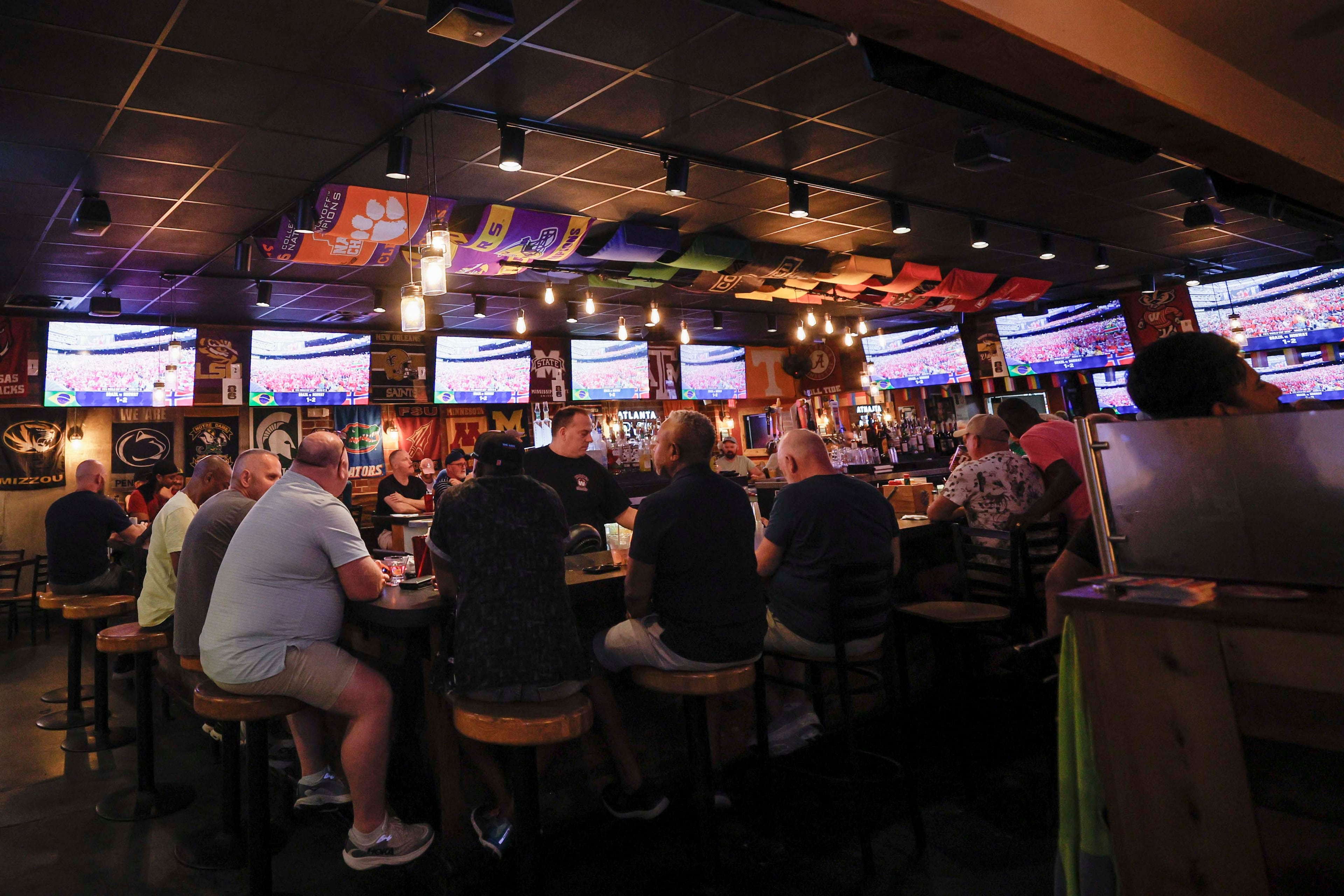
“Soccer fandom is community, he said. “If you think about queer fans, finding a space where they can finally relax and fully embrace themselves in a space, it was a no-brainer, truthfully.”
As the 2026 World Cup nears an end, Hughes considers the Pride House designation as “an honor.” And it’s proven to be successful for the business. For U.S. watch parties, sales at the bar have increased by 40%, said Hughes. At Woofs, he plans to continue supporting the city’s queer sports scene beyond the World Cup, like he did with his Super Bowl parties over 30 years ago.
“Everything has to be a little bit controlled if you’re in a straight sports bar,” Hughes said. “With us, we don’t care. People can come, be themselves, and not have to worry about, ‘Oh my God, look what they’re doing over there.’”
IF YOU GO
Woofs Sports Bar
11:30 a.m.-11 p.m. Mondays-Thursdays, closed Tuesdays; 11:30-1 a.m. Fridays and Saturdays; 11:30-12:00 a.m. Sundays. 494 Plasters Avenue NE, Atlanta. 404-869-9422, woofsatlanta.com