Cathy Woolard, the consummate Atlantan, has left Atlanta for good
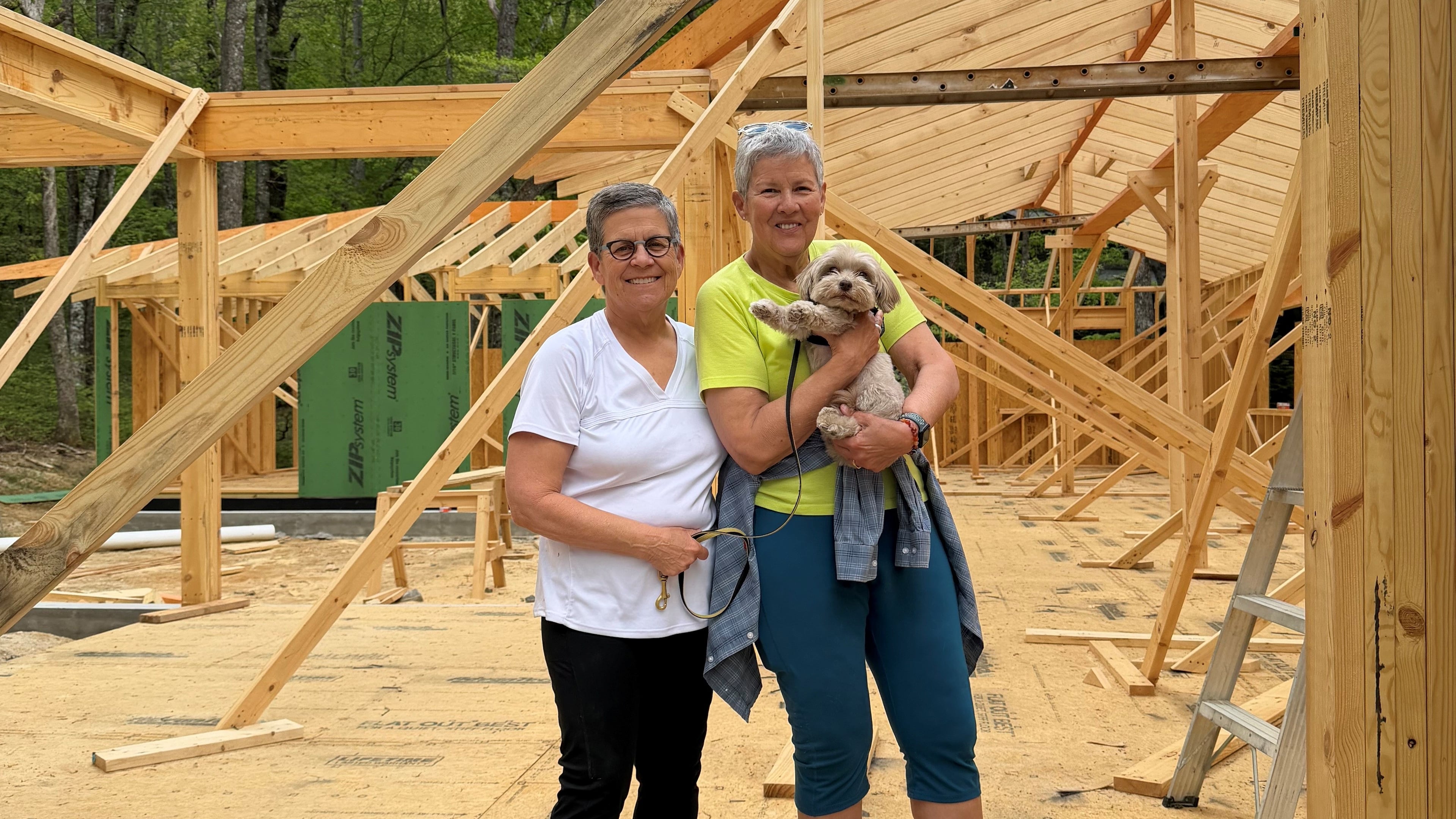
It’s hard to think of the city of Atlanta without Cathy Woolard. The seventh-generation Atlantan served on the City Council, as City Council president and as chair of the Fulton County Election Board during the tumultuous aftermath of the 2020 elections.
She ran for Congress and for mayor, both unsuccessfully, but she gets the credit for taking an audacious idea from a young urban designer and paving the way for it to become the Atlanta Beltline, the most transformative thing to happen to Atlanta since the invention of the car.
But one day this summer, Woolard and her wife, Karen Geney, packed up their house in Grant Park and moved permanently to western North Carolina. The reason they left Atlanta was the city itself.
“Looking at quality of life in Atlanta versus the quality of life in a more rural part of the country, there really wasn’t a lot that made us decide we needed to stay,” she said.
If Cathy Woolard can’t think of a reason to stay here, Atlanta, we have a problem.
Her biggest pain points were the ones we all know too well — unsustainable sales and property taxes, “soul sucking” traffic and, most of all, Atlanta’s spiraling cost of living. The Atlanta affordability crisis we read so much about was real enough to send them away.
“We are lucky that we are in a position to have options to do something else,” Woolard said. “Many people don’t, and I think it’s a cautionary tale for Atlanta to be really thinking about what it means to be affordable.”
As soon as the couple relocated, Woolard said, her car insurance premiums dropped $300 per month. What they paid in Atlanta property taxes for a month now covers an entire year in North Carolina. And a car trip that should take 20 minutes actually takes 20 minutes, not the hour-plus of bumper-to-bumper that most in-town Atlantans can count on for nearly any ride outside of the neighborhood.
“Growing up, I never wanted anything more than to live in Atlanta, I just loved it that much,” Woolard said. “I never ever thought I would leave.” But now, of course, she has.

She leaves behind her decades of work in elected, appointed and volunteer positions in the city. She counts being the first openly gay elected official in Georgia as a major point of pride.
Likewise, later in her career, she jokes that she went through the “seven stages of grief” when she was asked to chair the Fulton County Elections Board. The experience, even in the aftermath of the 2020 elections, was one of her best, she said.
“The board was bipartisan, and we made changes that led to a very strong and permanent turnaround that one can see the results of today,” she said.
But more than anything, Woolard is proud of the Beltline.
The idea originated during her first year on the City Council. Her father was in the Air Force, so she grew up in European cities with layouts and transit that let families easily move through their days without cars. She wanted the same option for Atlantans.
The solution came one day in a letter from Ryan Gravel, then a recent Georgia Tech graduate whose master’s thesis proposed a transit corridor through the city called “the Beltline.”
“I picked up the phone and called Ryan and said, ‘Come down and let’s talk about this.’” He did, and after years of lunchtime pitches, policy studies, neighborhood listening sessions and council votes, the Atlanta Beltline was born.
“The idea was to really orient the growth of the city around a transit corridor, so that you wouldn’t have the kind of grid like we’re experiencing today,” she said.

Shirley Franklin was the new mayor of Atlanta when Woolard was City Council president. The two hit it off immediately when they realized they had the same birthday. They began meeting weekly, one-on-one.
“At the end of each meeting, Cathy would say, ‘There’s this project that I really want you to embrace and understand.’ Of course, it was the Beltline,” Franklin said. “She had a real vision for the city and what it could become.”
Woolard doesn’t have any real regrets about her time here, beyond a few ideas that never came to fruition, like banning drive-through windows and gated communities.
But a final regret is more of a profound sadness. The city of Atlanta is bustling, boisterous and gleaming, but less and less willing to be a home to people without the significant means to stay.
“It is really difficult for people to make a go, especially (for people) on fixed incomes or who are low income,” she said. “At some point we are going to have to have mayors and City Council members who are willing to represent the people who vote them in.”
Woolard’s new life still includes work, along with hiking and time she used to spend in Atlanta traffic that is now hers to enjoy. She’s glad with the move, but has a message for the place her family had always called home.
“I love, love, love the people in Atlanta beyond all measures, and that’ll be the hardest part to leave,” she said. “The good news is we’ll find each other and hopefully maintain those connections from afar.”
The feeling, for the people who know her and many who don’t, is mutual.
A Facebook post announcing a going-away party for Woolard generated comments calling her everything from “a servant leader” and “a freaking legend.” One said, “I can’t imagine the city without you.”
Franklin said Woolard has earned the life she wants now, even if it’s not here.
“She saw the long game. She saw what Atlanta could become,” Franklin said. “She will always be a part of the legacy of modern Atlanta because of her willingness to take a risk on an idea that was transformative.”