Dolly Parton and Zell Miller shared more than a love of country music
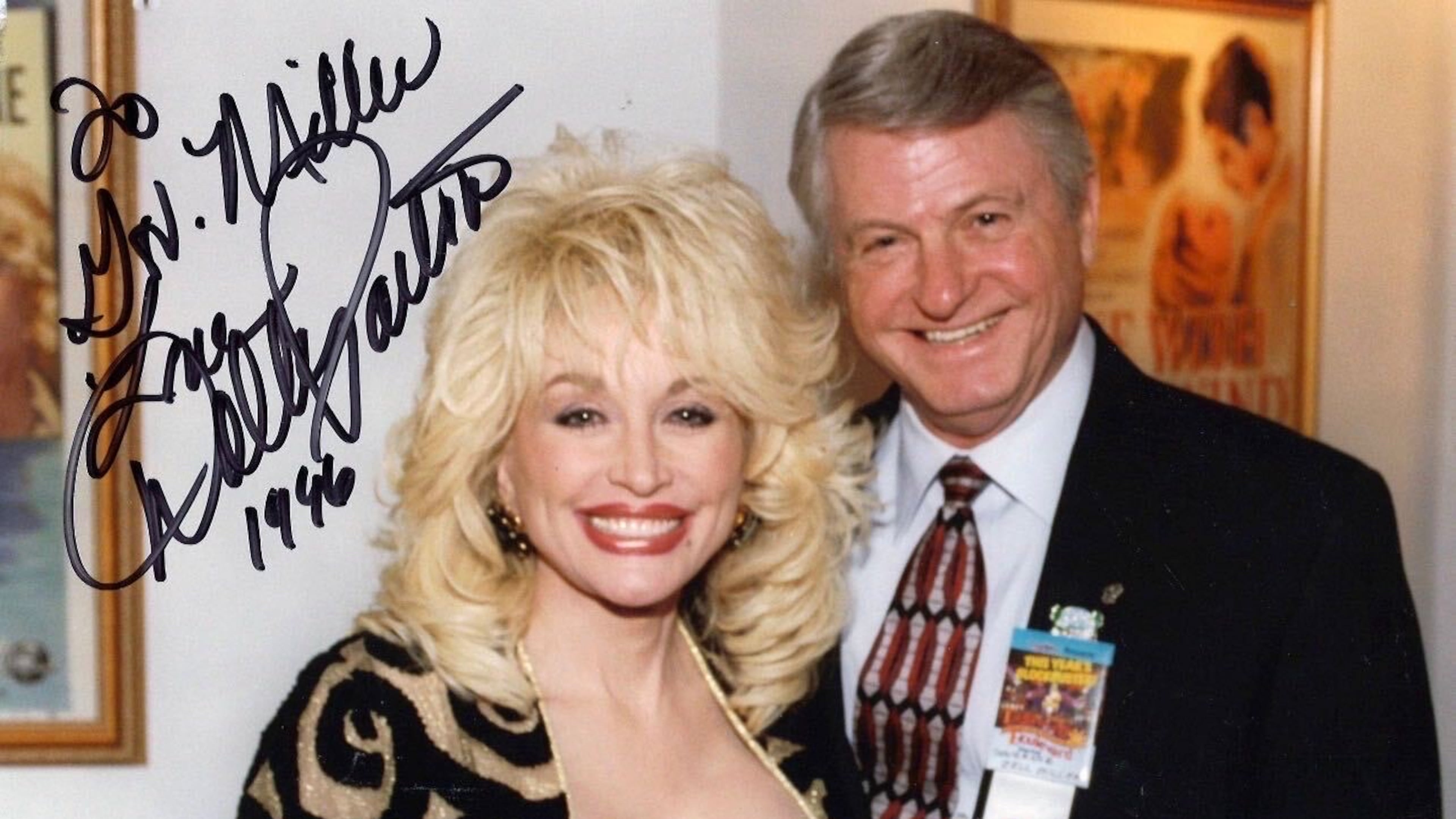
Shirley Miller can’t quite pinpoint exactly when she and her husband first met Dolly Parton.
But she remembers that back in 1967, Parton was playing a little music hall halfway between Zell Miller’s hometown of Young Harris and Blairsville, where the future governor first got to know her.
Miller became a huge Parton fan. Not long after he was elected governor in 1990, he called the country music legend with an idea: He wanted every baby born in Georgia to go home from the hospital with a classical music CD and, later, a book.
The book was “The Little Engine That Could,” a childhood favorite that Miller’s mother had read to him. Soon, Parton was helping with the plan to get them into the hands of Georgia families, part of her lifelong commitment to fostering childhood literacy.
Neither Shirley Miller nor Keith Mason, the governor’s longtime aide, can recall exactly how the arrangement was financed. But both remember Parton as an important part of Miller’s effort.
“It was a special friendship. She was really a jewel who has done so much for women in this country,” Shirley Miller said. “I was proud to know her.”
By the mid-1990s, Georgia was distributing copies of the book to tens of thousands of children. It became the first story read to 4-year-olds enrolled in the lottery-funded pre-kindergarten program he orchestrated, Miller wrote in his 2020 book “Corps Values.”
Each copy carried a message from the governor about persistence. Former Macon-Bibb Commissioner Seth Clark, an amateur historian, still has his copy, complete with Miller’s inscription: “Quitting is life’s greatest failure, bar none.”
Miller went on to urge parents and teachers to read the story again and again until children could “draw on it for the rest of their lives.”
“It can work for the child. It can work for the parent,” Miller wrote. “I know because it worked for me.”
Their friendship stretched well beyond the literacy initiative.
Parton performed at one of Miller’s annual birthday fundraisers in the mid-1970s when he was lieutenant governor, Mason recalled. The celebrations became a must-attend tradition during legislative sessions.
Years later, Shirley and Zell Miller traveled with a Coca-Cola executive to visit Parton at Dollywood. Shirley Miller remembers expecting a team of advisers to sweep into the room when the executive began pitching Parton on selling Coke exclusively at the park.
Parton handled the negotiations herself, then took her guests on a tour of the grounds, showing them a rare eagle being cared for at Dollywood and elaborate wood carvings depicting Nativity scenes.
Shirley Miller has another impression of the legend. Her husband, she recalled, famously saw political debates throughout the prism of what “Joe Six Pack in the Walmart parking lot” would think.
His wife was certain of one thing.
“Joe Six Pack would listen to Dolly Parton.”
Clarification
August 27, 2026This story has been updated to reflect Zell Miller’s plan was for children born in Georgia to go home from the hospital with a classical music CD and, later, a book.