With redistricting shelved, Georgia lawmakers focus on a vote-counting mess
Facing a self-made vote-counting conundrum, Senate Republicans are moving to preserve the very voting system that they and President Donald Trump have long criticized.
Two years ago, Republican state lawmakers responded to pressure by activists by setting a July 1 deadline to do away with counting ballots using QR codes. But they neglected to settle on an alternative answer during this year’s regular 40-day legislative session.
Now, a proposal backed by Senate Republicans seeks a plan similar to one the Senate abandoned just two months ago. Republicans introduced a plan at the start of Wednesday’s special legislative session to delay the implementation date by two years and establish a committee to recommend standards and requirements for a new voting system by 2028.
State Sen. Max Burns, R-Sylvania, said the bill has the support of Lt. Gov. Burt Jones, who previously supported a switch to hand-marked paper ballots. Burns also said it’s been vetted by House leadership and the governor’s office.
“It is a reasoned and reasonable way to move from an untenable position, where we are right now, to where we want to be,” Burns said.
Georgia’s voting system has been the subject of claims of vote flipping and other conspiracy theories since Trump’s narrow 2020 loss to Democrat Joe Biden. Trump has continued to falsely claim the election was stolen from him, although there is no evidence Georgia’s system changed or deleted votes.
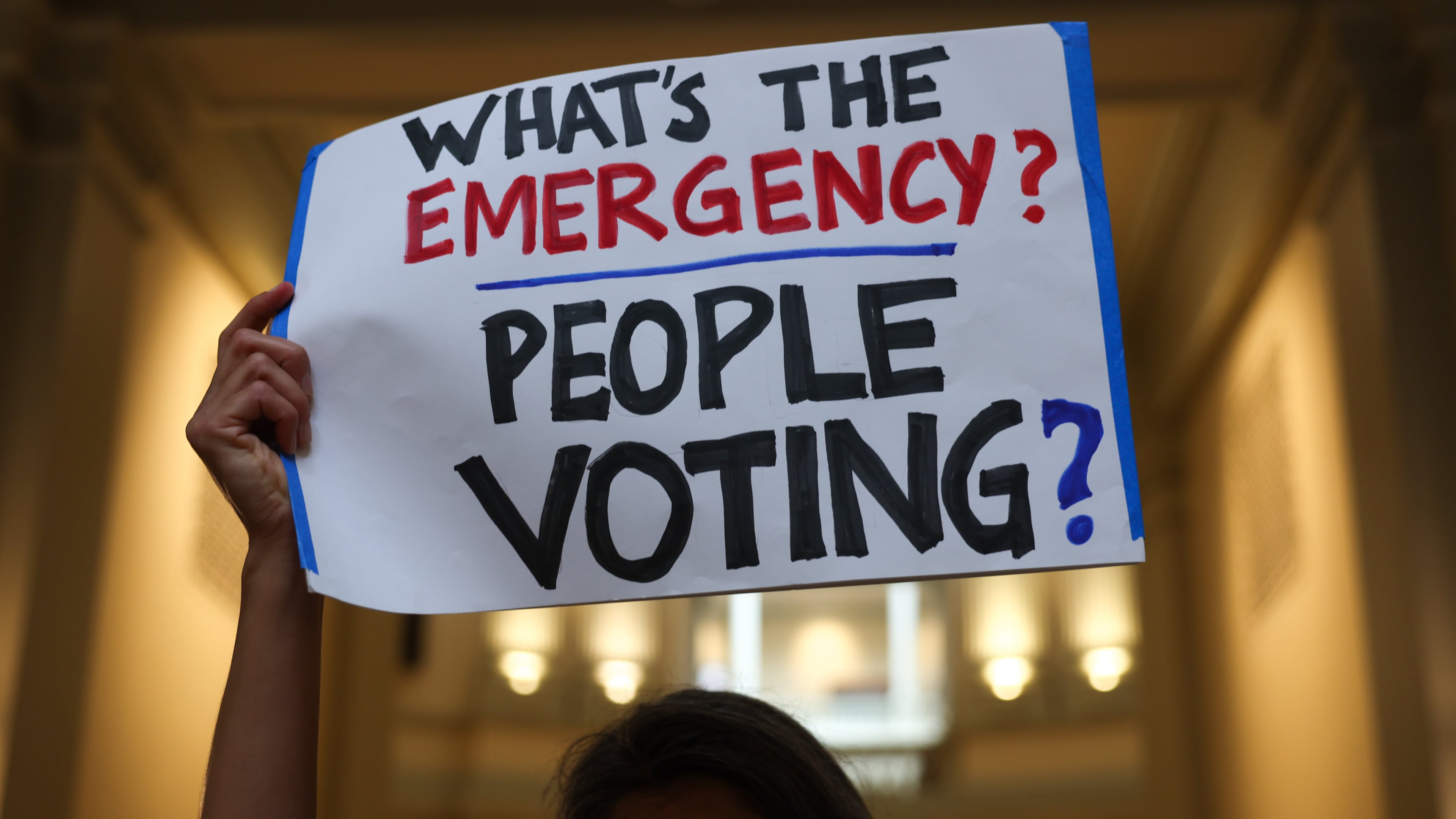
Since Trump’s defeat, a fervent crowd of activists distrustful of the QR codes and of Georgia’s touchscreen voting has been demanding the state switch to paper ballots.
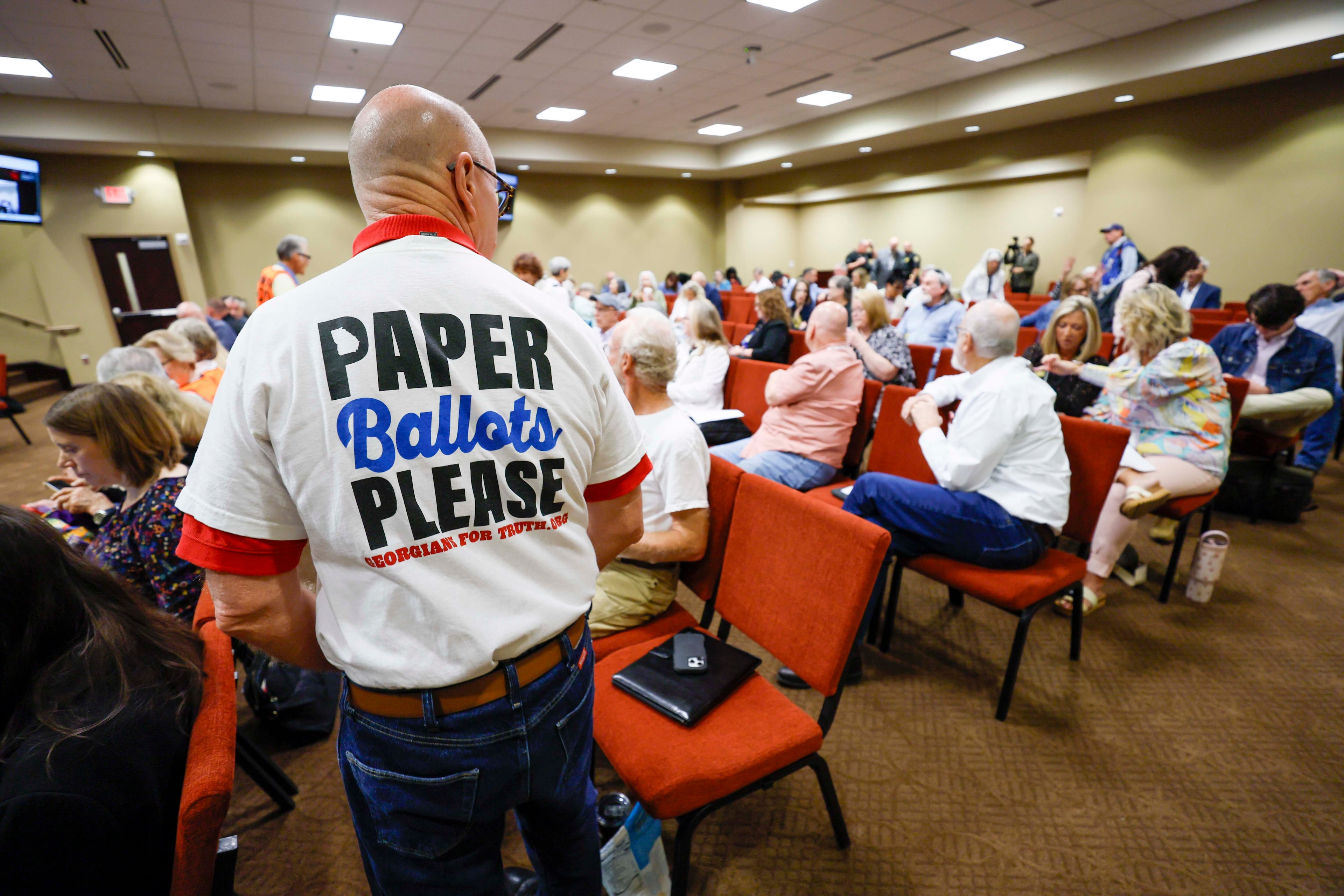
Additionally, election security advocates criticize the state’s touchscreen voting system for its vulnerabilities. They fear the system could be tampered with or hacked, which could alter results. Georgia has never upgraded the system to patch known security flaws.
Election officials have defended the system, saying such vulnerabilities couldn’t be exploited during an election.
Lawmakers will be on a tight timetable. They must fix the mess in time for the July special election to fill a vacancy in Congress created by U.S. Rep. David Scott’s death. And any changes approved by the Legislature would give the six counties in Georgia’s 13th Congressional District little implementation time before early voting begins.