This Thanksgiving, explore the joy and meaning in family heirlooms
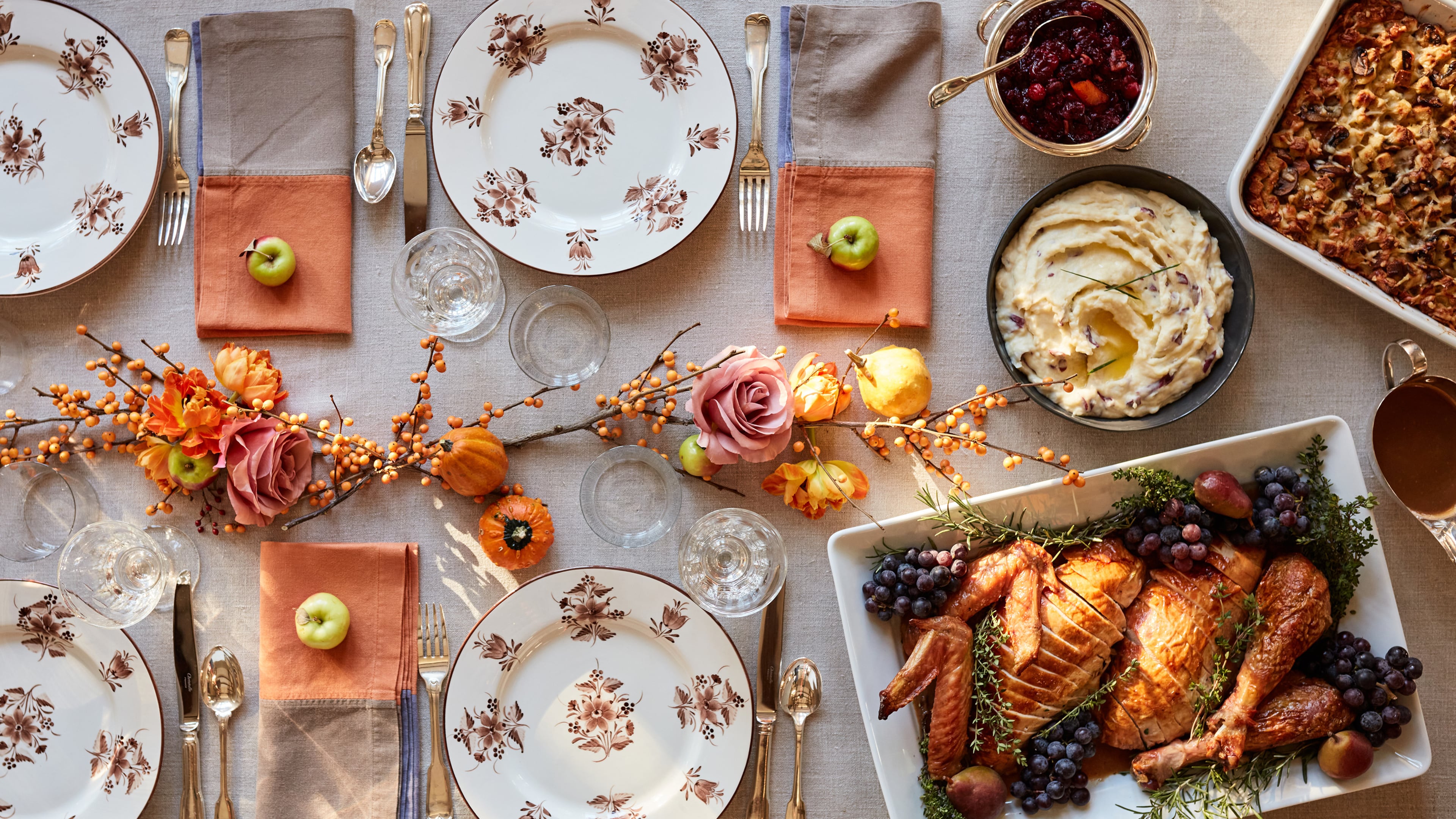

My sister discovered a felt-lined leatherette chest this summer while packing up her home for a move. The sentimentalist in me couldn’t resist claiming it once we realized it had belonged to my Great Aunt Mae.
On the drive home, I thought about the silverware inside the chest, grayed with tarnish and layered with decades of family history that had been packed away and forgotten in the back of a cabinet.
Though we were separated by generations, Aunt Mae’s signature style and grace are the parts of her that I have clung to since her death in 1990. I feel her spirit when I hear the clink of her charm bracelet on my wrist or when I glance at the image of her on my gallery wall, posing in her 1930s finery at Chicago’s renown Electric Studios.
In the days before Thanksgiving, I pulled the battered box from my own cabinet resolving to shine the silverware and use it during dinner this year.
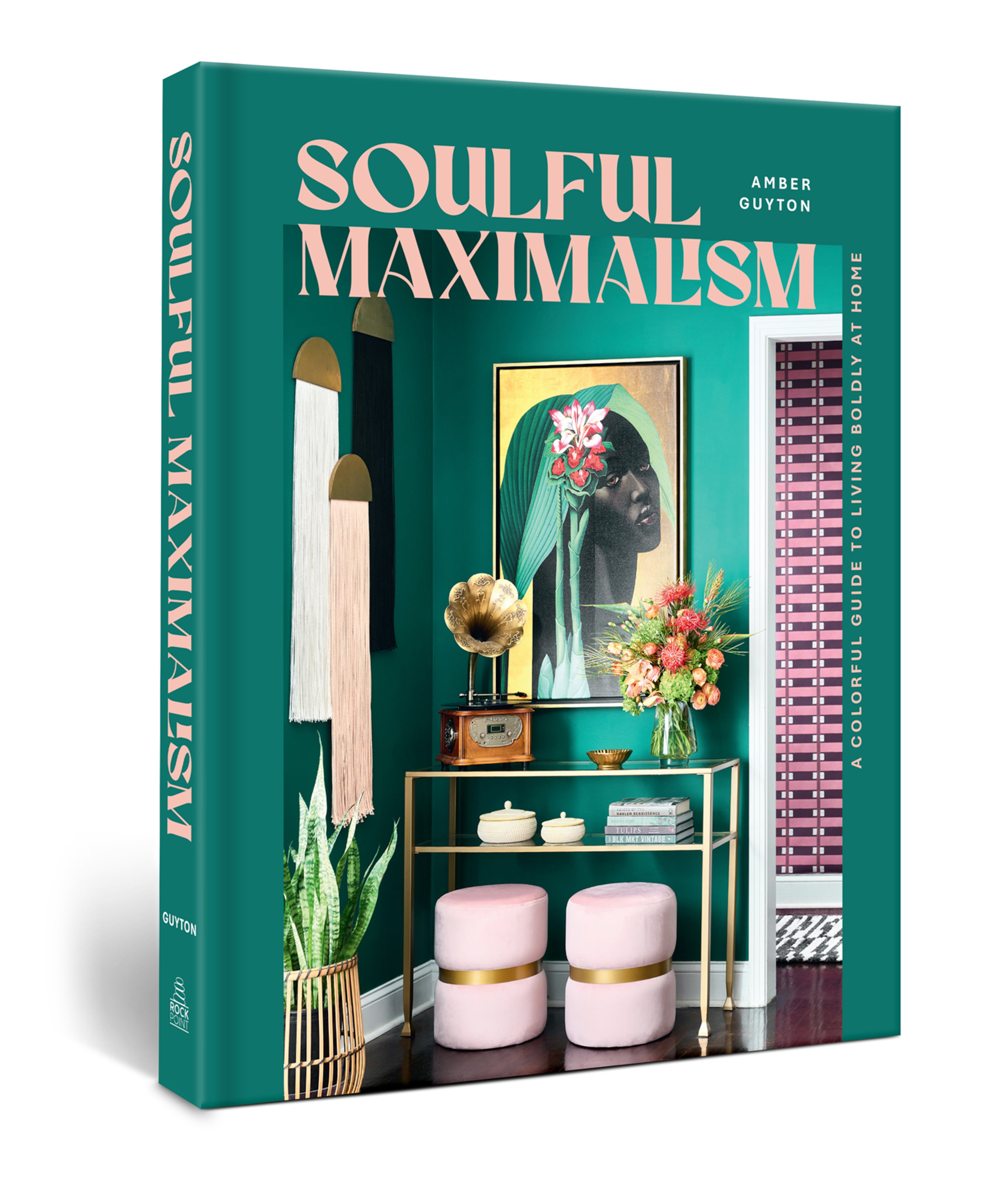
A few weeks before the holiday, Amber Guyton’s “Soulful Maximalism: A Colorful Guide to Living Boldly At Home,” arrived on my doorstep, giving me the push I needed to move away from practiced minimalism to a style more reminiscent of my great aunt: full, vibrant and unapologetic.
Deciding to use her 60-year-old silverware, while a small gesture, felt like a solid first step in embarking on a new journey into maximalism.
Guyton, an Atlanta-based interior designer agreed that the holidays are a great time to explore that shift.
“Soulful Maximalism is an interior design style I coined rooted in joy, culture, layers, and intention, creating spaces that celebrate who you are and what you love,” Guyton said. “What better time to embrace those principles than during a season centered around gratitude, gathering with loved ones, and honoring family traditions?”

The silverware now in my possession, was introduced in 1965 by Oneida LTD, a company with roots in a 19th century utopian religious society in New York. Not only do the utensils hold my family’s history, but they also come with an intriguing history of their own. The community founded by John Humphrey Noyes in 1848 was governed by strict community rules and rejected traditional monogamy in favor of universal love.
These stories are symbolic of the layers that Guyton encourages her clients to explore in the form of color, texture and pattern in their homes. Under the principals of Soulful Maximalism, our homes should be a canvas of our heritage, the stories that make us who we are.
My parents met on Thanksgiving Day in the 1960s at Aunt Mae’s dining table. My mom, newly arrived in Chicago from Louisiana, tagged along with her friend who was the intended match for my dad. The evening obviously took a different turn.
Years later as a young child, I would sit at the same table impatiently waiting for everyone to finish devouring the Thanksgiving feast so that I could enjoy my favorite dessert — peach cobbler with the flakiest crust and thick syrupy filling topped with a dollop of vanilla ice cream. As much as I remember the cobbler, I also remember how it was served, on gold-rimmed china bordered by pink roses and with a silver spoon that had a trio of roses on the stem.
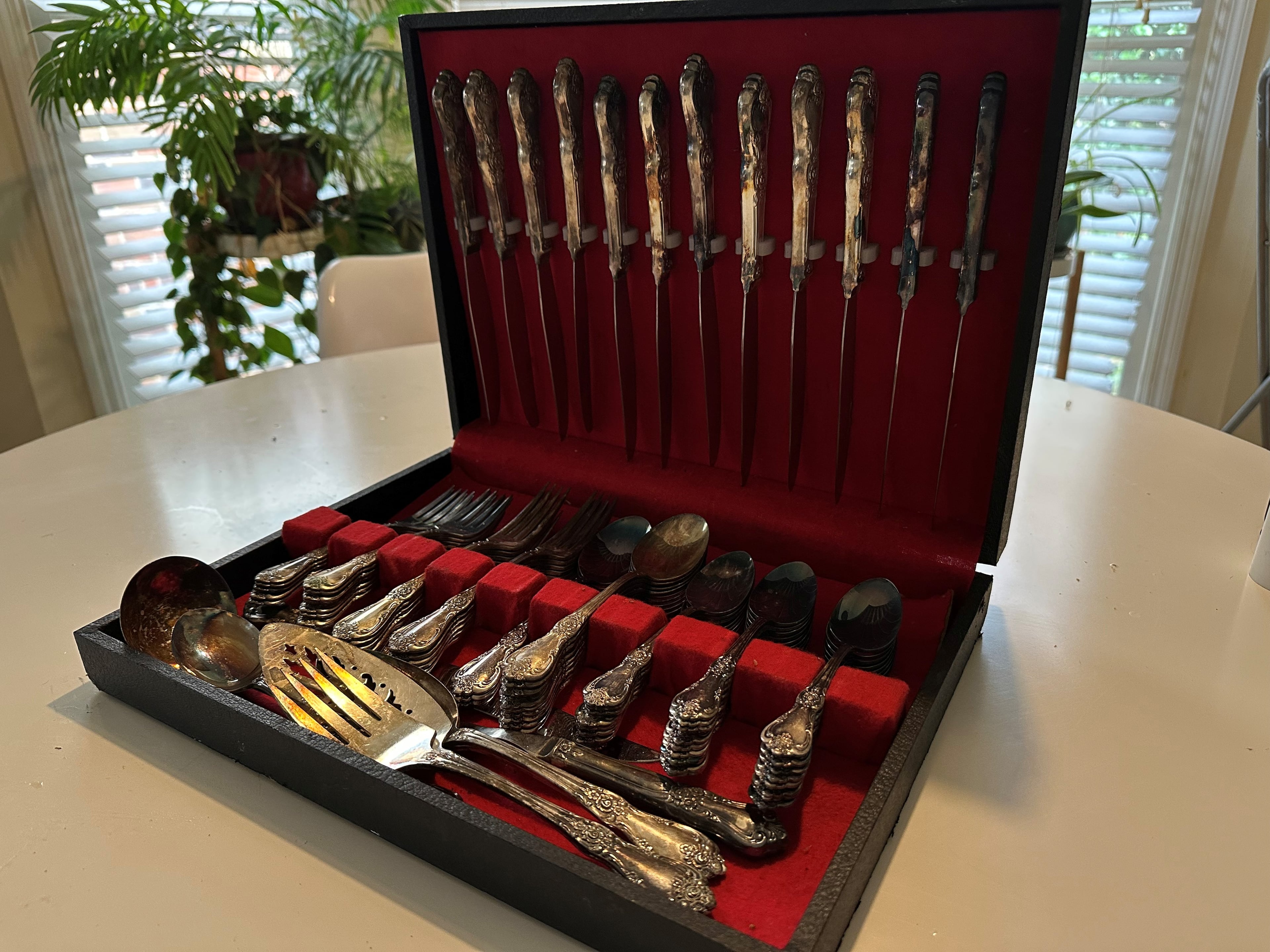
Oneida’s Vanessa Francesca design was introduced in 1965, and I can imagine Aunt Mae, then in her middle years, took great pride in buying new silverware. Oneida had begun manufacturing silverware in the 1880s, introducing modern designs and an advanced process of silver plating as an alternative to expensive sterling silver with fussy Victorian patterns. The innovation allowed middle class Americans the opportunity to set a proper table.
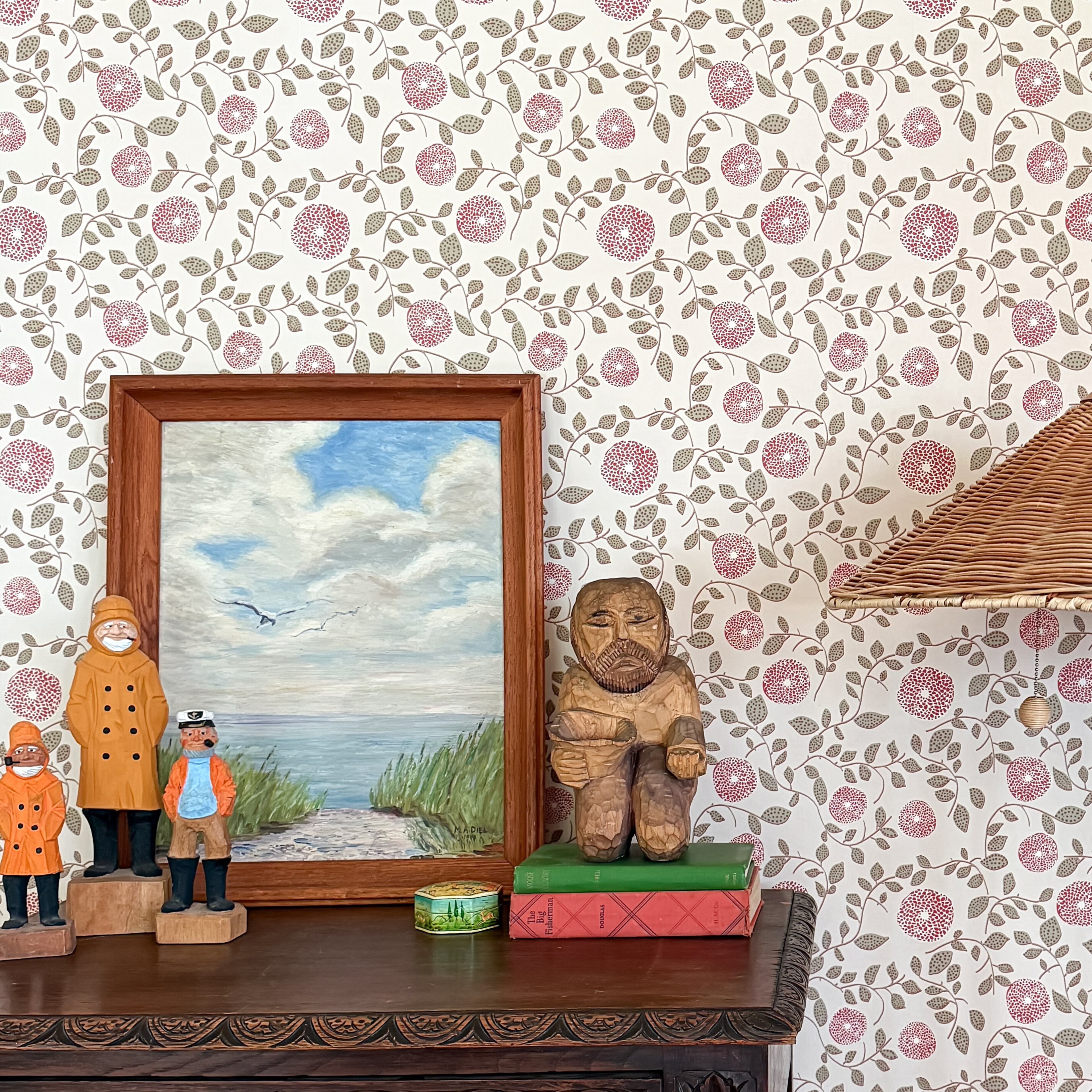
Guyton notes that every piece in our homes should have a purpose and she offers a pathway to design with color, character and culture. It’s not enough for Guyton that we see something beautiful in our homes, she wants us to feel something beautiful as well.
Soulful Maximalism isn’t about clutter or adding things just for the sake of having more. It is about making sure everything in your home does important work, whether it has a regular use, connects to a memory or just brings you joy.
Guyton, for example, shed the concept of a formal dining room. In her past homes, the dining room sat empty 90% of the time. In her current home, the space is more communal and cohesive.
“I selected a round dining table and an arched china cabinet that provided the perfect balance of functional seating and storage and timeless, traditional style that unites the past and present in my home,” she said. “I don’t believe we should reserve the beautiful things in our homes for special occasions. We deserve to enjoy them every day.”
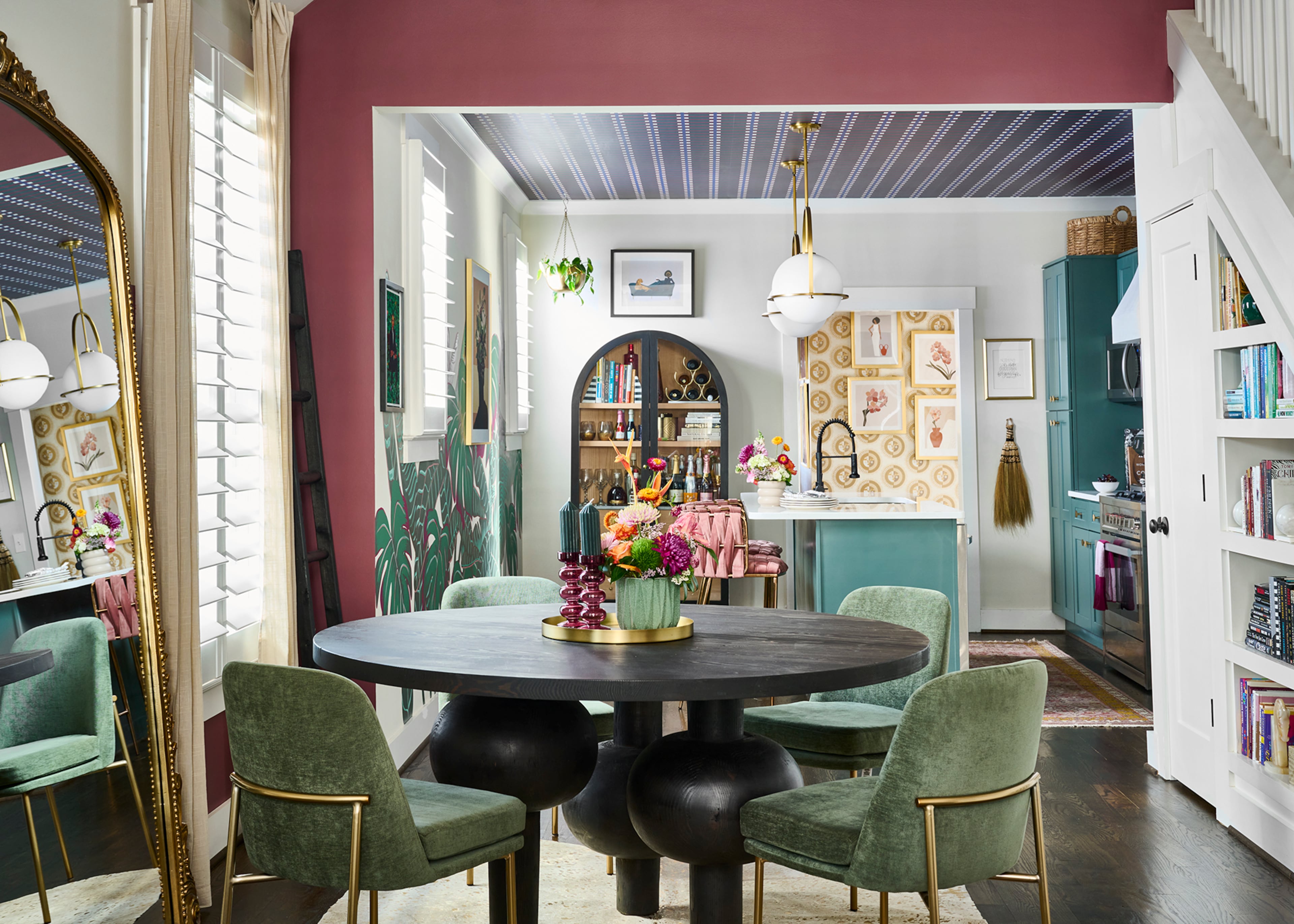
Many of us are guilty of waiting for the right moment and when we do use or display something special, we do it for others instead of ourselves. But objects with deep meaningful history can live only when they are seen and used.
Maybe you don’t have a family heirloom, or you worry that holding on to things will simply lead to clutter. Even inherited items must face scrutiny, Guyton said.
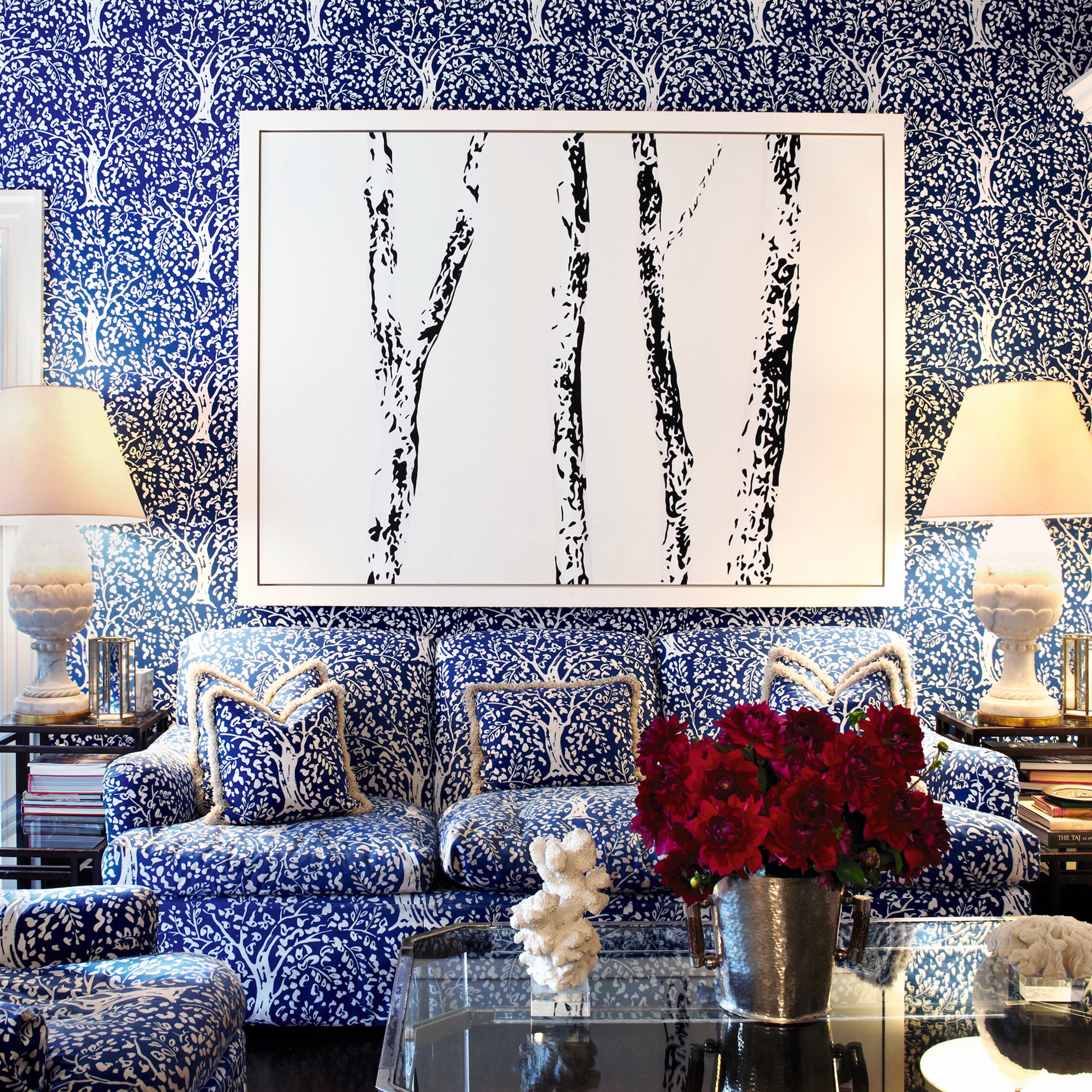
“Ask yourself a few questions: Does this piece bring you joy? What feelings come up when you think of keeping it or removing it? If kept, how can it be relocated or updated (with new paint, hardware, or upholstery) to make it feel like it belongs? And if removed, how will that affect you and your home? Can it serve someone else in theirs?” Guyton said.
Thanksgiving is a holiday ripe for exploring abundance and I want to consider all the ways in which I can make my home feel more in alignment with myself and my history.
This year, when I set the table with my great aunt’s silverware, it will serve as a reminder to bring that same spirit of joy, history, intention and function to the rest of my home, long after the holiday season has ended.
Read more on the Real Life blog (www.ajc.com/opinion/real-life-blog/) and find Nedra on Facebook (www.facebook.com/AJCRealLifeColumn) and X (@nrhoneajc) or email her at nedra.rhone@ajc.com.