Marshals Service should respect the rights of people awaiting federal trial
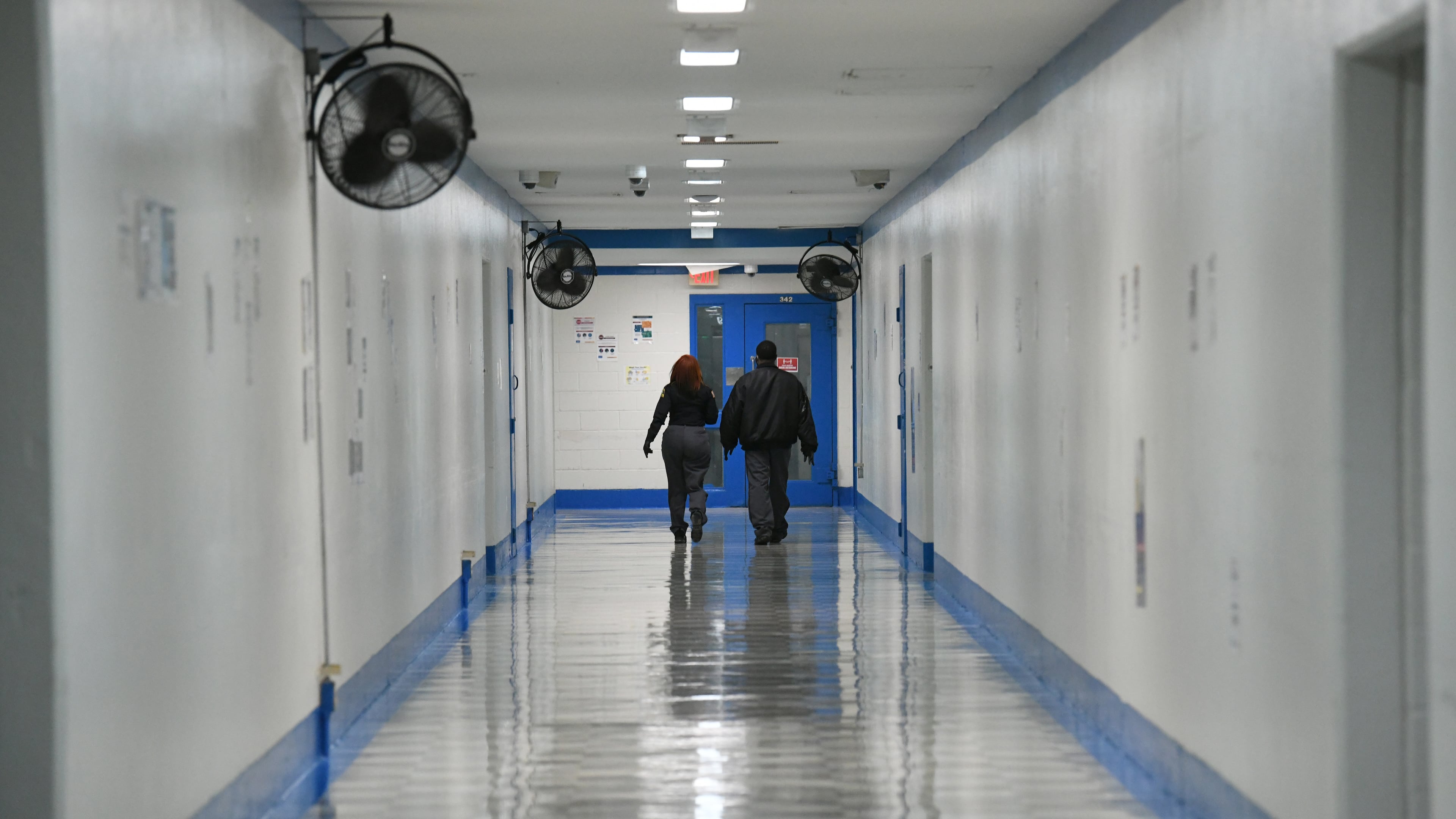
Our community urgently needs a local detention solution that keeps people awaiting trial on federal criminal charges close to the courthouse, their families, and their lawyers.
A few weeks ago, the national leadership of the U.S. Marshals Service canceled its contract with the Robert A. Deyton Detention Facility in Lovejoy, about 25 miles from Atlanta’s federal courthouse. The Lovejoy contract was not scheduled to expire until February 2028, yet it was suddenly terminated with no local detention solution in place. That decision forces our local marshals to move approximately 400 people to the Irwin County Detention Center, nearly 200 miles away.
As executive director of the Federal Defender Program, it is my responsibility to protect the constitutional rights of the people whose causes are entrusted to us. But whether you care deeply about such matters or not, everyone should care that a decision made outside our community will affect the rights of fellow Georgians while imposing significant costs on taxpayers.
We are told that compliance issues at Lovejoy prompted the cancellation. But Irwin has serious issues of its own. A wrongful-death lawsuit alleges that a 29-year-old pretrial detainee, ultimately proven innocent of the charges against him, died at Irwin after staff failed to provide adequate mental-health care and monitor him for hours.
Even if Irwin were the finest detention facility in the country, it would still be too far away to work for the Northern District of Georgia.
Distance will separate and create hardships for families
People awaiting trial are presumed innocent. Whether released on bond or detained, they have the same Sixth Amendment right to counsel. Federal law also requires that people detained pending trial have a “reasonable opportunity for private consultation with counsel.” Holding people nearly 200 miles from their lawyers makes that extraordinarily difficult.
Videoconferencing is useful, but it cannot replace sitting across the table from a client — reviewing evidence, reading body language, recognizing when a client may not understand, and building trust. People facing federal charges make life-changing decisions about whether to plead guilty, go to trial, cooperate with the government and how to present their defense. Meaningful access to counsel requires the ability to meet face-to-face.
The distance also separates people from the families who sustain them. Mothers, fathers, sisters, wives and others are calling our office, imploring us to find a way to stop the move. Many lack financial resources. How are they supposed to find the time and money to travel nearly 200 miles each way to visit someone they love?
A visit to Irwin requires about six hours of round-trip driving. Federal cases move quickly. A plea offer, new evidence or request for cooperation can require an immediate confidential meeting. Today, we can get to a detained client quickly. With clients nearly 200 miles away, we lose that ability. We will inevitably visit less frequently and see more clients on each trip. How can we absorb that travel without sacrificing time to investigate cases, prepare for court, and serve others who depend on us?

Our judges have agreed to have the Marshals transport clients to the courthouse for crucial meetings. That means clients may be awakened around 3:30 a.m., shackled in a van and driven three hours to Atlanta. That is not a sustainable solution.
The move is also fiscally irresponsible. We conservatively estimate more than $1 million in mileage reimbursements for our office alone. Each Irwin visit by a private lawyer appointed at public expense could cost taxpayers more than $1,000 above a local visit.
Atlanta can offer a local solution with its detention center
Meanwhile, the Atlanta Pretrial Detention Center sits just six blocks from the federal courthouse with hundreds of unused beds. The city is negotiating to sell the facility to Fulton County, but that does not prevent it from helping now. Even if Atlanta cannot accommodate all 400 people, it can make available whatever beds can safely be staffed. Every person who can remain in Atlanta is one fewer person sent nearly 200 miles from family, counsel, and the court.
Georgia’s U.S. senators have called on the national leadership of the Marshals Service to find a solution. We need local leaders to work with federal authorities to secure a local detention solution that protects access to counsel, keeps families connected, and safeguards the quality of justice in our community.
Atlanta is the sixth-largest metropolitan area in the country and the only one among the 10 largest without a local detention solution for people facing federal charges.
We need a local detention solution now. Our clients, their families, and our community deserve better. The Constitution requires better.
Natasha Perdew Silas, a native of Atlanta, is the executive director of the Federal Defender Program, Inc., a nonprofit that provides representation to indigent persons accused of federal criminal offenses in the Northern District of Georgia.
Send letters to the editor of 250 words or fewer with your name, city or town and contact information to letters@ajc.com.