Why proposed Atlanta City Detention Center sale to Fulton County is misguided
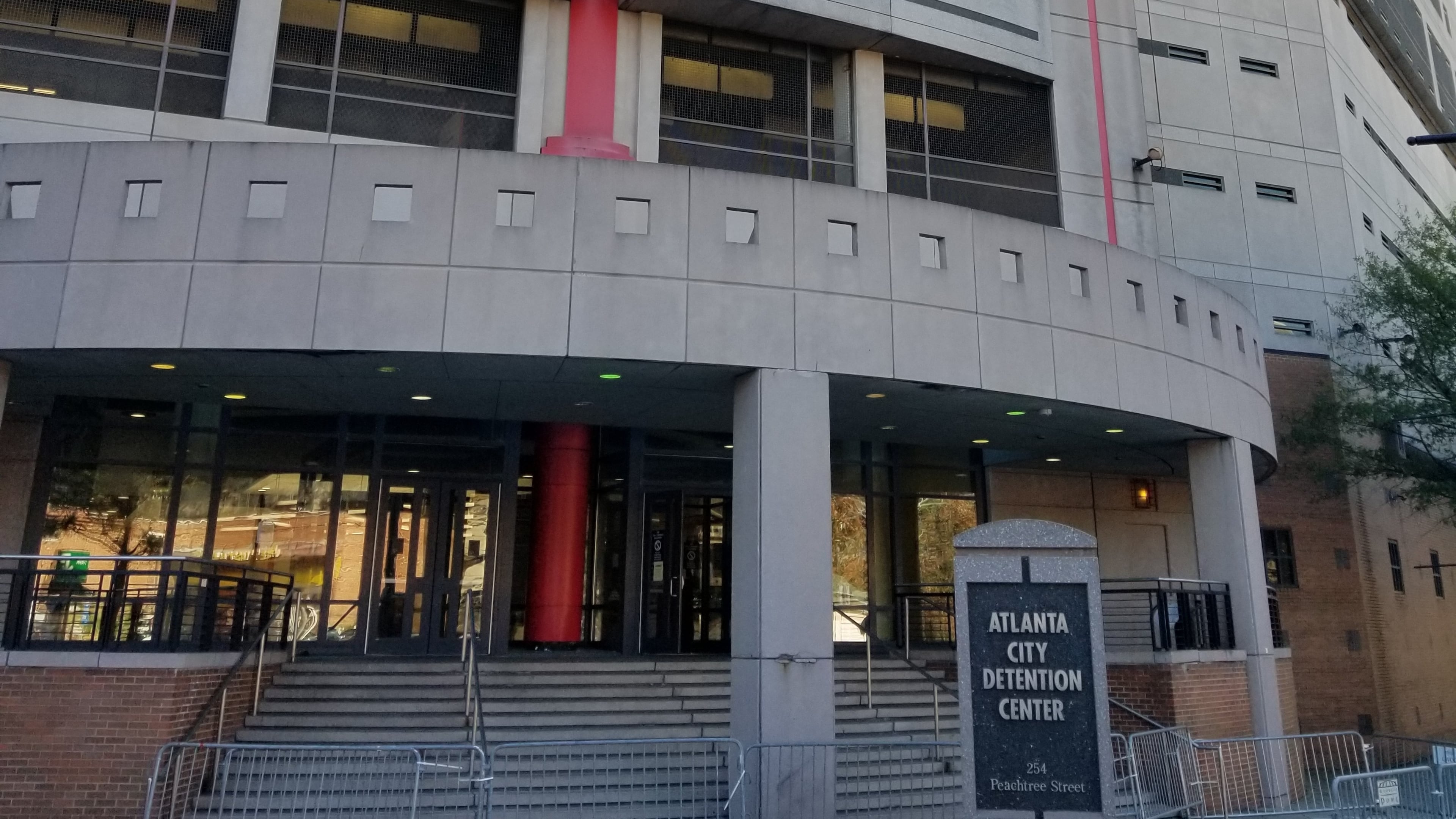
Atlanta Mayor Andre Dickens’ proposal to sell the Atlanta City Detention Center to Fulton County has run into some roadblocks, with numerous council members questioning the efficacy of the transaction.
They are right to have concerns regarding the permanent transfer of hundreds of jail beds to a county that already incarcerates far more people than similar-sized counties, and whose sheriff’s office was found by a 2024 U.S. Department of Justice report to have committed numerous constitutional violations.
They are wrong to present the options as binary between a sale or a reworked lease, ignoring the fact that the detention center was slated for closure just a few years ago.
Here’s what was supposed to happen

In 2019, then-Mayor Keisha Lance Bottoms signed legislation authorizing the closure of the detention center, often known as ACDC. Advocates and policymakers came together to “Reimagine ACDC” by turning it into a community center.
As a council member, Dickens supported this approach. However, as mayor in 2022 he leased the jail to Fulton and now is using the jail as leverage in negotiations for his controversial Tax Allocation District-engineered Neighborhood Reinvestment Initiative.
If the goal of the lease was to provide more humane detention, then it has proved to be an abject failure.
Fulton’s carceral system remains in crisis, causing much preventable suffering and premature death — such as the case of Lashawn Thompson, who according to the medical examiner was “neglected to death” at the jail, according the DOJ report.
The proposed sale of ACDC, like Fulton’s plans to build a $1.2 billion jail, continues to mistakenly frame the problem as space rather than an abysmal staffing ratio and a county too invested in punishment.
Poor staffing ratio drives system dysfunction

Fulton’s jail dysfunction stems from poor staffing and worse leadership. Since 2021, Fulton County Sheriff Patrick Labat has been unable to fill staff vacancies, root out staff corruption or markedly improve the jails conditions, according to the DOJ report.
A persistently high staffing ratio, with at times one guard to 200 incarcerated people, has meant that many of the most basic jail functions are not reliably carried out, including delivery of medications and mental health checks. Staff vacancies have frequently been over 50%.
The employment question also implicates the city, as there remains no clear transition plan for existing ACDC city employees. The county has yet to clearly commit to offering employment and many may balk at being moved to Labat’s department
It has proved impossible to address the staffing ratio through hiring, despite numerous expensive consultants and the promise of wage raises and sign-on bonuses.
The DOJ has noted this itself. In the first consent decree monitor report from August 2025, the DOJ concluded, “The single biggest takeaway … was that FCSO (Fulton County Sheriff’s Office) Jail Operations is significantly understaffed, which creates serious safety risks for residents and staff and will obstruct compliance with virtually every provision of the Consent Decree.”
In August 2026, the third monitor report stated, “The staffing crisis continues to be the most urgent issue … .”
Fulton incarcerates far too many people for far too long. A reduction in the number of people in Fulton custody remains the only credible way to improve the staffing ratio.
Opportunity cost is massive
With roughly $1 billion available at both the county and city level, these local “punishment bureaucracies” consume over 40% of Atlanta’s and over 50% of Fulton’s discretionary budget. Police, courts and jails remain the primary public institutions on offer.
Selling the detention center removes an opportunity to shrink this gargantuan carceral footprint.
It continues to feed a system that seeks to eliminate consequences of concentrated disadvantage such as trauma, interpersonal violence, mental health crises and housing insecurity, rather than taking seriously the task of alleviating this despair.
The opportunity cost is massive, as institutions and infrastructure that can better enable safety and health remain starved for funds.
There are better solutions
The debate around the detention center offers a chance to revisit the dogma of more jail cells equating to more safety. We must go upstream to the root of problems, investing in prevention rather than expanding reactive, expensive, ineffective systems.
In addition to reprioritizing what, where and who we invest public dollars in, there remain a myriad common-sense reforms along the criminal legal continuum that have yet to be implemented.
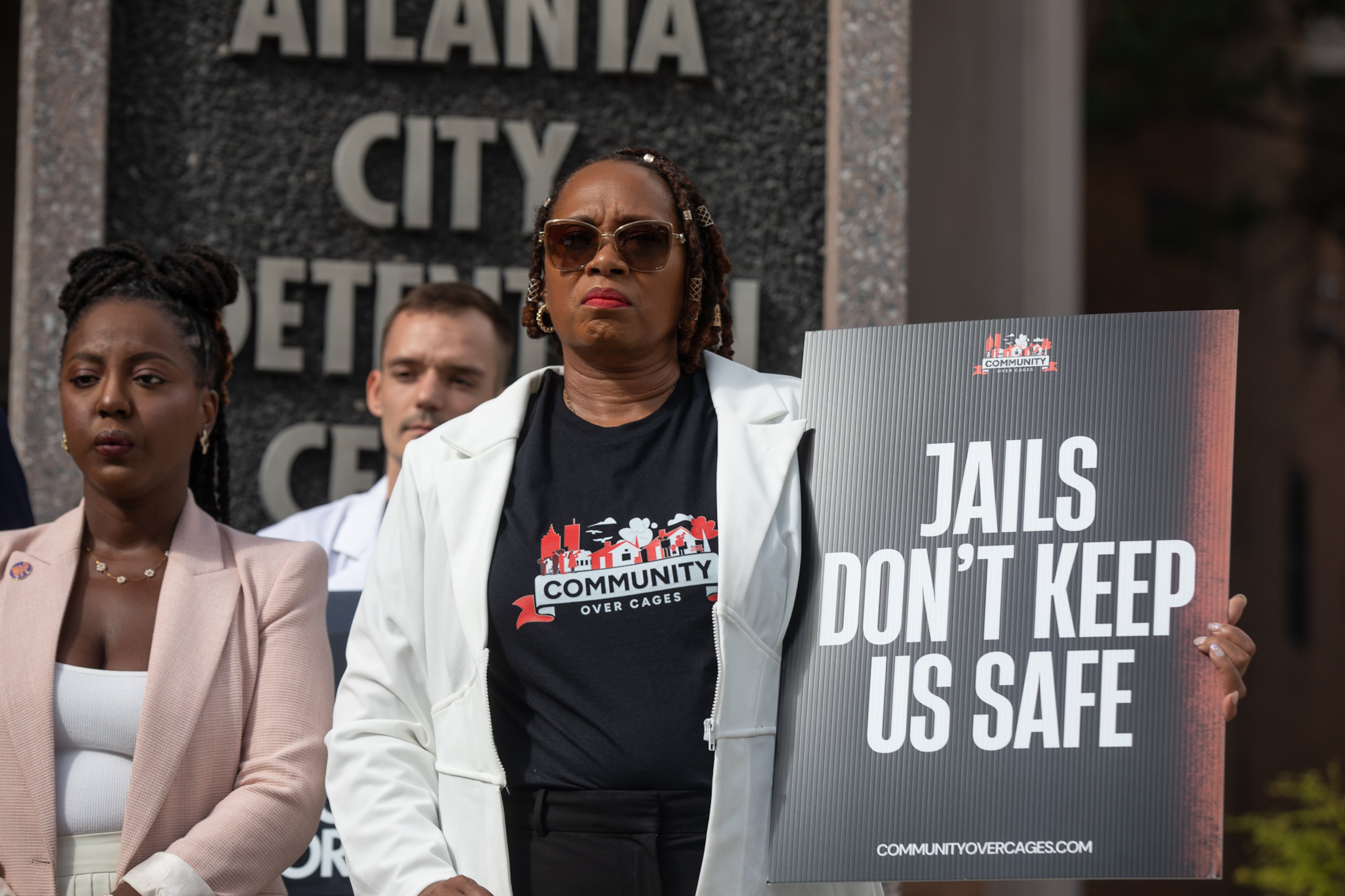
Community Over Cages’ “Path to 1,000” report holds recommendations to reduce unnecessary admissions, expand diversion eligibility and utilization, move cases more quickly, increase use of least-restrictive release options, reconsider bonds where appropriate and establish a measurable population-reduction strategy.
This is an evidence-based place to start. The city and county must acknowledge that the most effective way to improve conditions inside is to reduce the number of people in custody.
A sale of the detention center doubles down on a failed approach. It will not alleviate the suffering of those who have to spend time in jail or help prevent harm from occurring in the first place. It will, however, cement Atlanta’s complicity in Fulton’s disastrous carceral system.
Dr. Mark Spencer (mark@joinscoop.org) is an internal medicine physician in Atlanta and executive director of Stop Criminalization Of Our Patients (SCOOP). He is also a member of the Community Over Cages and Play Fair ATL coalitions.
Send letters to the editor of 250 words or fewer with your name, city or town and contact information to letters@ajc.com.