U.S. celebrated the polio vaccine. Why is MAHA willing to let virus return?

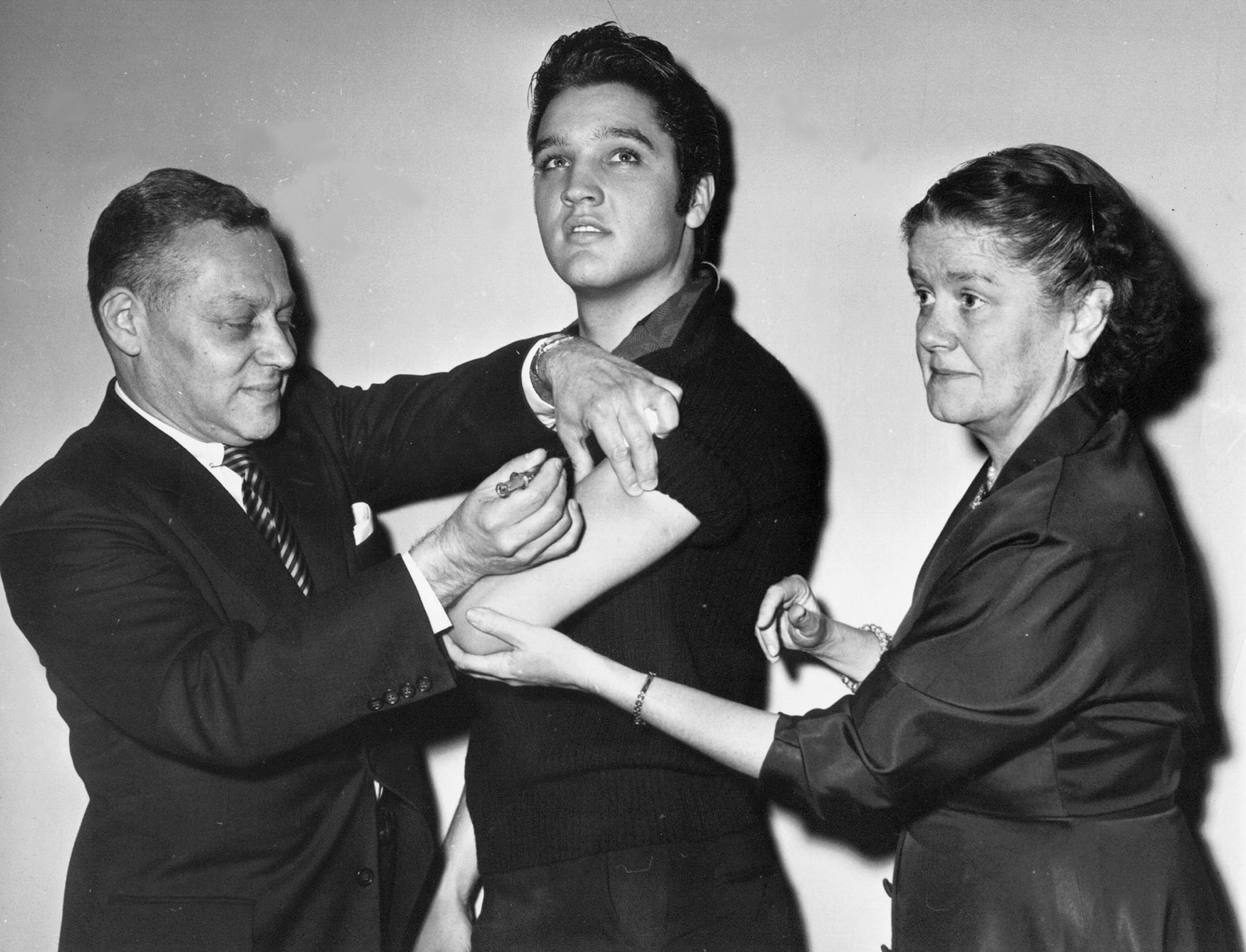
April 12, 1955, was a national holiday in the U.S. Almost all TVs and radios were tuned in to an announcement all Americans had anxiously awaited. At long last, a vaccine for polio had arrived. The nation broke into boisterous celebration.
Americans in the 1950s feared polio almost as much as the hydrogen bomb. Much more real than the bomb, thousands of children were paralyzed or killed by the poliovirus each year, and the numbers kept growing.
More and more kids ended up in crutches or coffin-like iron lung machines they would never leave alive. Panic mobilized a nationwide crusade against polio, building the March of Dimes movement that funded polio research and treatment through donations from Americans rich and poor.
It was with this funding that Dr. Jonas Salk developed the world’s first polio vaccine and the entire nation sighed with relief at the beginning of the end for polio.
America was the birthplace of polio vaccination. Starting from here, the vaccine was sent throughout the rest of the world nearly bringing polio to an end.
This makes it hugely ironic that America is now the very place where the polio vaccine is coming under attack.
Sanitation has improved, but that alone does not eliminate polio
Unthinkable just a generation ago, U.S. health leadership under Health and Human Services Secretary Robert F. Kennedy Jr. and his Make America Healthy Again agenda continue to question the need for the polio vaccine.
The most recent attack has come from Dr. Kirk Milhoan. Milhoan is a big deal in Kennedy’s MAHA army. He chairs the Advisory Committee on Immunization Practices at the Centers for Disease Control and Prevention, the group responsible for developing the U.S. vaccine schedule. Milhoan recently stated, “Our sanitation is different, our risk of disease is different, and so those all play into the evaluation of whether this is worthwhile of taking a risk for a (polio) vaccine or not.”
Milhoan is right that sanitation is different in the U.S. and even around the world. He is also right that the risk of infectious disease is different. He is totally wrong about what that means for ending polio vaccination.
Yes, sanitation is better today than ever. But there is no level of sanitation that can stop the highly infective poliovirus. The confounding thing about polio epidemics in 20th century America was that the nation had among the highest sanitation standards in the world. But the poliovirus, which travels easily through infected water supplies, will always find its way to humans. That is why the vaccine is the only real protection we have.
Yes, the risk of getting the disease is lower. But that is exactly because of the polio vaccine. The moment vaccination rates drop, the poliovirus begins to spread. While almost non-existent in the U.S., polio still infects and paralyzes children in a few developing countries. So long as it continues to be transmitted elsewhere in the world, modern air travel guarantees it can be transmitted here. We saw this in 2022.
This is not COVID-19. We need to keep our guard up.
In 2022, a young unvaccinated man was paralyzed with polio in Rockland County, New York. The county historically has struggled with low vaccination rates, especially among its tight-knit Orthodox Jewish community. Despite modern sanitation, low vaccination rates permitted the poliovirus to spread. Because of it, a young man can no longer walk.
The reason why Milhoan’s statements seem plausible is because of the success of the very vaccine he attacks. Polio vaccination has made polio invisible in the United States, and so the vaccine looks more risky than the virus.
Milhoan has said his focus working at the CDC is “not public health, but individual autonomy.” His philosophy comes out of the COVID-era, where vaccines for some became a symbol for tyranny. In the 1950s, the punishing effects of viruses were clear — watching children hobble around American towns in crutches, never to play again. Vaccines then were a symbol of freedom.
Polio vaccination has nearly obliterated the disease. Science tells us its recurrence depends on keeping up our guard. Keeping it at bay also requires sound moral sense — not risking a new pandemic in the name of a crude and empty notion of freedom. Freedom is hard to enjoy from the grave or the bed in a long-term care facility.
Nathaniel Mamo, MA (@mamo_nate) is in the Medical Ethics section at the NYU Grossman School of Medicine.
Arthur Caplan, Ph.D. (@ArthurCaplan) is the Drs. William F. and Virginia Connolly Mitty Professor of Medical Ethics at the NYU Grossman School of Medicine.


