Iran’s political prisoners are running out of time. Why it matters in Atlanta.

I live in Atlanta, a city inseparable from the legacy of Martin Luther King Jr. His words are not abstract here; they shape how we understand justice, equality and moral responsibility. Atlanta teaches us that silence in the face of injustice is not neutrality — it is complicity.
That lesson matters far beyond Georgia.
Today, political prisoners in Iran are fighting for their lives. Many are not executed publicly.
Instead, they face torture, prolonged solitary confinement and the deliberate denial of medical care — a slow death carried out behind prison walls.
According to Amnesty International, Iranian authorities routinely use these methods against detainees, especially political prisoners and protesters, resulting in deaths in custody and irreversible harm.
This is not negligence. It is state policy.
State Department has documented Revolutionary Guard violence
Credible estimates suggest that as many as 50,000 people may currently be imprisoned in Iran for political reasons, many at imminent risk of death.
This danger is not hypothetical. In the summer of 1988, Iranian authorities carried out mass executions of political prisoners, with estimates placing the death toll at around 30,000 people.
According to United Nations human rights experts, these killings were systemic, extrajudicial and followed by the concealment of victims in mass graves.
The designation of Iran’s Islamic Revolutionary Guard Corps as a terrorist organization was necessary and long overdue. The U.S. State Department has documented the IRGC’s central role in violent crackdowns, executions and systematic repression of civilians.
The IRGC is not merely a military force. It is the regime’s primary instrument of domestic terror, responsible for crushing protests, silencing dissent and turning prisons into tools of fear. As long as this structure remains intact, prisoners’ lives remain expendable.
Living in Atlanta — one of the most diverse cities in the country — sharpens our understanding of racism and inequality. Racism is not always loud. Sometimes it appears as silence, when the suffering of certain people is treated as distant or less urgent.
King warned that “injustice anywhere is a threat to justice everywhere.” When Iranian political prisoners die and the international response is limited to statements of concern, that warning is put to the test.
Yet one fact must be clear: The people of Iran are not silent, and they are not without an alternative.
Resistance to Iran’s regime rejects dictatorship in all forms
Inside Iran today, a real and organized resistance exists. Resistance Units operate under constant risk, challenging repression across the country. These are not symbolic gestures from abroad. They are Iranians inside Iran, paying a heavy price for demanding freedom.
The character of this resistance is reflected in figures like Naeem Abdollahi, a young scholar who became a commander of Resistance Units in Tehran. In his early 30s, Abdollahi was dismissed from his university post after organizing students during the 2022 protests. On Jan. 8, while leading a Resistance Unit in Tehran’s Naziabad district, he was shot and killed by the IRGC — an example of how the regime responds to organized dissent.
Politically, this resistance is represented by the National Council of Resistance of Iran, a coalition that has articulated a clear vision for Iran’s future: a democratic republic, separation of religion and state, gender equality, abolition of the death penalty and respect for fundamental human rights.
Iranians have made their position unmistakable. They reject dictatorship in all its forms. They want accountable governance, free elections, equality before the law and an end to executions — demands paid for with prison sentences, broken bodies and lost lives.
If the international community truly believes in opposing terrorism and defending human rights, it must go beyond symbolic actions. Sanctioning the IRGC is necessary but incomplete. What is equally urgent is recognizing the legitimate resistance of the Iranian people.
Recognition matters. It shapes policy and enables accountability.
I may live in Atlanta, in relative safety, but this city’s history teaches that justice does not stop at borders. Human rights do not depend on nationality. Standing with the people of Iran and recognizing their resistance is a moral responsibility.
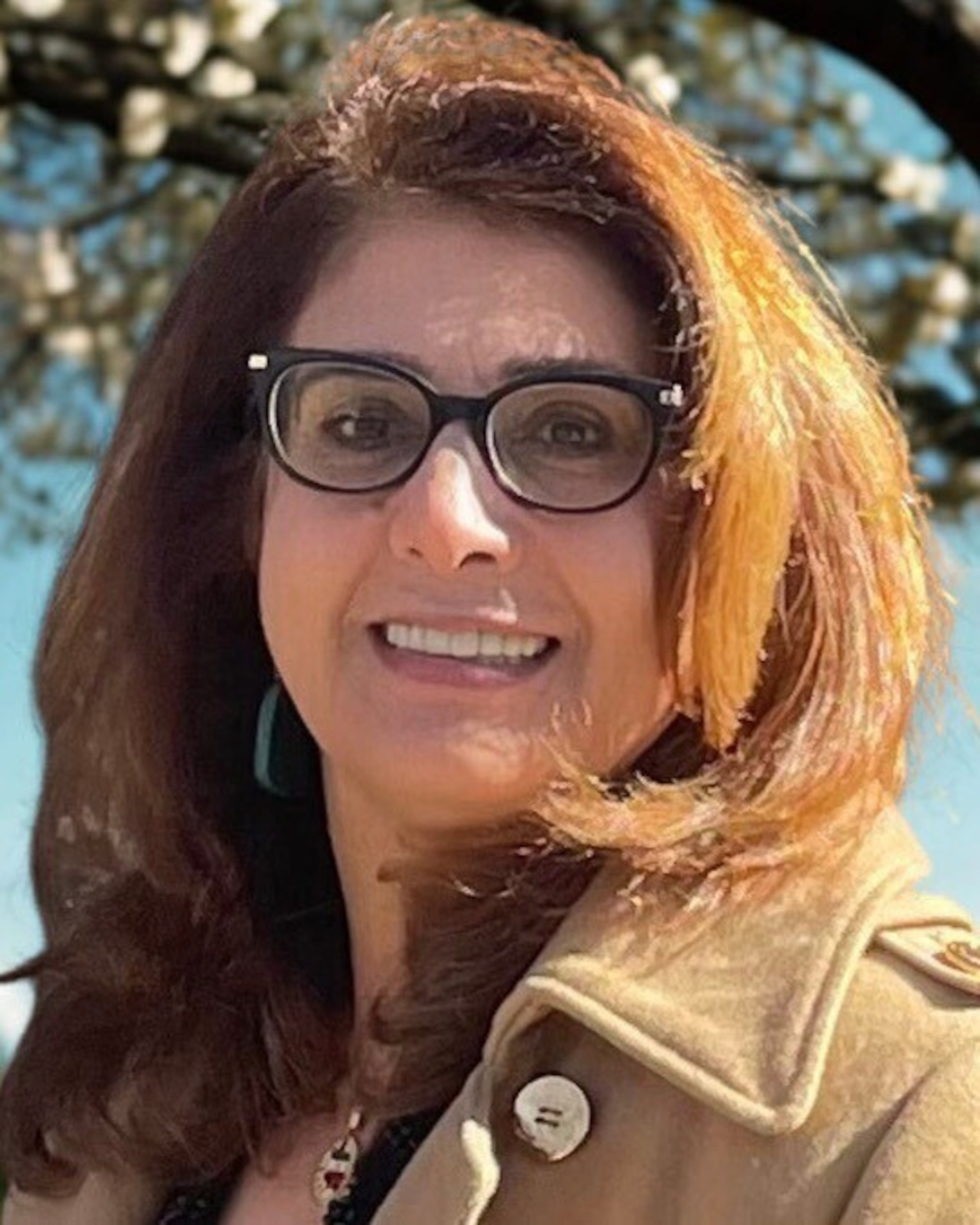
Batool Zamani is an Iranian-American human rights advocate based in Atlanta and president of the Iranian American Community of Georgia.