Can the Advent calendar craze and Christianity coexist?

Early December is peak season for Advent calendars.
When I was a kid, these were beautifully designed seasonal images on heavy cardstock with 24 numbered windows. Each window, once opened, revealed an equally impressive drawing that included snowy nature scenes, children singing hymns or families decorating for the holiday.
One of my favorites, a calendar that I saved for years and sometimes reopened, featured a snow-covered Christmas village bathed in the warm yellow glow of light from streetlamps.
This calendar was likely sourced through my church, Salem Lutheran Church, which was founded in 1868 and was the oldest Swedish Lutheran congregation serving the South Side of Chicago.
By the time I came along, Park Manor, the neighborhood surrounding the church, had shifted from Swedish to an established Black community. The face of the neighborhood may have changed, but the traditions of the church endured.
When my daughter was younger, I would find reproductions of these calendars to carry on that tradition, but this year when she requested an Advent calendar, I knew she wasn’t talking about those relics from the past.
My social media feed is flooded with influencers unboxing high-end Advent calendars from beauty, food and lifestyle brands. These boxes with 12 to 24 doors, drawers or compartments filled with mini products represent every imaginable retail offering.
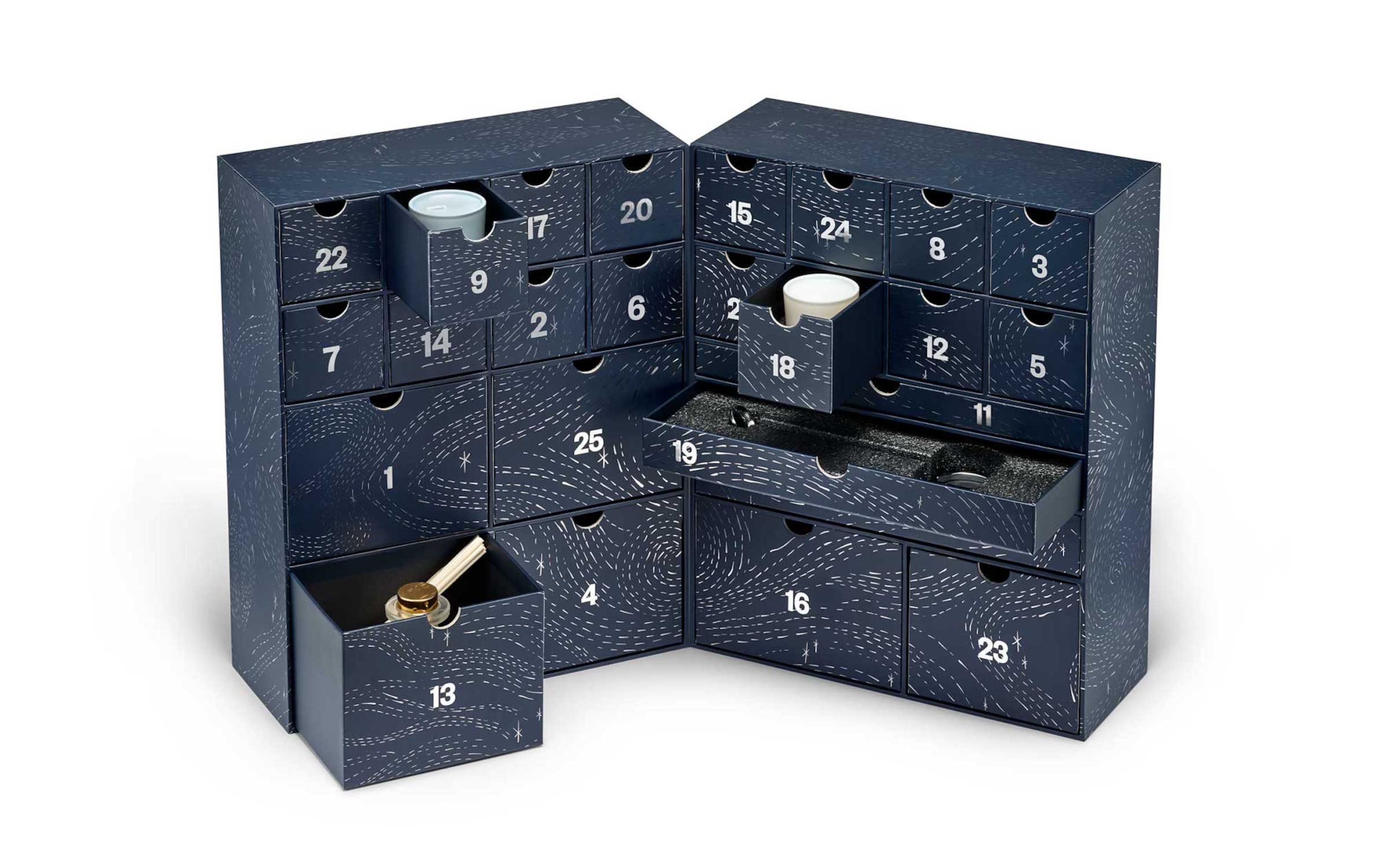
There are Advent calendars for wine, whiskey, THC, jewelry, candles, makeup, skin care, underwear, nail polish, cheese, chocolate, ice cream, tea, coffee, caviar and more. There are even Advent calendars for dogs because fur babies also need to spiritually prepare for the holidays.
Prices range from $20 at the lower end to several thousand dollars on the higher end, and consumers — especially younger adults — are all in on the trend. In 2023, 38% of Gen Z and 30% of millennials planned to use an Advent calendar, according to civicscience.com.
Modern Advent calendars may not offer the same religious reflection as the calendars of my youth, but there is no point in complaining about the commercialization of Christmas. That train is so far out of the station it feels as if it will never get back on track.
The deluge of Advent calendars in the market is designed to favor retailers by boosting seasonal sales and building brand loyalty. Brands want consumer engagement with their products, but maybe we can engage in ways that honor the religious underpinnings that made these daily giftathons part of mainstream culture.
For some people, smearing on a face mask, sipping a good whiskey or wearing a new item of jewelry might be the kind of experience they need to slow down and reflect on the meaning of the holiday.
Advent season emerged as Christianity evolved from a persecuted sect to an organized global religion during the fourth century. Derived from the Latin word “adventus,” meaning arrival or coming, Advent is noted as a period of preparation and reflection, marking the days that lead up to the first and, ultimately, the second coming of Jesus Christ.
Most sources credit the concept of counting down — as one does when using an Advent calendar — to the 19th century German Lutheran tradition.
German families would use chalk marks or light candles to mark each day before Christmas. Those rituals evolved into homemade Advent calendars and eventually into the printed calendars invented in 1900s by German publisher Gerhard Lang.
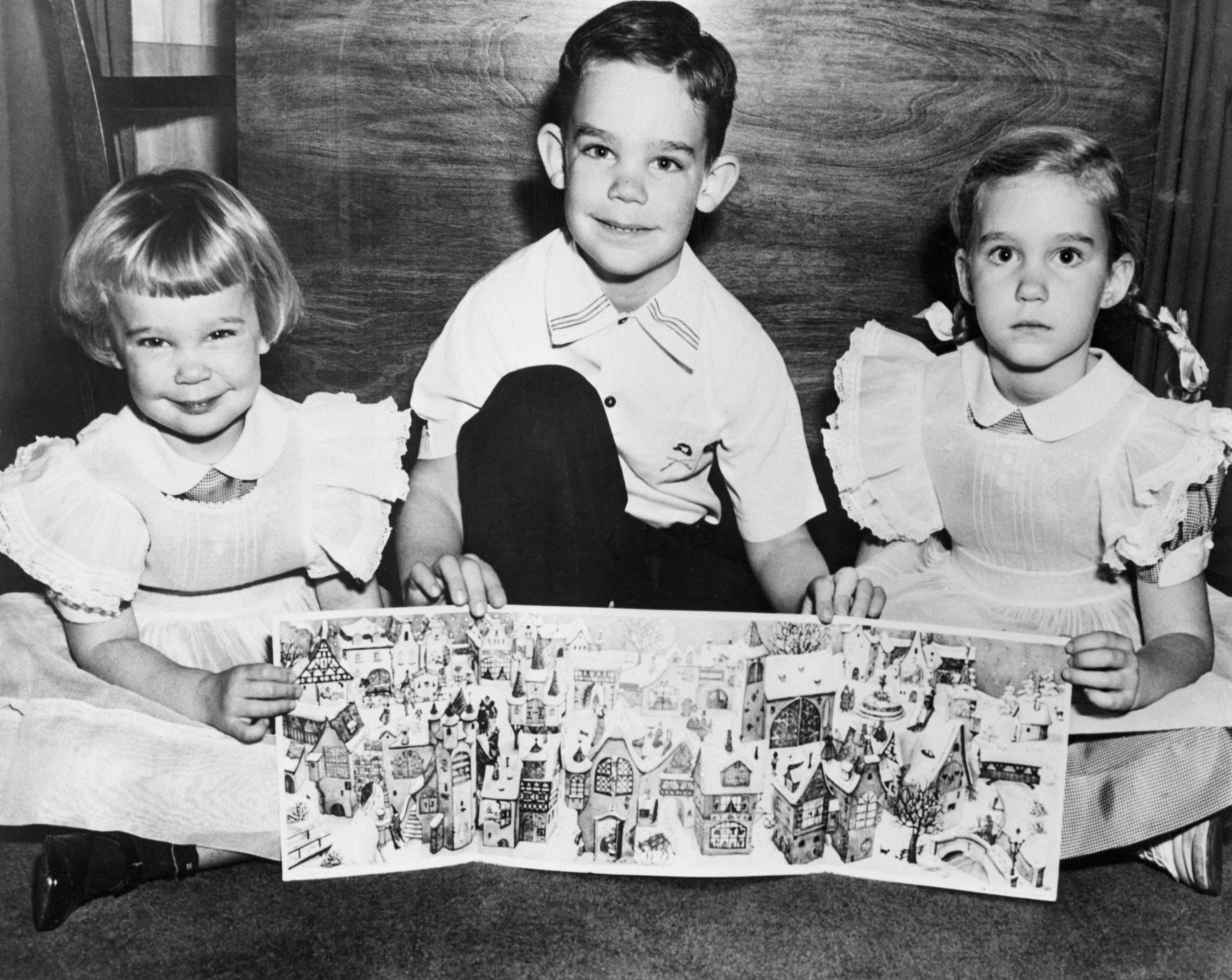
These calendars were first exported to the U.S. after World War II, but popularity really boomed in 1953 after Newsweek magazine ran a photograph of President Dwight D. Eisenhower’s grandchildren with an Advent calendar.
With increased demand came new innovations. In the early 1970s, Cadbury, the British chocolatier, began offering chocolate-filled Advent calendars for commercial sale. In the 1990s, the calendars became part of their continuous production line.
Only in the 21st century did Advent calendars gain mass appeal in the general marketplace, allowing anyone, Christian or not, to treat yo’ self or someone else by engaging in this ancient religious tradition.
I want to resist the pull toward consumerism, but the Advent calendars of my childhood are a hard sell when pitted against 24 days of K-beauty products that promise to make your skin glow or 24 mini-jars of French preserves, jellies and honey or 24 bottles of wines from the best wine-producing regions in the world.
If there is a way to blend these high-value, highly desired Advent calendars with the religious tradition that launched it all, it will be through a mix of our own making.
As we are lighting candles, slicking on lip-plumping glosses or savoring a selection of artisan cheeses, we can use those moments as a point of quiet reflection and push ourselves to remember what the season is really about.
Sign up to get my column sent straight to your inbox: ajc.com/newsletters/nedra-rhone-columnist
About the Author

Nedra Rhone is a lifestyle columnist for the Atlanta Journal-Constitution where she has been a reporter since 2006. A graduate of Columbia University School of Journalism, she enjoys writing about the people, places and events that define metro Atlanta. Sign up to have her column sent to your inbox: ajc.com/newsletters/nedra-rhone-columnist.