Emory’s effort to join Atlanta hits a snag as DeKalb seeks concessions
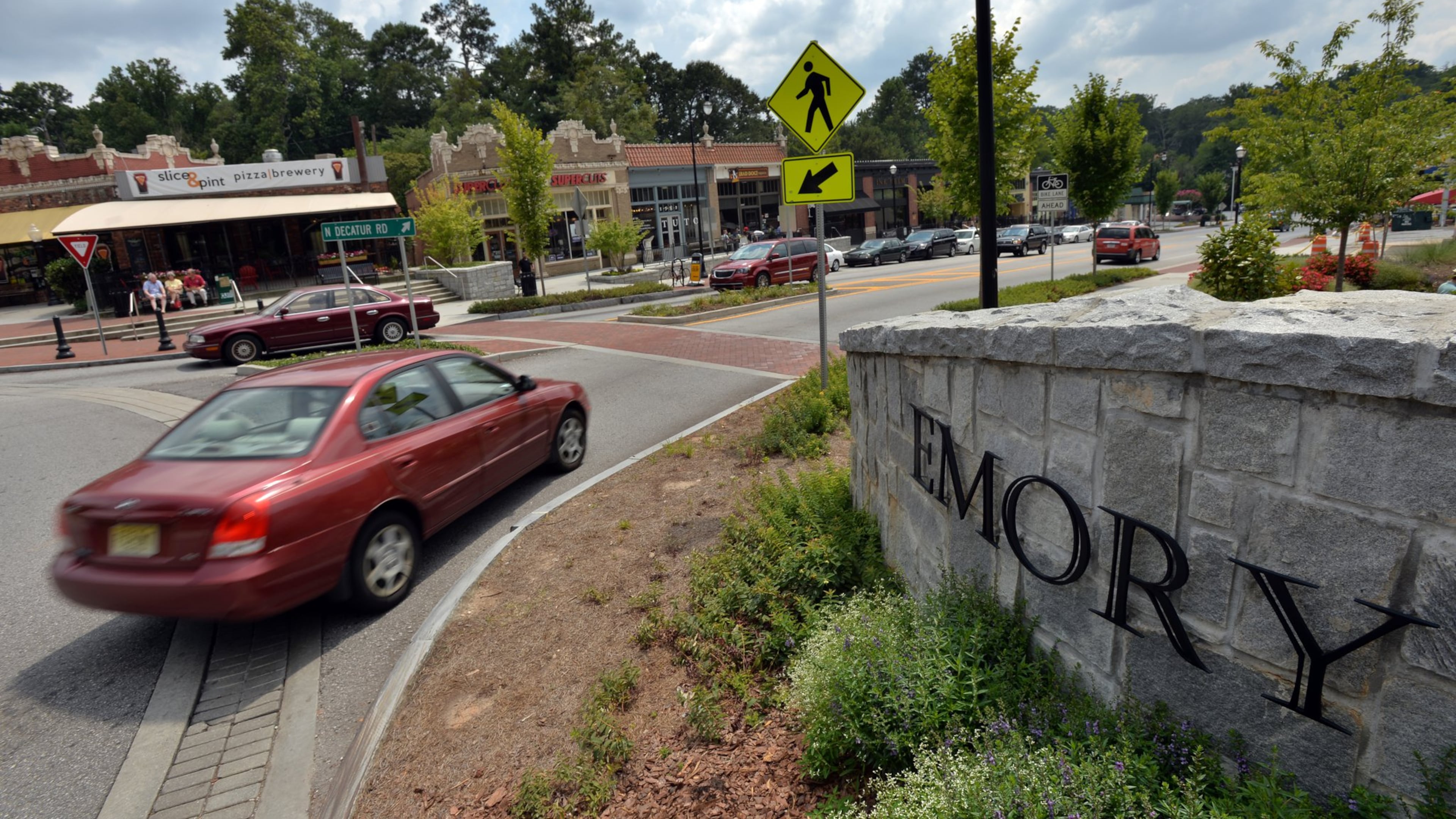
Emory University shouldn’t be allowed to become part of the city of Atlanta until concerns about traffic, development, pollution and schools are resolved, DeKalb County government officials say.
The DeKalb Board of Commissioners voted 5-0 Tuesday to object to Emory’s annexation, invoking a state law requiring arbitration to settle disputes over zoning, density and infrastructure.
The county's objections could delay the annexation, which is scheduled for a vote by the Atlanta City Council on Sept. 5. Emory, the Centers for Disease Control and Prevention, and Children's Healthcare of Atlanta petitioned to become part of the city in June.
If approved, the annexation would add 744 acres to Atlanta's borders and could lead to city tax money being used to fund a light-rail MARTA line from Lindbergh Station to the university's campus. The area would remain in DeKalb County, but many services would be taken over by the city.
DeKalb CEO Mike Thurmond said the county, city, Emory, MARTA and public school systems should negotiate before completing the annexation of the region, which is currently unincorporated.
“The objections submitted by the county should not be seen as opposition to the proposed Emory annexation,” Thurmond said in a statement. “… Our objections are designed to ensure that all the issues associated with the proposed annexation are thoroughly vetted and that citizens have the ability to be informed regarding potential impact on their neighborhoods, communities and the county as a whole.”
The city of Atlanta will address “any meaningful concerns” from the county, said Melissa Mullinax, a senior adviser to Mayor Kasim Reed.
“We are confident that the city can serve the needs of the institutions that have requested annexation, and we look forward to continuing the public discussion with members of the impacted communities and the Atlanta City Council,” Mullinax said in a statement.
The county government detailed numerous objections in an 11-page letter to Reed and the Atlanta City Council:
- The city of Atlanta's zoning restrictions are more lax than DeKalb's, potentially leading to denser development and more traffic congestion than residents in the Emory area are accustomed to.
- More construction could further strain DeKalb's spewing sewer system, possibly leading to even more sewage spills, according to the letter. Additional spills could cost DeKalb residents and the county government, which has paid $924,000 in fines for sewage spills since 2011.
- The school systems in DeKalb and the city would have to decide on the boundaries of school systems, especially if surrounding neighborhoods decide to follow Emory into the city limits. A change from DeKalb's school system to Atlanta's could lead to contentious fights among residents.
- The proposal for MARTA's expansion should be discussed with the county since it could eventually include unincorporated land if the rail line continues from Emory to Avondale Station. The county notes in its letter that the DeKalb Commission hasn't signed off on any changes to the county's agreement with MARTA.
Until Atlanta officials review the county’s objections, it’s unclear whether the annexation proposal will be changed or delayed, said Councilwoman Carla Smith, chairwoman of the city’s Zoning Committee.
“That will have to run its legal course, but I am honored that these prestigious institutions want to become part of the city,” she said.
DeKalb Commissioner Kathie Gannon said the city and university need to work with the county rather than try to complete the annexation on their own.
“We are basically saying we want this done right: openly, transparently and honestly,” said Gannon, the board’s presiding officer. “They should give consideration to all the impacts and not just let them fall where they may after it’s a done deal.”
A spokesman for Emory, Vince Dollard, said the university is aware of the county's objections and will respect the annexation process.
The letter to Atlanta, signed by County Attorney O.V. Brantley, asks for the appointment of an arbitration panel to negotiate the impacts of the annexation.
Under state law, an arbitration panel must be formed within 15 days of the county’s objections. The panel will include representatives from municipalities, counties and universities.
Five DeKalb commissioners voted for the resolution: Greg Adams, Steve Bradshaw, Gannon, Mereda Davis Johnson and Jeff Rader. Two commissioners left the meeting before the vote: Nancy Jester and Larry Johnson.
Jester said she didn’t agree with protesting the annexation. She said she recused herself from the vote because her husband, Stan Jester, is a member of the DeKalb school board.
“We really need to work on being friends. That’s where we should be, and not trying to make someone stay when they don’t want to,” Jester said. “They’re still going to be in DeKalb County, and there will be services that DeKalb County renders, so how do we make the best of that relationship?”
MYAJC.COM: REAL JOURNALISM. REAL LOCAL IMPACT.
The AJC's Mark Niesse keeps you updated on the latest happenings in DeKalb County government and politics. You'll find more on myAJC.com, including these stories:
- Sewage spills spike in DeKalb but officials say county is on track
- DeKalb official blows whistle on Chamblee Mercy Care clinic's approval
- Disputes over DeKalb water bills continue as residents await relief
Never miss a minute of what's happening in DeKalb politics. Subscribe to myAJC.com.
Read DeKalb's objections to Emory's annexation
About the Author

Mark Niesse is an enterprise reporter and covers elections and Georgia government for The Atlanta Journal-Constitution and is considered an expert on elections and voting. Before joining the AJC, he worked for The Associated Press in Atlanta, Honolulu and Montgomery, Alabama. He also reported for The Daily Report and The Santiago Times in Chile.


