Rivian delivers more EVs as it launches R2 model, but chip shortage looms
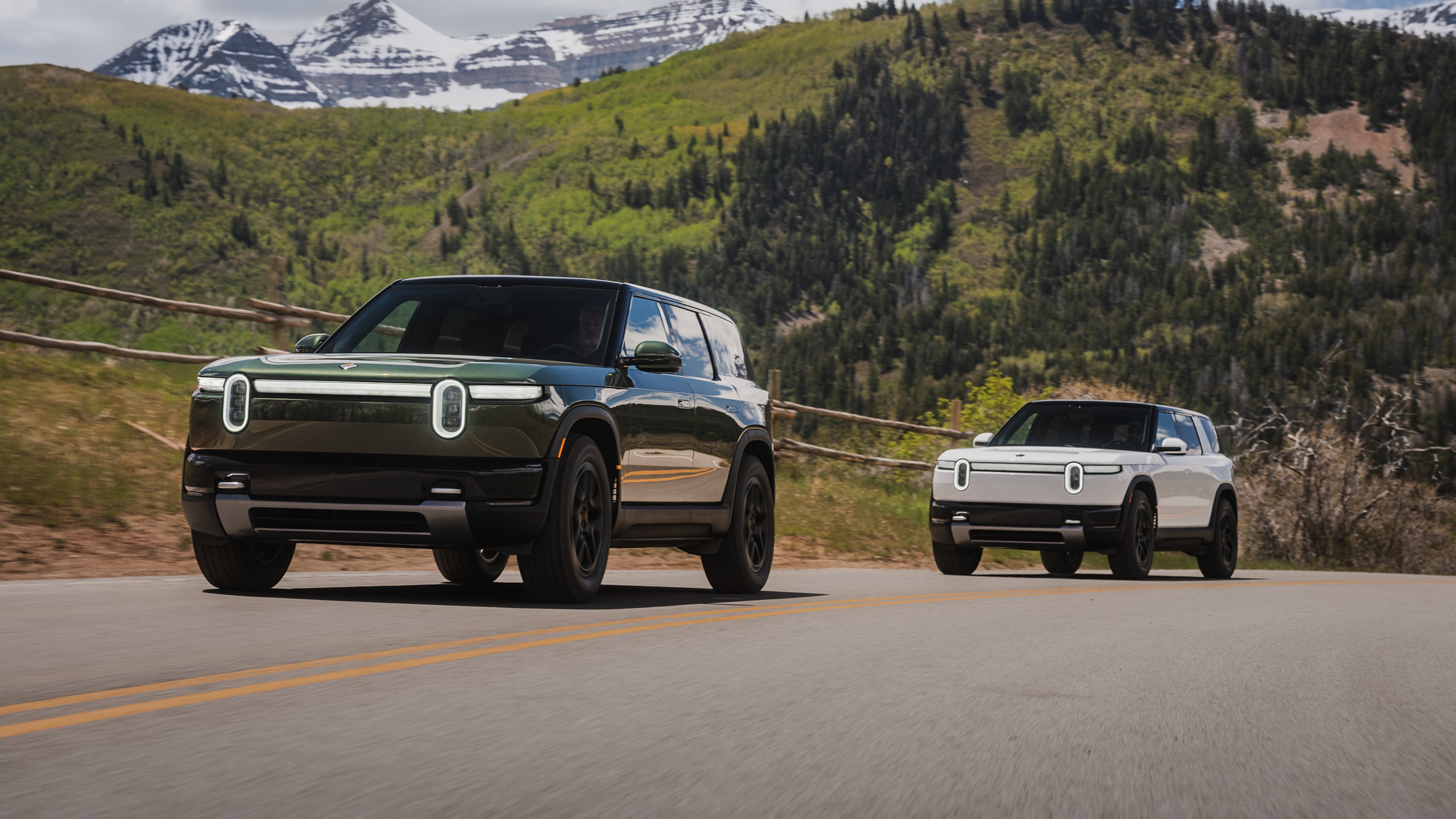

Rivian announced Thursday it has expanded its expectations for how many electric vehicles it will deliver to customers this year.
The California-based automaker, which is in the process of building an EV factory an hour east of Atlanta, increased its 2026 delivery outlook by 3,000 vehicles. The automaker said increasing its delivery guidance for the year to 65,000 to 70,000 vehicles was prompted by a busier-than-anticipated second quarter bolstered by the launch of a new midsize SUV called R2.
Initial R2s are being built at the company’s sole plant in Illinois. But Rivian plans to expand production capacity at the future Georgia plant, and success of the R2 is critical to Rivian’s future.
The R2 and planned models called R3 and R3X are expected to be built at the $5 billion factory near Social Circle. The plant is projected to have an annual capacity of 300,000 vehicles when its first phase is complete in 2028.
But Rivian CEO RJ Scaringe recently said a familiar problem for the startup is starting to reappear: supply chain issues.
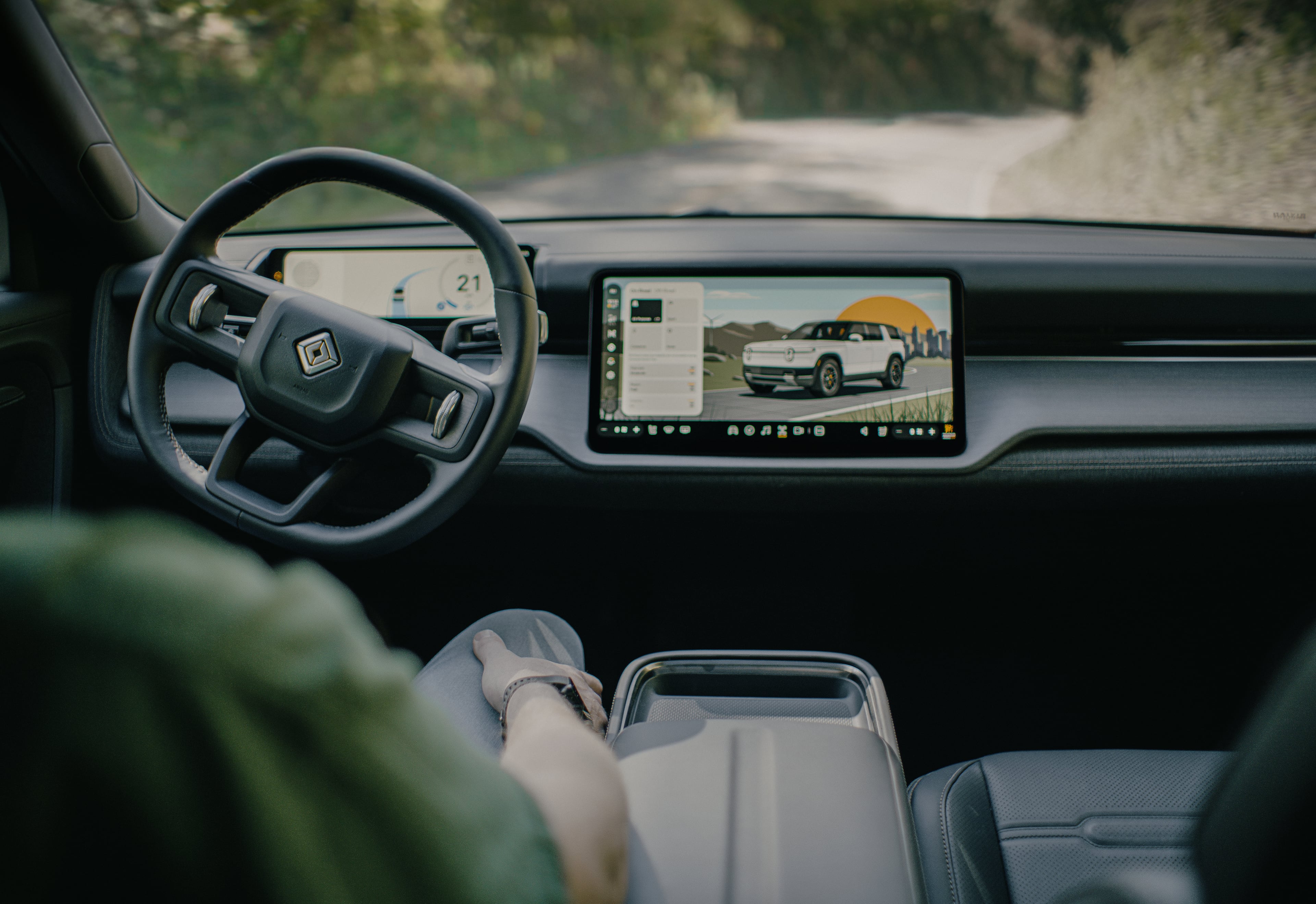
Scaringe told Axios this week that a supply squeeze for memory chips, a problem across many sectors, is something the company will have to overcome as it ramps up R2 production. When the company launched its first vehicles four years ago, an electric truck and SUV platform known as R1, it faced similar issues amid a global chip shortage spurred by the COVID-19 pandemic.
“By far my biggest worry about ramping R2 isn’t demand,” Scaringe told Axios. “It’s, you know, can we get enough parts to build cars? We’re quite nervous about global supply.”
Supply chain issues roiled R1 production, spiking manufacturing costs and stalling the company’s growth plans. Rivian has yet to turn a profit and is relying on multibillion-dollar partnerships and deep-pocketed investors while it aims to scale to profitability.
Scaringe told The Atlanta Journal-Constitution in a November interview that the company’s lack of experience was an early stumbling block.
“It was a combination of learning for the first time, launching multiple products, dealing with a global pandemic and then being last in line to get parts from suppliers,” he said, emphasizing the company is more mature and prepared to handle “unexpected externalities.”

The R2 is a central to Rivian’s growth plan. The launch model starts at $57,990, a price point lower than its flagship pickup trucks and SUVs. Two lower-priced R2 versions are coming, including a single-motor version starting at $44,990 in mid-2027.
“If R2 doesn’t go well, the whole company is not designed properly,” Scaringe told Axios. “… Make-or-break sounds negative, but it’s actually the plan.”
Rivian declined to comment further to the AJC after the publication of the Axios report.
The company selected a 2,000-acre site along I-20 in southern Morgan and Walton counties for its Georgia plant, which is slated to employ 7,500 workers by 2030.
Rivian held a groundbreaking ceremony for the factory last year after several delays, and the company said vertical construction will kick into gear this summer. The effort is supported by a multibillion-dollar federal construction loan alongside a $1.5 billion incentive package from state and local officials.

From April to June, Rivian built 12,613 vehicles at its Illinois factory and delivered 12,194 vehicles to customers. The company expected to deliver only 9,000 to 11,000 vehicles.
In addition to R2s, Rivian said it will build robotaxis at the Georgia factory as part of a partnership with Uber.
Cox Enterprises, which has media holdings including the AJC and Axios, owns about a 3% stake in Rivian.