Atlantans try ‘meatless Mondays,’ buy less produce as food prices soar
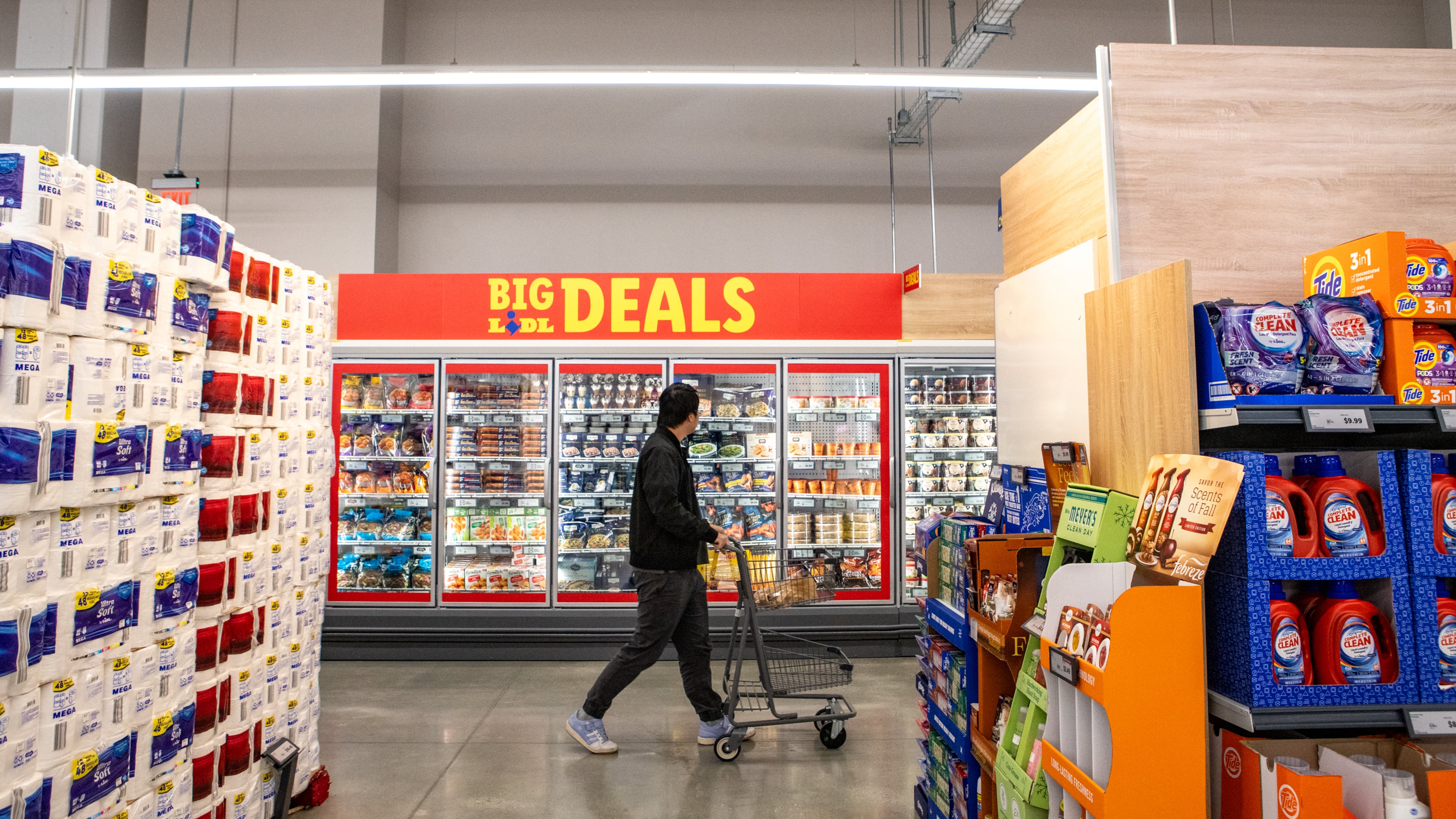

Aleisha McGee said she’s cutting costs to feed her family of five.
The Stone Mountain family only shops at a discount grocer. They buy off-brand products. They limit meat and produce. Still, the family’s annual income of $75,000 is falling short, she said.
“Ten years ago, that income would have felt stable and comfortable,” McGee said. “Today, every grocery trip feels stressful.”
McGee is among the metro Atlanta residents struggling with higher prices in the grocery aisle and at restaurants.
Overall inflation in the metro region is lower than the national rate. But food prices are rising faster than the U.S. average, according to an analysis of April data from the U.S. Bureau of Labor Statistics.
The impact of the war in Iran on fuel prices and rising farm prices are finding their ways to the prices in grocery stores and on restaurant menus, experts say.
In metro Atlanta, grocery prices grew 4.7% on an annualized basis in April, compared to 2.9% for the U.S., federal data show.
Among the increases: fruits and vegetables were up 7.5% over that time period in metro Atlanta, and meat, poultry, fish and eggs collectively grew 5.6%.
That can be tough to swallow. The average U.S. household spends about 13% of their annual budget on food, according to BLS data.

Clarkston resident Tenéa Albright worries rising food costs will have implications for her business. She’s the owner of kids’ ballet studio Tutu School Decatur.
“If people can’t afford the basic necessities, they will not be able to afford the things that make life fun,” Albright said.
She said her family of four feels their own budget pressures. Her husband recently lost his job, and Albright said they had to switch to lower-cost grocers as prices have climbed.
“I don’t want to have to pass the burden of inflation onto my customer base,” she said. “It will price them out of being able to afford this type of activity for their children.”
Restaurant prices are also up
Restaurant tabs are also higher.
The cost of dining out in metro Atlanta grew 6.2% over the 12 months to April, above the national rate of 3.6% during the same time period.
Jon Jacobs, president of U.S. operations at SilverChef, an equipment financing company for the hospitality industry, said restaurateurs are facing higher food, labor and energy costs.
The National Restaurant Association said in March that 90% of full-service restaurant operators have raised their menu prices, largely in response to higher food prices. New tariffs implemented last year by President Donald Trump “intensified that pressure,” the association said.
“This is a very concerning time for our industry,” Jacobs said. “There’s a lot of economic and political uncertainty at this point.”
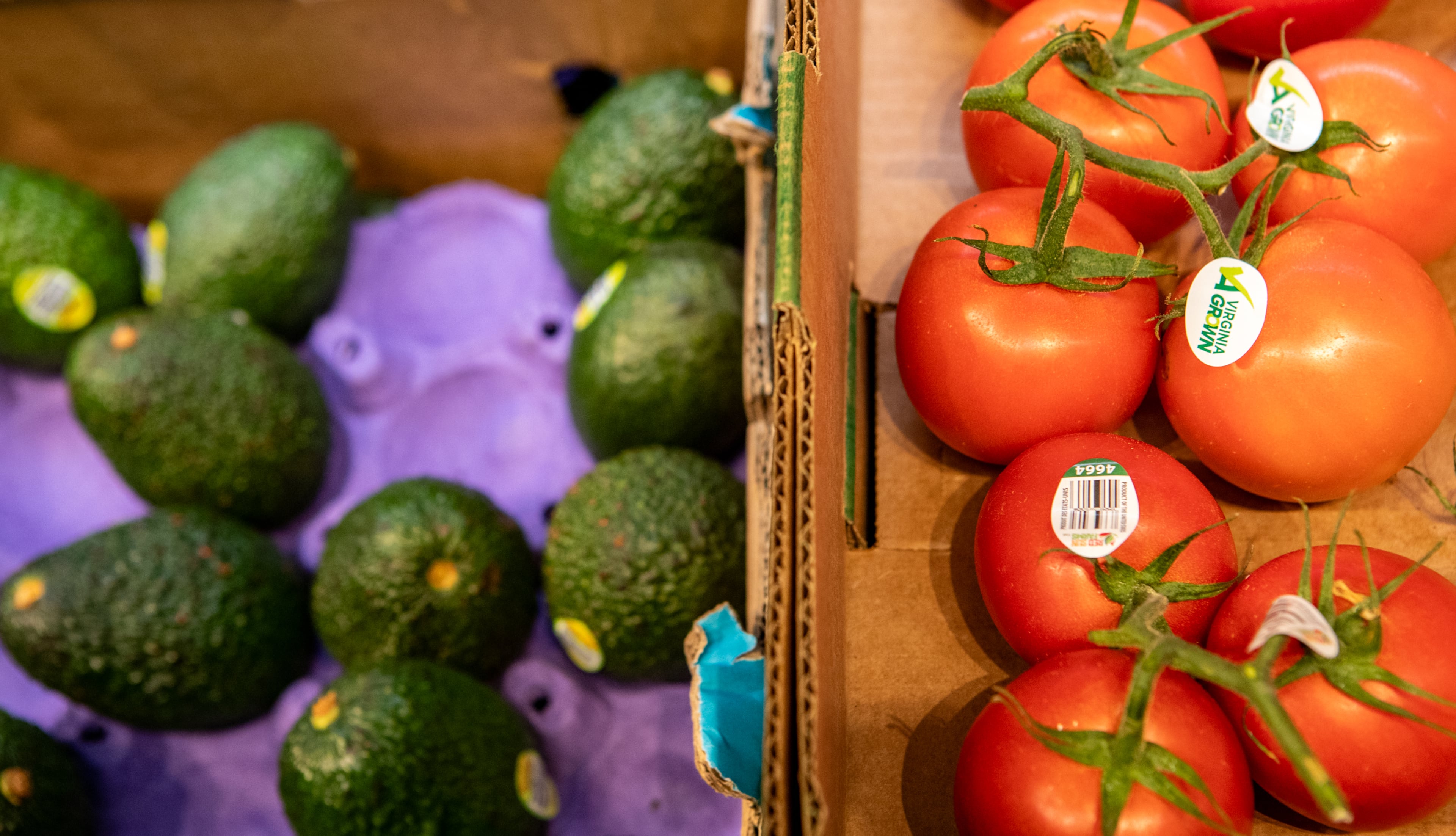
Nathan Justice, owner of restaurant Gyro Gyro in Dunwoody, said the cost of produce has soared. For example, according to national data, the price of tomatoes grew 40% during the 12 months that ended in April.
That’s tough for Justice who goes through about 100 pounds of tomatoes a week. He said the price of a 25-pound case spiked in recent months from about $25 to almost $85, though it has since come down to $35.
“It just went through the roof,” said the Tucker resident, adding the prices of lettuce, bell peppers and cucumbers are also up, along with lamb meat.
Justice said he ended up eating the extra costs instead of raising his prices.
“Luckily, we don’t have a ton of expenses,” he said. “If that would have held on for a few more months, I would have had no real choice. I can definitely see why the bigger operators would be raising prices.”
What is causing food inflation?
Food prices are rising as the war in Iran drives up the cost of diesel fuel, making it more expensive to transport items to the shelves, said Stephen Craft, dean of the Hammack School of Business at Oglethorpe University.
Farm costs are also up, he said, in part because of heightened immigration policies under the Trump administration, which has made labor more expensive and difficult to find. The price of fertilizer is also increasing amid the conflict in the Middle East, though it will take longer to feel the effect on food prices, economists say.
A few factors amplify food inflation in metro Atlanta, Craft said. For one, commercial rents don’t decrease dramatically outside of the urban core, as they might in other cities.
“If you’re a grocery store or a restaurant, your cost of real estate is going to be relatively high, even outside the city,” he said, which causes food prices to be more expensive.
And while Georgia produces a lot of crops, the state still relies on food trucked in from other places, which also drives up the cost, Craft added.
“We are relatively speaking, compared to other cities, further away from edible food sources,” he said. “Our trucking costs of bringing in food are relatively high.”
Overall inflation has risen during Trump’s second term, but not nearly as high as the annualized rate in 2022 and 2023 during President Joe Biden’s administration as post-pandemic demand surged and supply chains remained strained.
Still, over the decade to April 2026, metro Atlanta residents have seen grocery prices climb 30%.
“It makes it difficult not only to afford food, but to afford healthy food,” Craft said, and that can ultimately affect a person’s health. “It tends to touch everything over time.”

‘Hanging on by a thread’
North Decatur resident J.R. Langwell said he’s been shocked at his grocery bills, with his last haul hitting $180. He and his wife have stopped dining out and buying new clothes, he said.
“Right now, we’re hanging on by a thread,” said Langwell, who works for an aviation company where he takes passengers in wheelchairs to their gate at Hartsfield-Jackson Atlanta International Airport. He also has a radio show on WRFG Atlanta 89.3 FM.
Albright, the Clarkston resident, said her family is cutting back on travel and dining out. If they go to Chick-fil-A, for example, they will split a large pack of chicken strips, instead of buying individual items.
“We don’t even let the kids get kids’ meals anymore,” she said.
McGee, the Stone Mountain resident, said she is trying her best to stretch a monthly food budget of $1,000.
“We make strict grocery lists, do ‘meatless Mondays,’ avoid extras and junk food, and buy very little fresh produce or meat because those prices have become so hard to justify,” she said. “At this point, it feels like we’re making choices every single week between groceries, gas and bills.”