Take 2: Norfolk Southern, Union Pacific again put merger bid to regulators
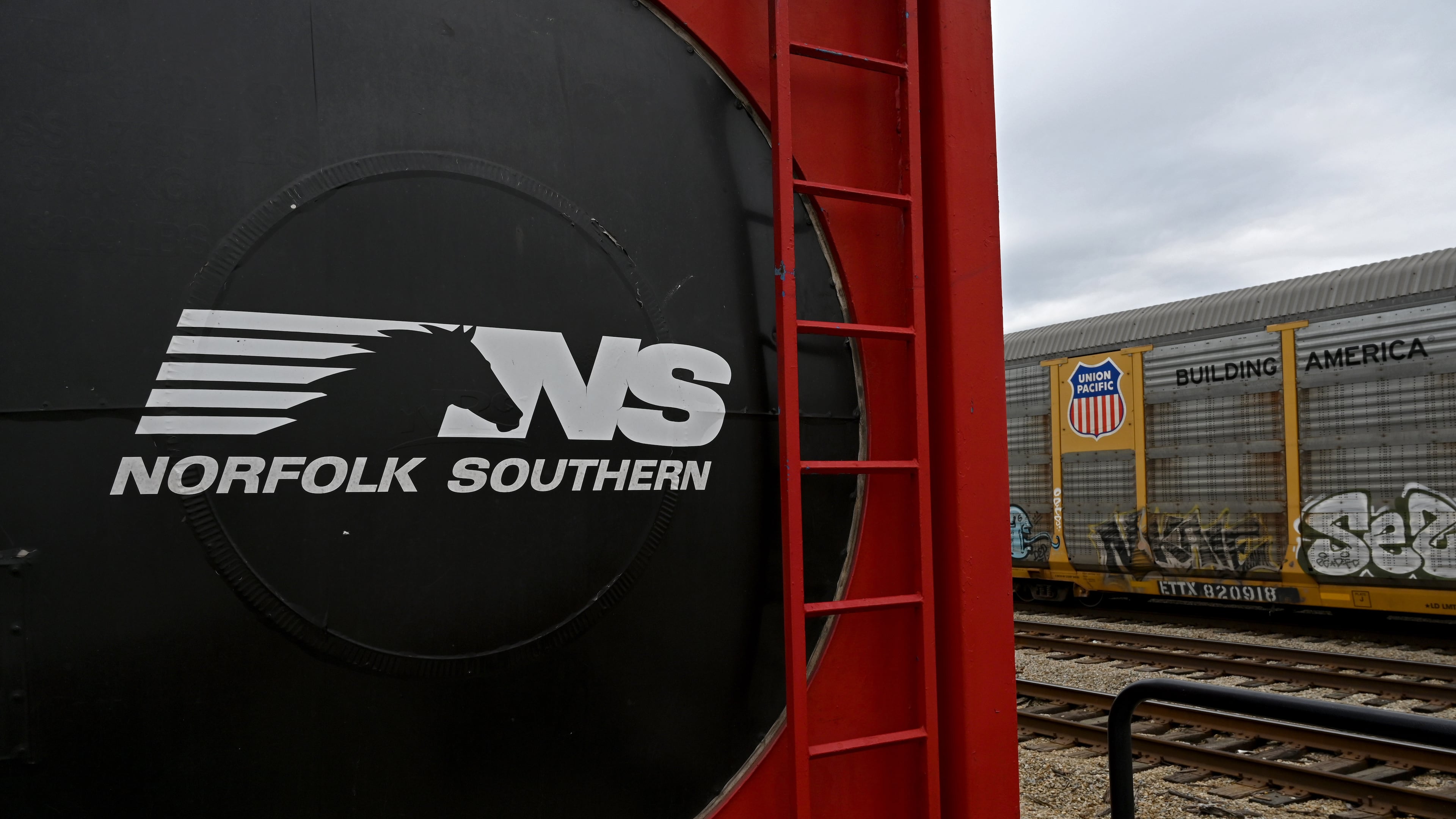
A few months after federal regulators sent them back to the drawing board, Union Pacific and Norfolk Southern submitted an amended merger application Thursday.
The new filing will restart the clock, which leaves a likely timeline for rejection or approval by the Surface Transportation Board sometime next year — if the board accepts the application as complete within the next month.
Nebraska-based western railroad Union Pacific is proposing to acquire Atlanta-based eastern railroad Norfolk Southern and consolidate them under the Union Pacific brand as the country’s first transcontinental railroad firm, headquartered in Omaha.
Regulators had in January agreed with some of the deal’s opponents — including all of its major competitors — which argued the original December application lacked key information.
The board asked for more complete market share projections as well as the full merger agreement, including sections that outline what would give Union Pacific the right to walk away from the $85 billion deal.
The new filing Thursday revealed Norfolk Southern could be eligible to receive $2.5 billion if the deal fell apart.
The companies were also asked to share analyses of actual, projected future market share effects, which the board said were necessary for it to fulfill a core regulatory obligation: to decide whether this proposed megamerger would “enhance” competition in an already-consolidated railroad industry.
While the deal’s opponents have strongly rejected that that could be possible, the two companies have stood by their argument that the merger will do just that by better allowing the rail industry to compete with trucking.
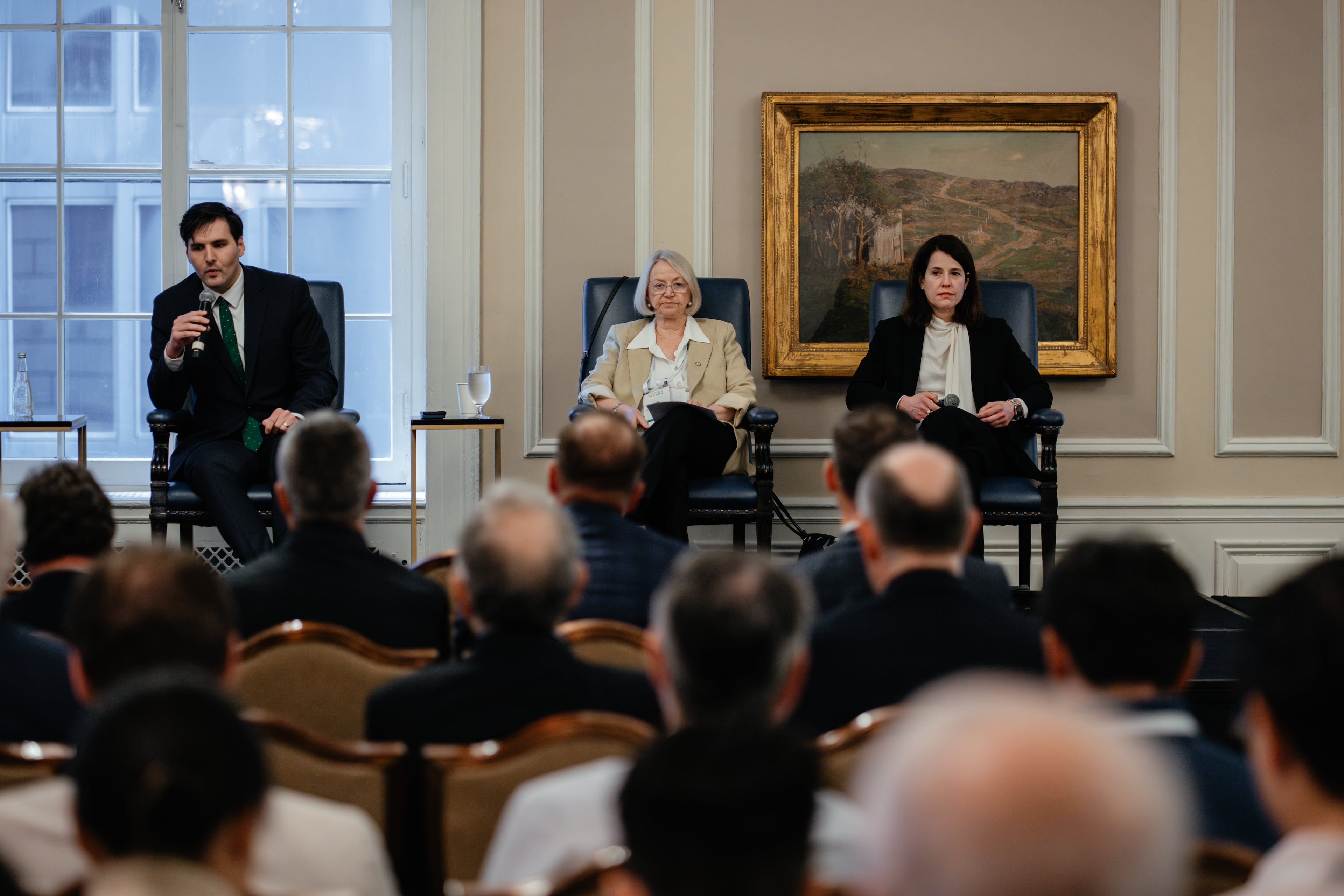
The new data analysis, the hopeful dealmakers argue, actually strengthens their case by expanding the original estimated impact of the deal to removing 2.1 million trucks from the road, saving customers an estimated $3.5 billion annually.
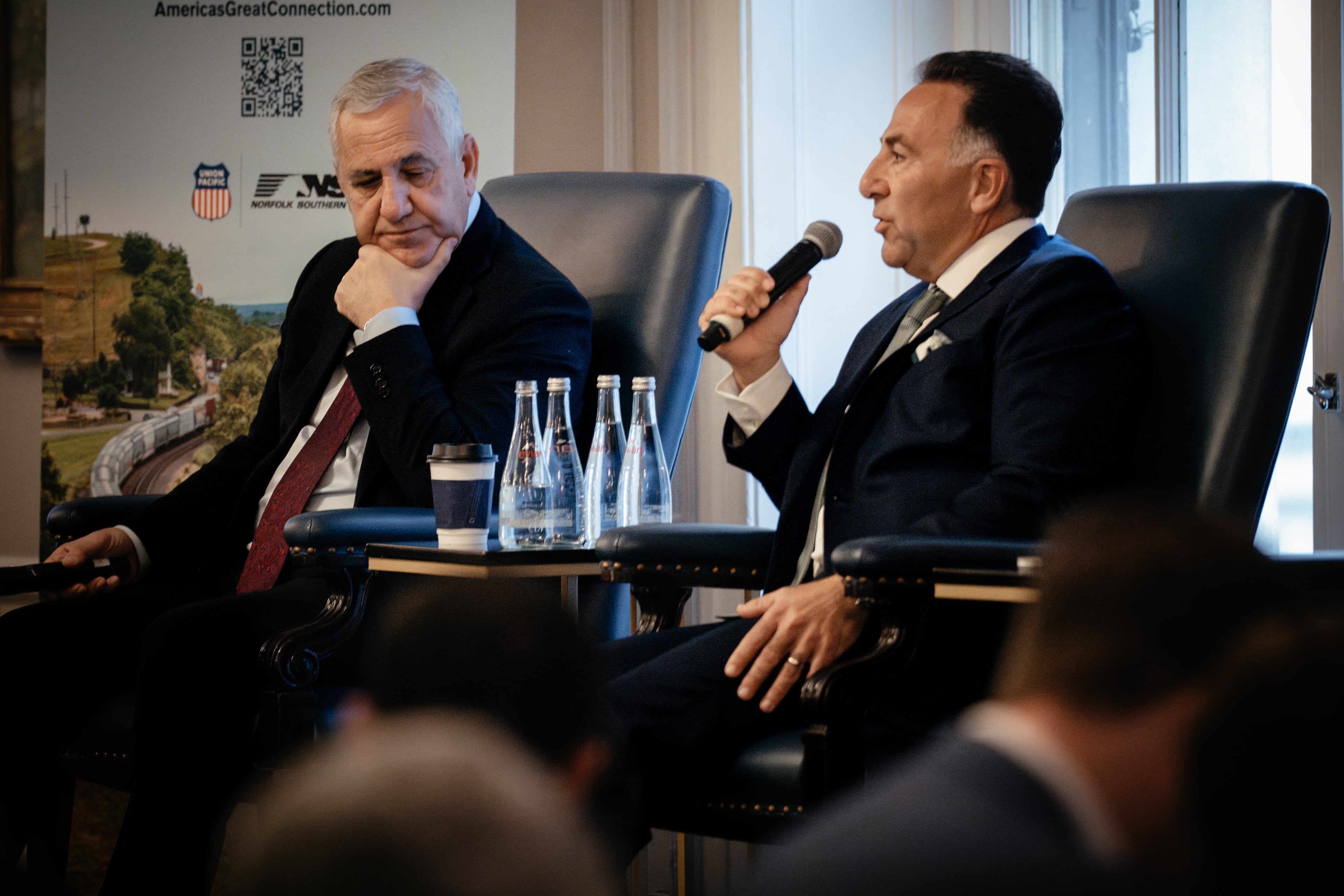
“This merger is fundamentally about growth,” Norfolk Southern CEO Mark George said in a written statement. “Shippers have been clear about what they value, and the data backs it up. When single-line rail service is available, they choose it.”
The companies called Thursday’s filing the first application “in rail merger history to use 100% actual traffic data provided by all six North American Class 1 railroads” to determine impact on the market.
Unchanged in the new application, however, are the previous corporate headcount change estimates that will leave Norfolk Southern’s Atlanta headquarters with less than half its current management positions within three years.
One-fourth will be relocated to Omaha and one-fourth will be cut, the application outlines.
The company renewed its lease on its Midtown headquarters building earlier this year and executives say they have no plans to leave it, even if the merger goes through.
Union Pacific and Norfolk Southern have also promised to protect all union jobs at the new company, though not necessarily in their current location.
In fact, the new application shows a need for even more union jobs: boosting its anticipated union headcount to 1,200, up from 900.
The new application came the same week as the launch of the “Stop the Rail Merger Coalition,” a formal coalition of customers, policymakers, competitors, customers and labor unions.
“This did not begin with a customer asking for a UP-NS merger to happen,” said Union Pacific’s major western competitor BNSF Railway CEO Katie Farmer in a statement sent from the coalition.
“It’s driven by Wall Street on the promise of a big shareholder payout. It will eliminate competition, raise costs for consumers, and destabilize the supply chain that powers the American economy.”
Teamsters Rail Conference president Mark Wallace added that the merger “is a gamble with the nation’s supply chain and the workers who keep it moving that ultimately the American taxpayer will have to bail out.”
Simultaneously, the companies have continued gathering voices of support for the deal, including Georgia House Speaker Jon Burns.
“A seamless, coast-to-coast railroad will deliver faster, more reliable service and eliminate costly handoffs between carriers,” the Republican said in a Thursday statement.
Once again, the merger process will play out in the Surface Transportation Board’s docket, as opponents and interested parties have until May 8 to file their responses to the new application.