Georgia GOP wants to lower property taxes. They need help from Democrats.
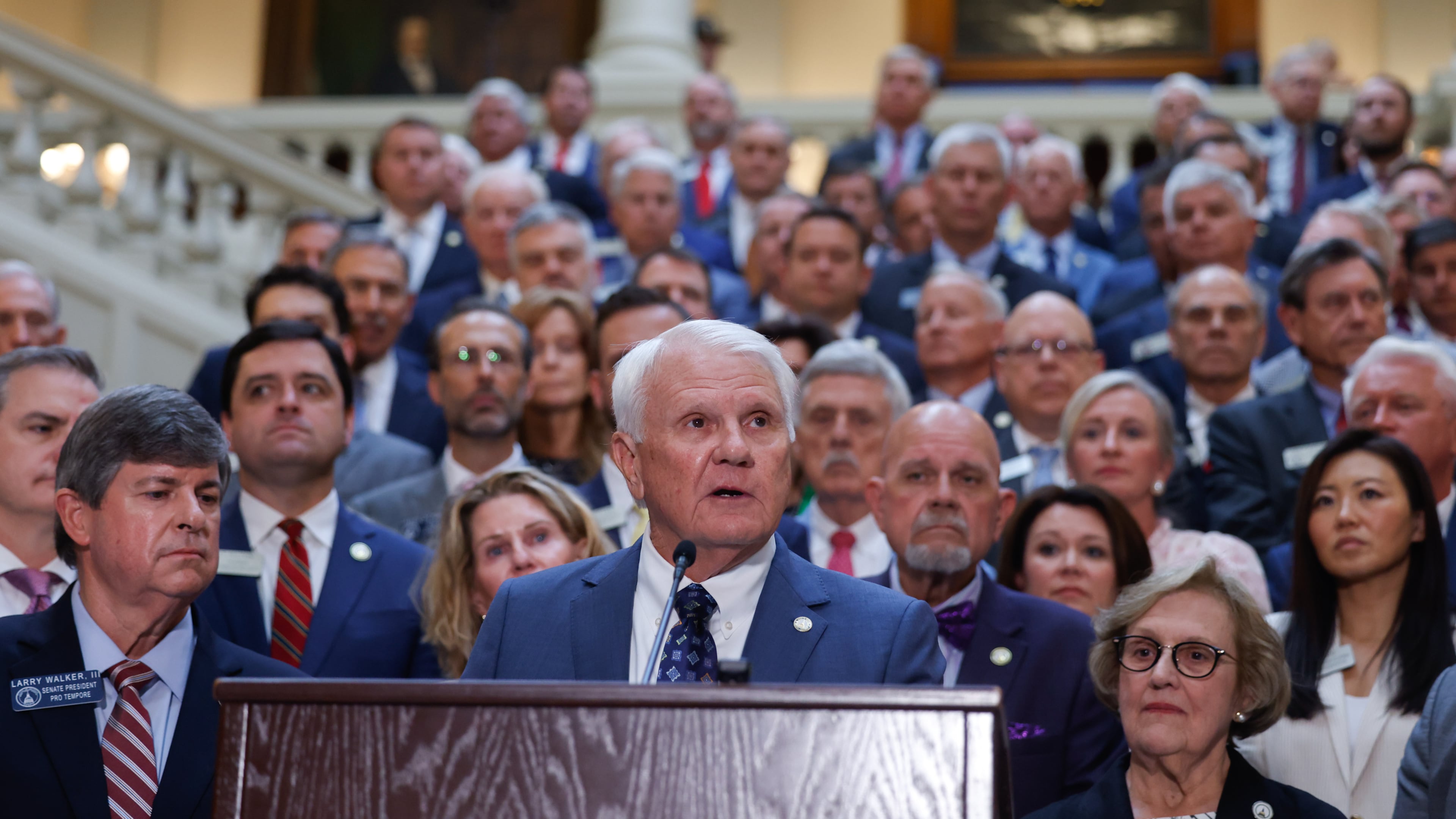
Days after shelving a plan to redraw Georgia’s political maps, Republican lawmakers in the state Legislature are pivoting to property taxes with an ambitious strategy to put more than a hundred tax-cutting referendums on the ballot this November in a move that could boost GOP turnout.
Legislators have filed more than 80 bills since Wednesday that would let voters cut property taxes in counties and cities across the state — with dozens more expected to follow. If the bills pass, voters will decide in November whether to pay higher sales taxes to lower their property tax bills.
The results could lower the tax bills for millions of homeowners. Voters could eliminate all city and county property taxes on primary residences in more than 110 Georgia local governments, according to an analysis by the Association County Commissioners of Georgia. The votes would not apply to school property taxes, which typically account for the largest share of bills.
But putting the referendums on the ballot is no sure thing. The Georgia Constitution says property tax exemptions require a two-thirds vote in the Legislature. Republicans don’t have enough votes to reach that threshold on their own, so they need some Democratic support.
Democrats are in no mood to be cooperative. Many are still angry with Republican leaders for attempting — and then abandoning — a redraw of the state’s political maps. They’re also still stinging from a law the General Assembly passed earlier this year requiring district attorneys and other local officials in five Democratic-dominated metro Atlanta counties to run as nonpartisan offices.
But, more than that, Democrats say raising sales taxes will hurt low- and middle-income Georgians. They may be reluctant to approve referendums even in Republican-controlled counties that want them.
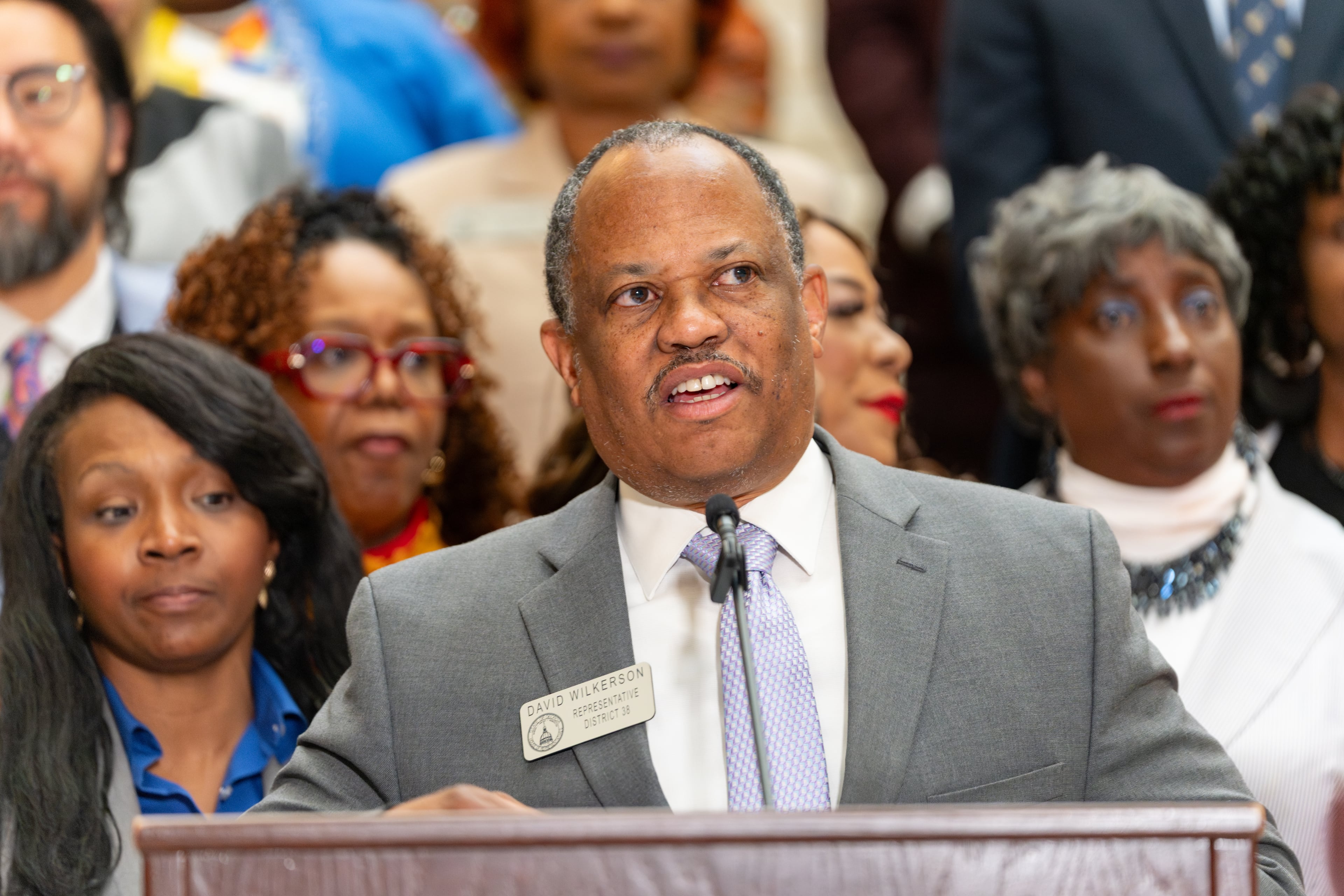
“We have Democratic constituents in these counties who will be hurt by paying higher sales taxes,” said Rep. David Wilkerson, D-Powder Springs.
For their part, Republicans are eager to continue an election-year push for tax relief. Scores of property tax referendums could boost Republican turnout in rural areas across Georgia come November.
“House Republicans are looking forward to putting this historic property tax relief on the ballot in communities across our state, protecting the dream of homeownership and providing lasting security and peace of mind for countless Georgia families,” House Speaker Jon Burns said in a statement to The Atlanta Journal-Constitution.
Burns made property tax relief a priority in this year’s regular legislative session that concluded in April. Back then, legislators approved a law that caps the growth of assessments on individual properties at the rate of inflation.
It also allows voters to increase sales taxes by one penny to offset county and city property taxes on homesteads — people’s primary residences, including up to 5 acres of land.
To do that, the Legislature must pass separate laws for each county and city referendum. Clint Mueller, deputy director of the Association County Commissioners of Georgia, said about a third of the state’s 159 counties have expressed interest in holding referendums.
Bills have already been filed for referendums in Gwinnett, Cherokee and Forsyth counties in metro Atlanta, as well as other counties and cities across the state.
Businesses, farms and other non-homestead properties are not guaranteed to get a break on their taxes. But if there is money left over after homestead property taxes are eliminated, other property owners would see a break.
Advocates say homeowners deserve the first shot at tax relief. They say rising property taxes are making it hard for many people to remain in their homes.
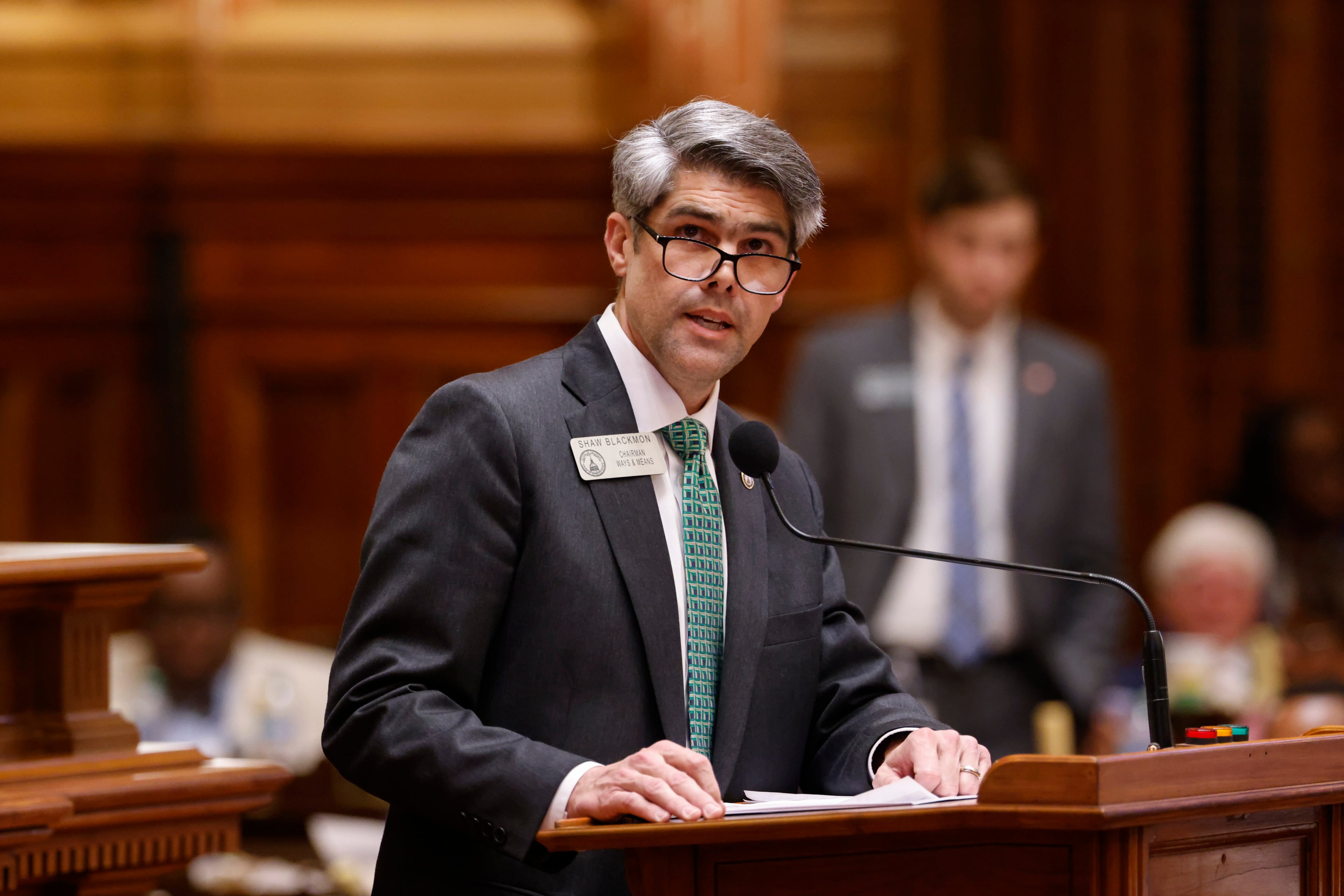
“It can have a pretty big impact, up to and including elimination of city and county property taxes on primary residences,” said Rep. Shaw Blackmon, R-Bonaire, who led Burns’ property tax relief push this year.
But even advocates acknowledge there are pros and cons. Granting homeowners relief could shift more of the burden of paying for local services onto other property owners over time.
Democrats fear steep property tax cuts will undermine local government services. And they say raising sales taxes will hurt low- and middle-income families, who already spend a higher share of their money on sales taxes than wealthier ones.
“It’s difficult for me to say that we should raise taxes on everyone in order to give relief to those who are fortunate enough to own property,” said Rep. Jasmine Clark, D-Lilburn, chair of the Gwinnett County delegation. “It feels a bit like robbing Paul to pay Peter.”
Rep. Scott Hilton, R-Peachtree Corners, who sponsored the Gwinnett bill, hopes Democrats will get on board.
“Democrats campaigned on affordability,” Hilton said. “I hope they stick to their word, the promises they’ve made to their constituents. We’ll see if they hold up their end of the bargain.”